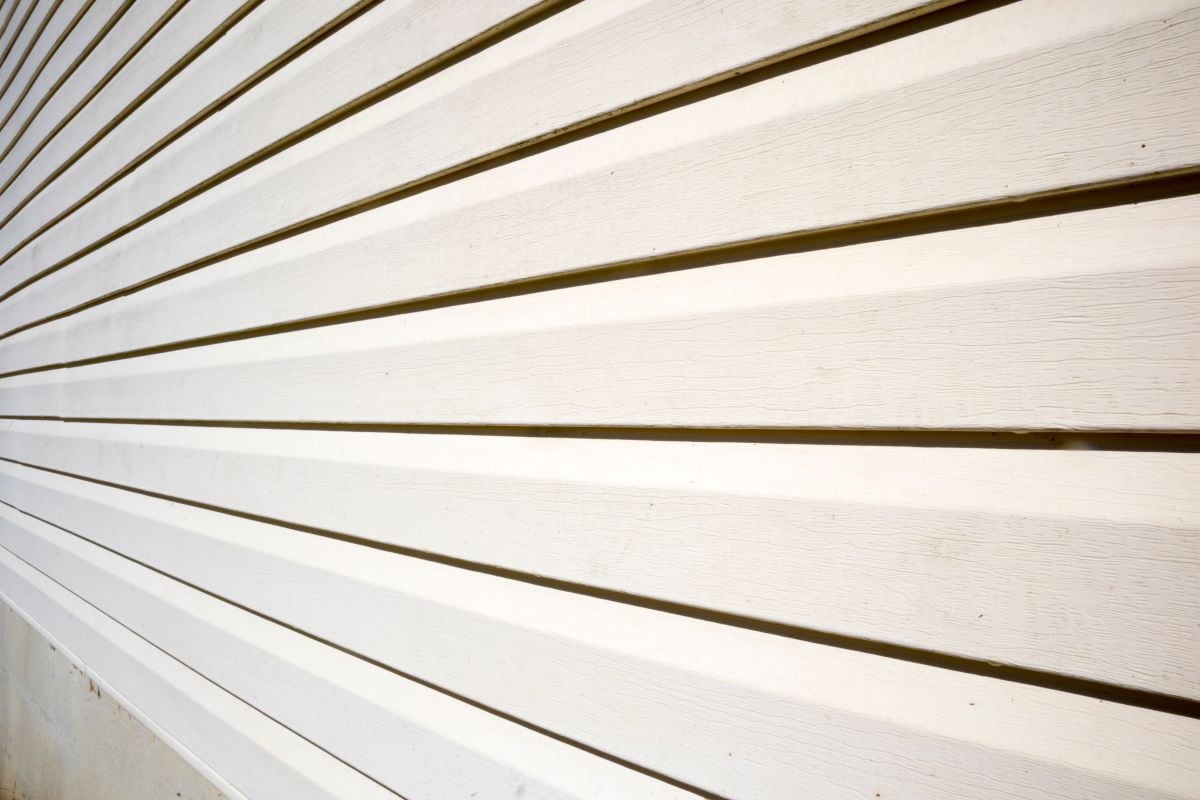
Can You Paint Vinyl Siding? (6 Common Mistakes to Avoid)
Written By: Justin Puetz | January 14, 2026 | 6 Minute Read

As vinyl siding ages, many homeowners wonder: can you paint vinyl siding to refresh its look without replacing it entirely? The short answer is yes—but only if it’s done correctly. Painting vinyl siding can save money and extend the life of your exterior, but it also comes with risks if you use the wrong materials or ignore key preparation steps. For homeowners in Wabasha and surrounding areas, knowing when and how to paint vinyl siding is crucial for long-term results. If you’re unsure whether to paint or replace, start by reviewing some of the design solutions offered on our custom exterior renovation page for ideas and expert insight.
In this guide, you’ll learn:
- Whether vinyl siding is a good candidate for painting
- The biggest mistakes to avoid during the process
- Tips for getting long-lasting results
- When it makes more sense to replace instead of repaint
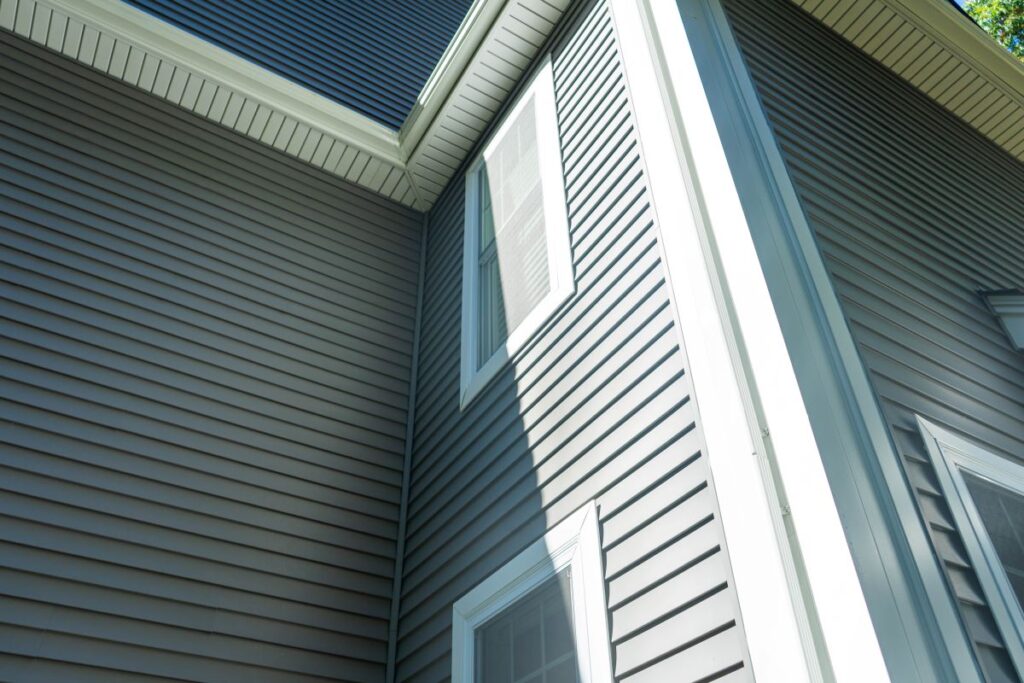
Why Homeowners Consider Painting Vinyl Siding
Painting vinyl siding isn’t just a cosmetic choice—it can also improve curb appeal, extend the life of your exterior, and delay a full siding replacement. But it’s not the right move for every home or every situation.
- Cost-Effective Option: Painting is significantly cheaper than full replacement when done correctly.
- Visual Refresh: A fresh coat of paint can update the look of older homes with faded or outdated siding.
- Short-Term Solution: Painting can buy time before a larger renovation.
- Increased Market Appeal: If you’re preparing to sell, painting offers a visual boost with relatively low investment.
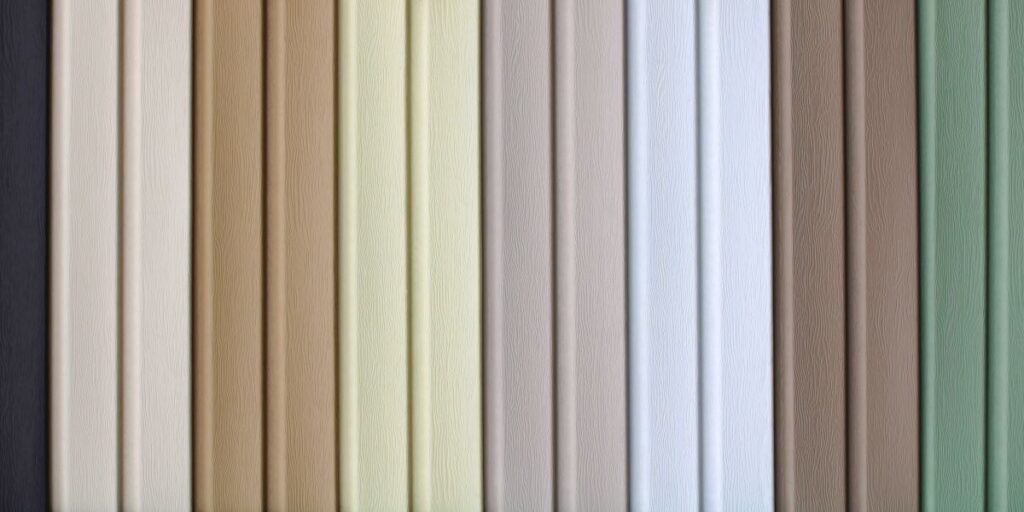
- Custom Color Choice: You’re no longer limited to the original color options available from the siding manufacturer.
6 Common Mistakes to Avoid When Painting Vinyl Siding
While painting vinyl siding is possible, mistakes can lead to peeling, warping, or wasted time and money. Here are the most common pitfalls homeowners should avoid.
1. Skipping Proper Cleaning
Dirt, mildew, and oxidation build up on vinyl siding over time. Painting over this grime prevents proper adhesion.
- Use a mixture of water, mild detergent, and a soft-bristle brush or pressure washer.
- Let the surface dry completely before applying any primer or paint.
- Avoid painting on humid or rainy days, which can trap moisture beneath the paint.
2. Using the Wrong Type of Paint
Vinyl siding expands and contracts with temperature changes, so not all paint is suitable.
- Choose 100% acrylic latex paint designed specifically for vinyl siding.
- Avoid oil-based paints, which can crack and peel as the siding moves.
- Select a paint color that is the same shade or lighter than the original siding. Darker colors absorb heat and may cause warping.
3. Ignoring Surface Condition
Not all vinyl siding is worth saving. If it’s too old or damaged, painting is just a temporary patch.
- Look for cracks, holes, or brittleness in the panels.
- If the siding is chalky or flaking, it may need more than just paint.
- Repairs should be made prior to painting for the best results.
4. Painting in the Wrong Weather Conditions
Vinyl is sensitive to temperature swings, and so is the paint applied to it.
- Ideal temperatures for painting vinyl range between 50°F and 85°F.
- Avoid painting in direct sunlight, which can cause paint to dry too quickly and result in streaks.
- Windy conditions can blow debris into fresh paint, affecting the finish.
5. Skipping Primer When Needed
Many high-quality exterior paints now include built-in primers, but in some cases, a separate primer is still necessary.
- If the siding has never been painted before or has signs of oxidation, a primer can improve adhesion.
- Look for a bonding primer made for slick or glossy surfaces.
6. Not Allowing Proper Curing Time
Even if the paint looks dry, it may not be fully cured.
- Avoid washing the siding or touching up too soon after painting.
- Full curing can take a few days depending on humidity and temperature.
- Disturbing the surface too early can lead to chipping or uneven texture.
When Does Painting Make Sense—and When Doesn’t It?
Not every home is a good candidate for painting vinyl siding. Understanding when it makes sense can help you avoid costly regrets.
Best Times to Paint
- The siding is structurally sound: No major cracks, warping, or loosened panels.
- You want a quick visual refresh: Preparing to sell or just tired of faded color.
- You plan to stay in the home a few more years: Painting may give you 5–10 more years before full replacement.
When to Replace Instead
- The siding is over 20 years old: Painting won’t fix underlying issues like brittle panels or compromised insulation.
- You want to change the profile or texture: Paint changes color—not material or design.
- There are multiple problem areas: Cracked, warped, or missing pieces mean it’s time for a full upgrade.
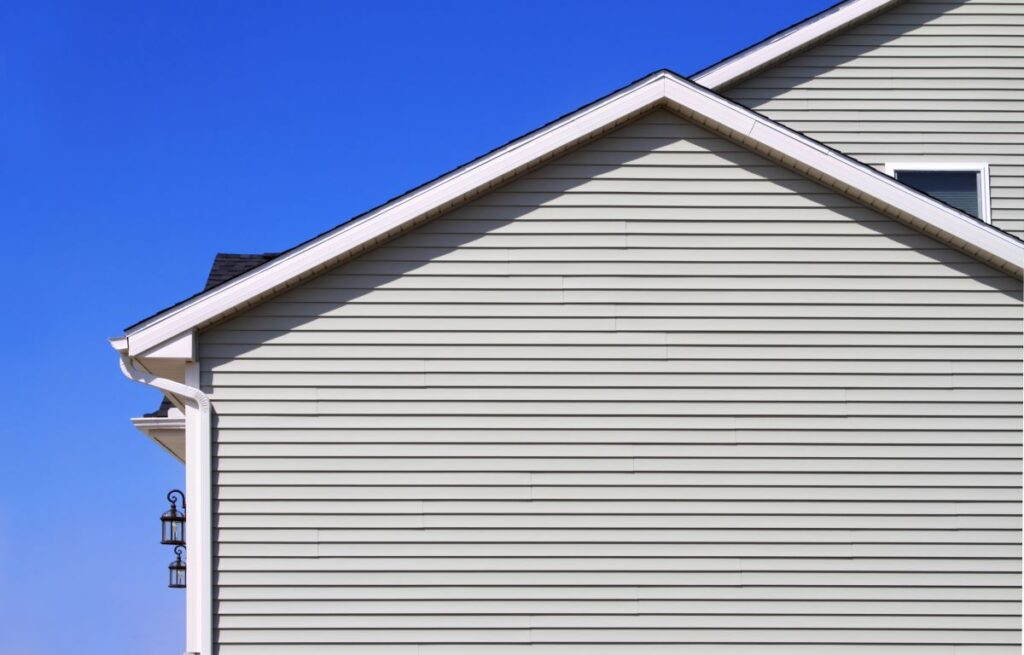
Paint vs. Replace: Cost and Longevity Comparison
If you’re debating between repainting and replacing your vinyl siding, here’s how the two options compare in terms of cost and results:
| Option | Average Cost per Sq. Ft. | Expected Lifespan | Maintenance | Value Added |
| Paint Vinyl Siding | $1.50 – $3.00 | 5–10 years | Moderate | Moderate |
| Replace Siding | $5.50 – $10.00+ | 20–40 years | Low | High |
Painting costs significantly less upfront, but may not be the better choice long-term if your siding is reaching the end of its useful life.
How to Prepare for a Successful Siding Painting Project
Before getting started, take these steps to ensure the best possible outcome.
- Inspect your siding: Identify damage or warping that needs repair.
- Choose the right product: Verify the paint is compatible with vinyl and exterior use.
- Test a small area: Paint a less-visible section to confirm color and adhesion.
- Schedule at the right time: Choose mild weather conditions and allow for drying time between coats.
- Get expert input: If you’re unsure about the condition of your siding, speak with a contractor before investing in paint.
Alternatives to Painting: Other Ways to Refresh Your Exterior
If painting isn’t the right fit for your home, here are a few other ideas to consider that can improve the look of your siding without full replacement.
- Power Washing: Sometimes a professional cleaning can make faded siding look new again.
- Trim and Accent Updates: Repainting shutters, trim, or doors can create contrast and boost curb appeal.
- Partial Replacement: Swap out only damaged sections with a matching or complementary color.
- Upgrade Entryways: New doors or lighting can draw attention away from older siding.
These smaller upgrades can buy time while improving your home’s overall appearance.
A Smart Update with the Right Approach
Painting vinyl siding can be a great option when done under the right conditions. It offers a budget-friendly way to revive your home’s exterior while maintaining flexibility in design. For homeowners in Wabasha and surrounding areas, the key is to avoid common pitfalls and understand when painting is a smart temporary solution versus when replacement is a better long-term investment.
If you’re unsure which direction to take, contact us today to schedule a consultation. The team at Puetz Construction can help you determine whether repainting, repairing, or replacing your vinyl siding will provide the best results for your home.
Fresh From our Blog