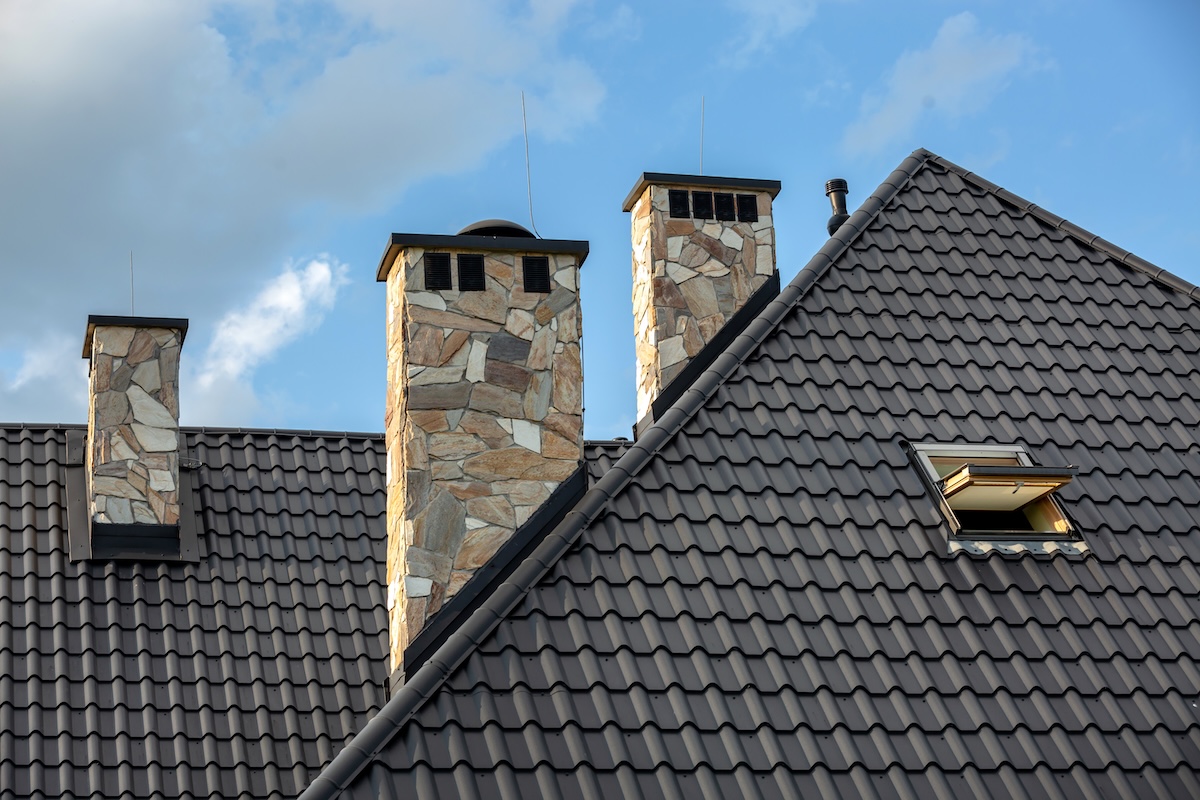
7 Signs You Need Chimney Leak Repair Immediately
Puetz Construction | 8 Minute Read
A leaking chimney might seem minor at first, but left unaddressed, it can cause serious damage to your roof, walls, and even the structural integrity of your home. Moisture intrusion can lead to wood rot, mold growth, and costly repairs that extend well beyond your fireplace. That’s why understanding the early chimney leak repair warning signs is so important for homeowners in Rochester and surrounding areas.
If you’ve noticed water stains, musty odors, or damp spots near your chimney, it’s time to act fast. Roof leaks and chimney problems are often connected, so if you’re unsure where the issue begins, exploring the roofing solutions we offer can help you catch problems early and prevent expensive water damage.
In this guide, you’ll learn:
- The most common warning signs of a chimney leak
- What causes leaks to form and spread
- How professionals diagnose and repair the problem
- Long-term solutions to prevent leaks from returning
Why Chimney Leak Repair Should Never Wait
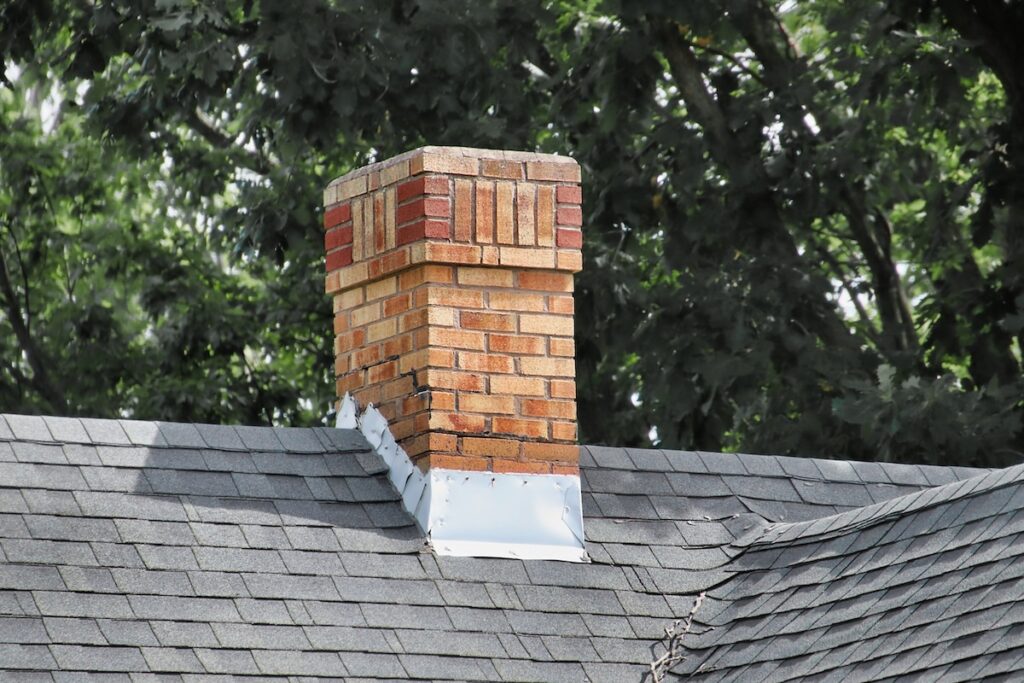
Moisture is one of the most destructive forces affecting your home’s structure. Once water finds its way into your chimney system, it can quickly deteriorate bricks, mortar, and metal flashing. Addressing leaks promptly doesn’t just protect your chimney—it safeguards your roof, walls, ceilings, and insulation from ongoing water intrusion.
Here’s why timely action matters:
- Protect Structural Integrity: Water seeping into masonry can cause cracks and spalling, weakening your chimney from the inside out.
- Prevent Mold and Odor: Damp conditions encourage mold and mildew growth, leading to unpleasant smells and indoor air quality concerns.
- Avoid Interior Damage: A leaky chimney can stain drywall, warp flooring, and damage attic insulation if left unchecked.
- Save on Future Repairs: Early detection allows small issues to be repaired before they escalate into full chimney rebuilds or roof replacements.
- Preserve Energy Efficiency: Moisture can compromise seals and insulation, forcing your heating system to work harder and increasing energy bills.
7 Common Warning Signs You Need Chimney Leak Repair
Identifying the problem early can make all the difference between a minor fix and major structural damage. Below are some of the clearest indicators that your chimney may be leaking.
1. Water Stains or Discoloration Near the Fireplace
If you notice brown or yellowish stains around the ceiling near your chimney or on the fireplace walls, water is likely finding its way inside. These marks often indicate a slow leak that’s been active for months.
2. Musty or Damp Odors Indoors
Moisture trapped in the masonry or flue liner can create a persistent musty smell, especially after rain. This odor is a strong sign that water is pooling somewhere in your chimney system.
3. Cracked or Crumbling Mortar Joints
Brick chimneys rely on tightly packed mortar joints to keep out water. Over time, exposure to weather can erode the mortar, creating entry points for rain and snowmelt. Once cracks appear, leaks often follow soon after.
Watch for:
- Loose or missing mortar between bricks
- White staining (efflorescence) caused by mineral deposits
- Pieces of mortar falling from the chimney exterior
4. Rust on the Firebox or Damper
Rust indicates that moisture is entering metal components of your fireplace. A damp or rusted damper can become hard to open or close, and corrosion can spread quickly without repair.
5. Peeling Paint or Wallpaper
If your home’s interior paint or wallpaper near the chimney begins to peel, blister, or bubble, it’s usually the result of moisture trapped behind the surface. This can also lead to hidden mold growth inside walls.
6. Dripping Sounds or Visible Water After Rain
Hearing water drip inside your chimney or seeing puddles after heavy rain is a clear sign the leak is active. The source could be the chimney crown, flashing, or a cracked flue cap.
7. Deteriorating Chimney Crown or Cap
The crown and cap are your chimney’s first line of defense. When they crack or shift, they allow rain to penetrate directly into the flue and surrounding masonry.
Tip: Inspect your chimney crown annually or after severe weather events in Rochester and surrounding areas to prevent surprise leaks.
The Main Causes of Chimney Leaks (and How Pros Fix Them)
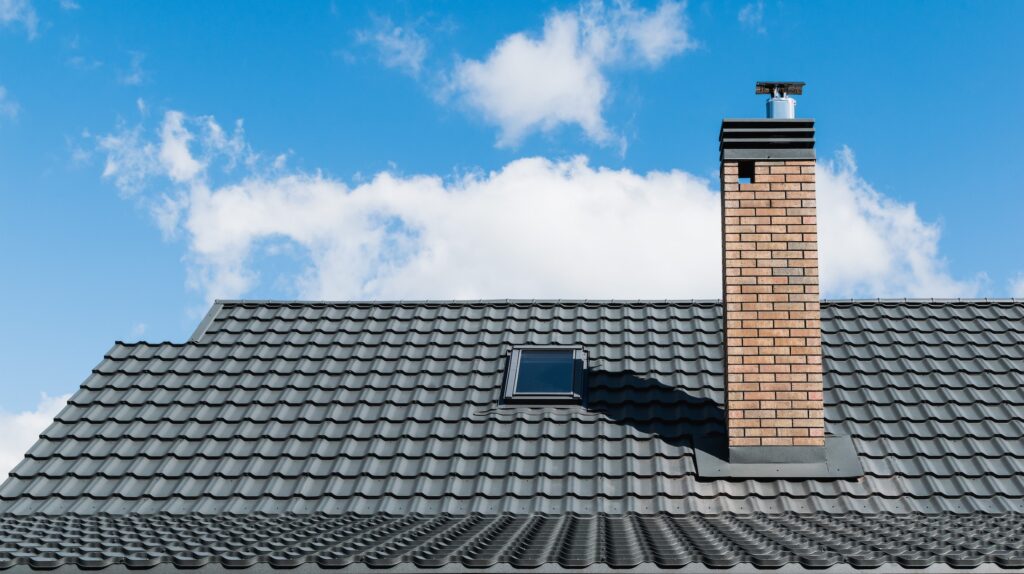
Understanding what causes chimney leaks can help you recognize potential issues before they escalate.
Damaged Flashing
Flashing is the thin metal barrier that seals the joint between your chimney and roof. Over time, temperature shifts and roof movement can cause it to loosen or rust.
Professional solution: Roofers replace damaged flashing with durable, weather-sealed materials that blend with your existing roof for long-term protection.
Cracked Chimney Crown
The crown sits at the top of your chimney, preventing rain from seeping into the masonry. Freezing and thawing cycles often cause cracks to form, especially in Minnesota’s changing seasons.
Repair method: A technician will clean and seal cracks with specialized waterproof compounds or rebuild the crown using high-strength concrete.
Missing or Damaged Chimney Cap
A missing or broken cap allows water, debris, and even animals to enter the flue. Caps are critical for directing water away from the interior.
Repair method: Installation of a stainless-steel or copper cap designed to resist corrosion and fit your chimney’s dimensions precisely.
Masonry Deterioration
Bricks naturally absorb moisture. Without proper sealing, they can trap water, freeze, and expand, leading to cracks and long-term leaks.
Professional fix: Repointing or sealing the brickwork with a breathable, water-repellent coating to maintain both function and appearance.
Condensation Issues
If your home’s heating system vents through the chimney, condensation may form from exhaust gases, accelerating brick decay.
Solution: Adding a flue liner to protect against condensation and improve draft efficiency.
Clogged Gutters or Downspouts
When gutters overflow, water can pool around your chimney base, saturating the surrounding materials and leaking into the structure.
Preventive measure: Regular roof maintenance and gutter cleaning to ensure proper drainage during heavy rainfall.
Professional Inspection and Repair Process
When you call in professionals like Puetz Construction, chimney leak repair begins with a systematic inspection. The goal is to pinpoint both the visible and hidden causes of water intrusion.
Step 1: Visual Roof and Chimney Assessment
Technicians examine your roof, flashing, masonry joints, and chimney cap. They look for cracks, gaps, and deteriorated sealants that could allow water in.
Step 2: Interior and Attic Check
The attic and walls surrounding the chimney are inspected for moisture stains, wood rot, or mold growth—signs of ongoing leakage.
Step 3: Moisture Mapping and Leak Testing
Specialized tools help track moisture paths, identifying exactly where the water is entering and spreading.
Step 4: Repair and Sealing
Based on the findings, repairs might include replacing flashing, sealing cracks, rebuilding crowns, or waterproofing the chimney exterior.
High-quality materials used:
- Metal flashing with reinforced seams
- Elastomeric waterproof coatings
- Weather-resistant mortar and caulking compounds
Step 5: Preventive Treatment
After the repairs, technicians often apply a breathable sealant to protect against future leaks while allowing the chimney to expel internal moisture.
Long-Term Prevention Tips for Homeowners
Even after a successful repair, your chimney will still face constant exposure to rain, snow, and temperature swings. Preventive maintenance is the key to avoiding future problems.
- Schedule Annual Inspections: Have your chimney and roof checked at least once a year, preferably before winter. Early detection helps prevent small cracks from turning into large leaks.
- Keep Gutters Clean: Blocked gutters can redirect water toward the chimney instead of away from it. Clean gutters regularly to maintain proper drainage.
- Apply Waterproof Sealants: Ask your contractor about breathable sealants designed for brick and mortar. These coatings prevent water absorption without trapping moisture inside.
- Install a Quality Chimney Cap: A well-fitted chimney cap is one of the simplest, most cost-effective ways to prevent leaks. Choose stainless steel or copper for maximum longevity.
- Check the Attic After Heavy Rain: Inspect the attic near your chimney after major storms. Damp insulation or musty smells are early warning signs that water may be entering.
- Address Roof Problems Promptly: A leaky roof can often mimic or worsen chimney leaks. If you notice missing shingles or flashing issues, have them repaired immediately to prevent cross-contamination of leaks.
- Monitor for Seasonal Shifts: In areas like Rochester and surrounding regions, freeze-thaw cycles can expand small cracks. Regular spring inspections can help spot damage early.
Protect Your Home with Trusted Local Experts
Your chimney is more than just a decorative feature—it’s part of your home’s weatherproofing system. When it begins to leak, every day you wait increases the risk of interior and structural damage.
Puetz Construction has years of experience serving homeowners in Rochester and surrounding areas, providing dependable roofing and chimney repair solutions built to last. Whether your leak stems from cracked flashing, a deteriorating crown, or damaged masonry, our team uses proven techniques and durable materials to restore your home’s protection.
If you’ve noticed any of the warning signs mentioned above, don’t wait for the next storm to make things worse. Protect your home, your comfort, and your investment—contact us today to schedule your chimney leak inspection and repair service.
Fresh From our Blog