6 Signs You Need a Commercial Flat Roof Replacement
Puetz Construction | 8 Minute Read
For any business, a reliable roof is the foundation of a safe, efficient property. But over time, exposure to weather, temperature swings, and daily wear can weaken even the best roofing systems. Knowing when it’s time for a commercial flat roof replacement can help you prevent costly leaks, structural damage, and disruptions to operations.
If your building’s roof is showing signs of wear, you can explore repair and replacement solutions on our commercial roofing page to better understand what’s involved.
In this guide, you’ll learn:
- Common warning signs that indicate your roof needs replacement
- How aging roofs affect safety and energy performance
- What to expect during the replacement process
- Tips for protecting your investment long-term
Why Timely Roof Replacement Matters
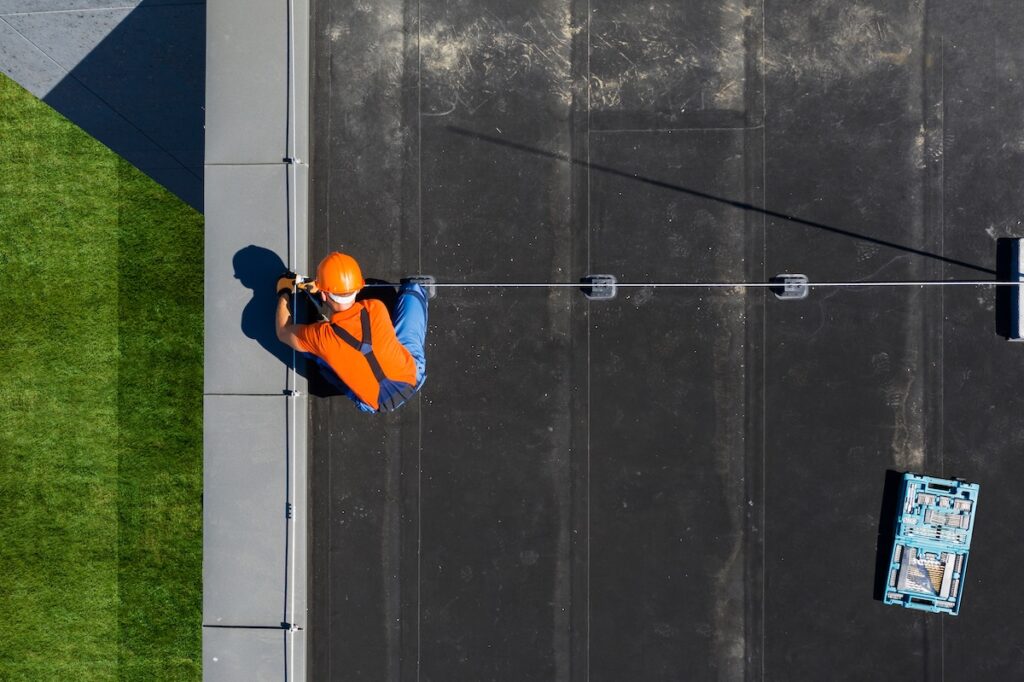
A commercial roof isn’t just another part of your building — it’s a major system that safeguards your operations, employees, and equipment. Ignoring signs of deterioration can lead to leaks, higher energy costs, and even costly structural damage.
For business owners in Winona and surrounding areas, extreme weather and freeze-thaw cycles make regular inspections even more critical. Replacing your flat roof on time ensures your building remains efficient, compliant, and ready for years of continued use.
Here’s why staying proactive pays off:
- Prevent Expensive Repairs: Replacing a failing roof before water damage sets in saves on future structural and interior repair costs.
- Improve Energy Efficiency: A new, reflective roofing membrane can lower heating and cooling expenses.
- Enhance Safety: A compromised roof can lead to leaks, mold, and unsafe working conditions for employees and tenants.
- Preserve Property Value: A new roof improves curb appeal, extends your building’s life, and can boost resale or lease potential.
- Ensure Compliance: Older roofs may no longer meet updated insulation or fire resistance standards, especially after code changes.
6 Key Signs You Need a Commercial Flat Roof Replacement
Recognizing the warning signs early can prevent costly downtime or emergencies. While minor issues can often be repaired, some symptoms indicate it’s time for a full roof replacement. Below are the most common indicators to watch for.
1. Frequent or Widespread Leaks
A few isolated leaks can usually be patched, but if you’re calling for roof repairs multiple times per year, it’s likely a sign of larger problems.
- Persistent leaks often point to deteriorating seams or insulation.
- Water intrusion can damage ceilings, electrical systems, and inventory.
- Multiple patch repairs over time may compromise the membrane’s overall integrity.
If you notice recurring leaks in different sections of your building, replacement is often the most cost-effective long-term solution.
2. Ponding Water
Flat roofs are designed to drain efficiently, but when water pools for more than 48 hours after rainfall, it can cause significant damage.
- Standing water adds extra weight that stresses the structure.
- It accelerates membrane deterioration and increases the risk of leaks.
- Algae growth can block drains and lead to surface degradation.
Regular maintenance helps prevent this, but if ponding becomes consistent, the slope or insulation may have failed — both are signs your roof is nearing replacement.
3. Cracked, Blistered, or Bubbling Membrane
Visible membrane issues are clear signs of aging or trapped moisture.
- Blisters form when air or water becomes trapped beneath the surface.
- Cracks and splits weaken waterproofing and allow leaks to spread.
- Heat exposure can cause materials to shrink or warp over time.
These symptoms are especially common in older EPDM or built-up roofing systems around Winona and surrounding areas due to seasonal expansion and contraction.
4. Increasing Energy Bills
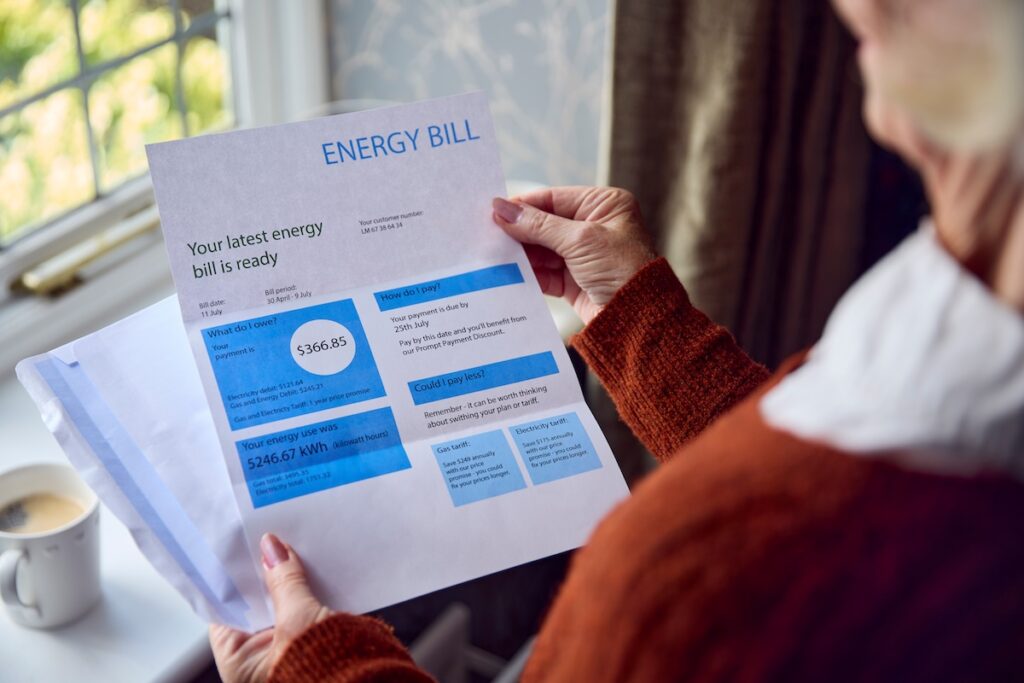
If your utility costs are climbing without explanation, your roof could be to blame.
- A failing roof may lose its reflective coating, absorbing more heat in summer.
- Wet insulation from hidden leaks reduces thermal performance.
- Air gaps and damaged membranes let conditioned air escape.
Replacing your roof with a modern TPO or PVC system can restore energy efficiency and lower annual operational costs.
5. Roof Age Exceeding Expected Lifespan
Every roofing system has a predictable service life. When a roof nears or passes its expected age, failure becomes more likely — even if damage isn’t visible.
- EPDM and TPO roofs typically last 20–30 years.
- Built-up and modified bitumen systems last around 20–25 years.
- Metal roofs can exceed 40 years with maintenance, but fasteners and sealants may still degrade.
If your roof is approaching these limits, a professional inspection can confirm whether replacement or restoration is the best route.
6. Extensive Repairs or Patches
When repair costs start to approach half the price of a full replacement, investing in a new system is usually the smarter choice.
- Overlapping patches can trap moisture between layers.
- Frequent patching reduces curb appeal and can void warranties.
- Newer roofing technologies offer improved performance and warranty coverage.
A comprehensive replacement provides a clean slate and ensures long-term protection with fewer service calls.
How Roof Replacement Benefits Your Business
While replacement can feel like a large upfront investment, it pays off in the form of savings, safety, and peace of mind.
Improved Energy Efficiency
Modern roofing systems like TPO and PVC feature reflective surfaces that reduce heat absorption, lowering cooling costs by up to 30%.
Fewer Disruptions
A new roof means fewer service calls, repairs, and emergency fixes — allowing your business to run smoothly without interruptions.
Long-Term ROI
With proper installation and maintenance, most commercial flat roofs provide decades of reliable service. The cost per year of ownership drops significantly over time.
Enhanced Aesthetics and Property Value
A clean, uniform roof improves your building’s exterior appearance and makes a strong impression on clients, tenants, or potential buyers.
Choosing the Right Roofing System for Replacement
When it’s time to replace your roof, material choice plays a big role in performance, cost, and longevity. Here’s a breakdown of popular flat roofing systems used across Minnesota commercial properties.
| Roofing System | Average Lifespan | Energy Efficiency | Maintenance | Typical Cost (per sq. ft.) | Best For |
| TPO (Thermoplastic Polyolefin) | 20–30 years | Excellent | Low | $6–$10 | Energy-efficient buildings |
| EPDM (Rubber Roofing) | 25–35 years | Moderate | Low | $5–$9 | Cold-weather performance |
| PVC (Polyvinyl Chloride) | 25–30 years | Excellent | Low | $8–$12 | Chemical or food facilities |
| Modified Bitumen | 20–25 years | Good | Moderate | $6–$9 | Freeze-thaw climates |
| Built-Up Roofing (BUR) | 20–30 years | Good | High | $7–$10 | Heavy foot traffic areas |
| Metal Roofing | 40–70 years | Excellent | Low | $10–$16 | Long-term durability |
Prices include installation and may vary by building size and conditions in Winona and surrounding areas.
Factors to Consider
- Climate: Cold winters and summer storms require materials that expand and contract without cracking.
- Energy Goals: Choose reflective systems to reduce cooling costs and qualify for energy rebates.
- Budget: Balance upfront costs with long-term maintenance and lifespan.
- Building Use: Industrial or restaurant facilities may need membranes resistant to chemicals or grease.
- Installation Expertise: Always work with experienced commercial roofers who understand complex flat roof systems.
The Roof Replacement Process
Understanding what happens during a roof replacement helps set expectations and minimizes disruptions to business operations.
Step 1: Inspection and Assessment
A professional roofer evaluates your existing system, identifying structural issues, moisture damage, or insulation problems.
Step 2: Proposal and Planning
You’ll receive a detailed estimate outlining material options, project timeline, and cost. Roofing professionals also plan around your business hours to reduce downtime.
Step 3: Removal of Old Roofing
Old materials, insulation, and flashings are safely removed. In some cases, a roof overlay may be possible to save time and cost if the existing structure is sound.
Step 4: Installation of New System
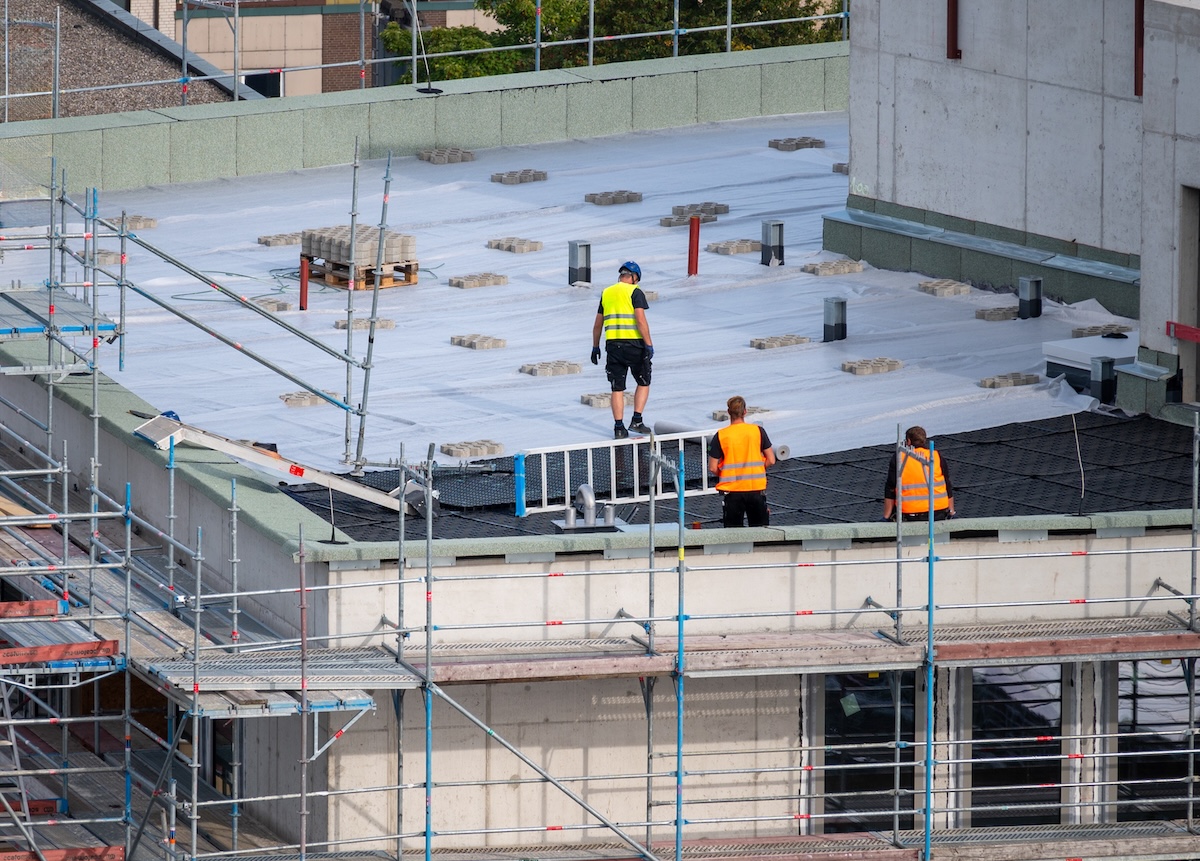
A new membrane or panel system is installed according to manufacturer specifications. Seams, joints, and flashing are reinforced for watertight protection.
Step 5: Quality Inspection and Warranty Registration
Final inspections confirm proper installation of your roof, and warranties are registered for your long-term coverage to give you peace of mind.
Step 6: Maintenance Plan Setup
Once complete, most commercial roofing contractors recommend routine inspections to keep your warranty valid and ensure maximum performance.
Extending the Life of Your New Roof
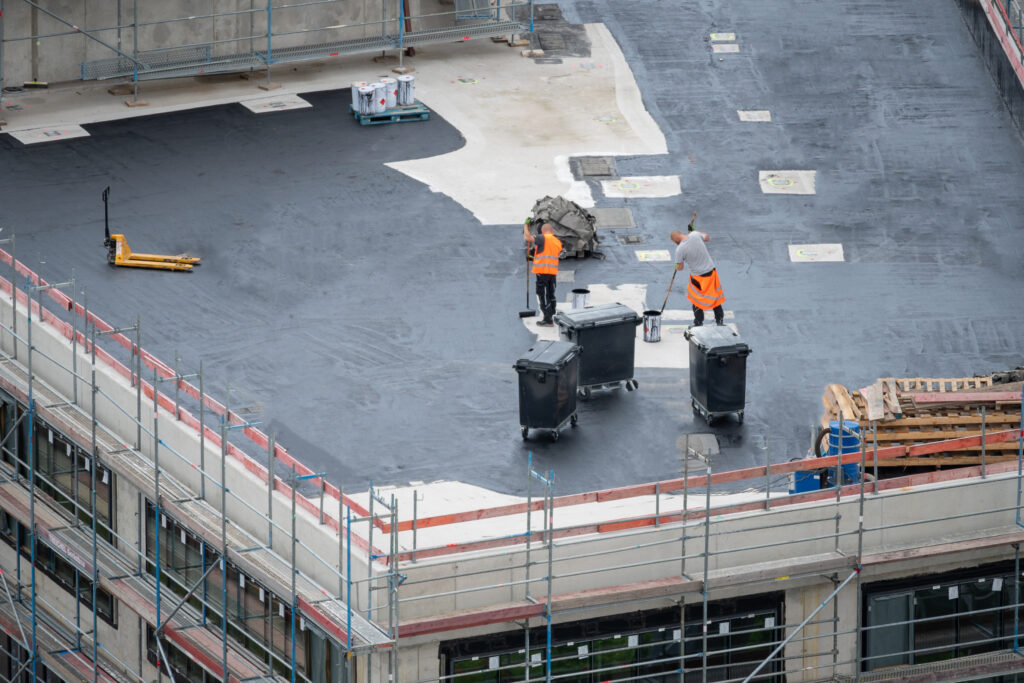
Even a brand-new roof needs occasional care to maintain its full lifespan.
Regular Inspections: Have your roof inspected twice a year — once in spring and once in fall.
Drain Cleaning: Remove leaves and debris from drains and gutters to prevent standing water.
Seal Maintenance: Reapply coatings or sealants when recommended.
Prompt Repairs: Address minor issues like punctures or loose flashing immediately.
Snow and Ice Management: Heavy snow loads can strain flat roofs; plan for timely removal during winter.
A proactive maintenance plan can extend your roof’s lifespan by several years, protecting your investment well into the future.
Ready to Schedule a Flat Roof Evaluation?
A well-maintained commercial roof is essential for protecting your property and ensuring smooth business operations. If you’ve noticed leaks, pooling water, or signs of age, it might be time to explore your replacement options.
For property owners in Winona and surrounding areas, our experienced roofing team provides thorough inspections, honest recommendations, and high-quality replacement solutions designed for long-term performance.
To schedule a professional inspection or learn more about your options, contact us today for expert guidance and an accurate estimate for your commercial flat roof replacement.
Fresh From our Blog