Commercial Roof Coatings: 7 Benefits & Types Explained
Puetz Construction | 7 Minute Read
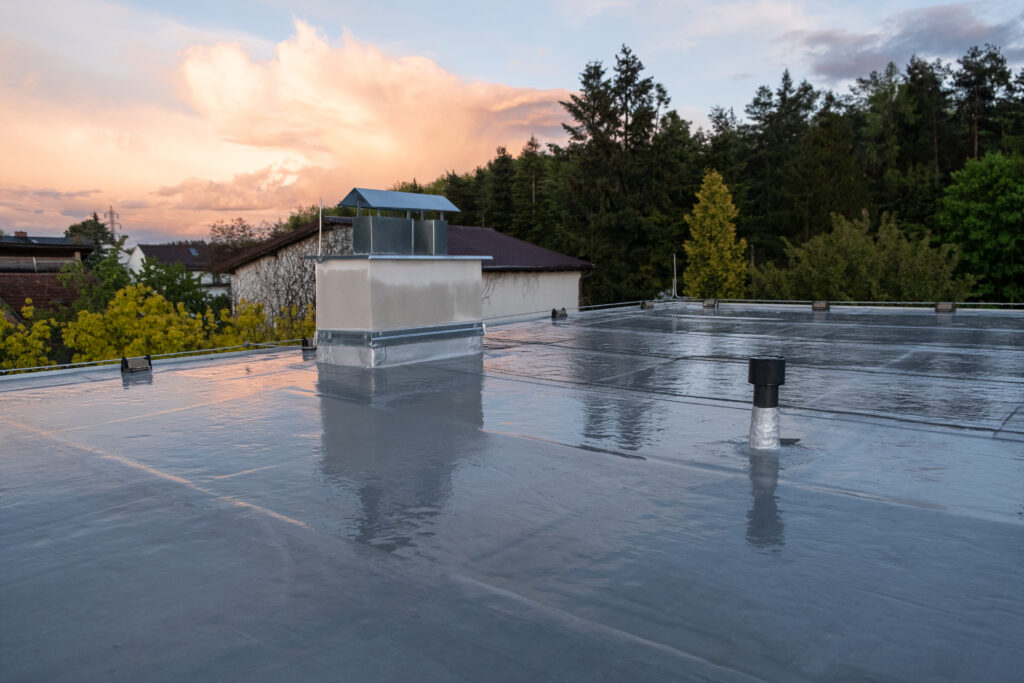
Commercial roof coatings have become one of the most cost-effective and sustainable ways to protect, restore, and extend the life of a building’s roofing system. Whether you manage a retail center, manufacturing facility, or multi-tenant office space in Mankato and surrounding areas, learning about commercial roof coatings can help you avoid unnecessary replacements and lower long-term maintenance costs. Many property owners are surprised at how quickly coatings can transform aging roofs into energy-efficient, watertight systems that perform for years. You can explore some of these advanced protective options within our roofing capabilities that support projects across Minnesota.
In this guide, you’ll learn:
- Why roof coatings are a smart investment for commercial properties
- The most common types of roof coatings and what makes each one unique
- How coatings are applied and maintained for best results
- How to determine if your building is a good candidate for coating restoration
Why Roof Coatings Are Worth Considering
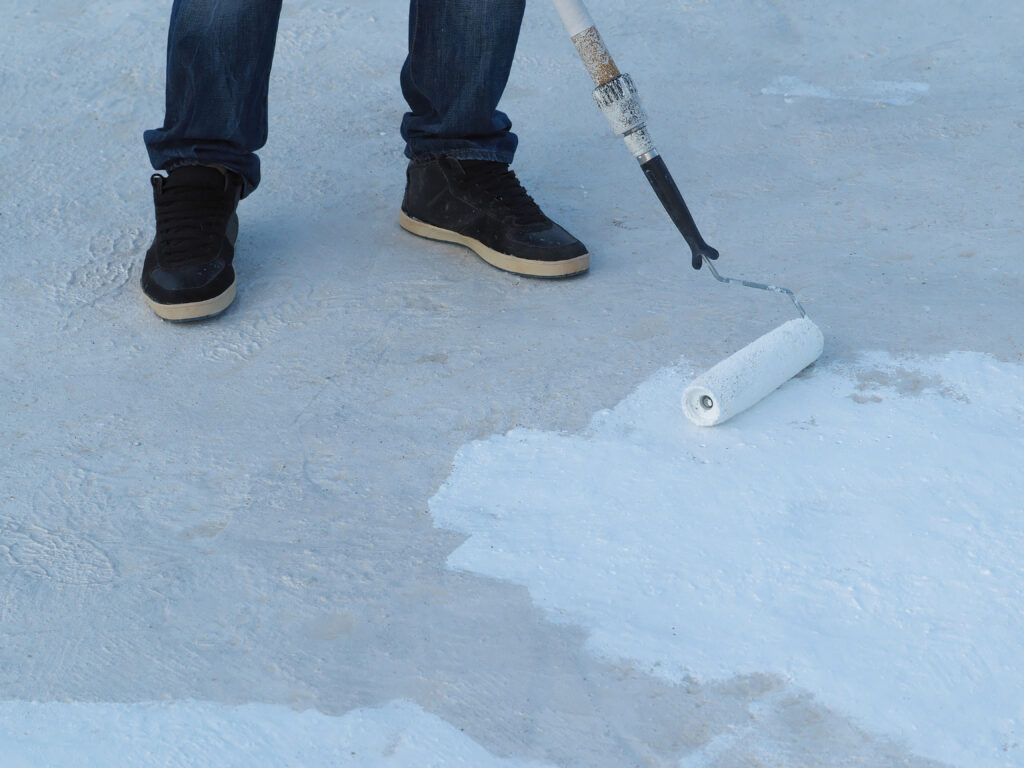
When commercial roofs start to age, many property owners assume replacement is the only solution. In reality, coatings can restore up to 80% of a roof’s original performance while adding energy-saving benefits. This process minimizes downtime, reduces waste, and strengthens your building envelope—all without the cost of a full tear-off.
Here are some of the top reasons property owners in Mankato and surrounding areas invest in coatings:
- Long-Term Protection: Coatings form a seamless, flexible membrane that shields your roof from leaks, ponding water, and thermal expansion.
- Energy Savings: Reflective coatings can reduce surface temperatures by up to 50 degrees, lowering indoor cooling loads during summer months.
- Lower Lifecycle Costs: Recoating every decade can extend a roof’s lifespan indefinitely, delaying expensive replacement projects.
- Sustainable Solution: Reducing landfill waste and reusing the existing roof structure aligns with green building standards.
- Improved Curb Appeal: Freshly coated roofs look clean and professional, supporting property value and visual consistency.
7 Common Types of Commercial Roof Coatings
Every roof has unique needs based on its material, slope, and exposure. Choosing the right coating ensures proper adhesion and performance. Below are the most widely used commercial roof coatings and how they differ.
1. Acrylic Roof Coatings
Acrylic coatings are water-based and known for their strong UV resistance and cost efficiency. They are ideal for metal or single-ply roofs exposed to high sunlight levels.
- Typically applied in multiple layers for durability
- Excellent reflectivity to reduce cooling costs
- Affordable and easy to maintain
2. Silicone Roof Coatings
Silicone coatings perform exceptionally well in regions with frequent rain or standing water. They maintain flexibility over time and resist weathering even under extreme conditions.
- Great for flat or low-slope roofs prone to ponding water
- Minimal maintenance required after installation
- Available in reflective finishes to enhance energy performance
3. Polyurethane Roof Coatings
Polyurethane coatings deliver superior impact resistance and strength, making them suitable for roofs that experience heavy foot traffic or mechanical equipment use.
- Two main types: aromatic (base layer) and aliphatic (topcoat)
- Excellent chemical resistance
- Highly durable in industrial or manufacturing environments
4. Asphalt-Based Roof Coatings
These coatings use a bituminous base combined with aluminum or other reflective elements. They work well on older built-up roofs and modified bitumen systems.
- Cost-effective for restoration projects
- Provides UV and water resistance
- Adds a bright, reflective surface for better efficiency
5. Butyl Rubber Coatings
Butyl coatings are solvent-based and deliver excellent vapor resistance, making them effective on metal and low-slope roofs.
- Resists cracking and blistering under thermal stress
- Long-lasting adhesion properties
- Can serve as a vapor barrier for certain assemblies
6. EPDM Liquid Coatings
EPDM coatings offer rubber-like flexibility and are often used for waterproofing aging single-ply membranes.
- Easy to apply by roller or spray
- Resistant to UV, ozone, and chemical exposure
- Extends the life of older EPDM systems effectively
7. Hybrid Roof Coatings
Hybrid systems combine different base materials (like silicone and acrylic) to balance cost, flexibility, and reflectivity.
- Customizable for specific roof conditions
- Provides multi-layered protection
- Great option for phased restoration or mixed-material roofs
How Roof Coatings Are Applied and Maintained
A successful coating installation requires detailed inspection and preparation to ensure long-term adhesion and protection. Property owners often underestimate how much proper preparation impacts performance.
Here’s what to expect from a professional coating process:
Step 1: Inspection and Assessment
A thorough inspection identifies leaks, seam separations, and substrate conditions. Technicians evaluate whether coating or replacement is more appropriate based on moisture readings and existing membrane quality.
Step 2: Cleaning and Surface Prep
All dirt, grease, and debris must be removed using pressure washing or specialized cleaning solutions. Any damaged flashing or penetrations are repaired before application begins.
- Proper surface preparation improves adhesion
- Repairs made before coating help prevent future leaks
Step 3: Primer Application
Some surfaces—particularly aged metal or weathered membranes—require a primer coat to promote bonding and improve coating coverage.
- Primers help prevent pinholes and bubbles
- Ensure even coating thickness
Step 4: Coating Application
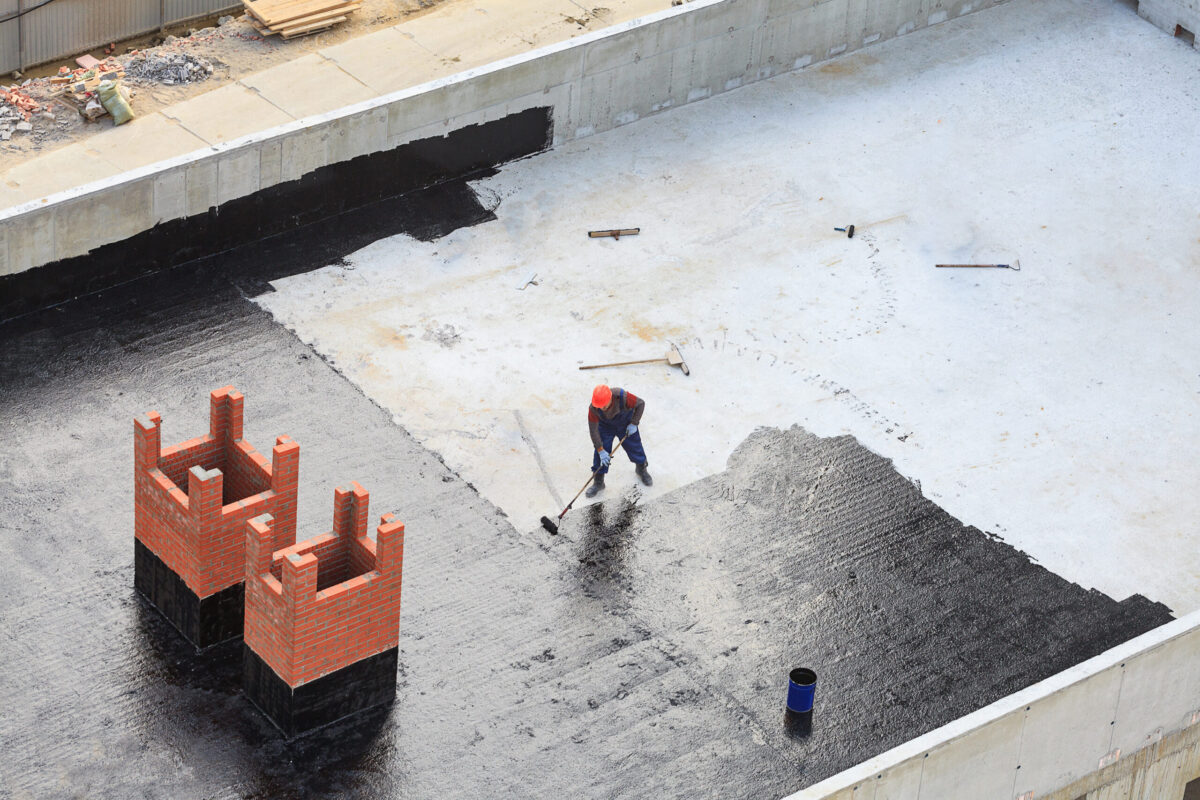
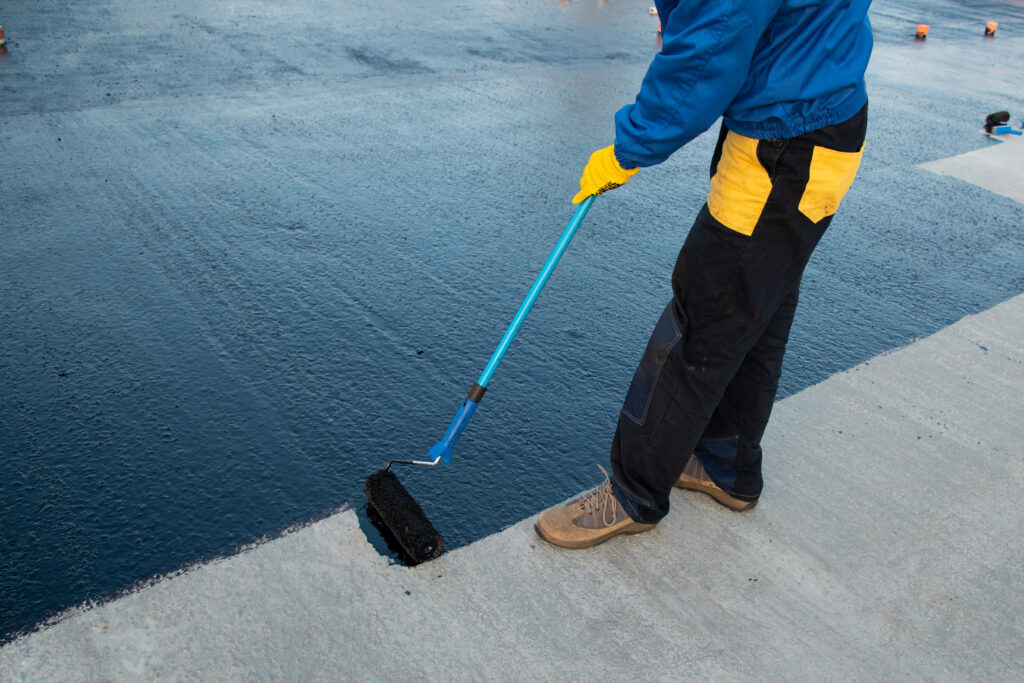
Roof coatings are typically applied using airless sprayers or rollers in multiple passes. Each layer must fully cure before adding the next.
- Uniform coverage ensures seamless protection
- Thickness depends on manufacturer requirements and roof type
Step 5: Inspection and Quality Control
After curing, a final inspection ensures consistent coverage, correct dry film thickness, and watertight seals. Many installers provide infrared or moisture scans for verification.
- Ensures warranty compliance
- Detects areas needing additional coverage
Step 6: Maintenance and Recoating
Once installed, coatings require minimal maintenance—typically annual inspections and cleaning. Recoating after 10–15 years can renew warranties and add another decade of protection.
- Quick reapplication compared to full replacement
- Keeps roof systems performing efficiently over time
How to Know If Your Building Is a Good Candidate
Not every roof qualifies for coating restoration. Structural integrity, moisture levels, and membrane condition all influence suitability. Here’s how to assess your roof’s potential.
Roof Age and Condition
If your roof is structurally sound but showing minor cracking, fading, or leaks, coating can restore function without major disruption. Severely deteriorated or saturated membranes may not qualify.
Climate and Exposure
In Mankato and surrounding areas, seasonal temperature swings can stress roof materials. Coatings that maintain flexibility through freeze-thaw cycles help reduce cracking and water intrusion.
Drainage and Ponding
Flat roofs with poor drainage benefit from silicone or polyurethane coatings that resist ponding water. Improved slope or drain installation may also be recommended before coating.
Budget and Sustainability Goals
Coatings are typically 30–50% less expensive than full replacement. They also contribute toward sustainability credits by reducing landfill waste and lowering energy use.
Warranty and Compliance
Many manufacturers offer 10-, 15-, or even 20-year warranties when coatings are applied by certified contractors and maintained according to guidelines.
Comparing Roof Coating vs. Replacement
| Feature | Roof Coating | Roof Replacement |
| Cost Range (per sq. ft.) | $2–$6 | $8–$15 |
| Disruption to Business | Minimal | High |
| Project Timeline | 1–3 days | 1–2 weeks |
| Waste Produced | Very little | Significant tear-off debris |
| Energy Efficiency Impact | High (reflective) | Depends on material |
| Expected Lifespan | 10–20 years (extendable) | 20–30 years |
| Sustainability | Eco-friendly | Moderate |
This comparison highlights why many property owners in Mankato and surrounding areas are turning to coatings as a first-line restoration method. It’s a faster, cleaner, and more affordable approach that still provides the durability and performance commercial buildings demand.
Key Considerations Before Starting a Coating Project
Before choosing a contractor or product, consider these essential factors to ensure long-term value.
- Moisture Testing: Core samples and infrared scans confirm the existing membrane is dry and suitable for coating.
- Manufacturer Compatibility: Some coatings are not compatible with certain membranes. Always verify adhesion.
- Warranty Details: Understand whether coverage applies to material only or both material and labor.
- Seasonal Timing: Ideal temperatures for application are typically between 50–90°F for proper curing.
- Maintenance Plan: Routine inspections help preserve warranty coverage and performance.
Experienced contractors can guide you through these details and provide data-driven recommendations tailored to your building.
Protect Your Building Investment with Puetz Construction
Your commercial roof is one of your property’s most valuable assets, and keeping it in peak condition requires proactive care. Roof coatings offer an effective way to restore performance, prevent leaks, and improve energy efficiency—without the cost and disruption of full replacement. Whether you own or manage facilities in Mankato and surrounding areas, our team has the experience to evaluate your roof and recommend the right coating system for your goals and budget.
To learn more about your options or schedule an evaluation, contact us today. Puetz Construction proudly delivers dependable, high-quality roofing solutions that protect what matters most—your building, your business, and your peace of mind.
Fresh From our Blog