7 Commercial Roof Maintenance Tips for Property Owners
Puetz Construction | 8 Minute Read
Your commercial roof is one of the most valuable assets protecting your business. From keeping employees and equipment safe to maintaining energy efficiency, a roof’s performance directly affects your bottom line. Yet, it’s often overlooked until a major problem appears. Regular commercial roof maintenance isn’t just about fixing leaks—it’s about protecting your investment, preventing downtime, and extending the lifespan of your building.
In regions like Owatonna and surrounding areas, where weather can shift from heavy snowfall to hot summer sun, the health of your commercial roof depends on proactive care. A well-maintained roof not only saves money but also keeps your business running smoothly without interruptions. To understand how professional upkeep safeguards your property, learn how our commercial roofing services provide long-term performance for buildings of every size and type.
In this guide, you’ll learn:
- Why consistent maintenance is critical for commercial roofs
- Key steps for keeping your roof in excellent condition
- Signs your roof needs immediate attention
- How proper maintenance saves money and supports warranty coverage
- Best practices for long-term protection and budgeting
Why Commercial Roof Maintenance Is Essential
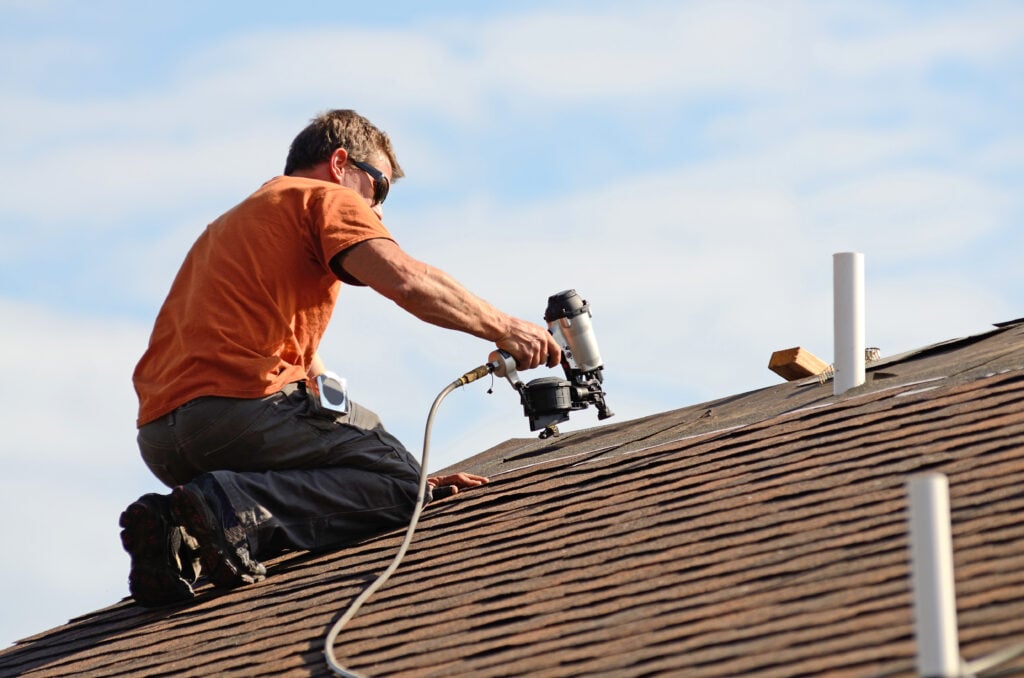
A commercial roof endures constant exposure to the elements—rain, snow, wind, UV rays, and debris. Over time, these factors take their toll. Without regular inspection and maintenance, small issues can quickly evolve into leaks, insulation damage, and even structural problems.
Here’s why routine maintenance is so important for property owners:
- Protects Your Investment: Roof systems represent a significant financial commitment. Consistent care helps maximize their lifespan and performance.
- Prevents Costly Repairs: Early detection of cracks, ponding water, or membrane wear allows for affordable fixes before major repairs are needed.
- Reduces Energy Costs: Clean, well-sealed roofs improve insulation and temperature regulation, lowering monthly heating and cooling bills.
- Supports Warranty Requirements: Many manufacturers require proof of maintenance to honor warranty claims. Skipping inspections can void coverage.
- Ensures Business Continuity: Preventing leaks and water damage helps avoid disruptions, keeping your operations running safely and efficiently.
7 Commercial Roof Maintenance Tips Every Property Owner Should Know
The best way to maintain your roof is through a combination of preventive inspections and routine care. Below are seven essential steps that can help protect your commercial building year-round.
1. Schedule Regular Professional Inspections
Roof inspections should be performed at least twice a year—ideally in the spring and fall—and after severe weather events. Professionals know how to identify damage that may not be visible from the ground.
During an inspection, roofers check:
- Membrane integrity and seams
- Flashing around vents and skylights
- Drainage systems for clogs or debris buildup
- Signs of ponding water or sagging sections
- Roof edges and parapets for cracking or separation
Early detection helps extend your roof’s lifespan and prevent emergencies.
2. Keep Gutters and Drains Clear
Clogged drains are one of the most common causes of leaks and water pooling on flat or low-slope roofs. Standing water adds weight and accelerates material breakdown.
Maintenance steps:
- Remove leaves, branches, and debris regularly
- Inspect scuppers and downspouts for blockages
- Confirm water flows freely during rainstorms
A clean drainage system ensures water moves off the roof quickly, reducing the risk of leaks or ice buildup in winter.
3. Address Ponding Water Promptly
Flat commercial roofs are particularly prone to ponding water—standing water that doesn’t drain within 48 hours. Left untreated, it can weaken materials, promote algae growth, and lead to roof collapse.
Common causes:
- Blocked drains
- Insufficient slope
- Compressed insulation
Solutions:
- Install tapered insulation or additional drains
- Reseal seams and low spots
- Schedule annual slope evaluations for aging roofs
4. Inspect Roof Flashing and Seals
Flashing and sealants around vents, HVAC units, and skylights are prime areas for leaks. Over time, exposure to UV rays and temperature changes can cause them to dry out or crack.
Action items:
- Check flashing seams for gaps or corrosion
- Reseal worn areas with weather-resistant materials
- Replace old sealant with manufacturer-approved products
Flashing repairs are typically quick and inexpensive when caught early but can become costly if ignored.
5. Keep the Roof Surface Clean
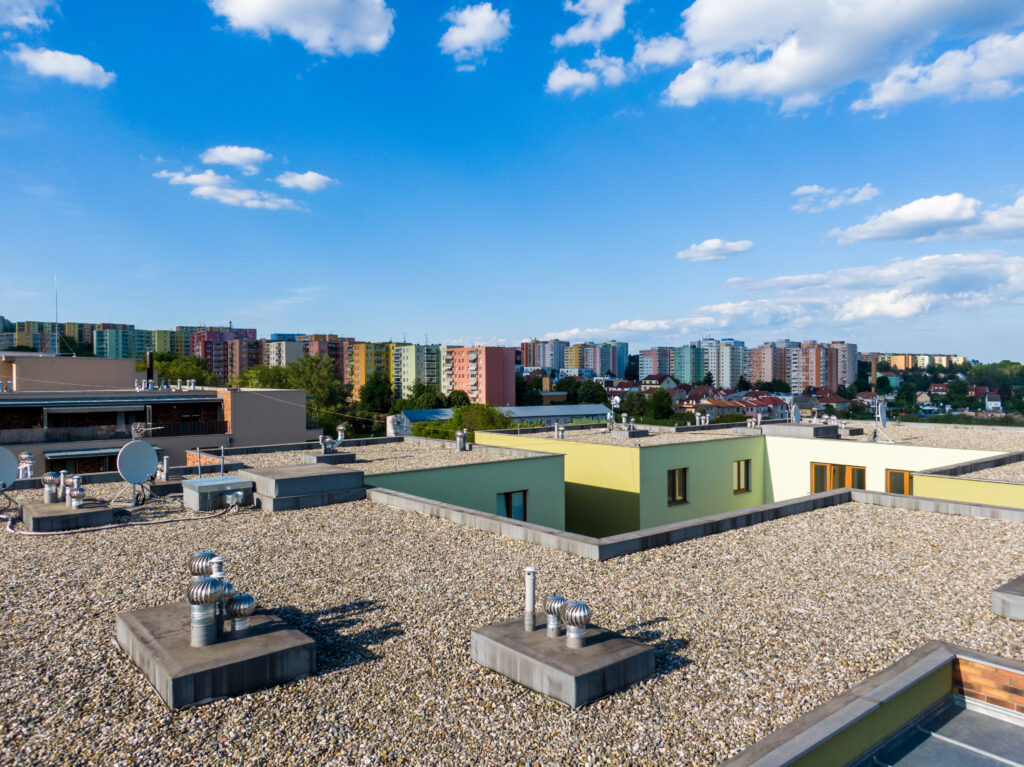
A cluttered roof doesn’t just look unprofessional—it can cause significant damage. Dirt, debris, and organic growth retain moisture, leading to premature material deterioration.
Cleaning checklist:
- Sweep debris after storms
- Remove moss or algae with roof-safe cleaning agents
- Clear off unnecessary equipment or tools left behind by contractors
A clean surface also makes future inspections more effective by ensuring damage is visible.
6. Inspect After Every Major Weather Event
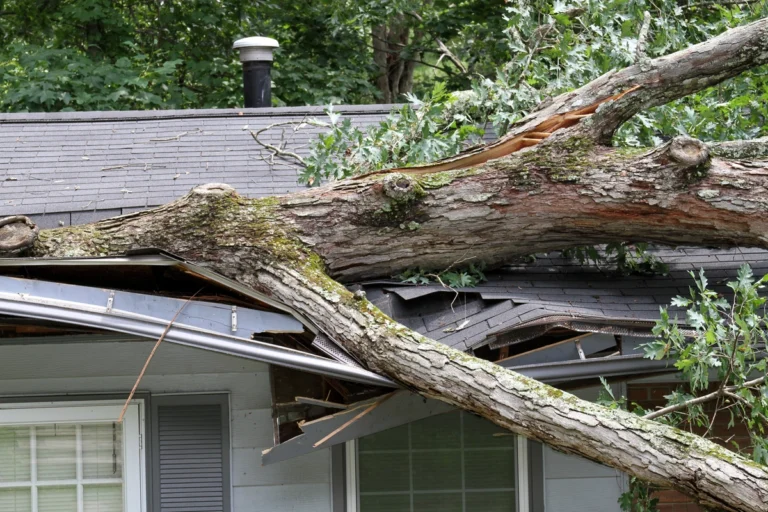
Storms can cause hidden damage, especially in Minnesota’s unpredictable climate. High winds can loosen flashing or lift membrane edges, while hail can puncture roofing materials.
After each event:
- Look for displaced gravel, cracks, or punctures
- Check for loose fasteners and missing sealant
- Schedule a post-storm inspection for documentation and repair estimates
Prompt inspection and documentation protect both your roof and your insurance claims.
7. Create a Preventive Maintenance Plan
A long-term maintenance plan ensures your roof stays protected throughout its entire service life. Work with your contractor to set inspection dates, track repairs, and establish an ongoing care schedule.
A strong maintenance plan includes:
- Biannual inspections
- Detailed repair logs and photographs
- Warranty and service record tracking
- Annual budgeting for maintenance expenses
When you plan ahead, you minimize surprises and can better forecast replacement or restoration needs.
Common Signs Your Commercial Roof Needs Attention
Even with regular care, your roof will occasionally show signs of wear that should never be ignored. Recognizing these warning signals can help prevent major damage.
Watch for these key signs:
- Interior Leaks: Stains or moisture on ceilings often signal flashing or membrane issues.
- Bubbling or Blistering: Indicates trapped moisture beneath the surface.
- Visible Cracks or Splits: Suggests UV damage or thermal expansion stress.
- Ponding Water: Standing water that doesn’t drain properly is an early warning sign of slope or drainage problems.
- Rising Energy Costs: May indicate insulation or ventilation issues caused by roof deterioration.
If you notice any of these problems, contact a professional immediately to evaluate the damage and recommend next steps.
How Regular Maintenance Saves You Money
Many property owners delay maintenance in hopes of saving money—but neglect often leads to higher costs in the long run. Proactive upkeep is far more affordable than emergency repairs or full roof replacements.
Reduced Repair Costs
Minor repairs, such as resealing seams or clearing drains, are relatively inexpensive compared to fixing widespread leaks or structural rot. Routine inspections keep costs low by catching issues early.
Extended Roof Lifespan
A well-maintained commercial roof can last 20–30 years or more, depending on material type. Regular upkeep delays the need for replacement, helping you get maximum return on your investment.
Lower Energy Bills
When your roof is sealed and insulated properly, your building’s heating and cooling systems don’t have to work as hard. Preventive maintenance reduces drafts, energy loss, and monthly utility costs.
Warranty Protection
Most roofing warranties require documented inspections and maintenance to stay valid. Having written records of service ensures you maintain eligibility for manufacturer coverage if damage occurs.
Best Practices for Long-Term Roof Management
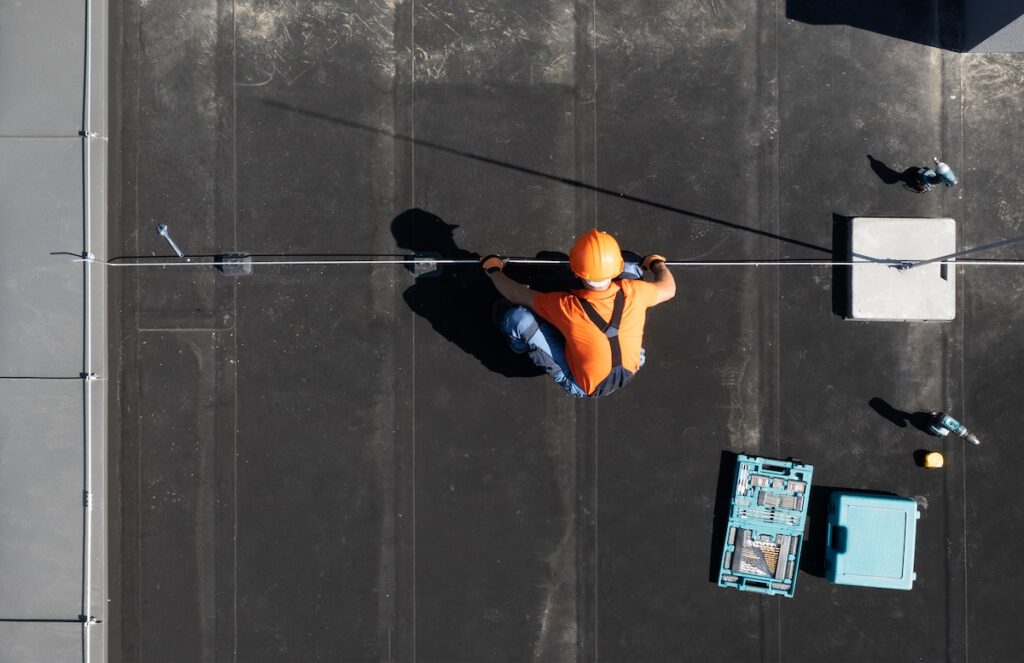
To keep your roof performing efficiently, it’s essential to establish a long-term maintenance strategy that fits your building’s needs and local conditions.
Follow these best practices:
- Schedule inspections twice per year—more if your roof is older or heavily used
- Keep a detailed maintenance log with photos and invoices
- Remove debris from the roof after storms or nearby construction
- Train maintenance staff on proper roof access and load limits
- Partner with a reputable contractor who specializes in commercial systems
A consistent, organized approach helps ensure your roof remains safe and compliant with warranty and insurance requirements.
Partner with Professionals Who Understand Commercial Roofing
Your roof is one of the most important structural components of your business property, and taking care of it should never be an afterthought. Consistent maintenance prevents leaks, lowers energy bills, and protects your investment from weather-related damage. Whether you manage a small office building or a large industrial facility, working with experienced professionals ensures your roof continues to perform at its best.
At Puetz Construction, we specialize in comprehensive commercial roof maintenance and repairs for property owners across Owatonna and surrounding areas. Our skilled team provides detailed inspections, transparent reporting, and proactive solutions that extend the life of your roofing system.
If it’s been more than six months since your last inspection—or if you’re seeing signs of damage—don’t wait until it becomes an emergency. Schedule a maintenance visit and secure your building’s protection today. For expert advice and dependable service, contact us today to partner with Puetz Construction for all your commercial roofing needs.
Fresh From our Blog