
Average Commercial Roof Replacement Cost Explained (2026)
Written By: Justin Puetz | April 22, 2026 | 9 Minute Read

When it comes to protecting your investment, few decisions carry more financial weight than replacing a commercial roof. Understanding commercial roof replacement cost before you start getting bids can mean the difference between a smart investment and a costly surprise. Whether you manage a retail strip, a warehouse, or a multi-unit building in Mankato and surrounding areas, knowing what drives pricing helps you budget wisely and choose the right contractor. This overview walks you through everything you need to make a confident, informed decision — starting with what the process actually involves.
In this guide, you’ll learn:
- What factors have the biggest impact on commercial roofing costs
- How different roofing materials compare in price and performance
- What hidden costs catch property owners off guard
- How to evaluate bids and avoid overpaying
- When repair is enough versus when full replacement makes more sense
Why Commercial Roof Replacement Is One of the Smartest Investments You Can Make
A commercial roof is not just a line item on a maintenance budget. It is the first layer of defense for everything beneath it: equipment, inventory, employees, and the structure itself. Delaying replacement when it is genuinely needed creates a cascading set of problems that almost always costs more in the long run.
Understanding the financial case for timely replacement helps owners stop seeing it as a burden and start seeing it as leverage.
- Protects property value: A failing roof depresses your building’s appraisal, complicates refinancing, and can stall sales if you ever decide to sell or lease.
- Reduces ongoing repair costs: Once a roof begins deteriorating in multiple areas, emergency patches become a recurring expense. A full replacement eliminates that cycle.
- Improves energy efficiency: Modern commercial roofing materials, especially reflective membranes and improved insulation, can significantly cut heating and cooling costs year-round.
- Avoids interior damage liability: Water intrusion leads to mold, damaged inventory, compromised structural components, and potential liability if employees or customers are affected.
- Satisfies insurance and lender requirements: Many commercial insurers and lenders require roofs to be in acceptable condition. A documented replacement can unlock better coverage rates and financing terms.
Once you understand why timely replacement matters, the next step is knowing what actually drives the price of your project. The five factors below account for the majority of cost variation you will see from one bid to the next.
5 Key Factors That Determine Your Commercial Roof Replacement Cost
Cost estimates for commercial roofing vary widely, and for good reason. A 5,000-square-foot restaurant roof and a 50,000-square-foot distribution center are entirely different projects. Here are the five factors that consistently have the greatest influence on what you will pay.
1. Roof Size and Complexity
The most obvious cost driver is square footage. Commercial roofing is typically priced per square (100 square feet), so a larger footprint means a higher total. But size alone does not tell the whole story. Roofs with multiple levels, skylights, HVAC penetrations, drainage systems, parapets, or unusual slopes require significantly more labor and materials.
- Flat or low-slope roofs are generally less expensive per square than steep-slope systems
- Each penetration (vent, pipe, curb mount) requires custom flashing and adds to labor time
- Roofs with complex drainage systems require more precision work and materials
2. Roofing Material Selected
Material choice is one of the most significant variables in total project cost. Different systems carry different price points, lifespans, and maintenance requirements.
- TPO (Thermoplastic Polyolefin): One of the most popular commercial membranes, typically ranging from $5 to $10 per square foot installed. Lightweight, reflective, and weld-seamed for durability.
- EPDM (Ethylene Propylene Diene Monomer): A rubber-based membrane known for longevity. Often falls in the $4 to $8 per square foot range installed.
- PVC Membrane: Strong chemical resistance and fire ratings make it ideal for restaurants or industrial settings. Expect $6 to $12 per square foot installed.
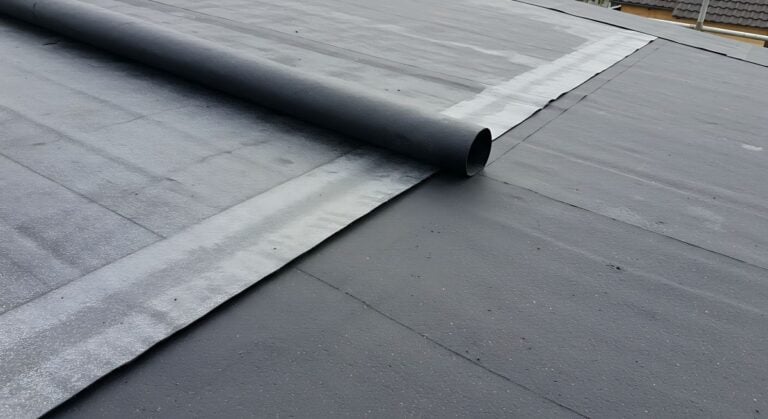
- Modified Bitumen: A multi-layer asphalt system often used on flat or low-slope roofs. Pricing generally lands between $4 and $8 per square foot installed.
- Metal Roofing: Higher upfront investment ranging from $10 to $25 or more per square foot, but exceptional lifespan often exceeding 40 years.
3. Tear-Off and Disposal Requirements
Most municipalities require commercial roofers to remove existing roofing layers before installing a new system. In some cases, multiple layers of old material have accumulated over decades. Tear-off labor and disposal fees can add $1 to $3 per square foot or more to your total, depending on the number of layers and the weight of the material being removed.
- Projects with two or more existing membrane layers cost more to tear off
- Heavier materials like built-up roofing (BUR) take longer to remove
- Disposal fees vary by region and material type, so always confirm these are itemized in your bid
4. Insulation and Deck Condition
Once old roofing material is removed, the deck beneath is inspected. If moisture has penetrated over the years, sections of decking may need replacement before the new system goes down. Damaged or wet insulation must also be replaced.
- Deck repairs typically run $3 to $7 per square foot for affected areas
- Upgrading insulation R-values adds cost upfront but pays back through energy savings
- Skipping proper insulation replacement to save money can void a new roofing warranty
5. Contractor Experience and Location
Labor rates vary by region, and the experience level of the crew you hire matters. In Mankato and surrounding areas, working with a contractor who has a documented track record with commercial systems means fewer callbacks, better warranty terms, and a finished product that performs as promised.
- Local contractors familiar with regional weather patterns (freeze-thaw cycles, wind loads, snowfall) make better material recommendations
- Certified contractors from manufacturer programs can offer extended warranties not available through uncertified installers
- Always verify licensing, insurance, and references before signing any contract
With these cost drivers in mind, it helps to see how they translate into real numbers across the most common commercial roofing systems. The ranges below give you a practical starting point before you begin gathering formal estimates.
What to Expect: Typical Cost Ranges by Roof Type
General cost benchmarks help property owners calibrate expectations before requesting formal bids. These figures reflect installed costs including materials, labor, basic tear-off, and standard insulation. Regional pricing and project-specific conditions will affect your actual numbers.
| Roof Type | Configuration / Size | Cost Range (Installed) | Notes |
| Flat / Low-Slope | Small (under 5,000 sq ft) | $20,000 to $50,000 | Most common commercial configuration |
| Flat / Low-Slope | Mid-size (5,000 to 20,000 sq ft) | $50,000 to $150,000 | Economies of scale begin to apply |
| Flat / Low-Slope | Large / Industrial (20,000+ sq ft) | $150,000 and up | Lower cost per square foot at scale |
| Metal: Standing Seam | All sizes | $14 to $25 per sq ft | Best for long-term holds; 40+ year lifespan |
| Metal: Corrugated Panel | All sizes | $10 to $16 per sq ft | Popular for warehouses and ag facilities |
| Built-Up Roofing (BUR) | All sizes | $5 to $10 per sq ft | Strong impact resistance; handles foot traffic |
| Modified Bitumen | All sizes | $4 to $8 per sq ft | Multi-layer system; professional installation critical |
In Mankato and surrounding areas, metal roofing remains a popular long-term choice for agricultural facilities, commercial warehouses, and institutional buildings, while membrane systems like TPO and modified bitumen dominate smaller commercial footprints.
Hidden Costs Property Owners Frequently Miss
Even experienced property managers are sometimes caught off guard by line items that do not show up in the initial estimate. Being aware of these costs before you sign helps you compare bids more accurately and budget without surprises.
- Permit fees: Most commercial roofing projects require a building permit, which varies by jurisdiction and project size. Budget $500 to $3,000 depending on your location and local requirements.
- HVAC unit relocation or protection: If rooftop HVAC units need to be temporarily lifted or moved during tear-off, mechanical contractors may need to be involved. This coordination adds to both timeline and cost.
- Drainage upgrades: Older buildings sometimes have undersized or clogged drain systems that need to be brought up to code during a re-roof. New drains, scuppers, or overflow protection can add several thousand dollars to a project.
- Warranty enrollment fees: Some manufacturers charge an enrollment or inspection fee to register an extended warranty on a new roof system. These typically run $500 to $2,000 but are worth it for the coverage they provide.
- Temporary protection during construction: For occupied buildings, weather-tight protection during a multi-phase project may require temporary materials or phased scheduling, which affects labor cost and timeline.
Working with a contractor who is upfront about all of these factors from the beginning is a strong signal of professionalism. Vague bids that omit these categories often lead to change orders mid-project. Property owners in Mankato and surrounding areas benefit from working with local contractors who know the permitting landscape and can give accurate cost estimates from the start.
Repair vs. Replacement: How to Make the Right Call
Not every commercial roofing problem justifies a full replacement. In some cases, targeted repairs extend a roof’s life by several years at a fraction of the cost. In others, repairs are a short-term fix that delays an inevitable and ultimately more expensive replacement.
Signs That Repair Is Likely Sufficient
- Isolated leak or damage in one section with no evidence of widespread membrane failure
- Roof is less than 10 to 15 years old and otherwise performing well
- Core sample or infrared scan shows moisture content is limited to a small percentage of the roof area
- Existing insulation and deck are dry and structurally sound
Signs That Replacement Is the Better Investment
- Multiple leaks appearing in different areas across the roof surface
- Blistering, ridging, or membrane shrinkage visible across large sections
- Standing water that has not resolved after proper drainage inspection
- Roof age is approaching or exceeding the manufacturer’s rated lifespan
- Energy bills have increased noticeably without another explanation
- Insurance company or lender has flagged the roof condition during an inspection
A qualified commercial roofing contractor should be willing to give you an honest assessment of whether repair or replacement is the right call, even when replacement is the more profitable option for them. If you are in Mankato and surrounding areas and unsure which direction to go, getting an independent inspection before committing to a full replacement is always a reasonable step.
Make the Right Choice for Your Building
A commercial roof replacement is a significant investment, but it is also one of the most impactful decisions you can make for the long-term health and value of your property. Puetz Construction brings regional expertise and hands-on craftsmanship to every commercial project, and our team is ready to walk you through your options, help you understand what is driving your costs, and make sure you get a finished roof that performs for decades. If you are ready to move forward, contact us today and we will put together a clear, honest assessment for your building and your budget.
Fresh From our Blog