7 Commercial Roof Types: Which Is Right for Your Building?
Puetz Construction | 8 Minute Read
The roof is one of the most critical investments for any commercial property. It protects your assets, employees, and operations from the elements while influencing long-term energy costs and maintenance needs. Yet with so many commercial roof types available today, choosing the right one can be overwhelming. Each system offers unique strengths, costs, and performance benefits that directly affect your building’s value and efficiency.
If you’re exploring roofing options or planning a replacement, you can learn more about installation and maintenance solutions on our commercial roofing page.
In this guide, you’ll discover:
- The most common types of commercial roofing systems
- How each material performs under different conditions
- Cost, lifespan, and maintenance comparisons
- Tips for choosing the best system for your business and climate
Why Choosing the Right Commercial Roof Matters
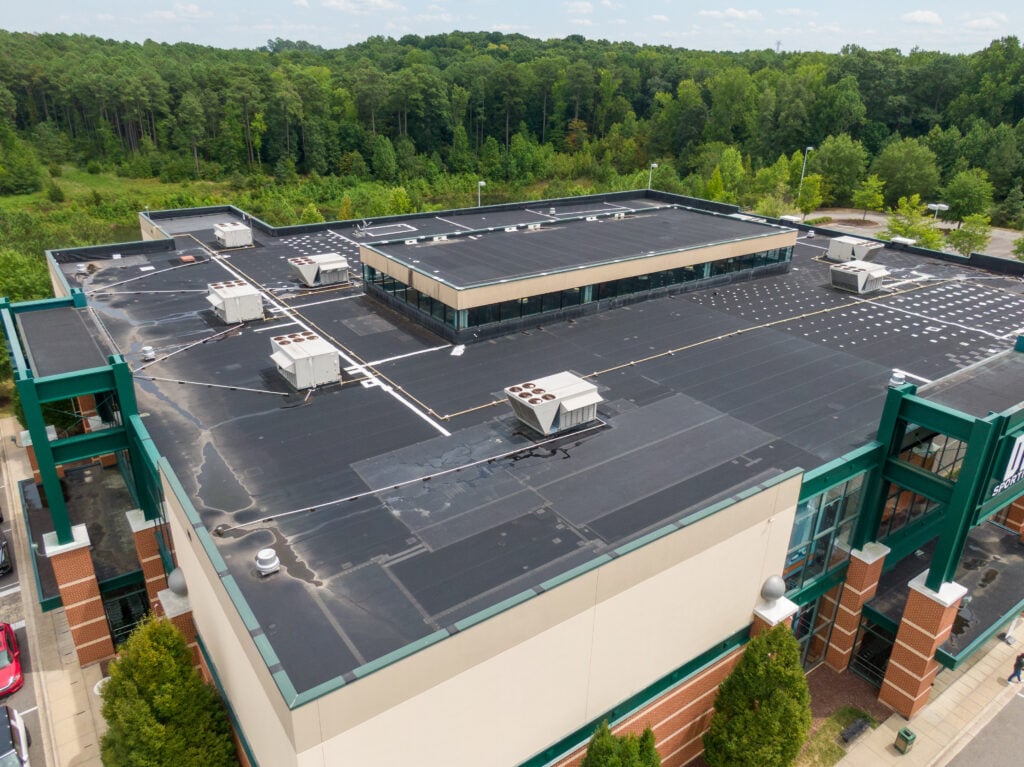
Your roof does more than keep the rain out — it contributes to energy efficiency, structural integrity, and even tenant satisfaction. For property owners in Rochester and surrounding areas, where seasonal weather brings snow, rain, and heat, the right roofing system makes all the difference in performance and longevity.
Here’s why this decision matters:
- Energy Savings: A reflective or insulated roof can significantly reduce heating and cooling costs.
- Durability: Each system has its own resistance to moisture, UV rays, and temperature extremes.
- Maintenance Needs: Choosing a material suited to your building’s use can reduce long-term maintenance expenses.
- Aesthetics and Branding: The right roof enhances your building’s appearance and reputation with clients or tenants.
- Return on Investment: A well-selected, properly installed roof can last decades with minimal issues, saving your business money in the long run.
7 Main Commercial Roof Types
From flat membranes to metal panels, each commercial roofing system has distinct advantages and applications. Below are the primary types used across Minnesota’s commercial buildings — and what makes each one worth considering.
1. TPO Roofing (Thermoplastic Polyolefin)
TPO has become one of the most popular single-ply roofing options in the U.S. Known for its bright white, reflective surface, TPO provides excellent energy efficiency and weather protection.
Key Features:
- Reflects sunlight to reduce cooling costs
- Welded seams create a watertight seal
- Resistant to UV rays, mold, and punctures
Lifespan: 20–30 years
Best For: Warehouses, retail centers, and buildings seeking energy efficiency and modern appearance.
Maintenance Tip: Schedule biannual inspections to ensure seams remain properly sealed and drainage systems are clear.
2. EPDM Roofing (Ethylene Propylene Diene Monomer)
EPDM, commonly called “rubber roofing,” has been a trusted commercial solution for decades. It’s flexible, durable, and especially effective in cold-weather regions like Rochester and surrounding areas.
Key Features:
- Excellent weather and UV resistance
- Black membrane absorbs heat, ideal for cold climates
- Simple installation with adhesive or mechanical fasteners
Lifespan: 25–35 years
Best For: Large flat or low-slope buildings that need reliable, cost-effective performance.
Maintenance Tip: Inspect seams annually and clean debris to prevent water pooling or damage.
3. PVC Roofing (Polyvinyl Chloride)
PVC roofing combines strength, energy efficiency, and chemical resistance — making it ideal for restaurants, manufacturing plants, and other facilities exposed to oils or industrial byproducts.
Key Features:
- Superior chemical and fire resistance
- Heat-welded seams ensure watertight durability
- Reflective white surface helps lower cooling costs
Lifespan: 25–30 years
Best For: Industrial and food-service buildings requiring chemical protection and easy maintenance.
Maintenance Tip: Keep drains clean and inspect welds regularly for signs of stress in high-temperature areas.
4. Built-Up Roofing (BUR)
Often referred to as “tar and gravel,” built-up roofing has been used for over a century. It consists of multiple layers of bitumen (asphalt) and reinforcing fabric topped with gravel or a reflective coating.
Key Features:
- Multiple layers provide strong waterproofing
- Excellent resistance to UV rays and heavy foot traffic
- Proven long-term performance
Lifespan: 20–30 years
Best For: Buildings with heavy rooftop equipment or frequent maintenance traffic.
Maintenance Tip: Reapply protective coatings as needed to maintain UV protection and prevent cracking.
5. Modified Bitumen Roofing
Modified bitumen improves upon traditional BUR by using polymers to enhance flexibility and strength. It can be installed with hot asphalt, cold adhesive, or torch-down methods.
Key Features:
- Durable and puncture-resistant surface
- Handles temperature fluctuations well
- Available in smooth or granulated finishes
Lifespan: 20–25 years
Best For: Commercial buildings exposed to freeze-thaw cycles and rooftop activity.
Maintenance Tip: Monitor seams and flashing around HVAC units and skylights to ensure watertight seals.
6. Metal Roofing
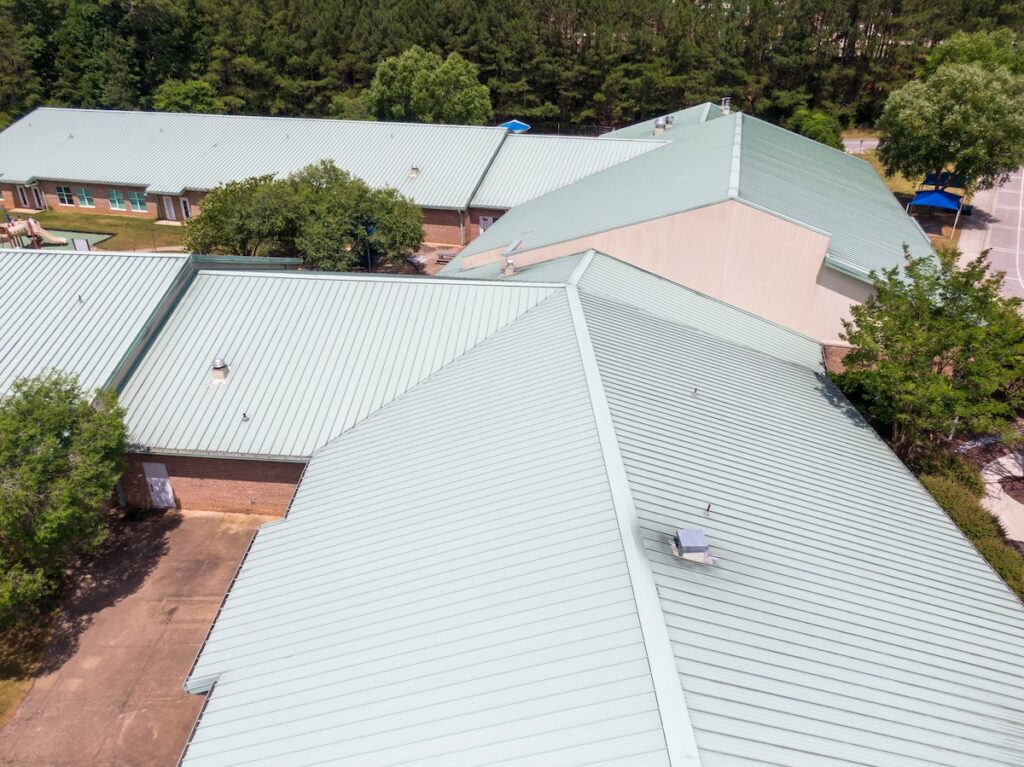
Metal is one of the most durable and sustainable roofing systems available. It’s ideal for both low- and steep-slope structures and offers exceptional longevity with minimal maintenance.
Key Features:
- Lifespan of 40–70 years
- Fire-resistant and fully recyclable
- Available in standing seam or corrugated panel designs
Lifespan: 40–70 years
Best For: Commercial properties seeking long-term performance and modern design appeal.
Maintenance Tip: Inspect fasteners and sealants annually, especially after severe weather events.
7. Green and Cool Roof Systems
Eco-conscious property owners are increasingly choosing energy-efficient options like vegetative “green” roofs and cool roofing membranes. These systems enhance sustainability while lowering operational costs.
Key Features:
- Reflective or living surfaces reduce heat absorption
- Improved insulation and stormwater management
- May qualify for energy rebates or LEED credits
Lifespan: 25–40 years (depending on design)
Best For: Modern commercial buildings focused on sustainability and environmental impact.
Maintenance Tip: Ensure consistent irrigation and drainage for vegetative systems, and recoat cool roofs as needed for reflectivity.
Enhancing Roof Performance with the Right Add-Ons
Beyond the primary roofing material, additional design features can improve your roof’s longevity, efficiency, and safety.
Insulation Systems
Adding proper insulation beneath your roof helps regulate indoor temperatures and reduce energy costs. Common types include:
- Polyisocyanurate (ISO): High R-value and moisture resistance.
- EPS (Expanded Polystyrene): Cost-effective with good compressive strength.
- XPS (Extruded Polystyrene): Ideal for buildings requiring high durability.
Drainage Solutions
Flat and low-slope roofs must manage water efficiently to prevent leaks or pooling. Consider adding:
- Internal drains with strainers
- Scuppers and downspouts
- Sloped insulation for improved runoff
Reflective Coatings
UV-reflective coatings can extend roof life, reduce heat absorption, and lower cooling costs — especially beneficial for buildings with high sun exposure.
Walk Pads and Safety Rails
Protect membrane roofs from punctures and meet safety regulations by installing walk pads and rails in high-traffic areas.
Comparing Commercial Roofing Systems
Below is a quick reference table summarizing performance factors across major commercial roof types:
| Roofing Type | Lifespan | Maintenance | Energy Efficiency | Cost (per sq. ft.) | Best Use Case |
| TPO | 20–30 yrs | Low | Excellent | $6–$10 | Modern commercial buildings |
| EPDM | 25–35 yrs | Low | Moderate | $5–$9 | Cold climates and large roofs |
| PVC | 25–30 yrs | Low | Excellent | $8–$12 | Chemical-heavy industries |
| BUR | 20–30 yrs | Moderate | Good | $7–$10 | High-traffic roofs |
| Modified Bitumen | 20–25 yrs | Moderate | Good | $6–$9 | Mixed-use properties |
| Metal | 40–70 yrs | Low | Excellent | $10–$16 | Long-term commercial use |
| Green/Cool Roof | 25–40 yrs | Moderate | Exceptional | $12–$25 | Sustainable buildings |
Estimates include materials and installation, with prices varying by building size and conditions in Rochester and surrounding areas.
Factors to Consider When Choosing a Commercial Roof

Every property has unique requirements based on design, climate, and budget. Keep these factors in mind when selecting your roofing system.
Building Design and Structure
Flat, low-slope, or steep-slope roofs require specific materials. For example, single-ply systems like TPO or EPDM suit flat roofs, while metal works best on steep designs.
Climate and Weather Conditions
Minnesota’s freeze-thaw cycles, snowfall, and heat fluctuations demand materials that can expand and contract without cracking. EPDM and modified bitumen are top performers in such climates.
Energy Efficiency Goals
If lowering cooling costs or achieving LEED certification is a goal, consider reflective systems like TPO, PVC, or cool roofs.
Budget and Maintenance Expectations
Balance upfront costs with long-term savings. A more durable material may have a higher initial investment but require less maintenance and fewer repairs.
Installation Expertise
Proper installation is critical to performance. Always choose certified commercial roofers experienced in the system you select — from single-ply membranes to metal panels.
Long-Term Care for Commercial Roofs
Even the best roofing system requires regular attention to maximize performance.
Routine Inspections: Conduct inspections at least twice a year — in spring and fall — and after major storms.
Cleaning and Debris Removal: Keep gutters and drains clear to prevent standing water.
Seal Maintenance: Reapply coatings or sealants as needed to maintain waterproofing.
Professional Assessments: Partner with experienced roofers who can identify early signs of damage and perform preventative maintenance.
Protect Your Investment with the Right Roofing Partner
Choosing the right commercial roofing system is a major decision that affects your building’s durability, efficiency, and operating costs for decades. Whether you’re managing a warehouse, retail center, or industrial facility in Rochester and surrounding areas, the right solution will depend on your climate, budget, and long-term goals.
If you’re ready to explore the best roofing materials and designs for your property, contact us today to schedule a professional inspection and consultation. Our team will help you compare commercial roof types and choose a system that delivers reliable protection and measurable value for years to come.
Fresh From our Blog