What Causes Curling Shingles on a Roof? Common Factors Explained
Puetz Construction | 7 Minute Read
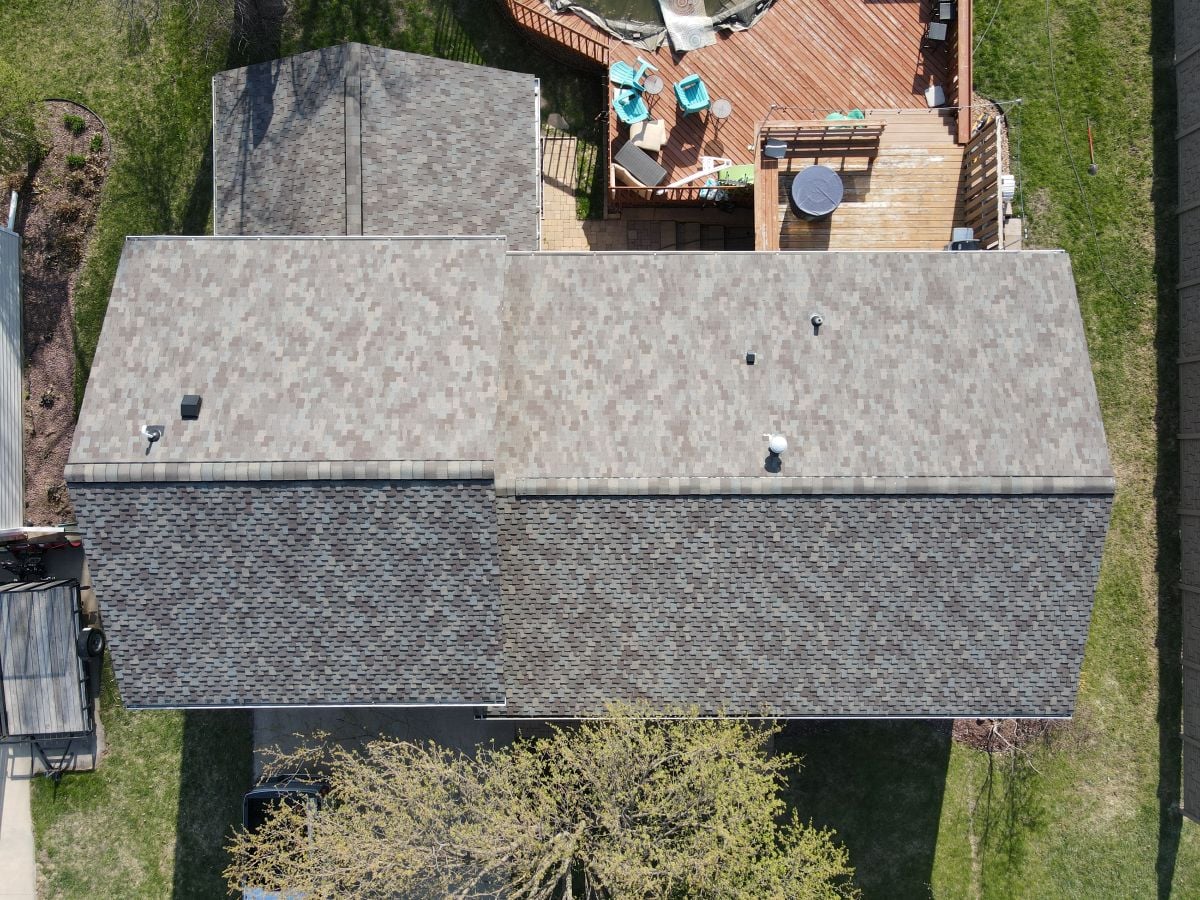
If you have noticed curling shingles on your roof, it is more than just a cosmetic issue. Shingles that lift, cup, or warp can expose your home to moisture, wind damage, and long term structural problems. In areas like Austin and surrounding areas, where roofs endure harsh winters, strong sun, and seasonal storms, curling shingles often signal underlying concerns that should not be ignored.
In this guide, you will learn:
- Why curling shingles are a serious roofing warning sign
- The most common causes behind shingle curling
- How climate and ventilation affect roof performance
- When repairs are possible and when replacement is necessary
- What steps homeowners can take to prevent future issues
Why Curling Shingles Should Never Be Ignored
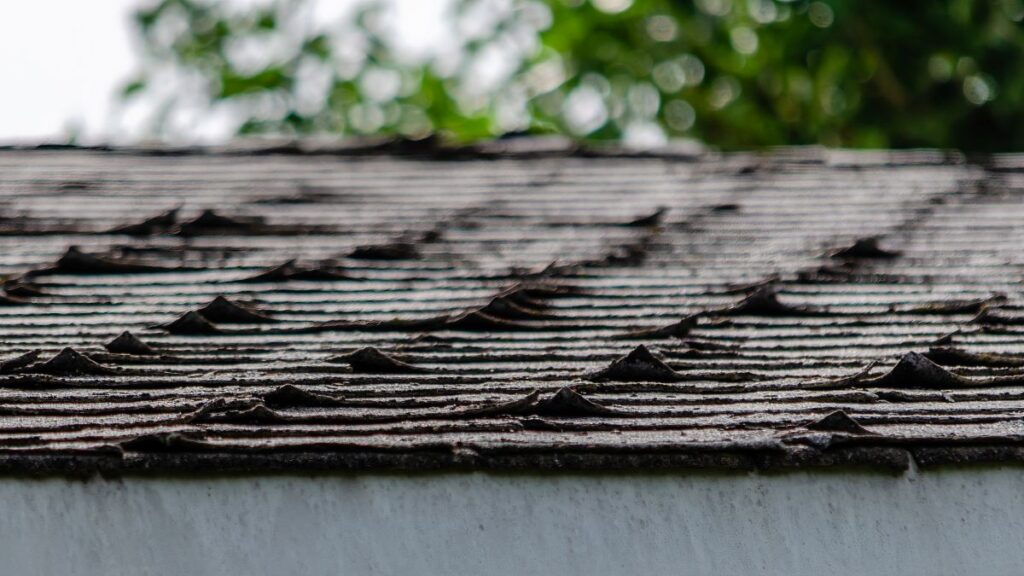
At first glance, a few curled edges may not seem urgent. However, shingles are designed to lie flat and create a tight barrier against water intrusion. When they begin to curl, that protective barrier weakens.
In Austin and surrounding areas, fluctuating temperatures and moisture exposure can accelerate shingle deterioration. Once curling starts, it tends to spread, increasing the risk of leaks and interior damage.
Here is why this issue matters:
- Water Intrusion Risk: Curled shingles allow rain and melting snow to seep underneath, potentially damaging the roof deck.
- Wind Vulnerability: Raised edges are more likely to catch wind, leading to torn or missing shingles.
- Reduced Lifespan: Curling often signals that shingles are nearing the end of their functional life.
- Energy Efficiency Impact: Damaged roofing materials can compromise insulation and ventilation performance.
- Structural Concerns: Prolonged moisture exposure may affect framing and attic components.
Addressing curling shingles early can prevent more extensive and costly repairs down the road.
6 Common Factors That Cause Shingles to Curl
Curling shingles rarely occur without a reason. In most cases, several contributing factors combine over time. Understanding these causes helps homeowners make informed decisions about maintenance and repairs.
Below are the most common factors behind shingle curling.
1. Age and Natural Wear
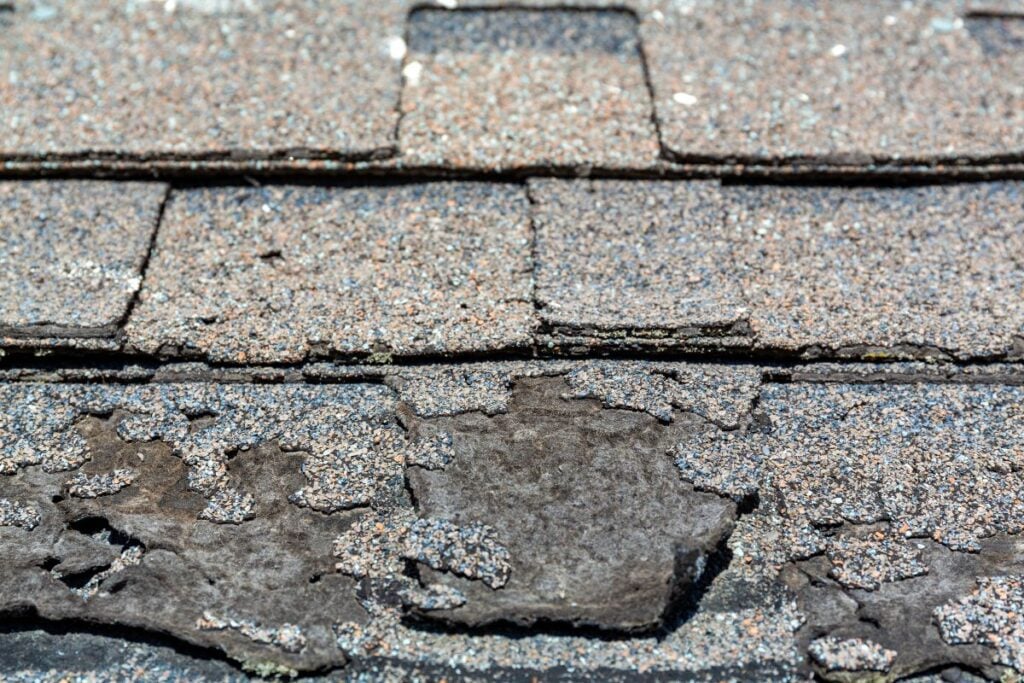
All roofing materials have a lifespan. Asphalt shingles typically last between 20 and 30 years, depending on quality and environmental conditions.
As shingles age, the oils in the asphalt begin to dry out. This leads to:
- Shrinkage
- Loss of flexibility
- Edge lifting or cupping
If your roof is approaching the end of its expected lifespan, curling may simply indicate that replacement is due.
2. Poor Attic Ventilation
Improper attic ventilation is one of the leading causes of curling shingles. When hot air becomes trapped in the attic, it raises the temperature of the roof deck.
Excessive heat can:
- Accelerate asphalt aging
- Cause shingles to dry and crack
- Lead to premature curling
In Austin and surrounding areas, where summers can be warm and winters cold, balanced ventilation is critical year round. Proper intake and exhaust airflow help regulate attic temperature and moisture levels.
3. Moisture Buildup in the Attic
Moisture is another major contributor. If warm, humid air from inside the home rises into the attic and becomes trapped, condensation can form on the underside of the roof deck.
Over time, this moisture exposure can:
- Warp the roof decking
- Soften shingle backing
- Cause shingles to lift or distort
Maintaining proper insulation and ventilation reduces moisture accumulation.
4. Improper Installation
Even high quality shingles can fail early if installed incorrectly. Installation mistakes often include:
- Overdriven or underdriven nails
- Incorrect nailing placement
- Poor alignment
- Inadequate underlayment
When shingles are not secured properly, they may lift or shift, eventually leading to curling edges.
5. Low Quality Materials
Not all shingles are manufactured to the same standards. Lower grade products may contain less durable asphalt blends or fewer protective granules.
Inferior materials are more susceptible to:
- UV damage
- Brittleness
- Early deterioration
Investing in higher quality shingles often results in longer lasting performance.
6. Extreme Temperature Fluctuations
Seasonal temperature swings can stress roofing materials. In colder months, shingles contract. In warmer weather, they expand.
Repeated expansion and contraction cycles can cause:
- Warping
- Cracking
- Edge curling
Homes in Austin and surrounding areas experience these seasonal changes, which gradually impact roof integrity.
Different Types of Shingle Curling
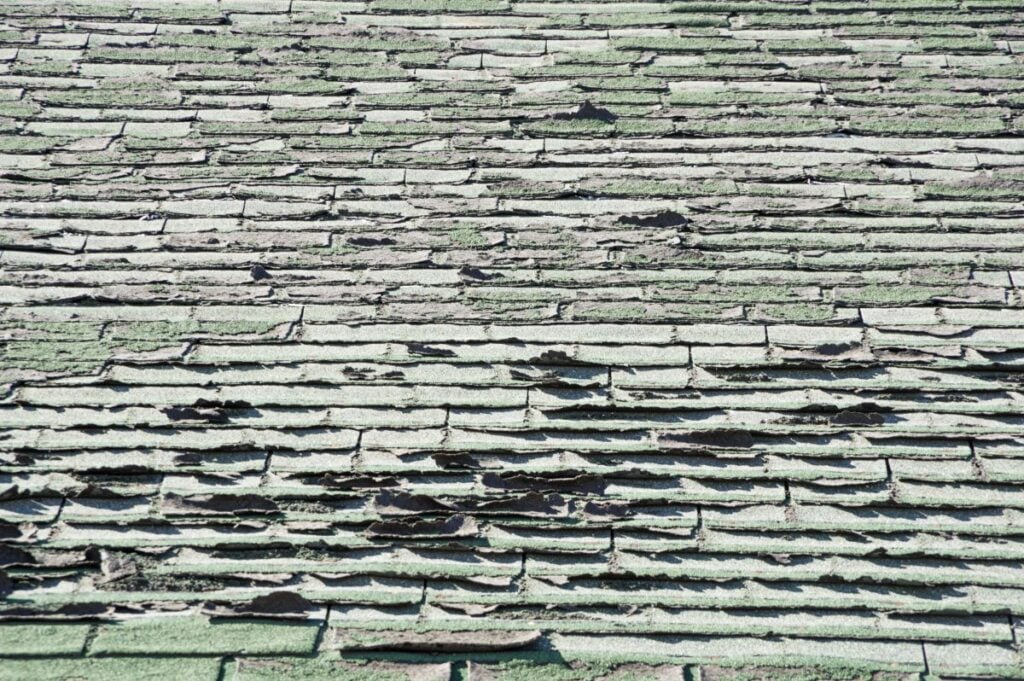
Not all curling looks the same. Identifying the pattern can provide clues about the underlying cause.
Understanding these distinctions helps determine whether repairs or replacement are necessary.
Cupping
Cupping occurs when the edges of the shingle turn upward while the center remains flat.
This is often associated with:
- Moisture issues
- Poor ventilation
- Aging materials
Cupped shingles are particularly vulnerable to wind damage.
Clawing
Clawing happens when the center of the shingle lifts while the edges remain flat.
Common causes include:
- Overheating
- Poor attic airflow
- Excessive moisture
Clawing may signal deeper ventilation or insulation concerns.
Warping
Warping refers to irregular bending or distortion across the shingle surface.
This can result from:
- Structural movement
- Decking issues
- Installation errors
Warped shingles often require closer inspection of the roof deck.
Repair or Replace: Making the Right Choice
Once curling shingles are identified, homeowners must decide whether repair is sufficient or if full replacement is needed.
In Austin and surrounding areas, climate factors often influence this decision.
When Repairs May Be Possible
Repairs might be appropriate if:
- Curling is limited to a small area
- The roof is relatively new
- Ventilation issues can be corrected
Spot replacement of damaged shingles can extend roof life temporarily.
When Replacement Is the Better Option
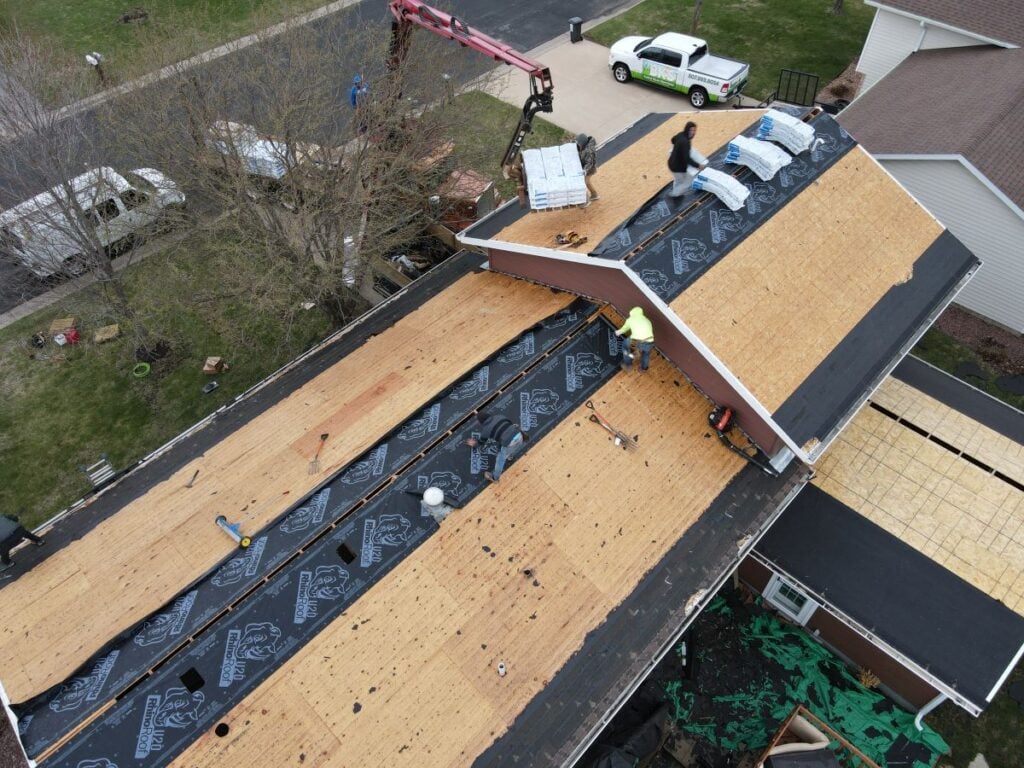
Full replacement is typically recommended when:
- Curling is widespread
- The roof is nearing the end of its lifespan
- Multiple issues such as leaks or granule loss are present
Replacing the roof ensures uniform performance and restores full protection.
Preventing Curling Shingles in the Future
While no roof lasts forever, homeowners can take steps to reduce the likelihood of premature curling.
Proactive maintenance and proper installation practices make a significant difference.
Ensure Proper Ventilation
Balanced attic ventilation helps regulate temperature and moisture.
Key components include:
- Soffit vents for air intake
- Ridge or roof vents for exhaust
- Proper insulation to reduce heat transfer
A well ventilated attic extends shingle lifespan.
Schedule Routine Inspections
Annual inspections can catch small problems before they escalate.
Look for:
- Early signs of curling
- Loose or missing shingles
- Flashing damage
Professional assessments provide additional peace of mind.
Keep Gutters Clean
Clogged gutters can cause water to back up under shingles.
Regular cleaning prevents moisture related damage and protects the roof edge.
Choose Quality Materials and Installation
When replacing a roof, selecting durable materials and experienced installers is critical.
Quality workmanship reduces the risk of early failure and improves overall performance.
How Curling Shingles Affect Home Value
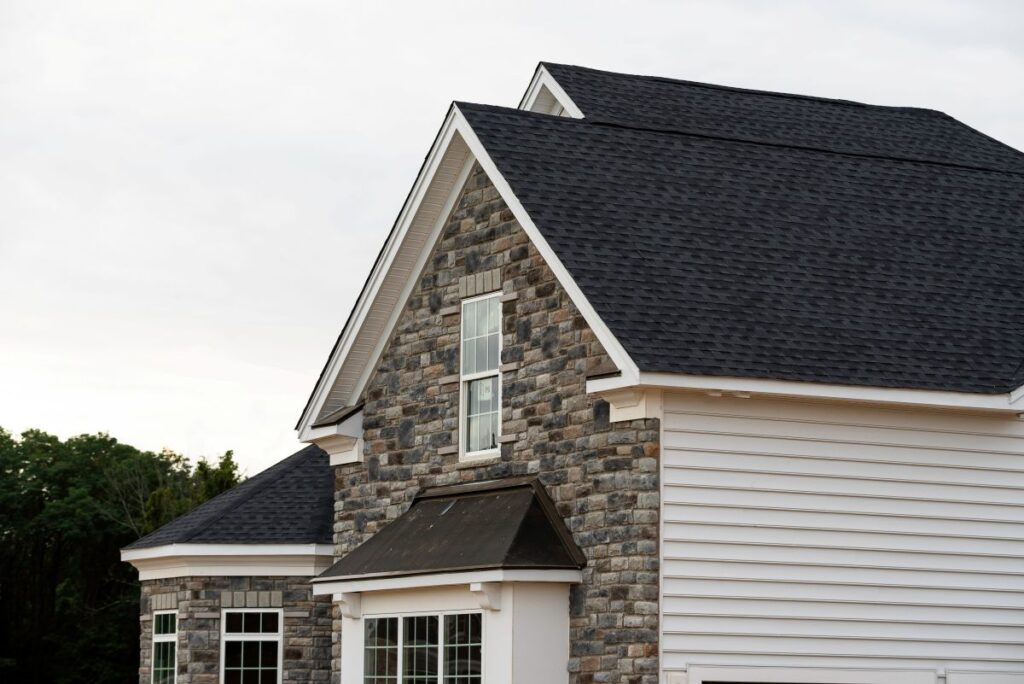
Roof condition significantly influences resale value. Potential buyers often view curling shingles as a red flag.
In Austin and surrounding areas, where weather can be demanding, a well maintained roof demonstrates responsible homeownership.
A roof free of curling shingles offers:
- Stronger curb appeal
- Improved inspection results
- Greater buyer confidence
- Higher perceived property value
Addressing visible roofing issues before listing a home can make a noticeable difference in marketability.
The Importance of Professional Evaluation
While homeowners can spot visible curling from the ground, underlying causes may require professional assessment.
Roofing professionals evaluate:
- Decking condition
- Ventilation performance
- Insulation levels
- Flashing and seal integrity
An experienced contractor can determine whether curling is isolated or part of a larger issue.
In Austin and surrounding areas, seasonal weather patterns make thorough evaluation especially important before winter or storm season begins.
Protect Your Home from the Risks of Curling Shingles
Curling shingles are not just a surface flaw. They are often a sign of aging materials, ventilation problems, moisture buildup, or installation issues. Left unaddressed, they can lead to leaks, structural damage, and higher repair costs.
For homeowners in Austin and surrounding areas, understanding the common causes of shingle curling helps you take timely action. Whether the solution involves improving attic ventilation, replacing damaged sections, or installing a new roof, early intervention protects your investment.
If you have noticed curling shingles on your roof, contact us today to schedule a professional evaluation with Puetz Construction. Our team is committed to identifying the root cause and providing reliable solutions that keep your home protected for years to come.
Fresh From our Blog