Door Installation: How Doors Get Installed On Homes
Puetz Construction | 8 Minute Read
A new exterior door does more than improve appearance. It protects your home from the elements, improves energy efficiency, and strengthens security. Understanding door installation helps homeowners make confident decisions when upgrading their entryways. In communities like Faribault and surrounding areas, where cold winters and seasonal storms are common, proper installation plays a critical role in long term performance and comfort.
In this guide, you will learn:
- Why correct door installation is essential
- The complete 8 step process professionals follow
- Common installation mistakes to avoid
- How materials affect performance and durability
- What to expect before, during, and after installation
Why Proper Door Installation Matters More Than You Think
An exterior door is part of your home’s structural and weather protection system. It connects framing, insulation, siding, interior trim, and locking hardware into one functional unit. If even one part of the process is handled incorrectly, problems can develop over time.
In Faribault and surrounding areas, homes face freezing temperatures, wind driven rain, humidity shifts, and snow accumulation. These conditions make precision installation even more important.
Here is why professional installation is so critical:
- Energy Efficiency Protection: Correct insulation and sealing prevent drafts and reduce heating and cooling costs.
- Moisture Control: Proper flashing and sealing stop water from entering wall cavities and causing hidden rot.
- Security Strength: A well aligned frame ensures locks engage properly and provide maximum protection.
- Smooth Operation: Level and square installation prevents sticking, sagging, and uneven wear on hinges.
- Long Term Durability: Minimizing structural stress extends the life of both the door and surrounding materials.
When installed correctly, a quality door performs reliably for decades. When installed poorly, even the best product can fail prematurely.
8 Step Process: How Doors Get Installed On Homes
Exterior door installation involves careful preparation, precision alignment, and weatherproofing expertise. Below is a detailed look at the 8 step process professionals follow to ensure long lasting results.
1. Accurate Measurement and Site Evaluation
Every successful door installation begins with precise measurements. Installers measure the width, height, and depth of the existing opening to ensure the new unit fits properly.
This step also includes:
- Checking if the opening is level, plumb, and square
- Inspecting for signs of rot or structural damage
- Evaluating insulation and weather barrier condition
- Confirming swing direction and clearance
In older homes in Faribault and surrounding areas, framing adjustments may be necessary before proceeding.
2. Removing the Existing Door and Trim
If replacing an old door, the next step is careful removal of the existing unit.
This process typically involves:
- Removing interior casing and exterior trim
- Detaching hinges and hardware
- Cutting through sealant and fasteners
- Lifting the door and frame out safely
Professionals work carefully to prevent unnecessary damage to surrounding siding, drywall, or flooring.
3. Inspecting and Repairing the Rough Opening
Once the old door is removed, the rough opening must be inspected thoroughly.
Installers will:
- Remove old insulation and debris
- Repair any damaged framing
- Ensure the sill is level and structurally sound
- Confirm framing meets current building standards
If water damage is discovered, it must be corrected before the new door is installed.
4. Installing Proper Flashing and Weather Barriers
Flashing is one of the most important components of door installation. It directs water away from the opening and prevents moisture intrusion.
This step includes:
- Applying waterproof membrane to the sill
- Installing flashing tape along the sides and top
- Ensuring overlap for proper drainage
Given the seasonal snow and rain in Faribault and surrounding areas, correct flashing helps prevent long term structural damage.
5. Positioning the New Door Unit
With the opening prepared, the new prehung door is set into place.
Installers will:
- Center the unit in the opening
- Insert shims to adjust alignment
- Check for level and plumb positioning
- Confirm proper spacing on all sides
Shimming is critical for maintaining even gaps and smooth operation.
6. Securing and Anchoring the Frame
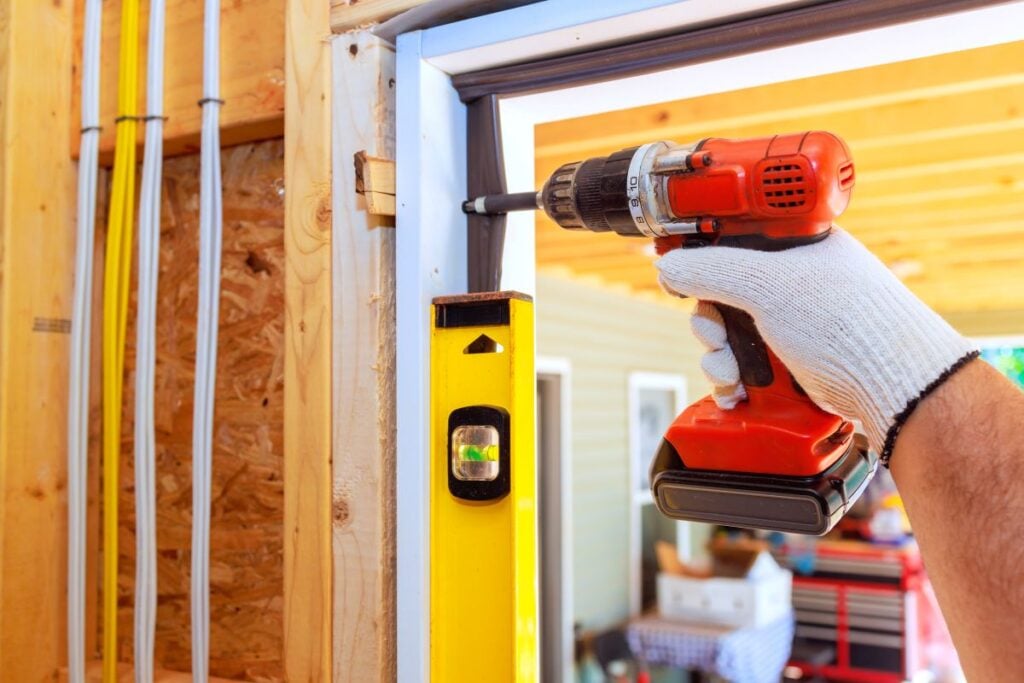
After alignment is confirmed, the door frame is secured to the structural studs.
This involves:
- Driving screws through the jamb into framing
- Rechecking alignment during fastening
- Adjusting shims as needed
- Ensuring the strike plate aligns with the latch
Careful anchoring prevents future shifting and ensures secure locking.
7. Insulating and Sealing the Perimeter
Once the door is secured, gaps between the frame and rough opening must be insulated.
Installers typically use:
- Low expansion foam insulation
- Backer rod for larger gaps
- Exterior grade sealant
Low expansion foam prevents pressure that could distort the frame. Proper sealing protects against drafts and moisture.
8. Installing Trim, Hardware, and Final Adjustments
The final step focuses on both appearance and functionality.
This includes:
- Installing interior and exterior trim
- Caulking seams for weather protection
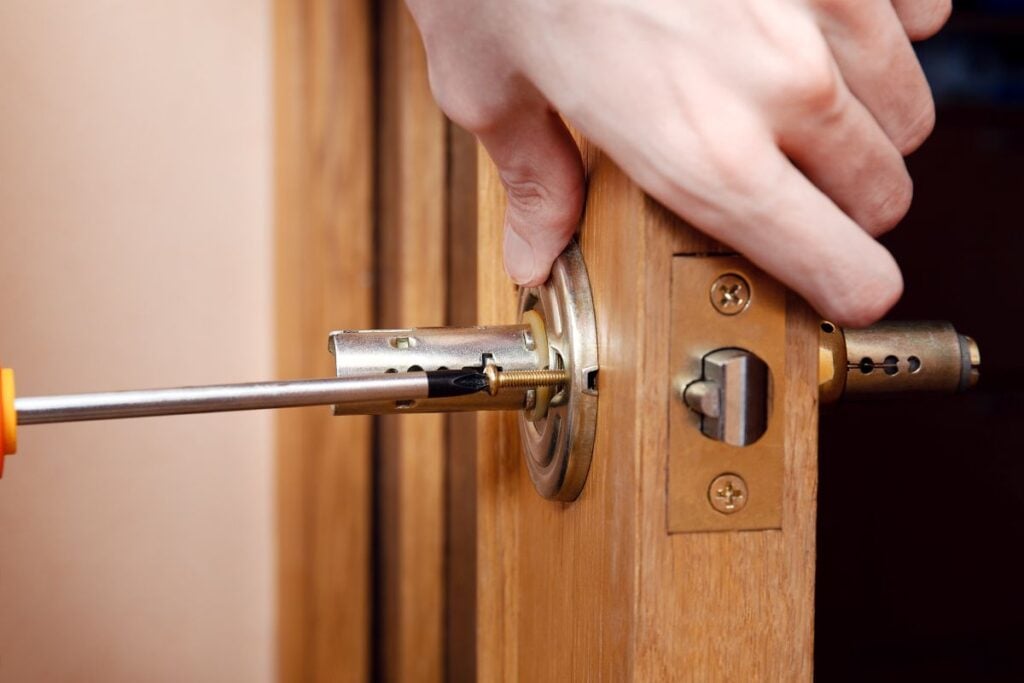
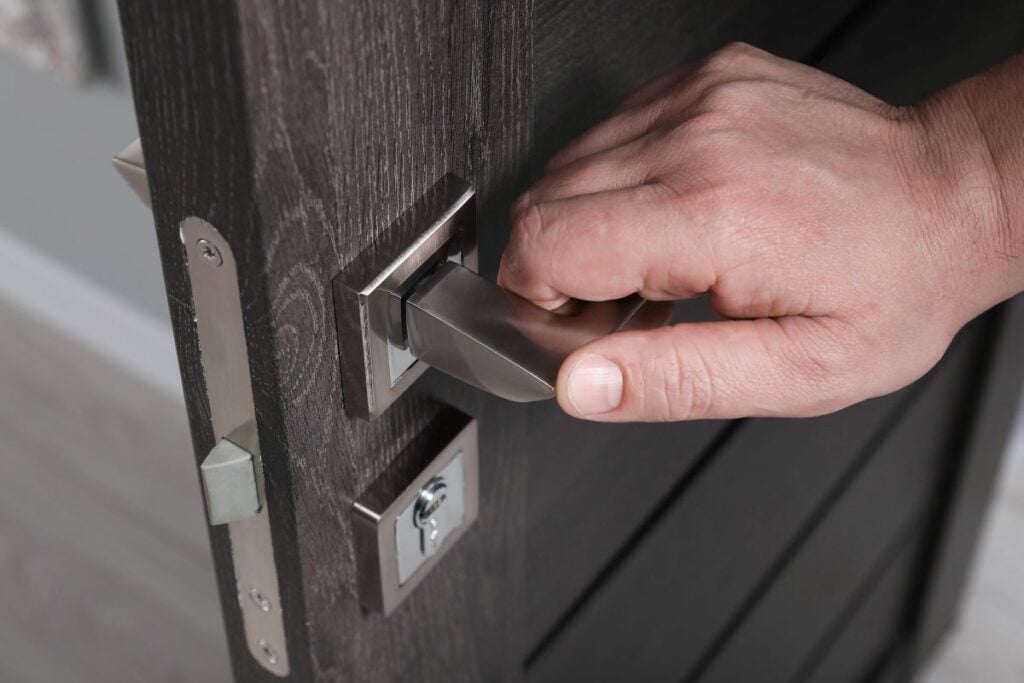
- Installing handles, locks, and hardware
- Testing the door for smooth operation
A professional installer performs a final inspection to ensure the door opens, closes, and locks properly without gaps or resistance.
Common Door Installation Mistakes to Avoid
Even small errors during installation can cause noticeable performance issues. Understanding these mistakes highlights why precision matters.
In Faribault and surrounding areas, seasonal expansion and contraction can amplify minor flaws.
Improper Leveling
If a door is not perfectly level and square, it may:
- Stick during operation
- Develop uneven gaps
- Cause premature hinge wear
- Affect locking alignment
Precision alignment ensures smooth performance.
Inadequate Flashing
Skipping proper flashing or installing it incorrectly can allow water infiltration. Over time, moisture can lead to:
- Rotting wood framing
- Mold growth
- Insulation damage
Correct flashing installation is critical to long term durability.
Overusing Expanding Foam
High pressure foam can warp the frame and cause binding. Low expansion products designed for windows and doors should always be used.
Poor Sealant Application
Gaps in caulking allow air and water infiltration. In climates with freezing winters, this can result in drafts and higher energy bills.
Choosing the Right Door for Your Home
Successful door installation begins with selecting the right product. Material, design, and performance ratings all influence long term satisfaction.
Material Options
Homeowners typically choose from:
- Steel
- Fiberglass
- Wood
Steel doors offer strength and affordability. Fiberglass provides durability with minimal maintenance. Wood delivers natural beauty but requires consistent upkeep.
Each material responds differently to temperature swings common in Faribault and surrounding areas.
Design and Configuration
Entry doors are available in multiple configurations:
- Single entry doors
- Double doors
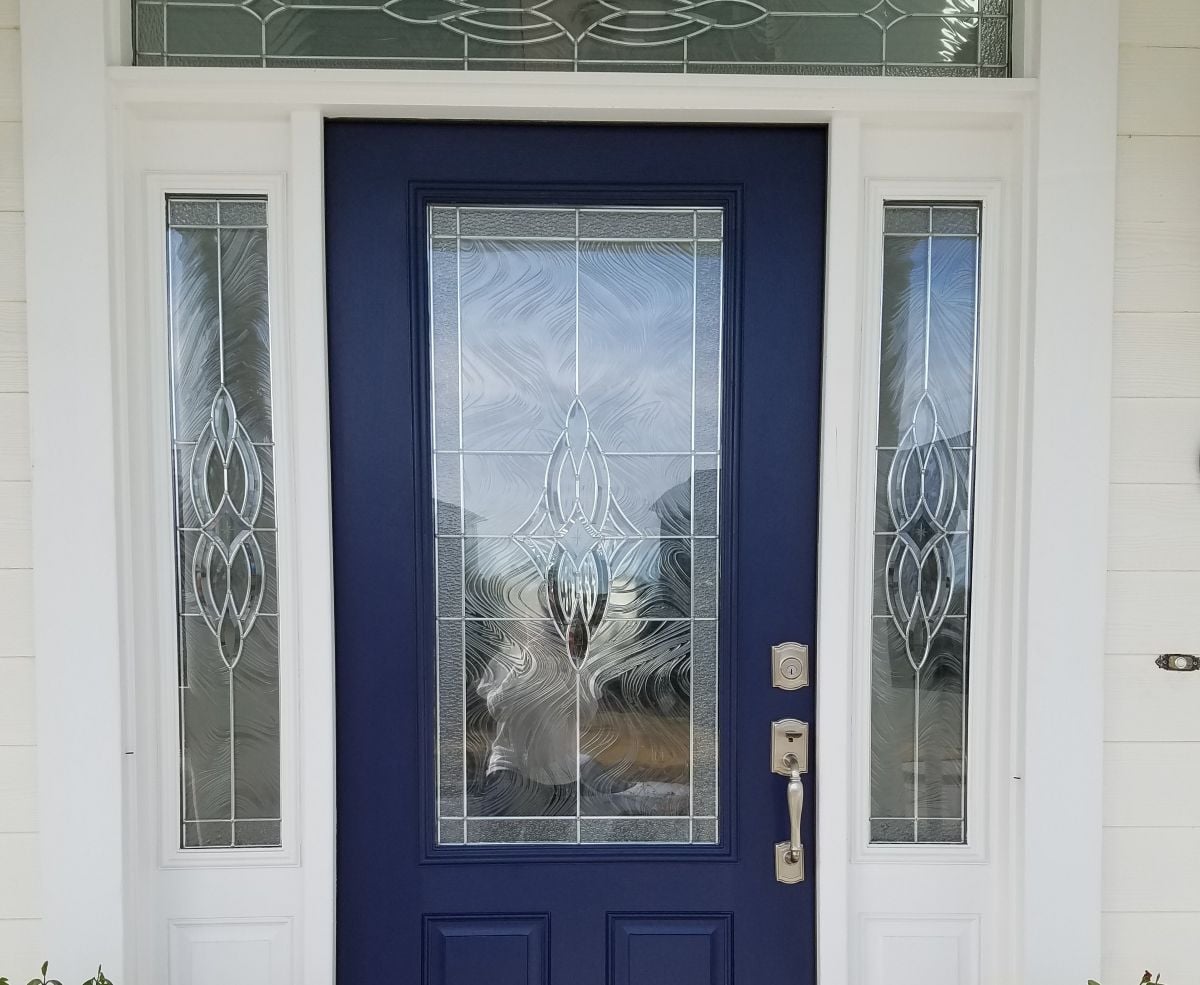
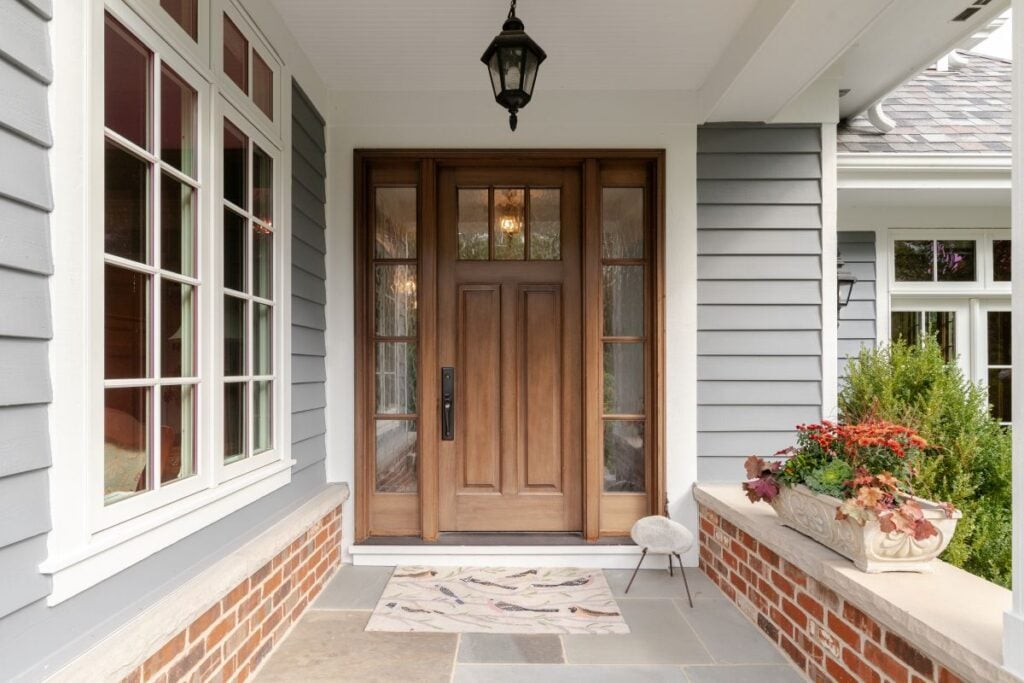
- Doors with sidelights
- Doors with transom windows
Selecting the right configuration depends on your home’s architecture and entry dimensions.
Energy Efficiency Ratings
Energy efficient doors include insulated cores and high quality weatherstripping. Reviewing performance ratings helps ensure your new door contributes to lower heating and cooling costs.
Professional Installation vs DIY Considerations
While some homeowners consider installing doors themselves, exterior door installation requires precision and specialized tools.
Below is a simple comparison.
Professional Installation
- Accurate measurement and structural assessment
- Proper flashing and moisture protection
- Warranty compliance
- Efficient and precise completion
DIY Installation
- Lower labor cost upfront
- Requires advanced carpentry skills
- Higher risk of alignment errors
- Potential warranty limitations
Incorrect installation can lead to long term problems that outweigh initial savings.
What to Expect During Your Door Installation Project
Preparing for installation day helps ensure a smooth experience.
Most standard door replacements take several hours. More complex installations involving structural changes may take longer.
Homeowners can expect:
- Temporary removal of interior trim
- Moderate construction noise
- Minor dust and debris
- Final walkthrough and inspection
Professionals will test the door’s operation and ensure all seals and hardware function properly before completing the project.
Maintaining Your Newly Installed Door
After installation, simple maintenance helps preserve performance and appearance.
Homeowners in Faribault and surrounding areas should perform seasonal checks to address weather related wear.
Recommended maintenance includes:
- Inspecting caulk lines for cracks
- Checking weatherstripping condition
- Tightening hardware periodically
- Cleaning and lubricating hinges
Wood doors may require refinishing over time, while fiberglass and steel options typically require less upkeep.
Routine maintenance extends the life of both the door and its installation components.
Invest in Professional Door Installation for Lasting Performance
Door installation is a detailed process that affects energy efficiency, security, comfort, and curb appeal. From accurate measurements to precise flashing and insulation, each step plays a role in protecting your home.
In Faribault and surrounding areas, professional installation ensures your entry door stands up to seasonal weather changes and daily use. Whether you are upgrading an aging door or enhancing your home’s appearance, expert craftsmanship delivers long term value.
If you are ready to improve your home with a professionally installed door, contact us today to schedule a consultation with Puetz Construction. Our experienced team is committed to delivering quality workmanship and dependable results that protect and enhance your home for years to come.
Fresh From our Blog