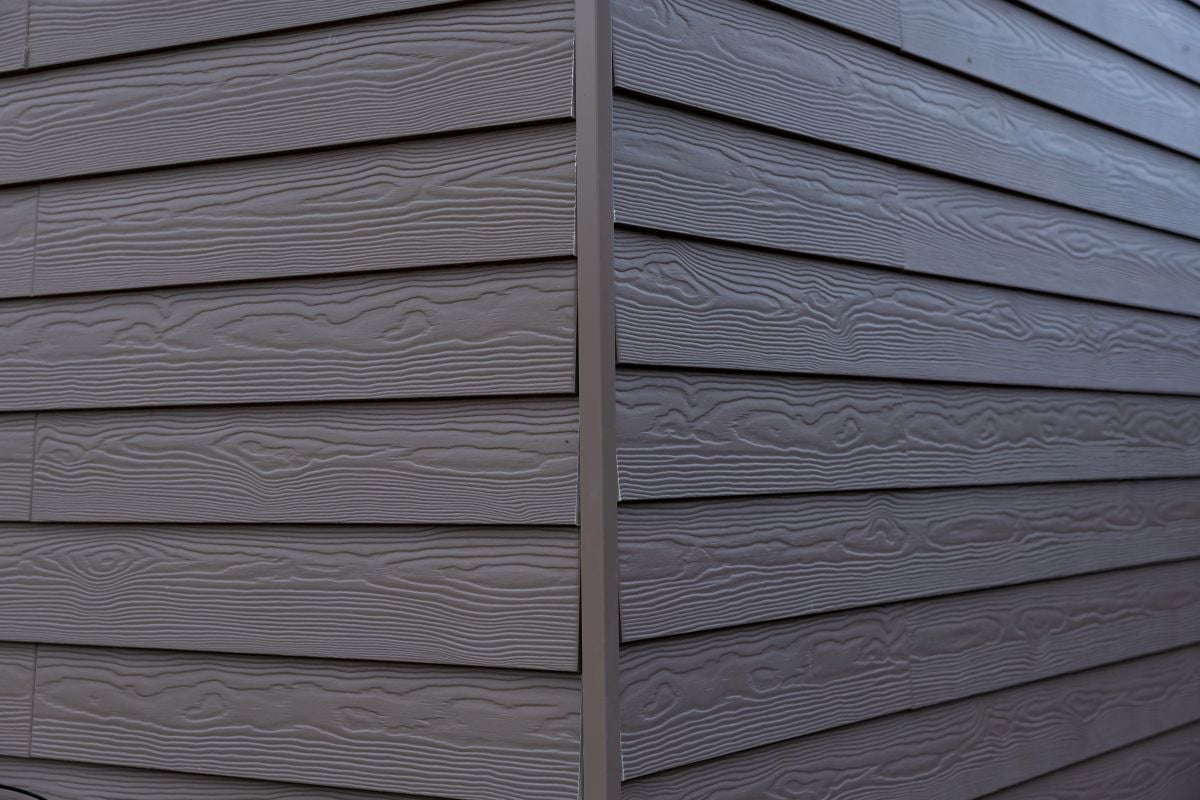
How Much Does Engineered Wood Siding Cost in 2026?
Puetz Construction | 9 Minute Read
If you are budgeting for a siding replacement or new build, understanding engineered wood siding cost is one of the most important steps you can take before picking up the phone. This material has grown rapidly in popularity across the Midwest, and homeowners in Eau Claire and surrounding areas are increasingly asking whether the investment is worth it. Learn more about your full range of siding options and what factors affect the final price.
Here is what you will learn in this guide:
- What engineered wood siding actually is and why it has become a go-to choice
- The key cost factors that influence your final price
- A breakdown of what to expect at each price tier
- How engineered wood compares to other common siding materials
- Tips for getting the most value out of your siding project
Why Engineered Wood Siding Has Become So Popular
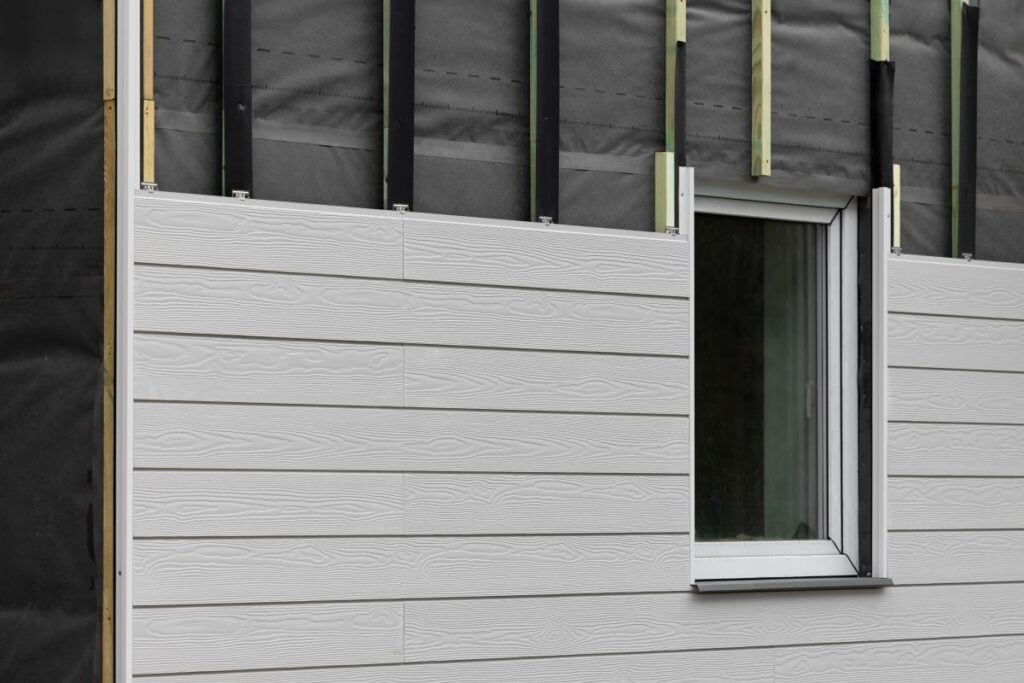
Over the past decade, engineered wood siding has carved out a strong reputation among homeowners who want the warmth and texture of real wood without the high maintenance demands. It is manufactured from wood fibers, resins, and binders that are compressed and treated to resist moisture, insects, and rot far better than natural wood alone.
For homeowners in Eau Claire and surrounding areas, where winters are harsh and humidity fluctuates significantly throughout the year, that durability advantage is a major selling point. The material holds paint well, installs efficiently, and comes in a wide range of profiles including lap siding, shakes, panels, and trim boards.
- Realistic wood appearance: Engineered wood mimics the look of cedar or pine without the cost or upkeep.
- Strong durability: Treated to resist rot, fungal growth, and impact damage better than standard wood products.
- Paint retention: The surface holds paint longer than fiber cement or natural wood, reducing repainting frequency.
- Versatile profiles: Available in lap, panel, shake, and trim styles to match nearly any architectural design.
- Eco-friendly manufacturing: Uses wood fiber byproducts, making it a more sustainable choice than harvesting old-growth timber.
The combination of curb appeal, performance, and mid-range pricing is what keeps engineered wood siding in high demand year after year.
5 Things That Influence the Cost of Engineered Wood Siding
Pricing for engineered wood siding is not one-size-fits-all. Several variables play into the final number on your estimate, and understanding each one helps you set realistic expectations before your contractor arrives.
1. Size of the Project
The most obvious driver of total cost is how much surface area needs to be covered. Siding is typically priced per square foot, so a small 1,200-square-foot ranch home will cost considerably less than a two-story colonial with 2,800 square feet of exterior wall space. Do not forget to account for gable ends, dormers, and any complex architectural features that require extra cutting and fitting.
- Expect material costs alone to run between $3.00 and $6.00 per square foot for engineered wood products.
- Labor typically adds another $2.00 to $4.50 per square foot depending on complexity.
- Total installed cost for most homes falls in the range of $8,000 to $20,000 or more.
2. Product Brand and Profile Style
Not all engineered wood siding products are created equal. Premium brands like LP SmartSide and Allura carry higher price tags than budget alternatives, but they also come with better warranties and proven field performance. The profile you choose also affects price: wider lap boards and detailed shake profiles tend to cost more per square than basic panels.
- LP SmartSide products often run slightly higher but include a 50-year limited warranty.
- Shake and shingle profiles add a decorative premium compared to smooth lap options.
- Primed or pre-painted boards cost more upfront but can reduce your finish painting labor.
3. Labor and Installation Complexity
Labor is often the second-largest line item on a siding estimate. A straightforward single-story home with clean rectangular walls is much less expensive to side than a multi-story structure with multiple angles, dormers, bay windows, and intricate trim details. Contractors in Eau Claire and surrounding areas factor in all of these elements when building an estimate.
- Steep rooflines or tall walls may require scaffolding, which adds to the total cost.
- Homes that need significant rotted substrate repair before new siding can go on will see higher labor totals.
- Removing old siding adds cost; some homeowners choose to install over existing material when permitted.
4. Regional Pricing and Contractor Availability
Where you live affects what you pay. Material shipping costs, local labor rates, and contractor demand in your area all influence the estimate. In competitive markets where multiple contractors are bidding similar projects, prices tend to moderate. In areas with fewer contractors or during peak construction season, expect prices to run a bit higher.
- Spring and fall are typically the busiest seasons, which can push lead times and pricing.
- Getting at least three quotes gives you a realistic benchmark for your local market.
- Always verify that your contractor is licensed, insured, and experienced with engineered wood specifically.
5. Old Siding Removal and Substrate Repair
Many homeowners underestimate the cost of prep work. If the existing siding needs to be torn off and hauled away, that alone can add $1,000 to $3,000 to the total depending on the size of the home and how many layers need to come down. If the sheathing underneath is water-damaged or structurally compromised, repairs to the substrate are essential before any new product goes on.
- Water damage discovered during removal is common and should always be addressed before new siding is installed.
- Skipping substrate repair to save money is a costly mistake that leads to premature failure.
- A thorough inspection before signing a contract can help identify potential hidden costs upfront.
Understanding these five factors gives you a much stronger foundation for evaluating any estimate you receive. With a clear picture of what drives the numbers, you can ask better questions and avoid surprises once the project is underway.
How Engineered Wood Compares to Other Siding Options
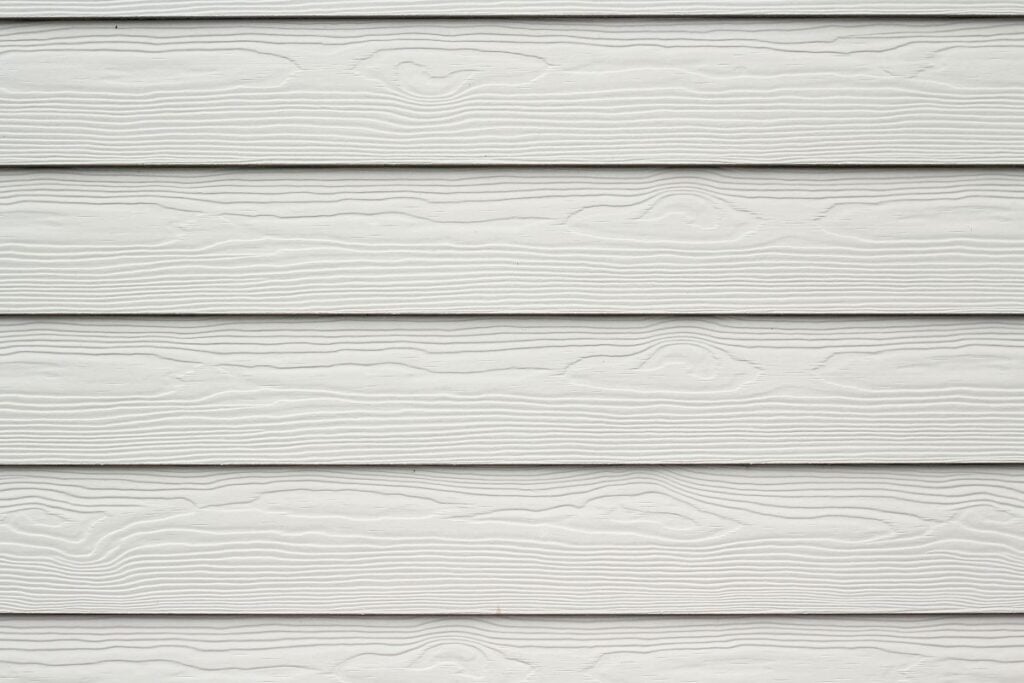
Before committing to any material, it helps to see how engineered wood siding stacks up against the most popular alternatives. Each material comes with its own tradeoffs in cost, maintenance, and longevity.
Engineered Wood vs. Vinyl Siding
Vinyl is the most budget-friendly siding option on the market, with installed costs typically running $5,000 to $12,000 for an average home. Engineered wood costs more upfront but offers a dramatically more realistic appearance and is generally more impact-resistant. Vinyl cannot be painted effectively once it fades, while engineered wood accepts paint easily throughout its life.
Engineered Wood vs. Fiber Cement
Fiber cement, most commonly known through brands like James Hardie, is a close competitor to engineered wood in both price and performance. Installed costs are often comparable, ranging from $10,000 to $20,000 for a typical home. Fiber cement is heavier and requires more labor to install, which can push total costs higher. Engineered wood is lighter, easier to cut, and tends to hold fasteners more effectively.
Engineered Wood vs. Natural Wood
Natural cedar or pine siding comes with a premium price and high maintenance demands. Expect to pay significantly more for materials, and plan on repainting or restaining every five to seven years to prevent rot and moisture damage. Engineered wood delivers a very similar aesthetic at a lower price point with considerably less upkeep, making it the smarter long-term investment for most homeowners.
| Material | Avg. Installed Cost | Maintenance Level | Lifespan |
| Vinyl | $5,000 – $12,000 | Low | 20-40 years |
| Engineered Wood | $8,000 – $20,000 | Low-Medium | 30-50 years |
| Fiber Cement | $10,000 – $20,000 | Low-Medium | 30-50 years |
| Natural Wood | $14,000 – $25,000+ | High | 20-40 years |
These ranges reflect typical residential projects and will vary based on home size, region, and contractor.
Getting the Most Value From Your Siding Investment
Choosing the right material is only part of the equation. How you approach the project from planning through installation has a direct impact on whether you get maximum value out of your investment.
Start with a thorough inspection of your current exterior. Before any new siding goes on, a good contractor will assess the condition of your house wrap, sheathing, and trim boards. Eau Claire and surrounding areas see real freeze-thaw cycles that can accelerate hidden moisture damage, so do not skip this step.
- Prioritize proper installation: Even the best engineered wood product will underperform if the installation shortcuts critical flashing, caulking, or nailing patterns. Always hire a contractor who follows the manufacturer’s installation guidelines to protect your warranty.
- Consider finishing details: New siding paired with old, peeling trim looks inconsistent and can undercut your curb appeal gains. Budget for coordinating trim, soffit, and fascia work at the same time.
- Plan for the long term: Engineered wood siding is a long-term investment. The right choice today, installed correctly by an experienced crew, can protect your home for 30 to 50 years with minimal maintenance beyond routine cleaning and touch-up painting.
- Get everything in writing: A detailed written contract that specifies the brand, product line, color, installation method, and warranty terms protects you if any issues arise during or after the project.
When you take the time to plan carefully and work with the right contractor, engineered wood siding delivers on every front. The investment pays off in improved curb appeal, better protection against the elements, and a home exterior that holds up for decades with minimal upkeep.
Your Next Siding Project Starts Here
Engineered wood siding is one of the best investments a homeowner can make, offering lasting durability, great curb appeal, and manageable maintenance for years to come. Homeowners in Eau Claire and surrounding areas consistently find that a quality siding upgrade is one of the highest-return improvements they can make to their property. At Puetz Construction, we bring honest estimates, quality craftsmanship, and years of hands-on experience to every exterior project we take on. We walk you through your options, explain the tradeoffs, and help you make a decision that fits your home and your budget. Contact us today to schedule your free estimate and get a clear picture of what your siding project will actually cost.
Fresh From our Blog