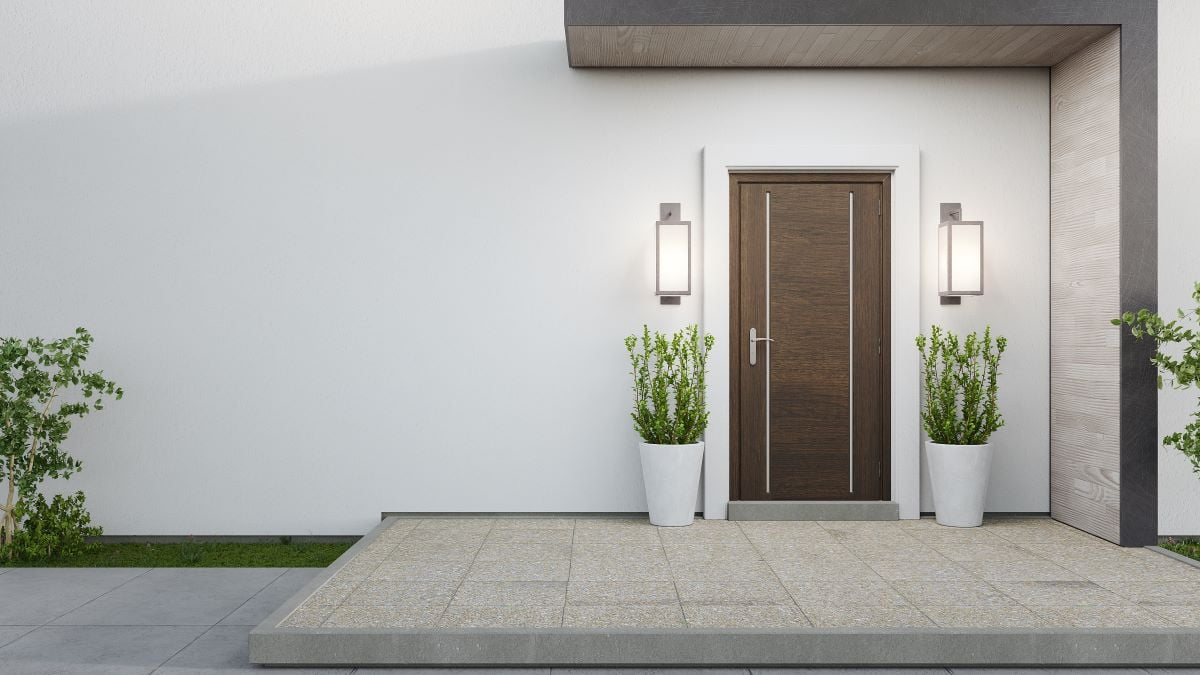
7 Pros & Cons of Exterior Fiberglass Doors (Buyer’s Guide)
Puetz Construction | 6 Minute Read
Choosing the right front door is about more than looks—it’s about security, efficiency, and lasting value. For homeowners comparing options, exterior fiberglass doors are becoming a top choice thanks to their durability, design flexibility, and low maintenance needs. But like any product, they aren’t perfect for every home. If you live in St. Charles and surrounding areas, understanding the benefits and limitations of fiberglass can help you make a smart investment. To get a sense of how fiberglass options can match your style, take a look at the designs available on our custom entry door solutions page.
In this guide, you’ll learn:
- Why fiberglass is a growing trend in exterior doors
- The biggest pros and cons to consider before buying
- How fiberglass compares to wood and steel doors
- What to look for in quality construction and installation
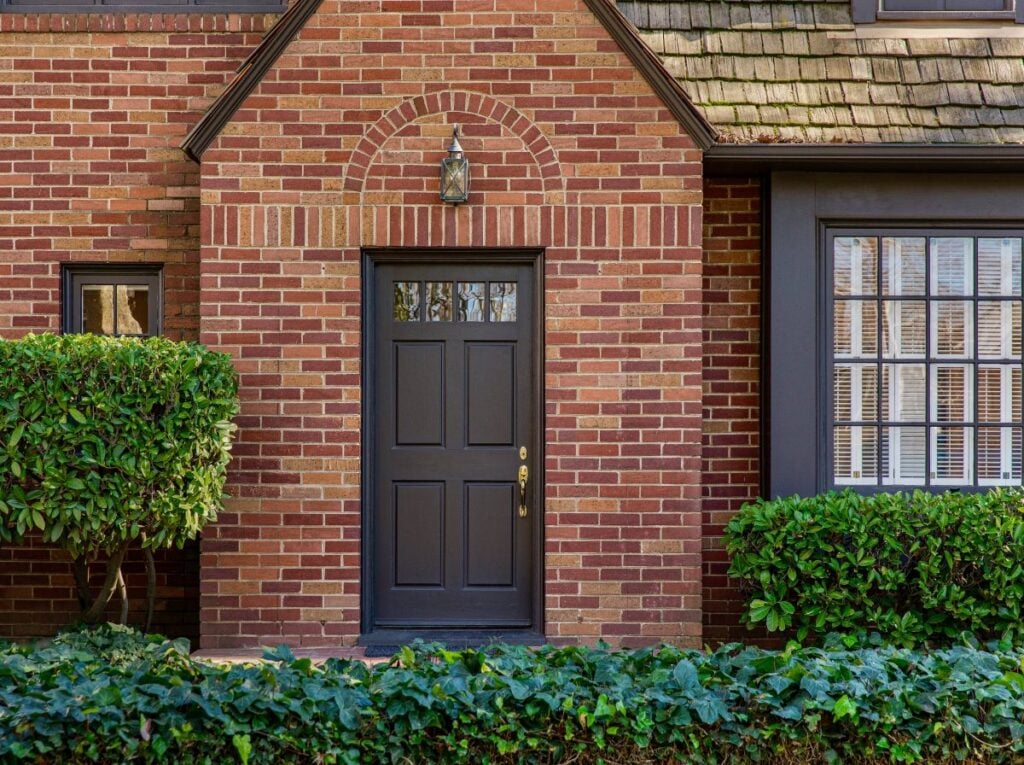
Why Fiberglass Doors Are Gaining Popularity
Over the last decade, fiberglass has taken a leading role in residential entry doors. Once considered a niche option, it’s now widely embraced by manufacturers and contractors for its all-around performance.
- Weather Resistance: Fiberglass doesn’t warp, rot, or swell, making it perfect for variable Minnesota seasons.
- Low Maintenance: No need to repaint or refinish regularly—these doors hold up with minimal upkeep.
- Wood-Look Designs: High-definition grain textures give the appearance of real wood without the downsides.
- Energy Efficiency: Built with insulating cores, fiberglass doors help lower heating and cooling costs.
- Versatile Style Options: Available in modern, traditional, and craftsman styles to match nearly any home.
7 Pros and Cons of Exterior Fiberglass Doors
Before you decide if fiberglass is right for your home, weigh these seven key advantages and drawbacks.
1. Pro: Durable in Extreme Weather
Fiberglass outperforms wood and steel in resisting moisture, UV exposure, and temperature swings. For homeowners in St. Charles and surrounding areas, this is a major advantage during cold winters and humid summers.
- Won’t expand or contract with seasonal shifts
- No rusting like steel or rotting like wood
- Excellent for shaded or fully exposed entryways
2. Pro: Low Maintenance
Unlike natural wood, fiberglass doesn’t require routine sealing or staining to stay in good shape.
- Resists scratches, dents, and fading
- Only needs occasional cleaning with soap and water
- Great option for busy homeowners or rental properties
3. Pro: Realistic Appearance Options
Thanks to advanced manufacturing, fiberglass doors can be molded with authentic wood grain and finished in a variety of stains or paints.
- Mimics oak, mahogany, cherry, or fir
- Can be painted in any custom color
- Blends well with both modern and traditional homes
4. Pro: Strong Energy Efficiency
Most fiberglass doors feature insulated cores that reduce heat loss and air leakage.
- Keeps warm air in during winter and cool air in during summer
- Reduces drafts near entryways
- Often includes ENERGY STAR® rated glazing for sidelights or windows
5. Con: Higher Initial Cost Than Steel
While fiberglass is more affordable than high-end wood, it’s typically more expensive than basic steel doors.
- Expect to pay more for premium grain textures and finishes
- Customizations like glass panels or sidelights add to the price
- However, the durability can lead to savings in long-term maintenance
6. Con: May Not Be Ideal for High-Security Applications
Fiberglass is strong, but not as impact-resistant as steel in extreme force scenarios.
- Homeowners with elevated security concerns may prefer steel core doors
- Reinforced locks and deadbolts can improve performance
- For most residential use, fiberglass still meets standard safety requirements
7. Con: Improper Installation Can Lead to Performance Issues
Like all doors, fiberglass must be installed with care to perform properly.
- Poor sealing can lead to energy loss or water intrusion
- Low-quality framing may warp over time and compromise the fit
- Professional installation ensures alignment, insulation, and longevity
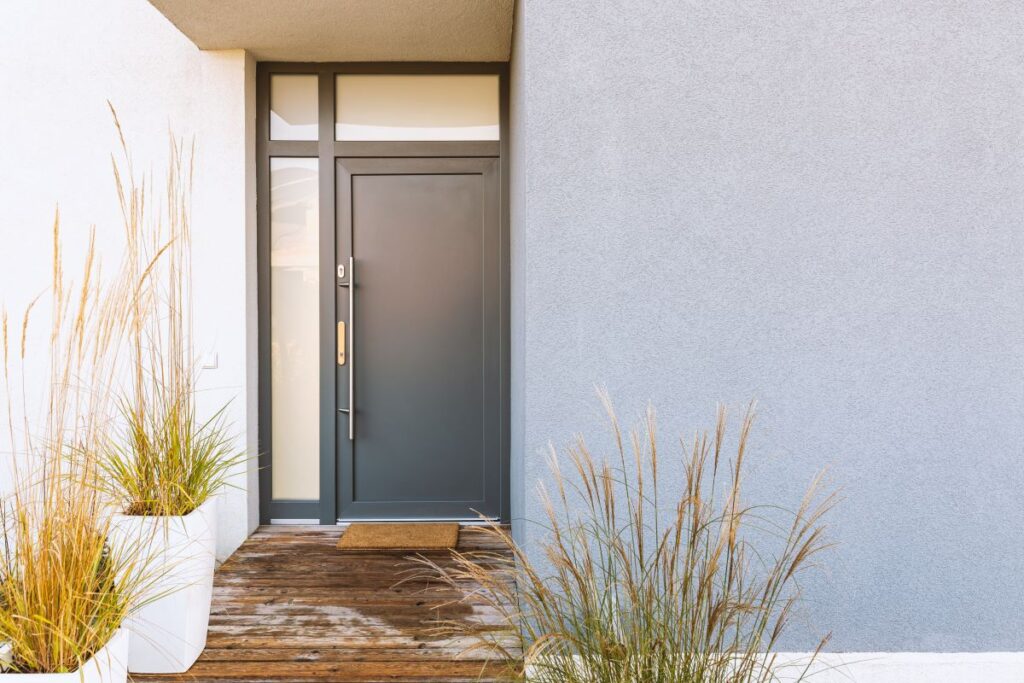
What Makes a Quality Fiberglass Door?
Not all fiberglass doors are created equal. Here’s what to look for when evaluating your options.
Core Material
- Polyurethane Foam: Most common, offering solid insulation value (R-5 to R-7).
- Wood Stile Reinforcements: Improves structure and allows for strong hinge placement.
- Composite Rails: Prevent water absorption at the bottom of the door.
Surface Texture and Finish
- Look for high-definition wood grain molds for a more authentic appearance.
- Factory finishes tend to last longer than field-applied paint or stain.
Glass Options
- Choose double or triple-pane insulated glass for energy savings.
- Consider frosted or decorative styles for added privacy without sacrificing light.
Frame and Threshold
- A strong, rot-resistant frame is essential—composite jambs are best.
- Adjustable thresholds help maintain a weather-tight seal over time.
Fiberglass vs. Steel vs. Wood: How Do They Compare?
Use the chart below to quickly assess how fiberglass stacks up against two common alternatives:
| Feature | Fiberglass | Steel | Wood |
| Durability | Excellent (resists warping) | Very strong, can rust | Prone to rot and warping |
| Maintenance | Low | Low to moderate | High (requires sealing/staining) |
| Energy Efficiency | High (insulated core) | Moderate to high | Moderate |
| Appearance | Realistic wood grain available | Limited texture options | Beautiful, natural grain |
| Customization | High | Moderate | Very high |
| Cost | Mid to high | Low to mid | High |
| Lifespan | 20–40 years | 15–25 years | 15–30 years (with upkeep) |
Where Fiberglass Doors Work Best
Certain entry points are especially suited for fiberglass due to their exposure, traffic, or design requirements.
- Main Entry Doors: Offers curb appeal, weather resistance, and energy savings.
- Side or Garage Entry Doors: Durable against wear and tear, perfect for high-use areas.
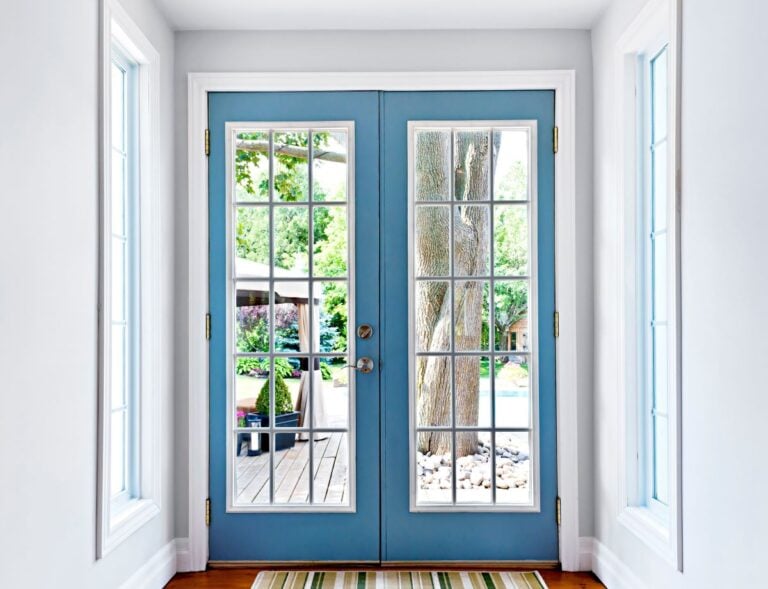
- Back Patio Doors: Combine fiberglass panels with sidelights or transoms for a light-filled design.
- Vacation Homes: Ideal for properties where low maintenance is important year-round.
Tips for Choosing the Right Fiberglass Entry Door
Before making a final decision, keep these practical tips in mind:
- Match the style to your home’s architecture: Craftsman, farmhouse, or contemporary models are all available in fiberglass.
- Choose quality hardware: The door is only as strong as its hinges, locks, and thresholds.
- Think about long-term performance: Higher upfront investment can mean fewer problems and better energy savings over time.
- Evaluate warranties: Many manufacturers offer 10- to 25-year warranties on fiberglass door systems.
- Work with a trusted contractor: Proper measurement and installation are critical for smooth operation and long-lasting results.
Final Thoughts: Is a Fiberglass Door Right for You?
Exterior fiberglass doors are a smart choice for many homeowners thanks to their strong balance of beauty, performance, and low upkeep. They may cost more upfront than steel, but their lifespan and design options often justify the investment. For homes in St. Charles and surrounding areas, where durability and energy efficiency are critical, fiberglass is well worth considering.
If you’re ready to explore fiberglass entry door options or have questions about how they compare to other materials, contact us today to schedule a consultation. Puetz Construction will guide you through the selection process and help you find a door that fits your home, your style, and your budget.
Fresh From our Blog