Flat Roof Repair: 8 Problems & Solutions
Puetz Construction | 8 Minute Read
Flat roofs are a popular choice for commercial buildings and modern homes because of their sleek design, space efficiency, and durability. However, even the best flat roofing systems require maintenance and timely repairs to prevent leaks, ponding water, and structural damage. Understanding the most common issues and how to address them helps you protect your investment for the long term.
When it comes to flat roof repair, prevention and prompt attention make all the difference. In climates like Rochester and surrounding areas, where snow, ice, and temperature changes put stress on roofing materials, early detection can save thousands in repair costs. A professional inspection and maintenance plan can help extend the lifespan of your roof and keep your building safe and dry.
If you’re considering repairs or maintenance for your commercial or flat roofing system, explore how our expert commercial roofing team delivers long lasting protection through reliable materials and craftsmanship.
In this guide, you’ll learn:
- The most common problems that affect flat roofs
- Proven repair and maintenance solutions for each issue
- How to recognize early warning signs before major damage occurs
- When to call professionals for inspection or replacement
- Tips for extending the life of your flat roof year-round
Why Flat Roof Maintenance Matters
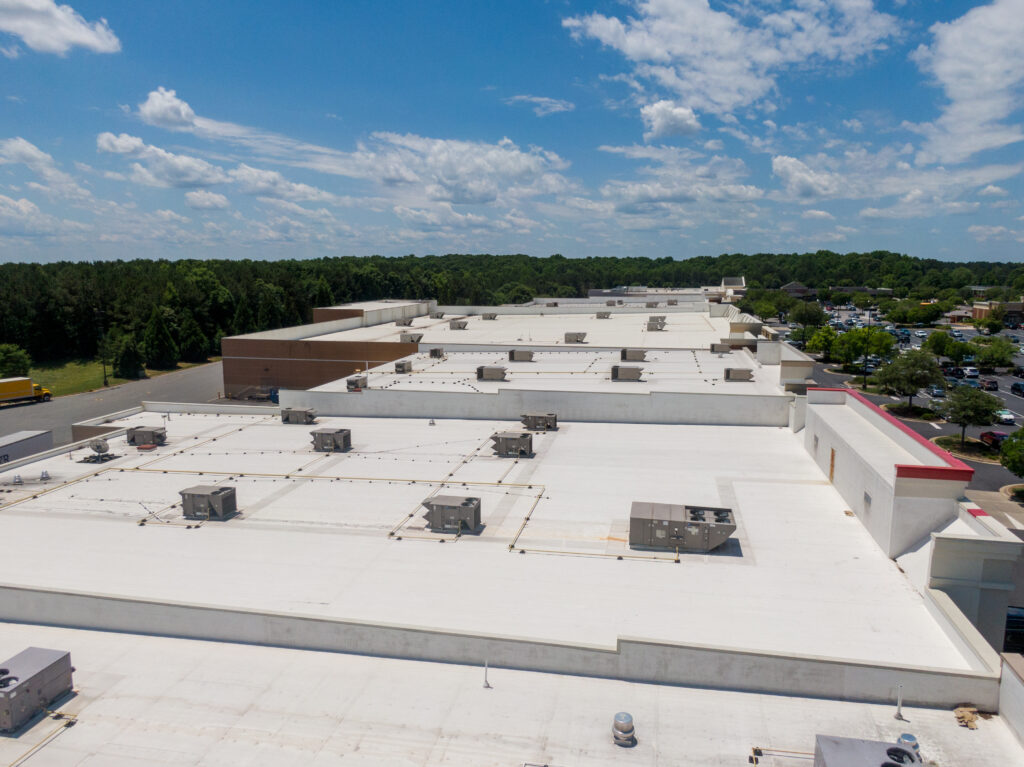
Flat roofs have unique advantages, but they also face specific challenges compared to pitched roofs. Because they lack steep slopes, flat roofs are more susceptible to drainage issues, leaks, and temperature-related wear. Without proper upkeep, small issues can quickly develop into major problems that disrupt your business or home.
Here’s why staying proactive matters:
- Prevents Water Damage: Regular inspections and timely repairs stop water from seeping into insulation and structural materials.
- Protects Energy Efficiency: Damaged membranes or insulation can lead to heat loss, increasing utility costs.
- Avoids Costly Replacement: Early maintenance prevents small leaks from turning into widespread structural issues.
- Extends Roof Lifespan: Routine care ensures your roof reaches its full expected service life.
- Maintains Building Safety: A well-maintained roof prevents mold, sagging, and other hazards that compromise indoor air quality and structure.
Sure — here’s the updated version expanded to 8 Common Flat Roof Problems and Their Solutions, keeping your tone and structure consistent:
8 Common Flat Roof Problems and Their Solutions
Every flat roof will eventually need attention, whether from weather damage, wear and tear, or installation flaws. Below are the most common problems property owners encounter—and the best ways to resolve them.
1. Ponding Water
The problem:
Because flat roofs have a minimal slope, water often pools in certain areas after rainfall or snowmelt. Standing water can weaken roofing materials, promote algae growth, and cause leaks.
The solution:
Roofers can improve drainage by adjusting the roof’s slope, adding tapered insulation, or installing additional drains and scuppers. Regular cleaning also helps ensure water flows properly toward drainage points.
Prevention tips:
- Inspect drainage systems after storms
- Clear debris from gutters and scuppers
- Schedule annual maintenance to spot low spots early
2. Roof Leaks
The problem:
Flat roofs are particularly prone to leaks, especially around seams, flashing, and rooftop penetrations like vents or HVAC units. Over time, UV exposure and temperature changes can cause cracks or splits in the membrane.
The solution:
Depending on the roof material (EPDM, TPO, PVC, or built-up roofing), repairs may involve patching, re-sealing seams, or replacing damaged sections. For larger leaks, a roof coating or overlay can help restore waterproofing without full replacement.
Prevention tips:
- Schedule regular professional inspections
- Reseal seams as part of seasonal maintenance
- Remove standing debris that can puncture membranes
3. Blistering or Bubbling
The problem:
Blisters form when air or moisture gets trapped between roofing layers, usually due to poor adhesion or moisture intrusion. If ignored, blisters can expand and rupture, exposing your roof to leaks.
The solution:
Small blisters may be patched, but widespread bubbling often indicates deeper issues requiring section replacement. A roofer can cut away the blistered material, dry the substrate, and reseal the area.
Prevention tips:
- Avoid installing new layers over trapped moisture
- Ensure proper ventilation in the building and roof system
- Choose high-quality adhesives and materials
4. Cracked Flashing or Sealant Failure
The problem:
Flashing seals the joints where your roof meets walls, vents, or equipment bases. Over time, flashing can dry out, crack, or pull away, allowing water to enter the structure.
The solution:
Technicians can remove old, damaged sealant and apply new flashing or coating to reinforce vulnerable joints. For metal flashing, rusted or bent sections should be replaced to prevent further deterioration.
Prevention tips:
- Check flashing twice a year, especially after winter
- Ensure rooftop equipment is installed without compromising seals
- Apply protective coatings to reduce weather-related wear
5. Membrane Shrinkage
The problem:
Some single-ply membranes, like EPDM rubber, can shrink over time due to constant temperature expansion and contraction. Shrinkage pulls flashing away from edges and seams, creating gaps where water can enter.
The solution:
Roofers may reattach or replace sections of the membrane, reinforcing seams and corners with flexible adhesive materials that can handle thermal movement.
Prevention tips:
- Schedule inspections to monitor membrane tension
- Use materials designed for your region’s climate
- Avoid mechanical stress on roofing edges
6. Punctures and Surface Damage
The problem:
Foot traffic, dropped tools, and severe weather can puncture flat roofing materials. Even small punctures can let water infiltrate and damage insulation or decking below.
The solution:
Professional roofers can patch punctures using compatible materials or apply liquid sealants for seamless protection. Installing walkway pads also helps prevent future damage from foot traffic.
Prevention tips:
- Limit roof access to authorized personnel
- Mark designated walkways on high-traffic roofs
- Inspect after storms or maintenance visits
7. Poor Installation or Workmanship
The problem:
Improper installation is one of the leading causes of flat roof problems. Inadequate seam welding, insufficient drainage planning, or using incompatible materials can lead to leaks and premature failure.
The solution:
Hire certified, experienced roofing professionals familiar with your roof type. A qualified roofer can assess installation errors, make necessary corrections, and ensure compliance with manufacturer standards.
Prevention tips:
- Always check contractor certifications and references
- Require warranties on materials and workmanship
- Have post-installation inspections to verify quality
8. Thermal Movement and UV Damage
The problem:
Flat roofs are constantly exposed to the sun, causing materials to expand and contract daily. Over time, this thermal cycling can cause cracks, brittleness, or degradation of protective coatings.
The solution:
Applying reflective roof coatings can reduce heat absorption and UV damage. Regular maintenance helps catch early signs of cracking before they spread.
Prevention tips:
- Use UV-resistant membranes or coatings
- Schedule inspections before and after extreme temperature seasons
- Keep the surface clean to reflect sunlight efficiently
How Professional Roofers Diagnose Flat Roof Problems
Flat roof issues often share similar symptoms—such as leaks or standing water—but their underlying causes can vary. That’s why professional inspections are so important. Experienced roofers follow a detailed process to identify the source of the problem and recommend appropriate repairs.
Inspection steps include:
- Visual assessment of the entire roof surface
- Checking seams, flashing, and penetrations for damage
- Measuring slope and checking drainage function
- Inspecting insulation for moisture buildup
- Using infrared scanning to detect hidden leaks
Once issues are identified, a roofing expert can prioritize repairs, recommend materials, and create a plan that aligns with your budget and long-term goals.
When to Repair vs. Replace a Flat Roof
Deciding whether to repair or replace depends on several factors, including age, extent of damage, and cost-effectiveness.
| Condition | Repair Recommended | Replacement Recommended |
| Minor leaks or punctures | ✅ | |
| Localized flashing damage | ✅ | |
| Aging beyond 20–25 years | ✅ | |
| Widespread water damage | ✅ | |
| Repeated patching issues | ✅ | |
| Roof system warranty expired | ✅ |
If your roof is relatively new and damage is limited to small sections, targeted repairs can restore performance. However, older roofs with repeated leaks or saturated insulation may benefit more from full replacement to avoid ongoing maintenance costs.
Tips to Extend the Life of Your Flat Roof
Taking preventive action keeps your roof performing well and helps you avoid unnecessary repairs.
Practical maintenance tips:
- Schedule inspections at least twice a year—spring and fall
- Clean gutters, drains, and rooftop debris regularly
- Check after major weather events for damage
- Keep trees trimmed away from the roofline
- Ensure HVAC units and vents are properly sealed
- Apply reflective or waterproof coatings as needed
In climates like Rochester and surrounding areas, where freeze-thaw cycles are common, staying proactive ensures your roof can withstand the seasonal stress.
Protect Your Building with Expert Flat Roof Care
Your flat roof is a major investment and a critical part of your building’s protection. When leaks, cracks, or drainage problems appear, addressing them quickly helps you avoid structural damage and costly repairs. Regular inspections and professional repairs not only extend your roof’s life but also improve your property’s safety and efficiency.
At Puetz Construction, we specialize in dependable flat roof repair and maintenance services for commercial and residential properties across Rochester and surrounding areas. Our team uses proven techniques, high-quality materials, and careful attention to detail to ensure every roof we service is watertight and built to last.
If you’ve noticed pooling water, leaks, or visible wear, don’t wait until it worsens. Protect your investment and restore peace of mind—contact us today to schedule your professional flat roof inspection or repair with Puetz Construction.
Fresh From our Blog