8 Factors That Affect Flat Roof Replacement Cost
Puetz Construction | 7 Minute Read
Flat roofs are a popular choice for commercial buildings thanks to their clean design, space efficiency, and accessibility. However, when it comes time to replace one, understanding what influences the flat roof replacement cost can make all the difference in budgeting and planning. Costs can vary significantly depending on materials, roof size, labor, and other unique factors. For property owners in Faribault and surrounding areas, knowing these details ensures better decisions and long-term savings. You can also explore modern, energy-efficient materials and installation methods through our commercial roofing solutions that are designed to deliver durability and performance.
In this guide, you’ll learn:
- The main elements that determine flat roof replacement costs
- The pros and cons of common roofing materials
- Signs that indicate replacement is needed
- How to make your investment last longer
Why Flat Roof Replacement Matters for Property Owners
Flat roofs serve a crucial role in protecting commercial and multi-unit properties. Unlike sloped systems, flat roofs are continuously exposed to ponding water, UV rays, and temperature extremes, which can accelerate wear over time. When replacement becomes necessary, understanding what drives cost helps you plan strategically while protecting your property’s long-term value.
Here’s why investing in a proper flat roof replacement is important for Faribault and surrounding areas:
- Improved Structural Integrity: A new roof eliminates leaks, cracks, and deterioration that compromise your building’s structure.
- Energy Efficiency: Modern materials, such as PVC and TPO, reflect sunlight and help reduce cooling expenses.
- Reduced Maintenance Costs: Replacing a deteriorated system lowers the need for frequent patching and emergency repairs.
- Tenant Satisfaction: For commercial property owners, a watertight roof prevents interior damage that disrupts business operations.
- Long-Term ROI: High-quality installation extends your roof’s life, reducing lifecycle costs.
8 Key Factors That Influence Flat Roof Replacement Cost
The total cost of a flat roof replacement depends on several interconnected variables. While the national average ranges between $6 and $12 per square foot, certain choices can push the cost higher or lower. Below are the top eight factors that shape your final investment.
1. Roof Size and Accessibility
The larger your roof, the higher the overall cost. However, price per square foot typically decreases with size due to material and labor efficiencies. Accessibility also plays a role—difficult access points may require cranes or additional safety equipment.
- Flat roofs on multi-story buildings are more complex to replace.
- Easy rooftop access can reduce labor time and setup costs.
- Tight urban areas often add logistical challenges for equipment and material delivery.
2. Roofing Material Selection
Material choice has the most significant impact on pricing and performance. Different systems offer distinct benefits in durability, lifespan, and maintenance.
| Material Type | Average Cost (per sq. ft. installed) | Lifespan | Key Benefits |
| Built-Up Roofing (BUR) | $5–$9 | 20–30 years | Multi-layer protection, cost-effective |
| Modified Bitumen | $6–$10 | 20–25 years | Easy to repair, good flexibility |
| EPDM (Rubber) | $5–$8 | 25–30 years | Low cost, excellent weather resistance |
| TPO (Thermoplastic) | $6–$10 | 25–30 years | Reflective, energy-efficient |
| PVC (Vinyl) | $8–$12 | 25–35 years | Superior durability, chemical resistance |
| Spray Foam Roofing | $7–$10 | 20–25 years | Seamless, strong insulation performance |
Your roofing contractor will evaluate which system best fits your structure, climate, and energy goals. For example, reflective materials like TPO or PVC are ideal for energy savings in Faribault and surrounding areas.
3. Tear-Off vs. Overlay
A full tear-off removes the existing roof before installing a new system, while an overlay applies a new layer directly over the old one. Tear-offs cost more but provide better long-term results.
- Tear-Off Cost: $1–$3 per square foot on average
- Overlay Cost: Slightly lower, but may reduce roof life expectancy
- Tear-offs allow for proper inspection of insulation and decking beneath the surface.
4. Insulation and Underlayment
Insulation is a critical part of flat roof design, affecting both energy efficiency and indoor comfort. Replacing or upgrading insulation increases cost but can significantly lower utility bills.
- Polyiso insulation provides high R-values and moisture resistance.
- Tapered insulation systems improve drainage on low-slope roofs.
- Rigid boards or spray foam can enhance durability and energy savings.
5. Drainage and Slope Requirements
Flat roofs aren’t perfectly flat—they require subtle slopes to ensure water runoff. Poor drainage is one of the most common causes of roof failure. During replacement, contractors may reconfigure slopes or install new drain systems.
- Proper slope prevents ponding and structural stress.
- Additional drains or tapered systems add installation costs.
- For older buildings, redesigning drainage often pays for itself through reduced maintenance.
6. Roof Features and Penetrations
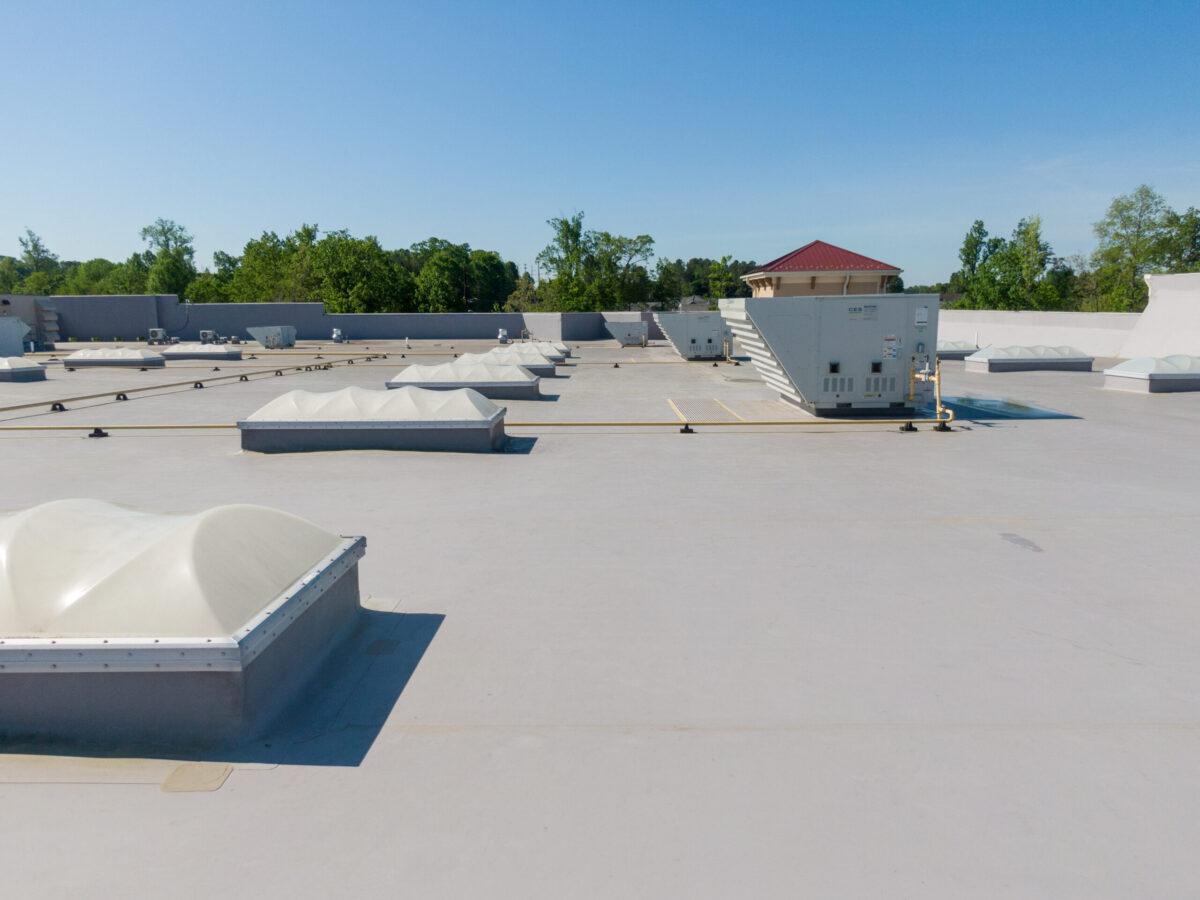
HVAC units, skylights, vents, and other penetrations complicate installation and require additional flashing and sealing. Each added feature increases both labor time and materials.
- The more penetrations, the higher the labor cost.
- Complex details must be sealed precisely to prevent leaks.
- Roof walk pads can protect high-traffic areas from wear.
7. Labor and Contractor Expertise
Flat roof replacement requires specialized skill and certification, especially for single-ply membranes like TPO or PVC. The quality of installation directly affects performance and warranty eligibility.
- Experienced contractors ensure proper welding and seam sealing.
- Certified installers may provide access to extended manufacturer warranties.
- Hiring the lowest bidder often leads to costly repairs down the road.
8. Warranty Coverage and Maintenance Plans
Many property owners overlook the long-term value of warranties. Investing in a higher-quality system with strong coverage can provide years of protection and lower overall cost of ownership.
- Standard manufacturer warranties range from 10–30 years.
- Some systems include labor warranties if installed by approved contractors.
- Regular maintenance is required to keep warranties valid.
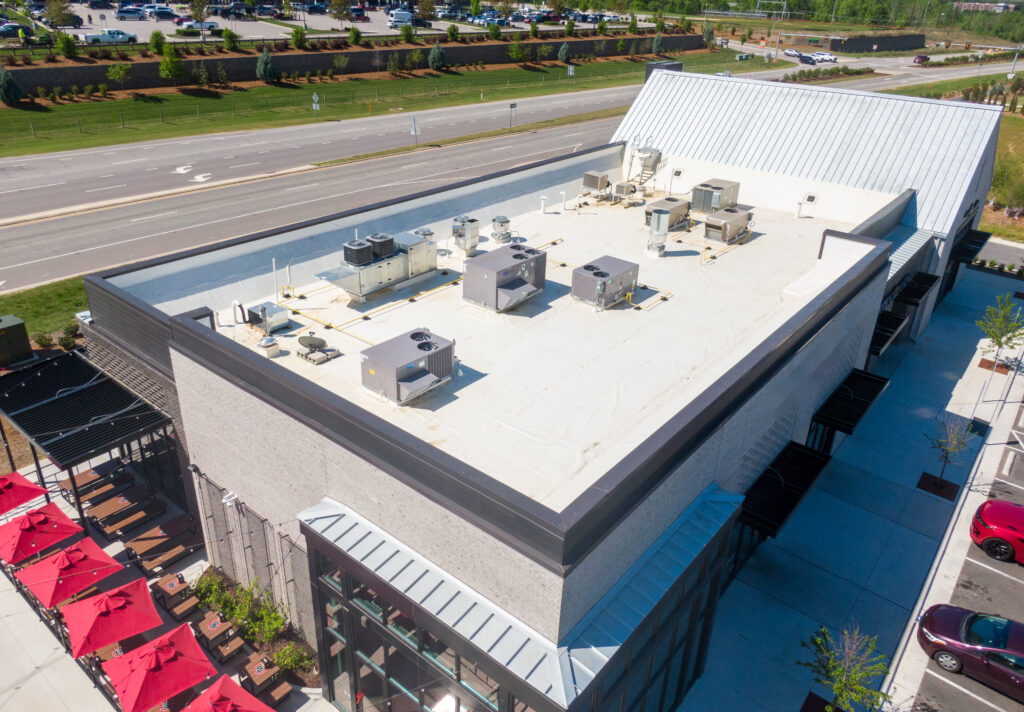
Comparing Material Options for Flat Roof Replacement
Choosing the right material means balancing cost, durability, and functionality. Below is a more detailed look at how the top systems compare for commercial applications.
| Material | Strengths | Considerations |
| EPDM | Cost-effective, UV-resistant, easy repairs | Dark surface absorbs heat, not ideal for energy savings |
| TPO | Reflective, heat-welded seams, recyclable | Must be installed precisely to avoid seam failure |
| PVC | Exceptional waterproofing, chemical resistant | Higher initial cost |
| Modified Bitumen | Flexible, easy patching | Shorter lifespan |
| BUR | Multi-layer protection | Heavy and labor-intensive |
| Spray Foam | Seamless surface, energy efficient | Requires regular topcoat maintenance |
PVC and TPO remain the most common choices for modern buildings in Faribault and surrounding areas due to their balance of cost and long-term performance.
Signs It’s Time for a Flat Roof Replacement
Knowing when to replace a flat roof helps prevent more expensive structural repairs later. Even with regular maintenance, most systems eventually show signs of aging.
Look for these indicators that replacement may be necessary:
- Frequent Leaks: Persistent water intrusion despite repairs indicates membrane deterioration.
- Ponding Water: Standing water more than 48 hours after rain shows improper drainage.
- Blistering or Cracking: Surface cracks and bubbles mean trapped moisture and membrane breakdown.
- Energy Inefficiency: Rising cooling or heating bills may signal insulation failure.
- Visible Aging: UV exposure causes discoloration, granule loss, and brittleness over time.
A professional inspection can confirm whether repairs or a full replacement offer the best long-term value.
How to Maximize Your Flat Roof Investment
Replacing a flat roof is a major capital project, but strategic decisions can stretch your budget and improve performance for decades.
Choose the Right Contractor
Always select a contractor with proven experience in flat roofing systems. Request references, certifications, and warranty details before signing.
Invest in Preventive Maintenance
Regular inspections extend the lifespan of your new roof and keep warranties valid. Schedule semiannual checks, especially after severe weather.
Prioritize Energy Efficiency
Opt for light-colored, reflective materials that lower cooling costs. Energy-efficient insulation also reduces long-term expenses.
Plan for Long-Term ROI
A slightly higher upfront cost for premium materials or thicker insulation can save significant money over time through reduced maintenance and energy bills.
Example Cost Breakdown
For reference, here’s a general overview of typical cost ranges per 10,000-square-foot roof:
| Item | Estimated Cost |
| Tear-Off & Disposal | $20,000–$30,000 |
| New Insulation | $15,000–$25,000 |
| Roofing Material (TPO/PVC) | $60,000–$90,000 |
| Flashing & Drainage | $5,000–$10,000 |
| Labor & Equipment | $30,000–$40,000 |
| Total Estimated Cost | $130,000–$195,000 |
Actual costs depend on building design, regional labor rates, and system selection. Consulting an experienced contractor is the best way to receive an accurate estimate tailored to your property.
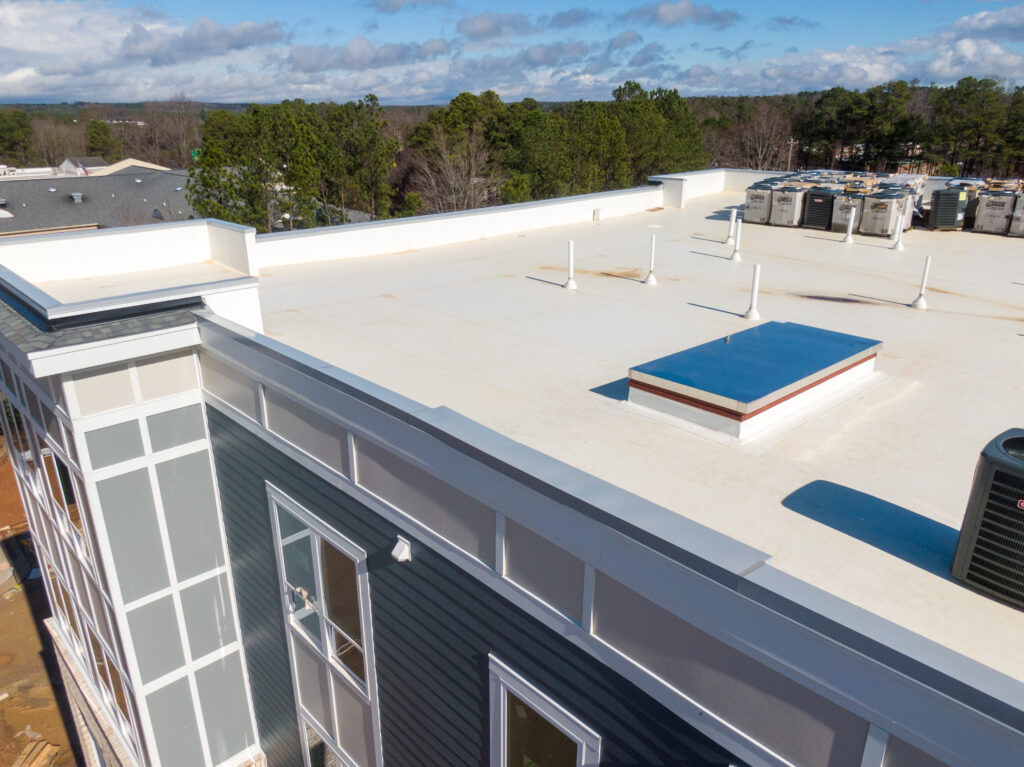
Protect Your Commercial Property with Puetz Construction
Replacing a flat roof is one of the most important investments a property owner can make. Understanding what affects the cost allows you to plan confidently, choose the right materials, and avoid hidden surprises. Whether you’re managing a retail space, warehouse, or industrial property in Faribault and surrounding areas, Puetz Construction delivers expert craftsmanship and long-lasting results backed by decades of experience.
To schedule a roof inspection or request a detailed estimate for your building, contact us today. Our commercial roofing professionals will help you select the best system for your needs, ensuring maximum protection, efficiency, and return on investment.
Fresh From our Blog