6 Flat Roof Ventilation Mistakes to Avoid
Puetz Construction | 8 Minute Read
A flat roof may look simple, but when it comes to long-term performance, few factors matter more than proper airflow. Without it, trapped heat and moisture can quickly lead to structural issues, leaks, and reduced insulation efficiency. Whether you manage a warehouse, retail space, or multi-unit facility, understanding flat roof ventilation is key to avoiding costly repairs down the road. Property owners in Owatonna and surrounding areas can also explore advanced roofing systems and ventilation strategies through our commercial roofing solutions designed to deliver reliable, energy-efficient performance for years.
In this guide, you’ll learn:
- Why ventilation matters for flat roofing systems
- The most common mistakes to avoid during design and installation
- How poor ventilation affects roof lifespan and efficiency
- Best practices for improving air circulation in commercial buildings
Why Proper Ventilation Matters in Flat Roofing Systems
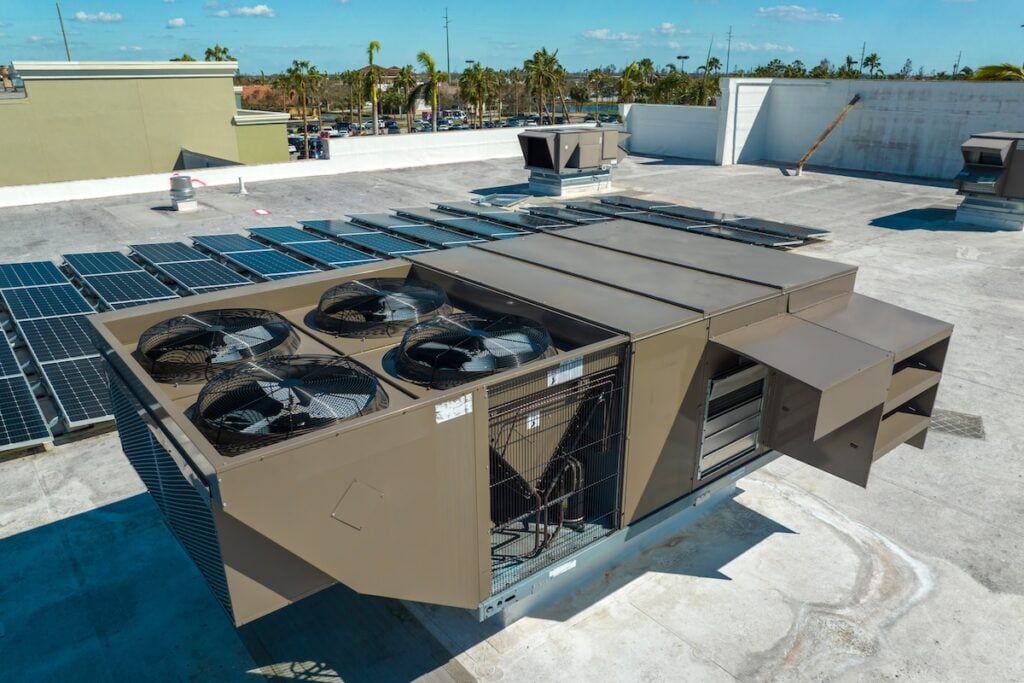
Ventilation may not always be visible, but it’s one of the most important components in a commercial roofing system. Flat roofs, in particular, need well-planned airflow to prevent moisture buildup, regulate temperature, and protect insulation and structural layers.
Here’s why it matters for property owners in Owatonna and surrounding areas:
- Prevents Moisture Damage: Proper airflow reduces condensation and prevents trapped moisture that can lead to mold and rot.
- Extends Roof Lifespan: Adequate ventilation minimizes thermal expansion and contraction, reducing stress on seams and membranes.
- Improves Energy Efficiency: Balanced airflow helps maintain consistent indoor temperatures and lowers heating and cooling costs.
- Reduces Maintenance Costs: By preventing leaks and insulation failure, ventilation reduces the frequency of costly repairs.
- Protects Interior Air Quality: Preventing moisture buildup inside roofing layers helps maintain a healthier environment for building occupants.
6 Common Flat Roof Ventilation Mistakes to Avoid
Flat roof ventilation may seem straightforward, but even small design or installation errors can have lasting consequences. Below are six of the most common mistakes property owners and contractors make—and how to prevent them.
1. Ignoring the Need for Ventilation Altogether
One of the most frequent mistakes is assuming flat roofs don’t need ventilation. Because these roofs are “flat,” many people believe air movement isn’t necessary. In reality, all roofing systems need a way to balance temperature and moisture levels.
- Unventilated roofs trap heat and condensation beneath the membrane.
- Excess moisture can saturate insulation, reducing its R-value and causing long-term structural damage.
- Even low-slope commercial roofs benefit from strategic vent placement.
Solution: Always include intake and exhaust ventilation in your flat roof design. Roof curbs, vents, and perforated perimeter systems can promote balanced airflow throughout the roof assembly.
2. Incorrect Vent Placement
Another common issue is poor vent positioning. Ventilation must be evenly distributed to allow airflow across the entire roof surface. When vents are placed too close together or on only one side, certain areas remain stagnant.
- Improper placement can cause uneven temperature zones.
- Areas with poor ventilation often experience condensation and early membrane degradation.
- Lack of balanced intake and exhaust prevents consistent air movement.
Solution: Work with an experienced roofing professional to calculate airflow requirements. Ideal vent placement depends on roof size, shape, and insulation layout. The goal is to create a steady circulation pattern that prevents heat and moisture buildup.
3. Using the Wrong Type of Vent System
Not all vents are suitable for flat roofs. Many commercial buildings mistakenly use residential-style vents or rely solely on rooftop fans that don’t fit the roof’s design or air volume needs.
Common vent types for flat roofing include:
- Turbine Vents: Wind-powered, effective for steady airflow but require regular maintenance.
- Box Vents: Stationary, passive options ideal for small or simple roofs.
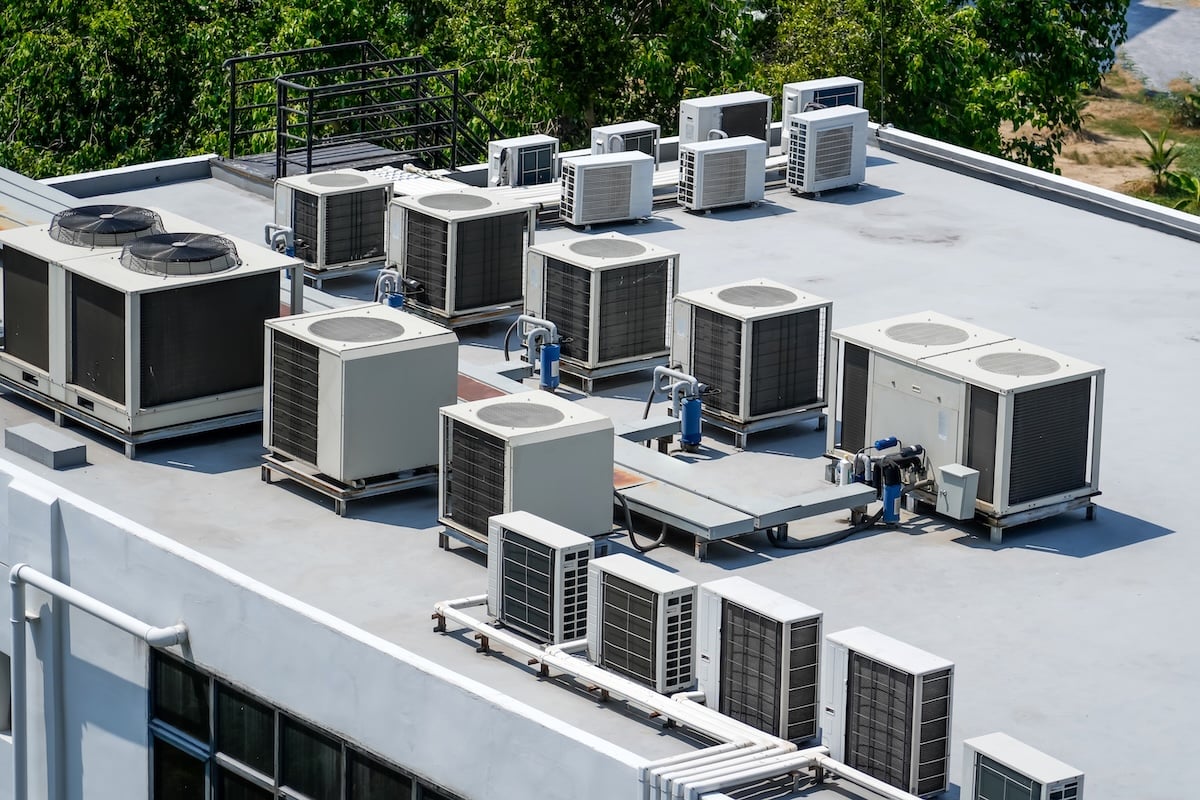
- Powered Vents: Use electric or solar fans for large buildings where passive airflow isn’t enough.
- Continuous Perimeter Vents: Provide even airflow across the roof’s edge, especially useful in low-profile buildings.
Solution: Choose vent systems specifically designed for flat or low-slope roofs. Consulting with a roofing specialist ensures the right type and size are selected for your building’s needs.
4. Blocking or Covering Vents
During renovations or repairs, vents are sometimes accidentally blocked by insulation, flashing, or roofing materials. Even partial obstruction can severely limit airflow and cause moisture problems to return.
- Insulation can shift or expand and block vent openings.
- Sealants or coatings applied over vents can reduce performance.
- Debris or snow buildup often clogs rooftop exhaust systems.
Solution: After installation or maintenance work, inspect vents to confirm they are clear and functional. Use baffles or vent guards to keep insulation and debris from obstructing openings while maintaining airflow.
5. Failing to Account for Seasonal Climate Conditions
Minnesota’s climate can be harsh, with freezing winters and humid summers that challenge even well-built roofs. Failing to plan ventilation for these conditions can lead to ice dams, condensation, and premature wear.
- Winter: Poor ventilation causes heat to escape into the roof deck, melting snow unevenly and creating ice dams.
- Summer: Trapped heat and humidity reduce insulation efficiency and stress roof materials.
Solution: Flat roof ventilation systems in Owatonna and surrounding areas should be designed to perform across all seasons. This often includes a mix of passive and mechanical systems for year-round airflow management.
6. Neglecting Routine Inspections and Maintenance
Even the best ventilation system can fail if not properly maintained. Over time, vents can become clogged, damaged, or disconnected, reducing overall performance.
- Clogged vents restrict airflow and lead to trapped moisture.
- Corrosion, nesting birds, or debris can block exhaust systems.
- Damaged or missing vents compromise the entire ventilation balance.
Solution: Schedule semiannual inspections and after major storms. Regular maintenance ensures vents are clear, secure, and performing efficiently. A proactive approach can save thousands in repair costs.
How to Design a Balanced Flat Roof Ventilation System
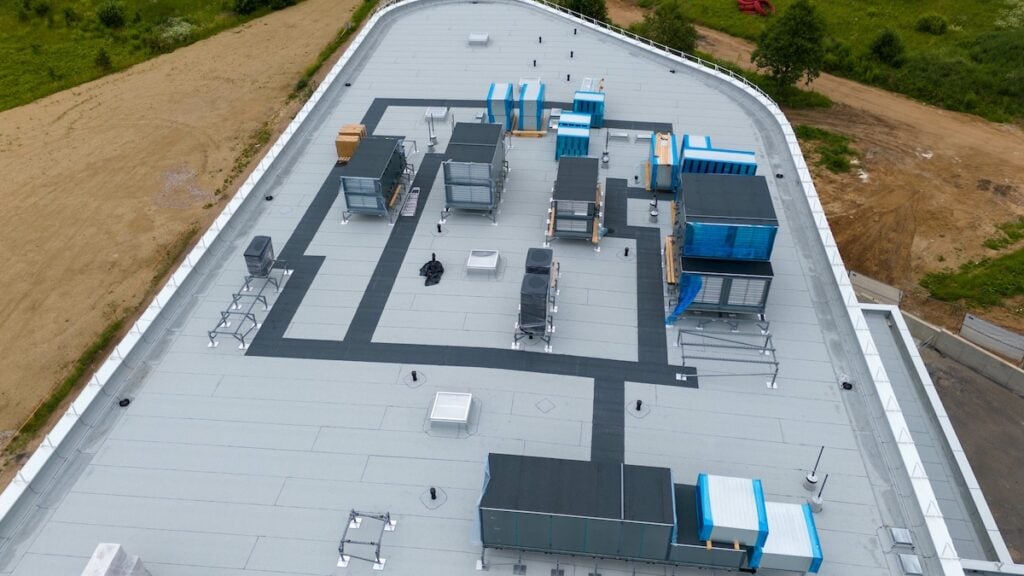
A well-designed ventilation system does more than prevent moisture—it actively extends the lifespan and performance of the entire roof. Here are key elements that define an effective setup.
Balanced Airflow
A flat roof system should have both intake and exhaust components working together to circulate air. The intake allows cooler air to enter, while exhaust vents push warm, moist air out.
- Typical ratio: 1 square foot of vent area for every 300 square feet of roof.
- Even spacing prevents hot or cold zones.
- Mechanical fans may supplement airflow in large buildings.
Proper Insulation Integration
Insulation plays a major role in ventilation performance. Without correct installation, air movement can be blocked or restricted.
- Maintain air gaps between insulation and roof decking.
- Use vapor barriers to prevent condensation.
- Ensure insulation doesn’t cover vents or restrict openings.
Drainage and Vapor Management
Poor drainage often amplifies ventilation issues. Standing water raises humidity inside roofing layers and accelerates deterioration.
- Ensure roof slopes and drainage systems are functioning correctly.
- Incorporate vapor release vents where moisture buildup is a concern.
- Use tapered insulation systems to direct water toward drains.
Comparing Ventilation Strategies for Commercial Roofs
Every building is different, which means ventilation needs to be tailored to the property’s structure, use, and climate. Below is a comparison of common strategies for commercial properties.
| Ventilation Type | Description | Best For | Maintenance Level |
| Passive Ventilation | Uses natural airflow between intake and exhaust vents | Small to mid-size roofs with steady air circulation | Low |
| Mechanical Ventilation | Uses fans to actively move air | Large or sealed buildings lacking natural airflow | Moderate |
| Hybrid Systems | Combines passive vents with powered assistance | Year-round performance in variable climates | Moderate |
| Vapor Release Systems | Allow trapped moisture to escape from roofing layers | Roofs with insulation or humidity issues | Low |
Many properties in Owatonna and surrounding areas benefit most from hybrid systems, which maintain consistent performance during both hot summers and freezing winters.
Signs Your Flat Roof Ventilation Needs Improvement
Recognizing early warning signs can help prevent larger problems later. If you notice any of the following, it’s time to have your ventilation system inspected:
- Unusual roof odors or damp smells
- Visible condensation on ceiling tiles or ductwork
- Increased indoor humidity levels
- Blistering or bubbling on roof membranes
- Rusted or wet insulation during repairs
- Higher-than-usual heating or cooling bills
These symptoms often indicate inadequate airflow or blocked vents—both of which can be corrected with professional adjustments or upgrades.
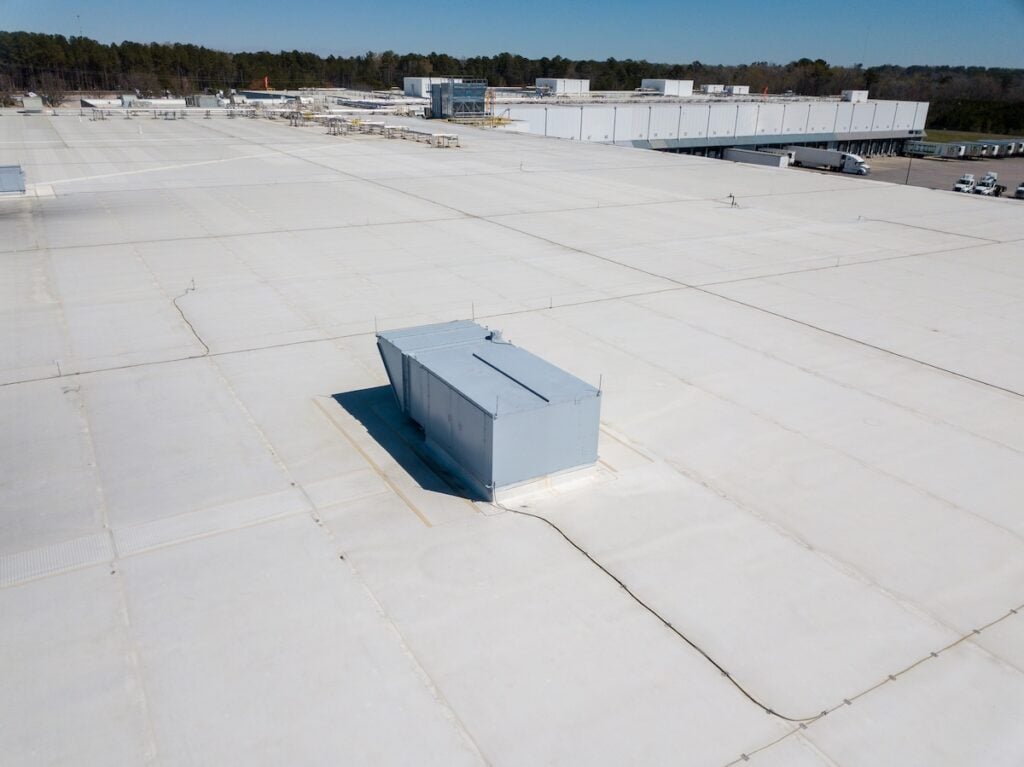
Keep Your Commercial Roof in Peak Condition with Puetz Construction
Proper flat roof ventilation is essential for protecting your investment, maintaining energy efficiency, and preventing moisture-related damage. The right system not only extends your roof’s lifespan but also improves comfort and performance throughout your building. If you manage a property in Owatonna and surrounding areas and suspect your ventilation system needs attention, Puetz Construction can help.
To learn more about effective ventilation solutions or to schedule a roof evaluation, contact us today. Our experienced commercial roofing team will assess your system, recommend improvements, and ensure your roof performs reliably in every season.
Fresh From our Blog