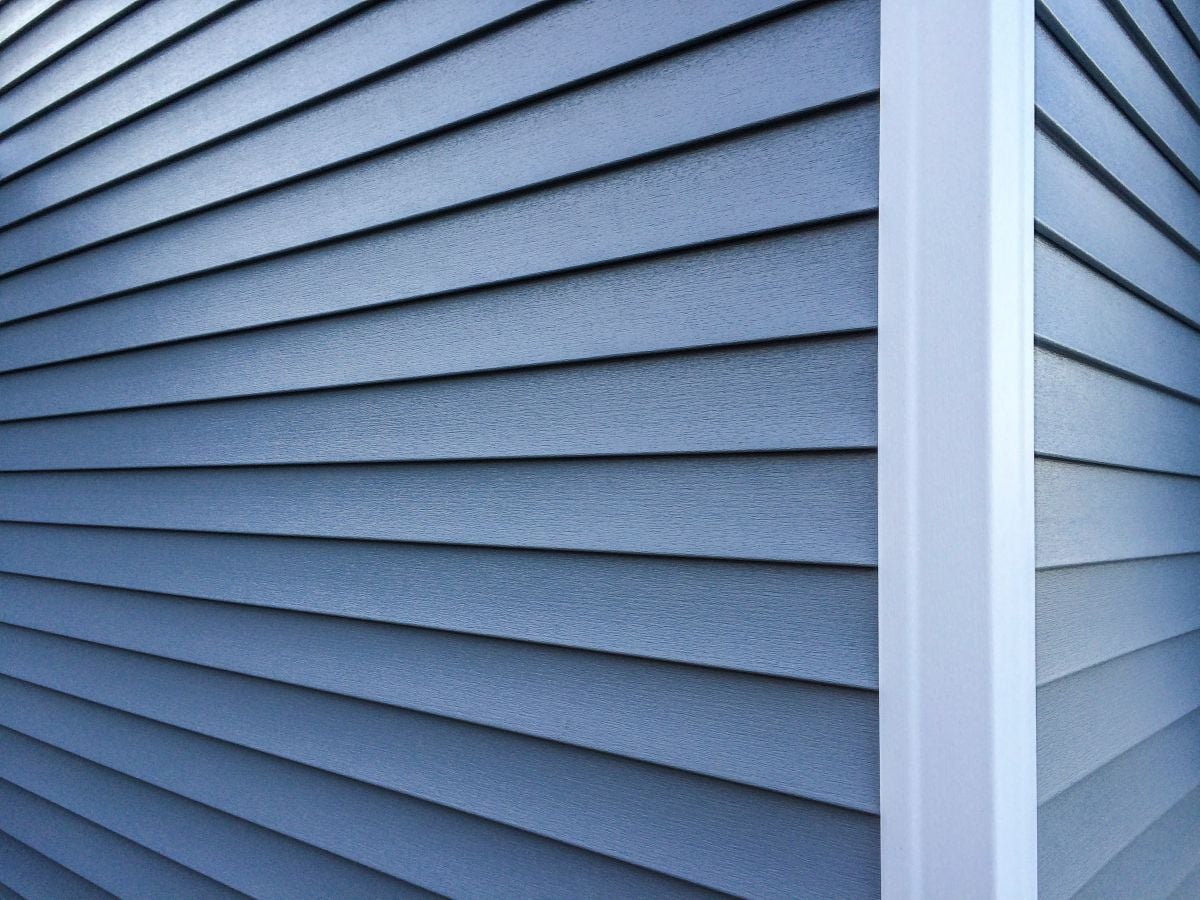
How Long Does Vinyl Siding Last in Cold Climates?
Puetz Construction | 10 Minute Read
When you invest in new exterior materials, you want to know they will stand the test of time. One of the most common questions homeowners ask is how long does vinyl siding last in regions that experience freezing temperatures, snow, and strong seasonal changes. In places like Rochester and surrounding areas, your home’s exterior must handle more than just curb appeal. It must protect against harsh conditions year after year.
In this guide, you will learn:
- The average lifespan of vinyl siding in cold climates
- What factors affect durability and performance
- How winter weather impacts siding materials
- Signs your siding may need repair or replacement
- Tips to help your siding last as long as possible
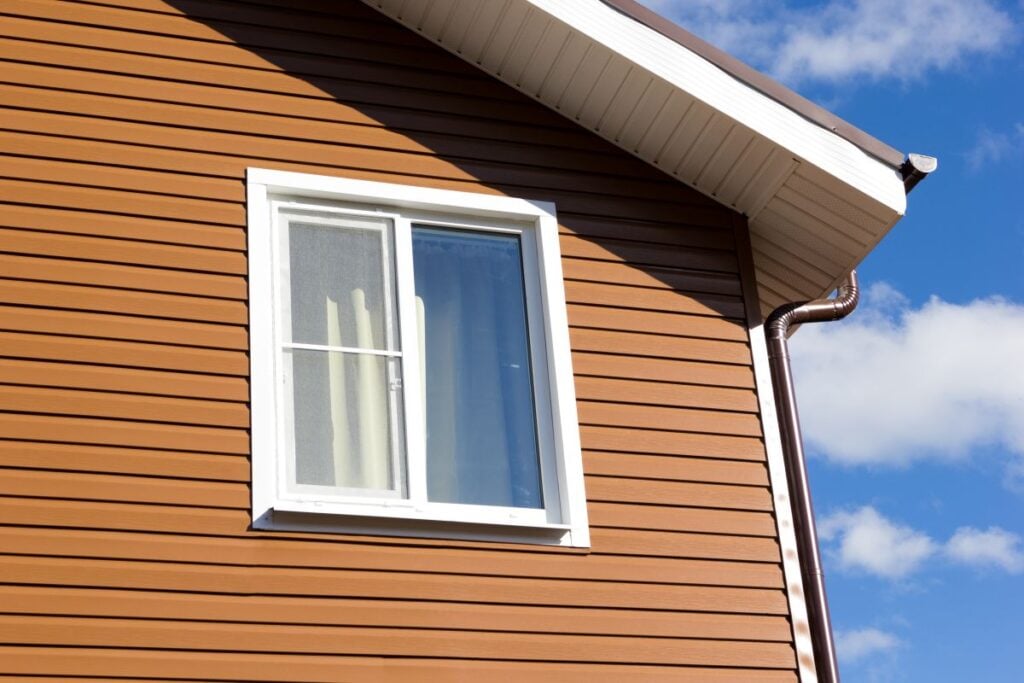
Why Vinyl Siding Longevity Matters in Cold Climates
In northern regions, your home’s exterior works harder than you might realize. Extreme temperature swings, moisture buildup, and ice can take a toll on even durable materials. Understanding the lifespan of vinyl siding helps you plan for maintenance, protect your investment, and avoid costly surprises.
Vinyl siding remains one of the most popular exterior options for homeowners in Rochester and surrounding areas because it balances affordability, durability, and low maintenance. Still, climate plays a major role in how long it truly lasts.
Here is why this topic is so important:
- Long Term Cost Savings: Knowing the realistic lifespan of vinyl siding helps you budget for eventual replacement and avoid premature failure due to neglect.
- Energy Efficiency Protection: Properly maintained siding supports insulation performance and helps reduce heating costs during long winters.
- Moisture Defense: In cold climates, trapped moisture can lead to mold, rot, and structural issues behind siding if it is compromised.
- Curb Appeal and Home Value: Well maintained siding preserves your home’s appearance and resale value, especially in competitive housing markets.
- Storm Resistance: Quality siding that is properly installed can better withstand wind, snow, and ice common in this region.
Understanding these benefits allows homeowners to make informed decisions about repairs, upgrades, and installation.
5 Factors: How Long Does Vinyl Siding Typically Last in Cold Climates?
On average, vinyl siding lasts between 20 and 40 years. In many cases, high quality products installed correctly can reach or exceed the 40 year mark, even in colder regions. However, that range depends heavily on several key factors.
Below are the primary elements that influence how long vinyl siding lasts in climates like Rochester and surrounding areas.
1. Quality of Materials
Not all vinyl siding is manufactured to the same standards. Thickness, composition, and UV protection vary widely between products.
Higher grade siding typically includes:
- Greater panel thickness for improved impact resistance
- Enhanced UV inhibitors to reduce fading and brittleness
- Stronger locking systems to prevent shifting in temperature swings
Lower quality siding may crack more easily during extreme cold, especially when temperatures drop well below freezing. Investing in premium materials upfront often results in a longer lifespan and fewer repairs.
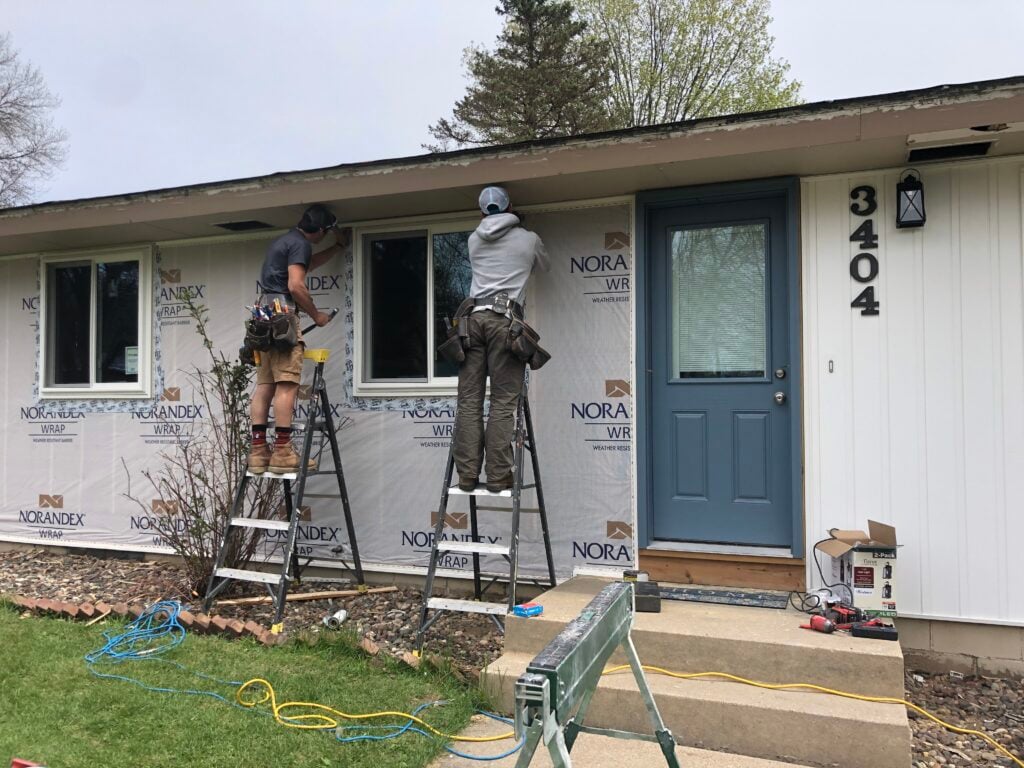
2. Professional Installation
Even the best siding can fail early if installed improperly. Cold climates require careful installation techniques to allow for expansion and contraction.
Proper installation includes:
- Leaving adequate room for expansion
- Securing panels without over fastening
- Installing proper moisture barriers beneath the siding
- Ensuring correct flashing around windows and doors
Improperly nailed siding can buckle in summer heat or crack in winter cold. Experienced contractors understand how temperature affects vinyl movement and install accordingly.
3. Exposure to Extreme Weather
Cold climates introduce unique challenges that affect durability over time.
Winter conditions may cause:
- Brittle cracking from impact with ice or debris
- Warping from freeze and thaw cycles
- Increased stress at seams and corners
Heavy snow accumulation and ice dams can also trap moisture against siding, especially if gutters are not functioning properly. Homes in Rochester and surrounding areas regularly face these seasonal stresses, which makes routine inspection essential.
4. Sunlight and UV Exposure
It might seem surprising, but sunlight plays a major role in siding lifespan, even in colder regions.
Over time, UV rays can:
- Cause fading
- Reduce flexibility
- Increase brittleness
South and west facing walls often experience more sun exposure, leading to uneven aging across the exterior.
5. Maintenance Habits
Vinyl siding is considered low maintenance, but that does not mean no maintenance. Regular cleaning and inspections can significantly extend its lifespan.
Simple steps include:
- Washing siding annually to remove dirt and mildew
- Checking for loose panels after storms
- Ensuring proper drainage around the foundation
- Trimming trees and shrubs away from the exterior
Homeowners who stay proactive often see their siding last closer to the upper end of the 40 year range.
How Cold Weather Specifically Impacts Vinyl Siding
Understanding how winter affects siding helps explain why lifespan varies in northern climates. Vinyl is designed to be durable, but temperature fluctuations create constant expansion and contraction.
In Rochester and surrounding areas, where winters are long and temperatures frequently drop below freezing, siding must endure months of cold stress.
Expansion and Contraction Cycles
Vinyl expands in heat and contracts in cold. Over time, repeated movement can stress fasteners and seams. If installation did not allow proper flexibility, panels may loosen or crack.
Brittleness in Extreme Cold
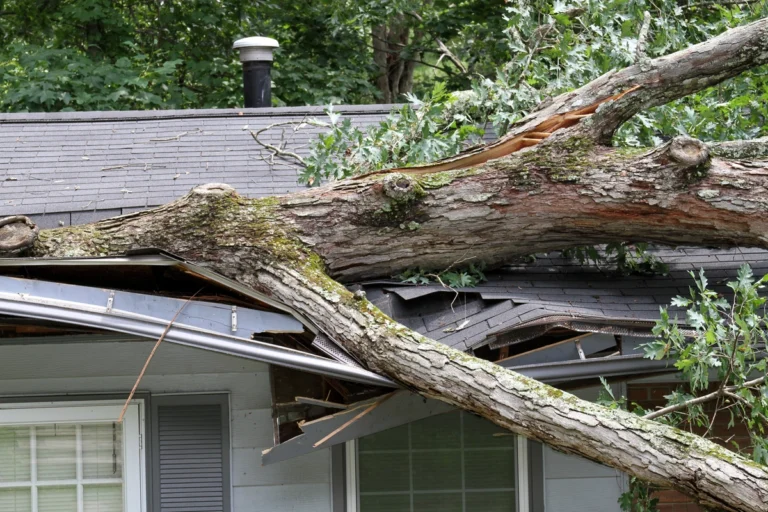
As temperatures drop, vinyl becomes less flexible. A minor impact from a snow shovel, falling branch, or hail can cause cracking during the winter months. This type of damage is more common when siding has aged or lost flexibility.
Moisture and Ice Concerns
Moisture is often the hidden threat in cold climates. When water seeps behind siding and freezes, it expands. Repeated freeze and thaw cycles can lead to:
- Loosening panels
- Warping
- Mold growth beneath the surface
Proper house wrap and flashing installation help prevent these issues.
Wind and Storm Stress
Winter storms can bring strong winds along with snow and ice. Securely installed vinyl siding can withstand significant wind loads, but aging panels may detach more easily.
Routine inspection after major storms is a smart practice to catch small problems before they become major repairs.
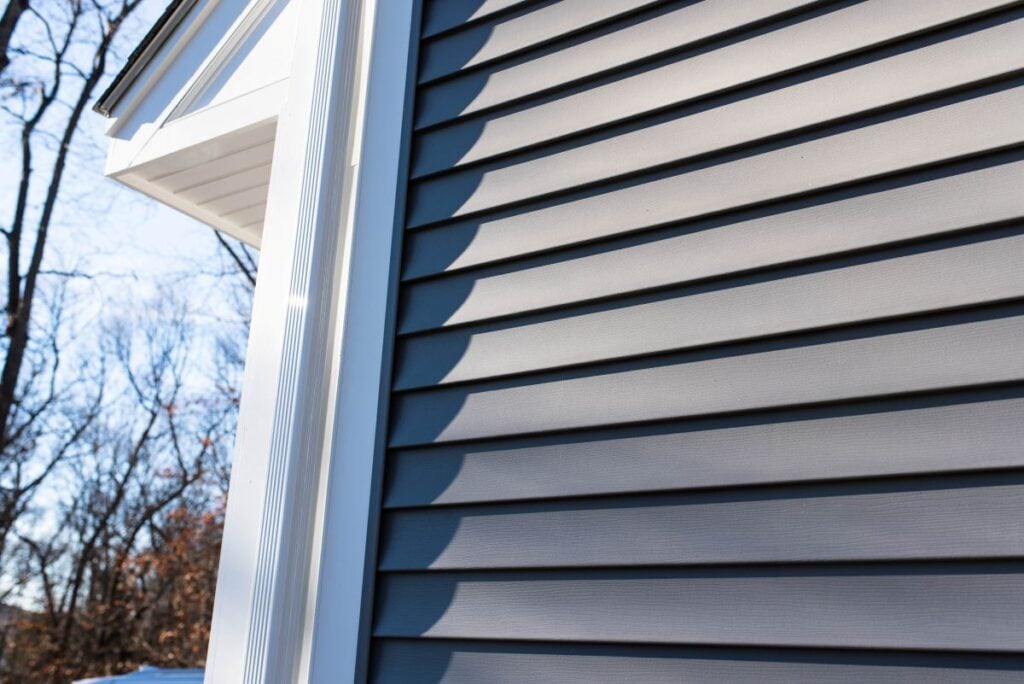
Signs Your Vinyl Siding May Be Nearing the End of Its Life
Even durable siding eventually shows signs of wear. Knowing what to watch for can help you decide whether repair or full replacement is the best option.
If your siding is 20 years old or more, pay close attention to the following indicators.
Cracking and Splitting
Cracks often appear first at panel edges or around fasteners. In cold climates, these cracks can spread quickly during winter.
Small cracks may be repairable, but widespread splitting typically indicates aging material that has lost flexibility.
Warping or Buckling
Visible warping may signal improper installation or long term expansion stress. Buckling panels can allow moisture behind the siding, which leads to additional structural concerns.
Loose or Missing Panels
High winds and freeze cycles may cause panels to detach. Repeated issues in multiple areas may suggest that fasteners have weakened over time.
Fading and Discoloration
Severe fading is often cosmetic, but it can also indicate UV degradation. Older siding that appears chalky or brittle may be more prone to cracking.
Increased Energy Bills
If your heating costs rise unexpectedly, damaged siding may be contributing to air leaks or insulation issues. While siding itself is not insulation, it plays a role in protecting the building envelope.
If you notice several of these issues, it may be time to consult a professional for an evaluation.
Repair or Replace: Making the Right Decision
When siding problems appear, homeowners often wonder whether spot repairs are sufficient or if full replacement makes more sense. The answer depends on age, damage extent, and overall condition.
In Rochester and surrounding areas, winter damage sometimes reveals weaknesses that were developing slowly over time.
When Repairs May Be Enough
Repairs are often appropriate when:
- Damage is limited to a small area
- Panels are still flexible and in good condition
- The siding is under 15 to 20 years old
- Color matching is still possible
Replacing individual panels can extend the life of relatively new siding without the cost of a full replacement.
When Replacement Is the Better Option
Full replacement may be recommended when:
- Cracks and warping appear in multiple areas
- Moisture damage is suspected behind panels
- Siding is more than 25 to 30 years old
- Energy efficiency improvements are desired
Modern vinyl siding products often provide better insulation backing, stronger durability, and improved color retention compared to older installations.
A professional assessment can help determine the most cost effective solution for your specific home.
How to Maximize the Lifespan of Vinyl Siding in Cold Climates
If you want your vinyl siding to last as long as possible, a proactive approach is essential. While climate cannot be controlled, maintenance and quality installation make a significant difference.
Here are practical strategies to help extend siding performance.
Schedule Regular Inspections
At least once per year, walk around your home and look for visible damage. Early detection prevents small cracks from expanding during winter freeze cycles.
Consider professional inspections every few years, especially after severe storms.
Keep Gutters and Downspouts Clear
Proper drainage protects siding from excess moisture exposure. Ice dams and overflowing gutters can direct water behind panels, accelerating deterioration.
Ensure gutters are cleaned in late fall before heavy snowfall begins.
Wash Siding Annually
Dirt, mildew, and debris can accumulate over time. Use a garden hose and mild cleaning solution to gently wash the exterior.
Avoid high pressure washing, which can force water behind panels.
Address Repairs Promptly
Do not ignore small cracks or loose panels. Cold weather can quickly turn minor issues into larger structural concerns.
Prompt repairs protect the integrity of your home’s exterior envelope.
Choose Professional Installation
If you are building new or replacing old siding, selecting an experienced contractor is one of the most important decisions you can make. Proper installation accounts for temperature fluctuations, moisture control, and ventilation needs specific to cold regions.
Homeowners in Rochester and surrounding areas benefit from working with professionals who understand local climate demands.
Comparing Vinyl to Other Siding Options in Cold Climates
While vinyl is popular, it is helpful to understand how it compares to other materials commonly used in colder regions.
Vinyl Siding
- Lifespan: 20 to 40 years
- Maintenance: Low
- Cost: Moderate
- Cold Weather Performance: Good with proper installation
Fiber Cement
- Lifespan: 30 to 50 years
- Maintenance: Moderate
- Cost: Higher
- Cold Weather Performance: Excellent durability but heavier installation requirements
Wood Siding
- Lifespan: 20 to 40 years with maintenance
- Maintenance: High
- Cost: Varies
- Cold Weather Performance: Vulnerable to moisture and rot without consistent upkeep
Vinyl offers a strong balance between cost, longevity, and maintenance, which is why many homeowners continue to choose it for properties in northern climates.
Final Thoughts on Vinyl Siding Longevity
So, how long does vinyl siding last in cold climates? For most homes, you can expect 20 to 40 years of performance, depending on material quality, installation standards, maintenance habits, and environmental exposure.
In regions like Rochester and surrounding areas, winter conditions make professional installation and routine care even more important. Cold temperatures, moisture, and seasonal expansion all influence durability over time.
If you are noticing signs of wear or simply want an expert opinion on your home’s exterior, Puetz Construction is here to help. Our team understands the unique demands that northern climates place on siding systems. Whether you need repairs, an inspection, or a full replacement, contact us today at to schedule a consultation and protect your home for decades to come.
Fresh From our Blog