How to Find a Roof Leak Before It Spreads (In 7 Easy Steps)
Puetz Construction | 8 Minute Read
A small water stain on the ceiling might not seem urgent, but ignoring it can lead to costly structural damage. Knowing how to find a roof leak early can save you thousands in repairs and protect your home’s integrity. In climates like Mankato and surrounding areas, where storms and snow are common, roof leaks can escalate quickly.
In this guide, you will learn:
- Why early leak detection is critical
- The most common warning signs of roof leaks
- 7 practical steps to locate the source
- When to handle minor issues yourself
- When it is time to call a professional
Why Finding a Roof Leak Early Is So Important
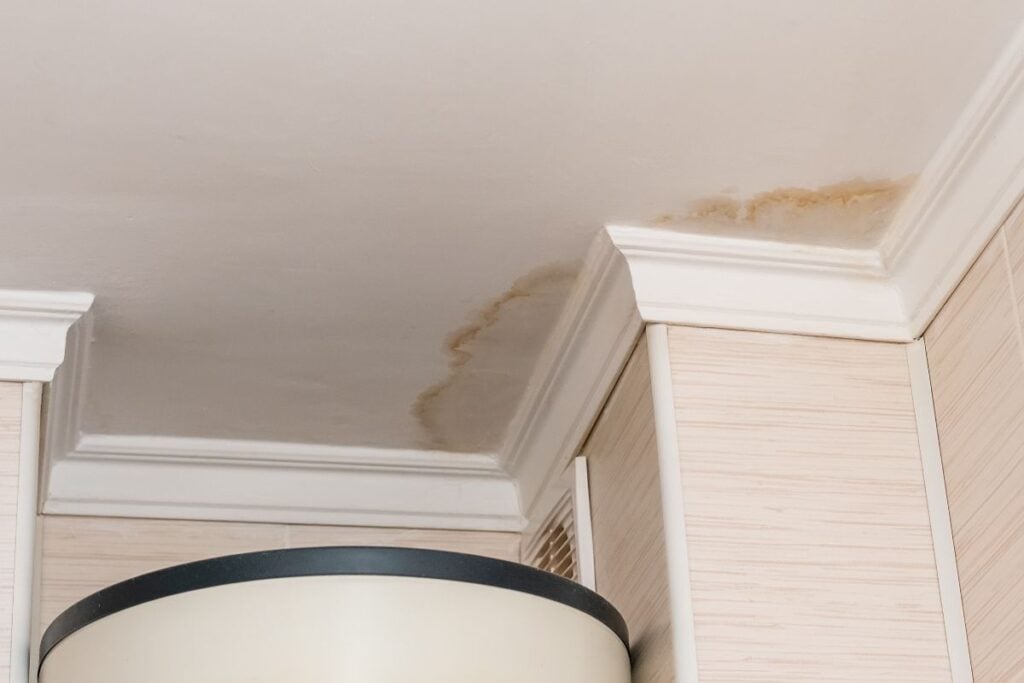
Roof leaks rarely stay small. Water follows the path of least resistance, often traveling far from the original entry point before becoming visible inside your home. By the time you see a stain, moisture may have already impacted insulation, framing, or drywall.
Homeowners in Mankato and surrounding areas face additional challenges due to heavy snow, ice dams, wind driven rain, and seasonal temperature swings. These factors increase the likelihood of roof vulnerabilities over time.
Here is why learning to find a roof leak quickly matters:
- Prevents Structural Damage: Water intrusion can weaken roof decking, rafters, and ceiling joists if left untreated.
- Reduces Mold Risk: Moist environments inside attics create ideal conditions for mold growth, which can impact indoor air quality.
- Protects Insulation Performance: Wet insulation loses its effectiveness, raising heating and cooling costs.
- Minimizes Repair Costs: Addressing a minor leak early is far less expensive than replacing large sections of roofing or interior finishes.
- Preserves Home Value: A well maintained roof reassures potential buyers and protects long term property value.
Early detection is not just about fixing a drip. It is about safeguarding your entire home system.
7 Easy Steps to Find a Roof Leak Before It Spreads
Locating a roof leak can be challenging because water often travels before dripping. These seven steps will help you narrow down the source in a logical and safe way.
Before beginning, prioritize safety. Avoid climbing onto a wet or icy roof, especially during winter conditions common in Mankato and surrounding areas.
1. Look for Interior Warning Signs
Start inside your home. Visible damage often provides the first clues.
Check for:
- Water stains on ceilings or walls
- Peeling paint or bubbling drywall
- Sagging ceiling sections
- Damp insulation in the attic
Use a flashlight to inspect dark corners and ceiling joints. Pay close attention to areas beneath roof penetrations such as chimneys and vents.
2. Inspect the Attic Carefully
If your home has attic access, this is one of the most effective places to begin your investigation.
Look for:
- Wet or compressed insulation
- Water stains on rafters or roof decking
- Mold or mildew growth
- Rusted nails protruding through the decking
If possible, inspect the attic during daylight. Sunlight shining through small gaps can reveal holes or missing shingles above.
3. Trace the Water Path Upward
Water rarely drips straight down from the entry point. It often travels along beams or decking before reaching your ceiling.
Once you locate moisture in the attic, trace it uphill toward the roof slope. The highest damp point usually indicates where water is entering.
Mark the area with chalk or tape so you can locate it from the exterior later.
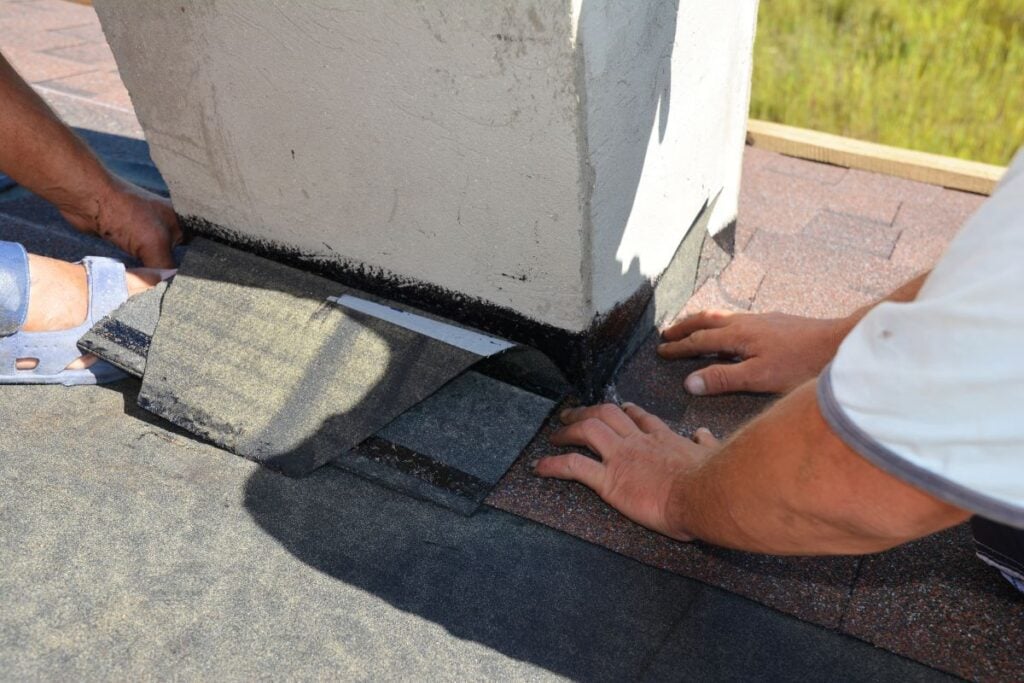
4. Check Roof Penetrations
Roof penetrations are common sources of leaks. These include areas where something interrupts the shingle surface.
Inspect around:
- Chimneys
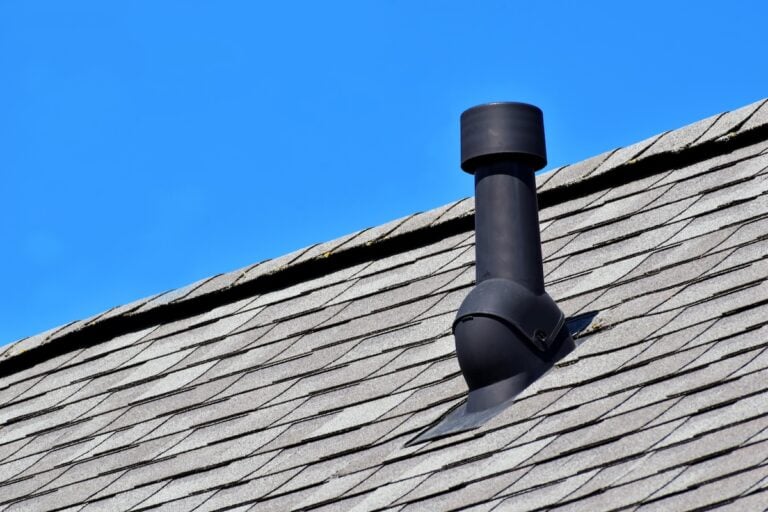
- Plumbing vent pipes
- Skylights
- Exhaust vents
Flashing around these features can deteriorate over time. Cracked sealant or lifted metal edges often allow water to seep underneath shingles.
5. Examine Shingles and Surface Damage
From ground level or safely on the roof, inspect shingles for visible issues.
Look for:
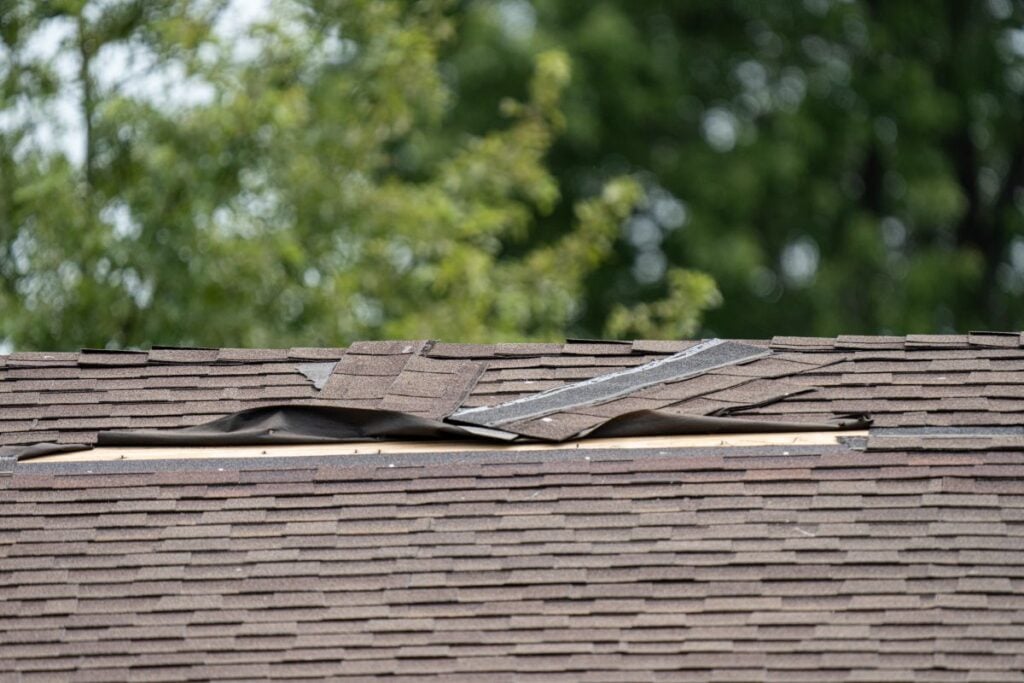
- Missing shingles
- Cracked or curling shingles
- Granule loss
- Soft or spongy spots
After severe storms in Mankato and surrounding areas, wind damage is a frequent culprit. Even one missing shingle can expose the underlayment to moisture.
6. Inspect Valleys and Low Points
Roof valleys, where two slopes meet, channel significant amounts of water during rain and snowmelt. These areas are especially vulnerable.
Check for:
- Debris buildup
- Damaged flashing
- Worn shingle edges
- Cracked sealant
Blocked valleys can cause water to back up under shingles and into the home.
7. Perform a Controlled Water Test
If the source remains unclear, a controlled water test can help pinpoint the problem.
With a helper inside the attic:
- Use a garden hose to spray small sections of the roof at a time
- Start at the lowest suspected area and work upward
- Wait several minutes between sections
The person inside should watch for drips. Once water appears, you have likely found the leak source.
Only conduct this test in safe weather conditions and avoid excessive water pressure.
Common Causes of Roof Leaks in Minnesota Homes
Understanding what causes leaks helps you know where to look and how to prevent future issues.
Roofs in Mankato and surrounding areas experience harsh seasonal changes that contribute to wear and tear.
Aging Roofing Materials
As shingles age, they lose flexibility and protective granules. Over time, this increases the likelihood of cracking and moisture penetration.
Most asphalt shingle roofs last between 20 and 30 years, depending on maintenance and weather exposure.
Ice Dams
Ice dams form when warm air escapes into the attic, melting snow on the roof. The melted water refreezes at the eaves, creating a barrier that traps additional water behind it.
This trapped water can seep under shingles and cause interior leaks.
Poor Installation
Improper flashing placement, incorrect nailing patterns, or inadequate underlayment can lead to premature failure.
Professional installation is critical to ensuring long term roof performance.
Clogged Gutters
When gutters are blocked with debris, water can back up under the roof edge.
Routine gutter cleaning helps prevent water intrusion along eaves and fascia boards.
Storm Damage
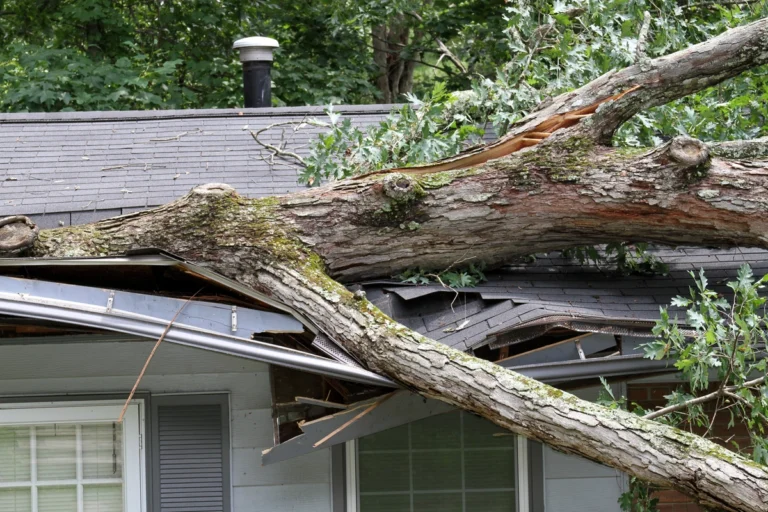
High winds, hail, and heavy rainfall can loosen shingles and expose vulnerable areas.
After major storms, it is wise to inspect your roof for damage even if no immediate leaks are visible.
Temporary Fixes vs. Permanent Repairs
Once you locate a leak, your next decision involves how to address it.
Not all roof issues require immediate full replacement, but some demand urgent professional attention.
Temporary Measures
If weather conditions prevent immediate repair, temporary steps may include:
- Covering the affected area with a tarp
- Applying roofing tape to small cracks
- Sealing minor gaps with roofing sealant
These measures can reduce further water intrusion but should not be considered permanent solutions.
Permanent Solutions
Permanent repair options depend on the cause of the leak.
They may involve:
- Replacing damaged shingles
- Repairing or replacing flashing
- Installing new underlayment
- Addressing ventilation issues
If your roof is nearing the end of its lifespan, replacement may be the most cost effective long term option.
Preventing Future Roof Leaks
Prevention is always easier than repair. Proactive maintenance significantly reduces the risk of unexpected water intrusion.
Homeowners in Mankato and surrounding areas benefit from seasonal inspections due to fluctuating weather conditions.
Schedule Routine Inspections
Professional inspections every few years can identify small problems before they escalate.
Spring and fall are ideal times for roof evaluations.
Maintain Proper Ventilation
Adequate attic ventilation helps regulate temperature and reduce moisture buildup.
Balanced airflow minimizes ice dam formation during winter months.
Clean Gutters Regularly
Remove leaves and debris at least twice per year.
Clear gutters allow proper drainage and prevent water from pooling along roof edges.
Trim Overhanging Branches
Tree limbs rubbing against shingles can cause wear and tear.
Keeping branches trimmed also reduces debris accumulation on the roof surface.
When to Call a Professional Roofing Contractor
While some homeowners feel comfortable inspecting their roof, certain situations require expert assistance.
You should contact a professional if:
- The leak source remains unclear
- You notice widespread shingle damage
- There are signs of structural sagging
- Mold growth is visible in the attic
- The roof is older than 20 years
Climbing onto a roof can be dangerous, particularly in steep or icy conditions. Professional contractors have the training and equipment to assess issues safely.
In Mankato and surrounding areas, seasonal weather patterns can make minor problems worsen quickly. Addressing them promptly protects your home investment.
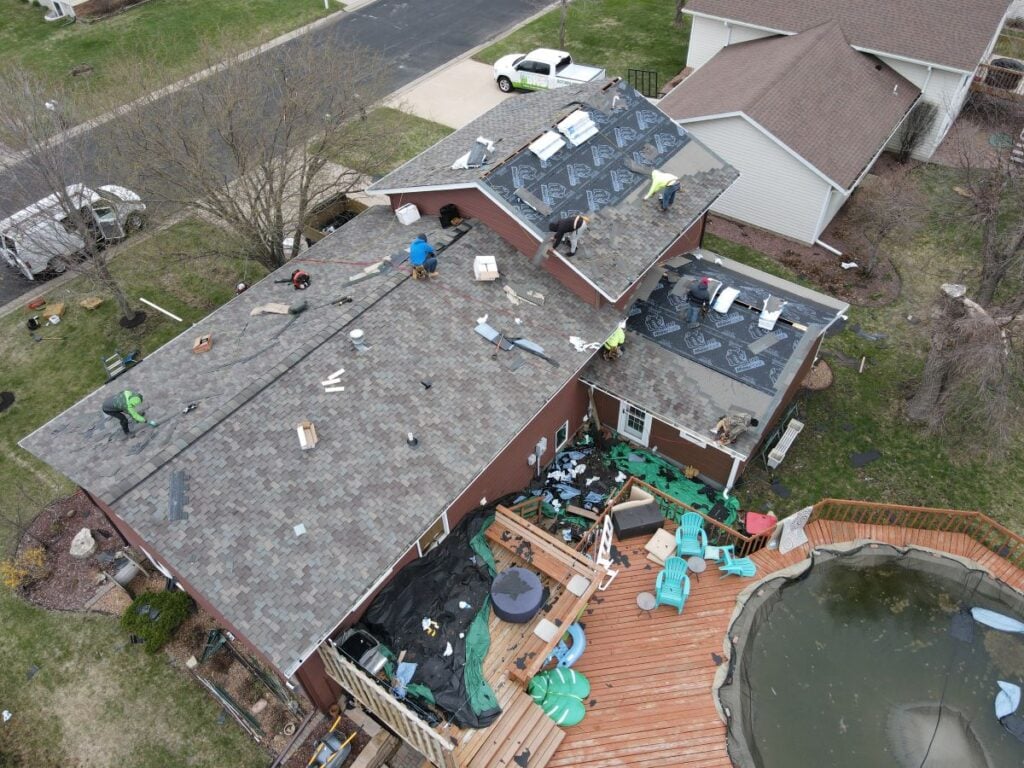
Protect Your Home Before a Small Leak Becomes a Major Problem
Learning how to find a roof leak empowers you to act quickly and minimize damage. By following these seven steps and understanding common causes, you can identify potential issues before they spread.
However, roof systems are complex. What appears to be a small leak may signal deeper structural concerns. If you suspect damage or want a thorough evaluation, Puetz Construction is ready to help.
Do not wait until water stains turn into costly repairs. Contact us today to schedule a professional inspection with Puetz Construction and protect your home in Mankato and surrounding areas for years to come.
Fresh From our Blog