Metal Roof vs Shingles: Pros, Cons & Cost Comparison (2026)
Puetz Construction | 6 Minute Read
When it comes to choosing the perfect roofing material for your home, the debate often boils down to metal roof vs shingles. While both have their merits, the key to making the right decision lies in understanding which material best complements your needs, budget, and aesthetic preferences.
This blog will explore the topic in depth, covering the following areas:
- Cost differences between metal roofs and shingles
- The key differences between metal roofs and shingles
- Why many homeowners choose metal roofs

Cost Differences Between Metal Roofs and Shingles
When it comes to cost, there are notable differences between metal roofs and shingles that can influence your decision.
- Shingles: More affordable upfront with lower material and installation costs.
- Asphalt shingles, the most common type, are widely available.
- Installation requires less specialized labor, making them budget-friendly.
- Metal Roofs: Higher initial cost due to material prices and the need for specialized installation skills.
- Longer lifespan compared to shingles, leading to less frequent replacements and potential long-term savings.
- Energy-efficient with reflective properties that can lower cooling costs.
By weighing the upfront investment against the potential long-term savings, you can identify which option aligns better with your budget and future plans.
Metal Roof vs Shingles Comparison Table
To make the differences easier to compare, here’s a side-by-side breakdown of key factors homeowners consider:
| Feature | Metal Roofing | Asphalt Shingles |
|---|---|---|
| Lifespan | 40–70 years | 15–30 years |
| Cost (Installed) | $10–$16 per sq ft | $4–$8 per sq ft |
| Maintenance | Low | Moderate |
| Wind Resistance | 140+ mph | 60–130 mph |
| Snow Shedding | Excellent | Moderate |
| Best For | Long-term investment | Budget-friendly replacement |
Metal roofs last 40–70 years but cost more upfront. Asphalt shingles are more affordable initially but typically last 15–30 years.

3 Differences Between Metal Roof and Shingles
While both options protect your home effectively, metal roofing and asphalt shingles differ significantly in lifespan, appearance, and long-term value. Understanding these differences can help you choose the right roof for your budget, climate, and long-term plans.
1. Durability and Longevity
If longevity is your top priority, metal roofing has a clear advantage.
Metal roofs typically last 40–70 years, depending on the material (steel, aluminum, or copper). They are engineered to withstand:
- High winds (often rated up to 140 mph)
- Heavy snow loads
- Hail impact
- Extreme temperature swings
- Fire exposure
Because metal panels interlock and shed water efficiently, they are less prone to leaks and structural deterioration over time.
Asphalt shingles, by comparison, typically last 15–30 years. Architectural shingles can extend toward the higher end of that range, but they remain more vulnerable to:
- Curling or cracking in freeze-thaw cycles
- Granule loss over time
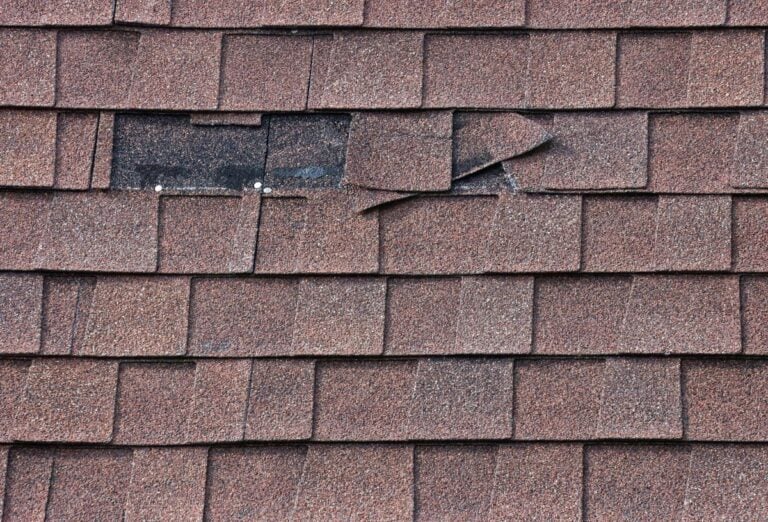
- Wind uplift in strong storms
For homeowners planning to stay in their home long-term, metal roofing often reduces the likelihood of needing a second replacement.
Metal lasts significantly longer, especially in areas with harsh winters or severe weather.
2. Aesthetic Appeal
Aesthetic preference often comes down to architectural style.
Metal roofing offers a clean, modern look and is available in:
- Standing seam panels
- Metal shingles or tiles
- Dozens of factory finishes and colors
It works especially well on contemporary homes, farmhouses, cabins, and high-end builds.
Asphalt shingles provide a more traditional appearance and are widely used in suburban neighborhoods. Options include:
- 3-tab shingles (budget-friendly)
- Architectural/dimensional shingles (more texture and depth)
- A wide range of colors to match siding and trim
If maintaining a classic residential look is important, shingles may blend more seamlessly with surrounding homes.
Metal offers a modern aesthetic; shingles deliver traditional curb appeal.
3. Cost
Cost is often the deciding factor.
Installed pricing typically ranges:
- Metal roofing: $10–$16 per square foot
- Asphalt shingles: $4–$8 per square foot
Metal requires a higher upfront investment due to material costs and specialized installation. However, it generally:
- Requires less maintenance
- Lasts 2–3 times longer
- May improve energy efficiency through reflective coatings
- Can increase resale value in some markets
Asphalt shingles are more affordable initially, making them ideal for:
- Budget-conscious homeowners
- Short-term homeownership plans
- Quick roof replacements
However, over a 40–50 year period, shingles may require replacement twice, which can narrow the cost gap significantly.
Shingles cost less upfront. Metal often costs less over the lifetime of the home.
Why Many Homeowners Choose Metal Roofs
While shingles are still a popular option for budget-conscious homeowners, many are shifting toward metal roofs for long-term benefits like durability, energy efficiency, and added home value.
Energy Efficiency
Metal roofs are excellent for energy savings. They reflect solar heat, keeping your home cooler and reducing cooling costs by up to 25%. In contrast, asphalt shingles tend to absorb heat, which can raise indoor temperatures and lead to higher energy bills during hot months. With a metal roof, you can enjoy a more comfortable home and lower utility costs.
Eco-Friendliness
If sustainability is important to you, metal roofs are a clear winner. They are highly recyclable, and many are even made from recycled materials, making them an environmentally friendly choice. On the other hand, asphalt shingles are rarely recycled and often end up in landfills, contributing to unnecessary waste. Choosing metal can help reduce your environmental impact while providing a durable roofing solution.
Fire Resistance
One of the standout benefits of metal roofs is their natural fire resistance. Unlike shingles, which can ignite under certain conditions, metal roofs are flame-retardant and provide an extra layer of protection for your home. This is especially valuable in areas prone to wildfires, where a fire-resistant roof can make a significant difference in safeguarding your property.

Partnering with Puetz Construction for Your Roofing Needs
When it comes to deciding between a metal roof and shingles, the choice ultimately depends on your budget, style preferences, and long-term goals for your home. No matter which option you choose, the team at Puetz Construction is here to ensure your roofing project is completed with expertise, quality, and care.
With years of experience, trusted materials, and a commitment to customer satisfaction, we’re the team Southern Minnesota families rely on for all their roofing needs. Ready to get started? Contact us today for a free inspection and let us help you find the perfect roofing solution for your home!
FAQ’s
Is a metal roof worth the extra cost?
A metal roof typically costs more upfront than asphalt shingles, but it can last 2–3 times longer. While shingles may need replacement every 20–30 years, a properly installed metal roof can last 40–70 years. For homeowners planning to stay long-term, metal often provides better lifetime value and lower maintenance costs.
Which roof is better for Minnesota winters?
Metal roofing performs exceptionally well in Minnesota’s heavy snow and freeze-thaw conditions. Snow sheds more easily from metal panels, which can reduce ice dam buildup. Asphalt shingles also perform well when properly ventilated and installed with ice-and-water shield, but they may retain snow longer.
For homes in areas with significant snowfall, metal roofing can offer an advantage in long-term durability.
Do metal roofs make more noise during rain or hail?
Not when properly installed. Modern metal roofing systems are installed over solid decking and underlayment, which significantly reduces noise. In most residential applications, homeowners do not notice a difference compared to shingles.
Which roofing option requires less maintenance?
Metal roofs generally require less maintenance over time. They are less prone to cracking, curling, or granule loss. Asphalt shingles may require periodic repairs, especially after storms or high winds.
Fresh From our Blog