PVC Membrane Roof: Pros, Cons & Installation Guide
Puetz Construction | 8 Minute Read
When it comes to protecting commercial and industrial buildings, one roofing option consistently delivers long-lasting results: the PVC membrane roof. Known for its strength, flexibility, and energy efficiency, PVC has been a trusted solution for property owners seeking a dependable, low-maintenance system. Whether you manage a retail center, warehouse, or large facility in Red Wing and surrounding areas, understanding how this roofing system works—and what affects its performance—can help you make a smart investment. You can also explore advanced flat-roof materials and installation methods within our commercial roofing solutions designed for long-term durability and energy performance.
In this guide, you’ll learn:
- The main benefits of a PVC membrane roof
- How the system is installed step by step
- Key pros and cons compared to other materials
- What maintenance and lifespan you can expect
Why PVC Roofing Is a Top Choice for Commercial Buildings
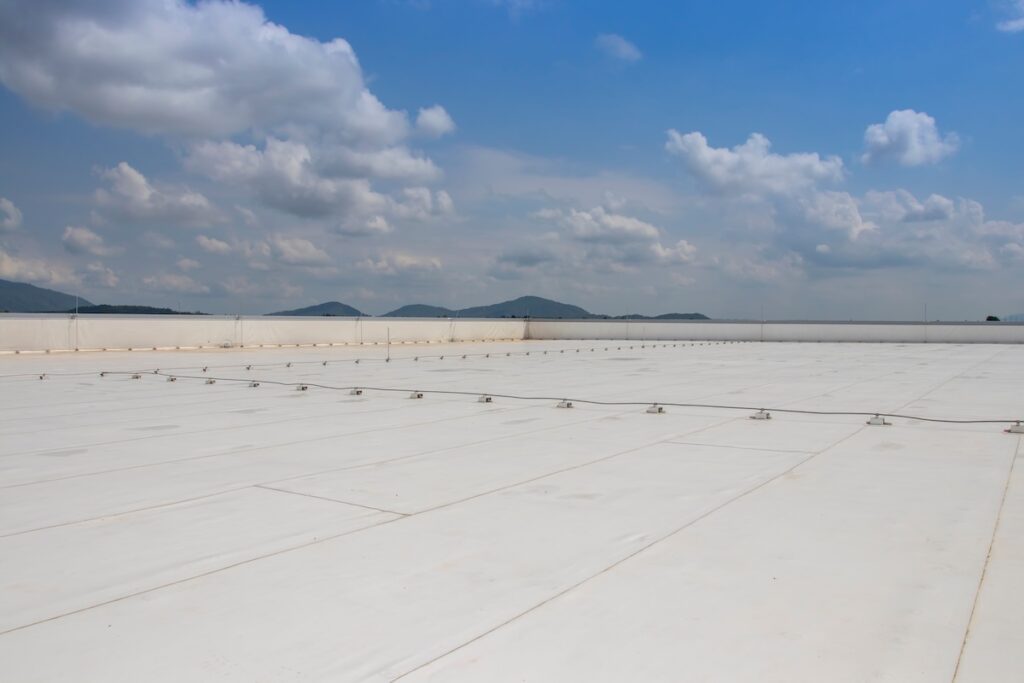
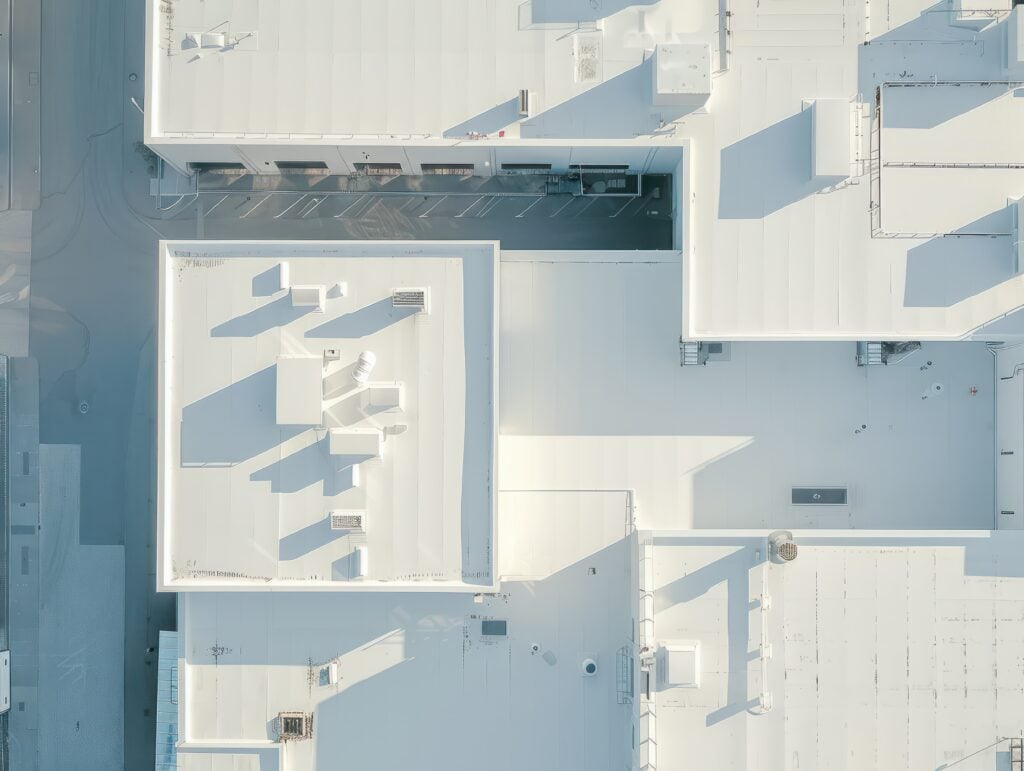
PVC (polyvinyl chloride) is a single-ply roofing membrane that has been widely used for over 50 years. It’s a thermoplastic material—meaning it softens when heated—allowing installers to heat-weld seams for a watertight bond. For commercial property owners in Red Wing and surrounding areas, PVC roofs are popular for their longevity, reflective surface, and resilience against chemical and weather exposure.
Here are some of the biggest advantages property owners appreciate:
- Long Lifespan: A properly installed PVC roof can last 25 to 35 years or more with routine maintenance.
- Energy Efficiency: The bright white surface reflects sunlight, reducing heat absorption and lowering cooling costs during warm months.
- Chemical Resistance: Ideal for restaurants, factories, and facilities with exhaust systems, PVC resists grease and chemical exposure.
- Low Maintenance: The smooth, heat-welded seams resist leaks and make cleaning simple.
- Fire and Wind Resistance: PVC membranes are self-extinguishing and can withstand winds exceeding 100 mph when installed correctly.
6 Key Steps in PVC Membrane Roof Installation
PVC roofing installation involves precision and expertise to ensure long-term performance. The following step-by-step process outlines what property owners can expect during installation.
1. Roof Inspection and Preparation
Before installing a PVC membrane, the existing roof is evaluated for damage, moisture, and structural integrity. If the old system is beyond repair, a full tear-off is typically required. The substrate must be clean, dry, and smooth to ensure proper adhesion.
- Insulation and vapor barriers are inspected and replaced if necessary.
- Damaged decking or seams are repaired to create a stable foundation.
- Roof slope and drainage points are verified to prevent ponding water.
2. Insulation and Vapor Barrier Installation
A PVC system performs best with proper insulation and vapor barriers underneath. This helps regulate indoor temperatures and protect against condensation.
- Polyisocyanurate (ISO) or EPS foam boards are commonly used for insulation.
- A vapor barrier prevents moisture from entering the roof assembly.
- Tapered insulation systems may be installed to improve drainage.
3. Membrane Placement
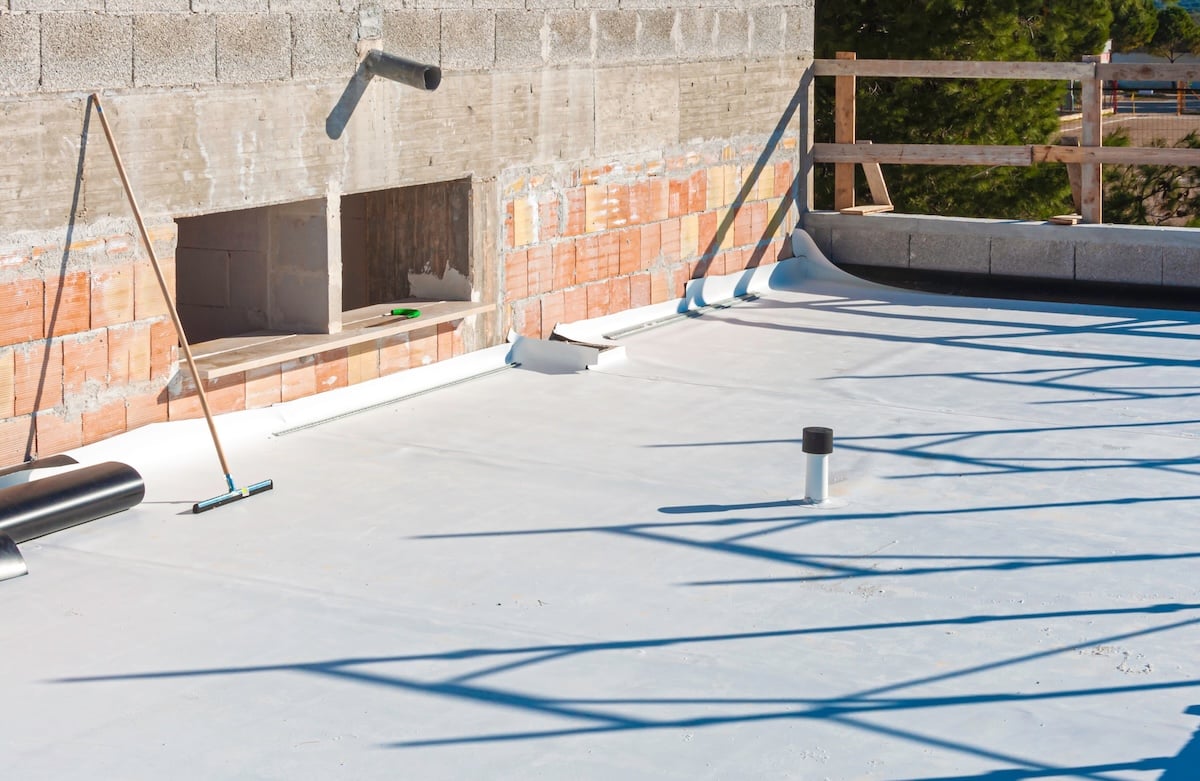
The PVC sheets are unrolled across the surface and allowed to relax before installation. The membrane can be mechanically fastened, fully adhered with adhesive, or ballasted depending on project needs.
- Mechanically fastened systems use screws and plates for secure attachment.
- Fully adhered systems use specialized bonding adhesive for smooth finishes.
- Ballasted systems weigh down the membrane with river rock or pavers.
4. Heat-Welded Seams
Unlike adhesive seams in other roofing materials, PVC membranes are heat-welded using hot air guns or automatic welders. This creates a single, continuous waterproof layer.
- Welded seams are stronger than the membrane itself.
- Joints are tested for uniformity and watertight performance.
- Corners and penetrations are reinforced with prefabricated accessories.
5. Flashing and Detailing
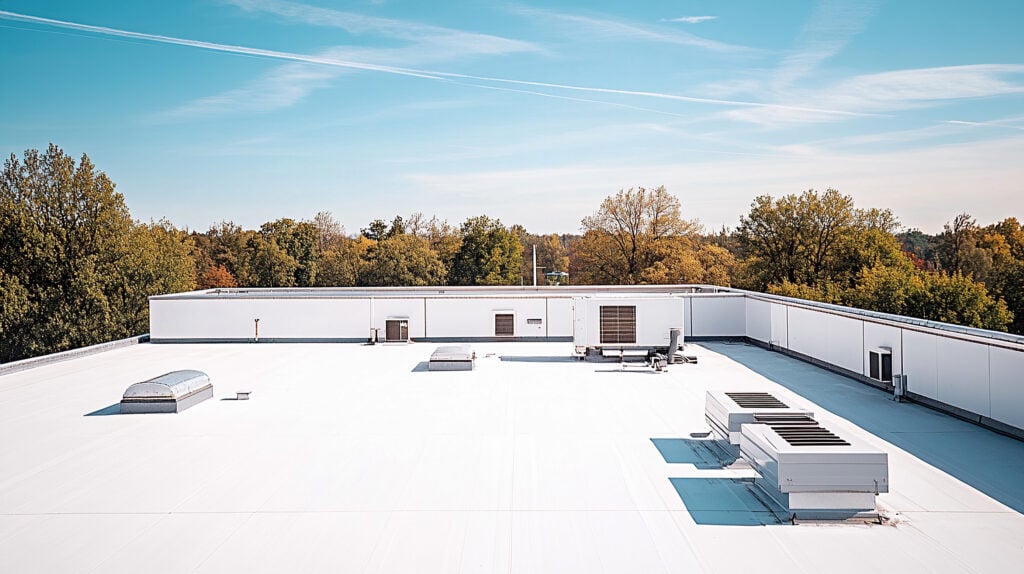
Flashing ensures all roof penetrations and edges are properly sealed. Skilled technicians custom-fit PVC flashing around HVAC units, vents, skylights, and parapet walls.
- Flashing prevents leaks and enhances overall durability.
- Prefabricated corners save installation time and reduce weak points.
- Termination bars and edge metal provide clean, watertight finishes.
6. Final Inspection and Quality Control
After installation, the roof undergoes a detailed inspection. Technicians check seams, flashing, and drainage systems to confirm compliance with manufacturer standards.
- Infrared or moisture testing may be used to detect imperfections.
- Warranty documentation is issued once the roof passes all inspections.
- The roof is cleaned and prepared for long-term use.
Comparing PVC Roofs to Other Flat Roofing Systems
PVC is one of several single-ply membrane options available today. The chart below highlights how it compares to other common systems like TPO and EPDM.
| Feature | PVC | TPO | EPDM |
| Lifespan | 25–35 years | 20–30 years | 20–25 years |
| Energy Efficiency | Excellent | Excellent | Moderate |
| Seam Type | Heat-welded | Heat-welded | Adhesive |
| Chemical Resistance | High | Moderate | Low |
| Maintenance | Low | Moderate | Moderate |
| Cost (Installed) | $8–$12 per sq. ft. | $6–$10 per sq. ft. | $5–$8 per sq. ft. |
PVC stands out for its superior chemical resistance and seam strength, making it ideal for buildings exposed to oils, grease, or pollutants. TPO is often chosen for newer construction projects focused on energy efficiency, while EPDM offers affordability but requires more maintenance.
The Pros and Cons of a PVC Membrane Roof
Like any roofing material, PVC offers unique strengths and a few potential drawbacks. Evaluating both sides helps property owners in Red Wing and surrounding areas make an informed decision.
Advantages of PVC Roofing
- Durability: PVC can endure decades of wear in harsh environments.
- Seam Integrity: Heat-welded seams prevent water intrusion better than glued alternatives.
- Fire Resistance: Self-extinguishing properties reduce fire spread risk.
- Energy Savings: Reflective surfaces improve building efficiency and comfort.
- Low Maintenance: Minimal upkeep is required beyond routine inspections.
Potential Drawbacks
- Higher Initial Cost: Installation costs more than EPDM or basic TPO systems.
- Cold Weather Flexibility: Older PVC formulations may become brittle in extreme cold, though modern blends have largely solved this issue.
- Specialized Installation: Requires trained technicians with heat-welding expertise.
Despite higher upfront expenses, most property owners find PVC roofing delivers excellent long-term value due to its lifespan and energy performance.
Maintenance Tips for Long-Term Performance
A PVC roof is relatively low-maintenance, but consistent care ensures maximum performance and warranty compliance. Property owners should follow a simple maintenance plan:
- Schedule Annual Inspections: Check for damage, debris, and seal integrity at least once a year.
- Clean Surfaces: Remove dirt, leaves, and standing water to prevent mold and staining.
- Inspect Flashing: Ensure seams and flashing around vents and HVAC units remain secure.
- Repair Immediately: Small punctures or cuts can be easily welded and sealed when caught early.
- Document Maintenance: Keep records of all inspections and repairs for warranty validation.
PVC roofs are designed for resilience, but proactive care will extend their service life well beyond the manufacturer’s warranty period.
Key Factors That Affect PVC Roof Costs
Several variables influence the cost of installing or replacing a PVC roof. Understanding these helps you budget effectively and avoid surprises.
| Factor | Description |
| Roof Size and Complexity | Larger or irregularly shaped roofs require more labor and materials. |
| Tear-Off Requirements | Removing an existing roof adds disposal and prep costs. |
| Insulation Type | Higher R-value insulation improves efficiency but increases cost. |
| Attachment Method | Fully adhered systems cost more than mechanically fastened ones. |
| Labor and Location | Regional labor rates in Red Wing and surrounding areas can impact overall pricing. |
| Warranty and Accessories | Extended warranties or added features like walk pads add cost but enhance protection. |
On average, a professionally installed PVC roof costs between $8 and $12 per square foot. The total price varies depending on your roof’s size, condition, and chosen system configuration.
Environmental Benefits of PVC Roofing
Sustainability is an increasingly important factor for many property owners. PVC roofing contributes to green building goals in several ways:
- Recyclable Material: Many manufacturers recycle old PVC membranes into new roofing products.
- Energy Efficiency: High solar reflectance helps reduce the urban heat island effect.
- LEED Credits: Buildings with reflective PVC roofs may qualify for LEED certification points.
- Low Maintenance: Fewer repairs mean less material waste over time.
PVC’s long service life and recyclability make it one of the most environmentally responsible choices for commercial properties.
Is a PVC Membrane Roof Right for Your Property?
PVC roofing works best for low-slope or flat roofs where water resistance, chemical durability, and longevity are top priorities. Ideal applications include:
- Restaurants and food processing facilities
- Manufacturing plants or warehouses
- Retail centers and office complexes
- Schools, hospitals, and municipal buildings
For property owners managing facilities in Red Wing and surrounding areas, PVC is a proven option that balances performance, efficiency, and design flexibility.
Protect Your Investment with Puetz Construction
A quality roofing system is one of the best investments you can make in your property. PVC roofing offers durability, energy savings, and low maintenance—all essential features for commercial buildings in Minnesota’s challenging climate. When it’s time to replace or upgrade your flat roof in Red Wing and surrounding areas, Puetz Construction delivers trusted expertise and precision installation that ensures lasting results.
To schedule a consultation or request a detailed project estimate, contact us today. Our commercial roofing team will help you determine if a PVC membrane roof is the right choice for your property and provide expert guidance every step of the way.
Fresh From our Blog