Rafters vs Trusses: Which Roofing Option Is Better in 2025?
Puetz Construction | 8 Minute Read
When it comes to building or renovating your roof, one of the most important structural choices you’ll make is deciding between rafters vs trusses. These two framing systems are the backbone of your roof’s support, influencing everything from construction time and design flexibility to long-term strength and cost. Understanding their differences helps homeowners and builders make the best decision for their property’s needs and budget.
In areas like Rochester and surrounding areas, where homes must withstand cold winters, snow loads, and seasonal weather shifts, choosing the right roof structure isn’t just about aesthetics—it’s about performance and longevity. Whether you’re planning a new construction project or replacing an older roof, the right system ensures safety, efficiency, and long-term value. To learn how the right framework supports every roof we build, explore how our experienced team delivers high-quality roofing solutions designed for lasting protection.
In this guide, you’ll learn:
- The main differences between rafters and trusses
- Key benefits and drawbacks of each option
- How to decide which system fits your home’s design and budget
- Factors that make one better suited for modern construction in 2025
- Expert recommendations from Puetz Construction on what to choose
Why Understanding Rafters and Trusses Matters
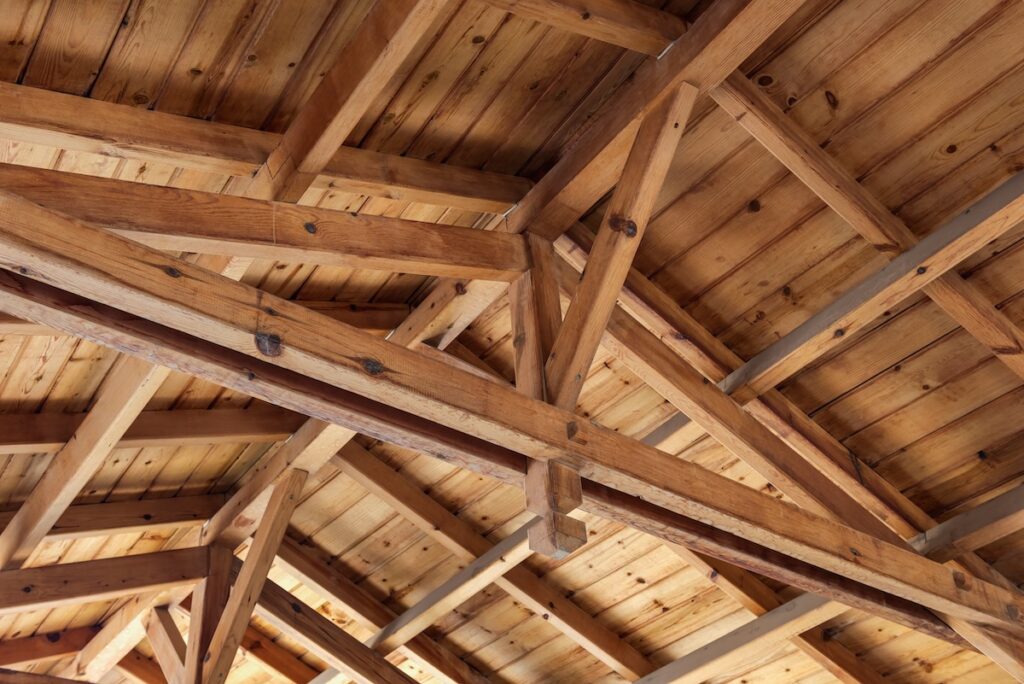
Your roof’s structure isn’t just a hidden framework—it’s a critical component that impacts your home’s strength, stability, and design flexibility. Both rafters and trusses serve the same purpose: to support the roof decking and transfer the weight of your roof safely to your walls. However, how they achieve that purpose differs significantly.
Choosing between them affects construction speed, attic space, energy efficiency, and even your home’s future maintenance requirements. Understanding their advantages ensures you make an informed decision rather than relying on cost alone.
Here’s why this topic matters for homeowners:
- Structural Integrity: Your choice determines how well your home can handle heavy snow, wind, and roof load.
- Design Flexibility: Rafters allow for open attic spaces, while trusses offer faster installation and design uniformity.
- Energy Efficiency: Certain framing methods support better insulation and ventilation.
- Project Budget: Labor, material, and installation costs vary significantly between the two systems.
- Resale Value: Buyers often appreciate energy-efficient and structurally sound roofing systems.
5 Key Differences Between Rafters vs Trusses
When evaluating your options, it helps to break down the major differences that impact performance and practicality. Below, we explore the five key factors to consider when choosing between rafters and trusses for your home in 2025.
1. Construction and Installation
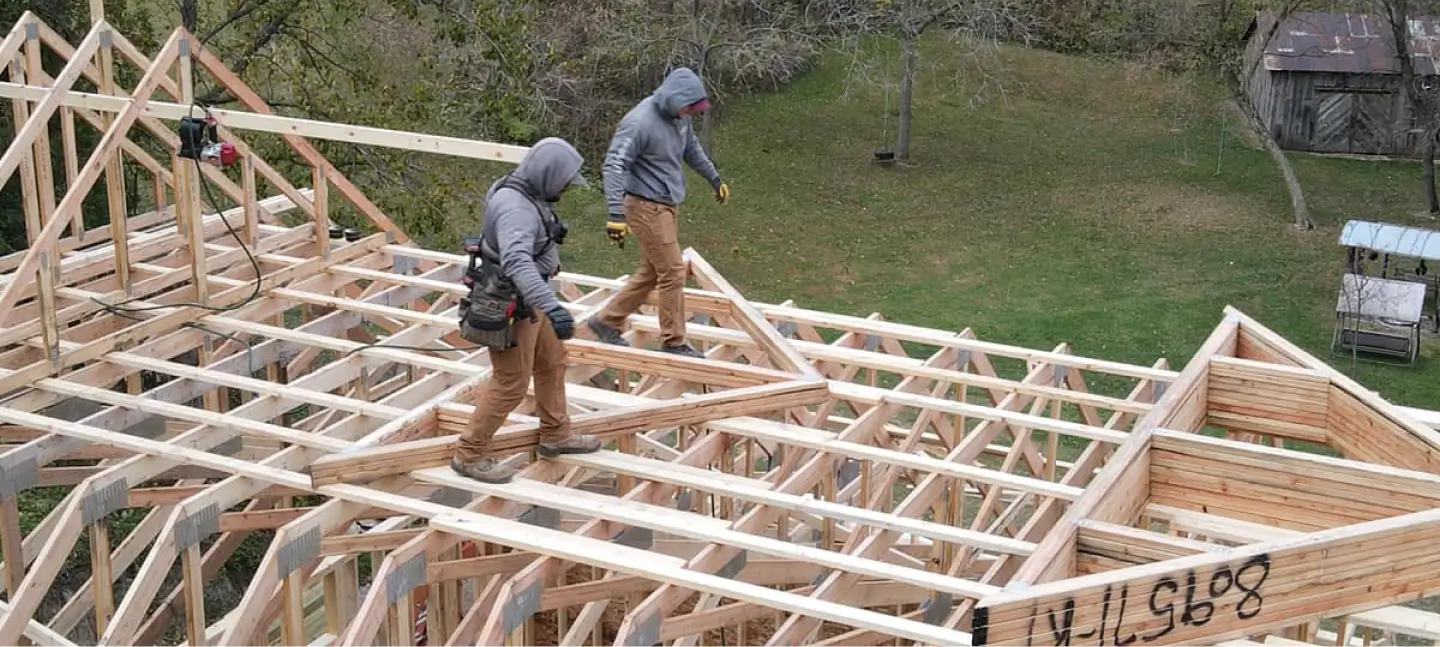
Rafters are traditional framing components built on-site using dimensional lumber. Each rafter runs from the roof ridge down to the wall plate, creating the skeleton of the roof.
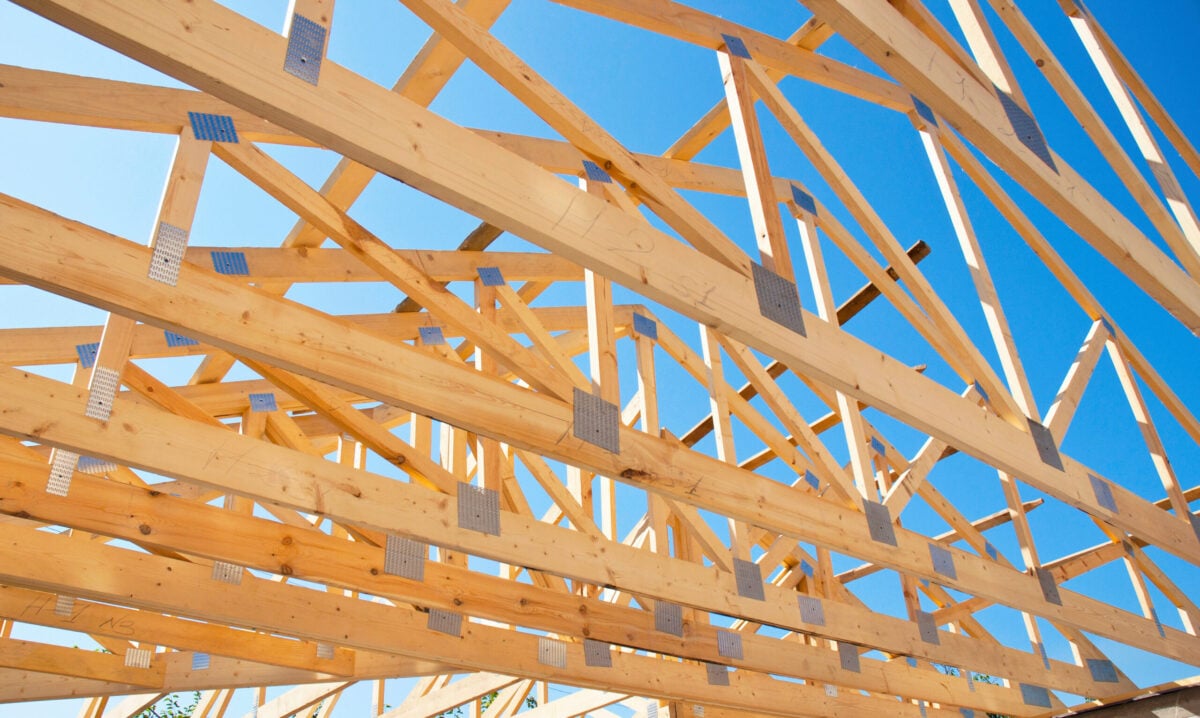
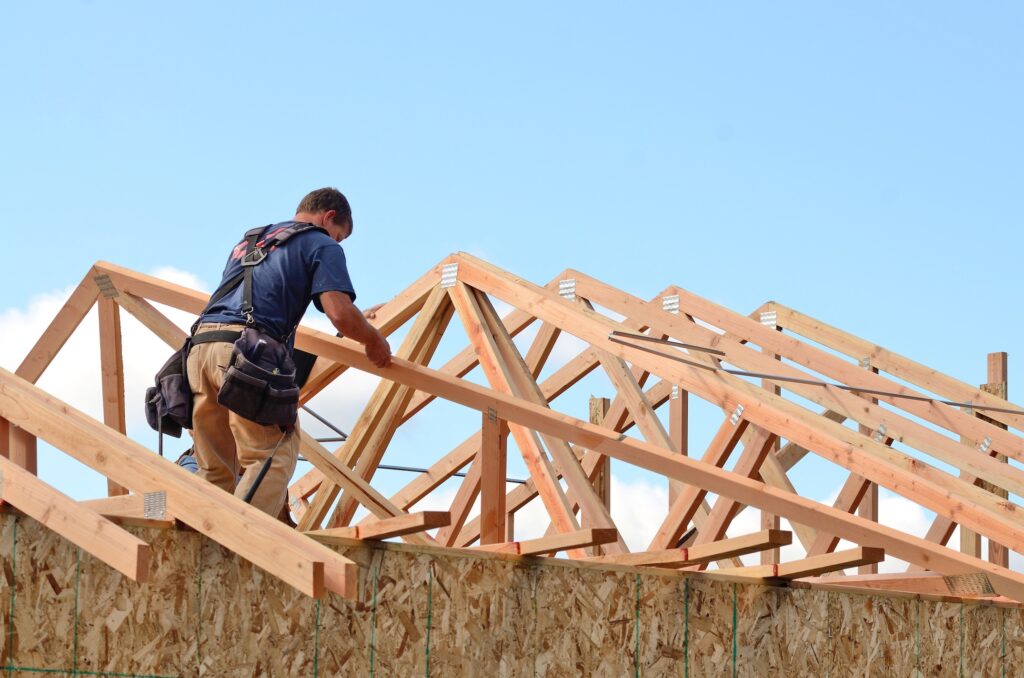
Trusses, on the other hand, are pre-engineered triangular frames assembled in a manufacturing facility and delivered ready to install.
How they compare:
- Rafters: Require skilled carpentry and more on-site labor. Ideal for custom designs but take longer to complete.
- Trusses: Manufactured with precision, allowing faster and more uniform installation. Great for large projects or when efficiency is key.
2025 insight: With advancements in prefabrication, trusses are increasingly popular for residential and commercial builds due to their consistent quality and shorter build time.
2. Cost and Efficiency
Cost is often one of the first considerations when choosing your roof structure.
Rafters tend to be more expensive overall because of the labor-intensive, custom nature of the build. They require more skilled carpentry hours and can take longer to complete.
Trusses are generally more cost-effective because they’re manufactured in bulk and installed quickly with fewer workers.
Cost breakdown:
- Rafters: Higher labor cost but potentially less shipping expense
- Trusses: Lower installation cost but added transportation fees
Efficiency note: In most modern builds, trusses are the more economical choice thanks to reduced on-site labor and material waste.
3. Design Flexibility and Attic Space
If you’re planning to use your attic as a living area, rafters might be the better choice. Their open framework leaves room for customization and ceiling height.
Trusses, while strong, use diagonal and vertical supports within the triangle, which can limit usable attic space.
Consider this:
- Rafters: Allow vaulted ceilings, skylights, and attic conversions
- Trusses: Offer limited interior modifications once installed
Modern update: Some newer truss designs now incorporate “attic trusses,” which provide partial open space for storage or lofts.
4. Strength and Load-Bearing Capacity
Trusses excel in distributing weight evenly across your home’s walls. Because they’re engineered to exact specifications, they can handle heavy snow loads and wide spans without internal supports.
Rafters, while sturdy, rely on individual boards and traditional connections, which can limit their span and require interior load-bearing walls.
Performance comparison:
- Rafters: Ideal for smaller homes or simple rooflines
- Trusses: Perfect for large spans or commercial-style construction
In Rochester and surrounding areas, where snow load is a major consideration, trusses often provide better long-term stability and fewer deflection concerns.
5. Longevity and Maintenance
Both rafters and trusses are built to last for decades when properly maintained. However, their longevity depends on material quality and environmental factors.
Rafters: Easier to inspect and repair since they’re exposed within the attic. You can replace or reinforce sections individually if needed.
Trusses: More difficult to repair since they’re enclosed and structurally interconnected. However, their uniform strength makes them less prone to warping or sagging over time.
Maintenance summary:
- Rafters offer accessibility for repairs
- Trusses provide superior structural consistency
In 2025, trusses remain the top choice for new builds, while rafters are preferred for custom homes or remodels requiring architectural flexibility.
Factors to Consider Before Choosing
Every roofing system should be selected based on your home’s design, intended use, and environmental conditions. Here are some key factors to evaluate with your contractor:
Climate and Snow Load
Homes in Minnesota face extreme winter conditions. Trusses typically handle snow load better, distributing weight evenly without causing sagging or stress on walls.
Roof Shape and Design
Complex rooflines or custom architectural styles may favor rafters for flexibility, while simpler designs benefit from the uniformity of trusses.
Construction Timeline
If speed is a priority, trusses dramatically reduce construction time. Prefabrication means less time on-site, minimizing weather delays.
Future Modifications
Rafters are easier to modify for attic conversions, dormers, or skylights, while trusses make future renovations more difficult due to their rigid structure.
Budget and Material Access
Discuss with your builder which option offers the best value for your specific project. In many cases, trusses are more cost-efficient for new construction, while rafters work better for remodeling older homes.
Pros and Cons Overview
Below is a side-by-side comparison to help you weigh your options clearly:
| Feature | Rafters | Trusses |
| Installation | Built on-site, labor-intensive | Pre-fabricated, fast installation |
| Cost | Higher labor cost | More affordable overall |
| Design Flexibility | High (open attic space) | Limited (closed web design) |
| Span Capacity | Limited to shorter spans | Can span longer distances easily |
| Strength | Good for small projects | Excellent for heavy loads |
| Energy Efficiency | Easier to insulate | May require added insulation layers |
| Repair Access | Easy to inspect and modify | Harder to repair individual sections |
| Best Use Case | Custom homes, remodels | New builds, large or commercial projects |
In summary, rafters are ideal for homeowners who value design freedom and plan to utilize attic space, while trusses provide greater efficiency, strength, and cost savings for modern builds.
Which Option Is Better in 2025?
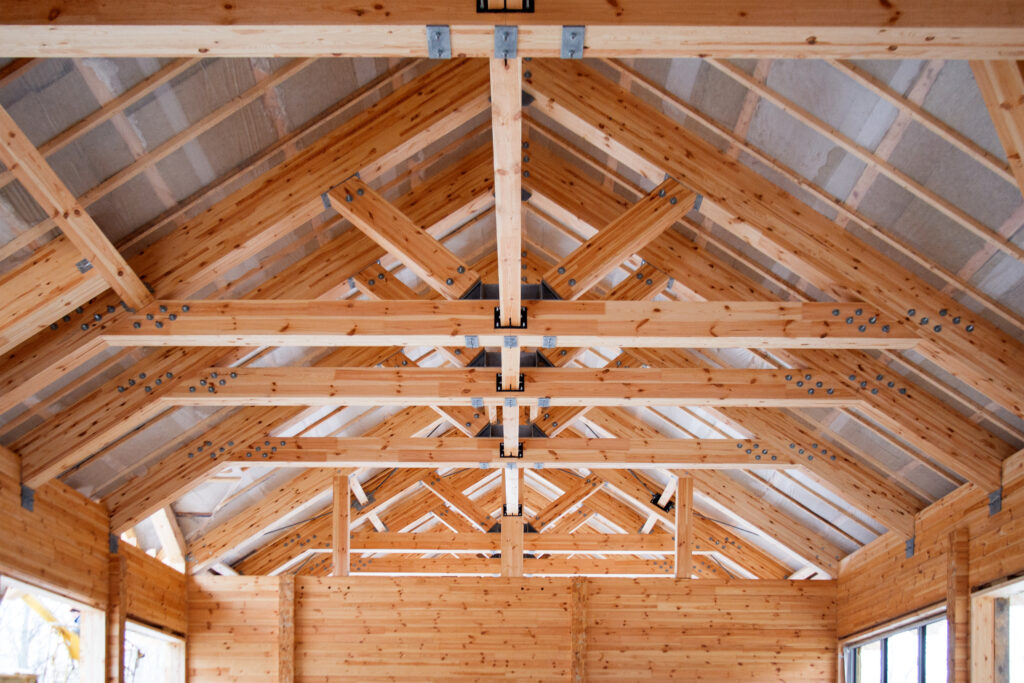
Advancements in design and manufacturing make trusses the preferred choice for most new constructions in 2025. Their consistency, cost-effectiveness, and ability to support large spans without interior walls make them the go-to for builders.
That said, rafters still have a place in the market, particularly for custom homes, restorations, or projects where open interior space and design flexibility are priorities.
Why trusses dominate in 2025:
- Improved precision manufacturing for strength and durability
- Reduced labor time and waste
- Enhanced compatibility with modern roofing materials
- Lower overall project costs
When to choose rafters instead:
- You want a vaulted ceiling or finished attic
- The roof design is unique or highly customized
- You prefer traditional craftsmanship over prefabrication
Ultimately, the decision depends on your home’s layout, aesthetic goals, and budget. A professional roofer can assess your building plans, climate considerations, and material preferences to recommend the right solution.
Work with Experts Who Understand Both Systems
Whether you’re building new or renovating an older property, your roof structure is one of the most important investments you’ll make. Choosing between rafters and trusses affects not just the construction process but also your home’s long-term performance, safety, and energy efficiency.
At Puetz Construction, we bring decades of experience helping homeowners in Rochester and surrounding areas choose the best roofing systems for their projects. Our team works with both traditional rafter framing and modern truss systems, ensuring each structure is built with precision, quality, and long-lasting strength.
If you’re planning a roofing project and want to make the right structural choice for your home, contact us today. Puetz Construction is here to guide you through every step—from design to installation—so your roof stands strong for decades to come.
Fresh From our Blog