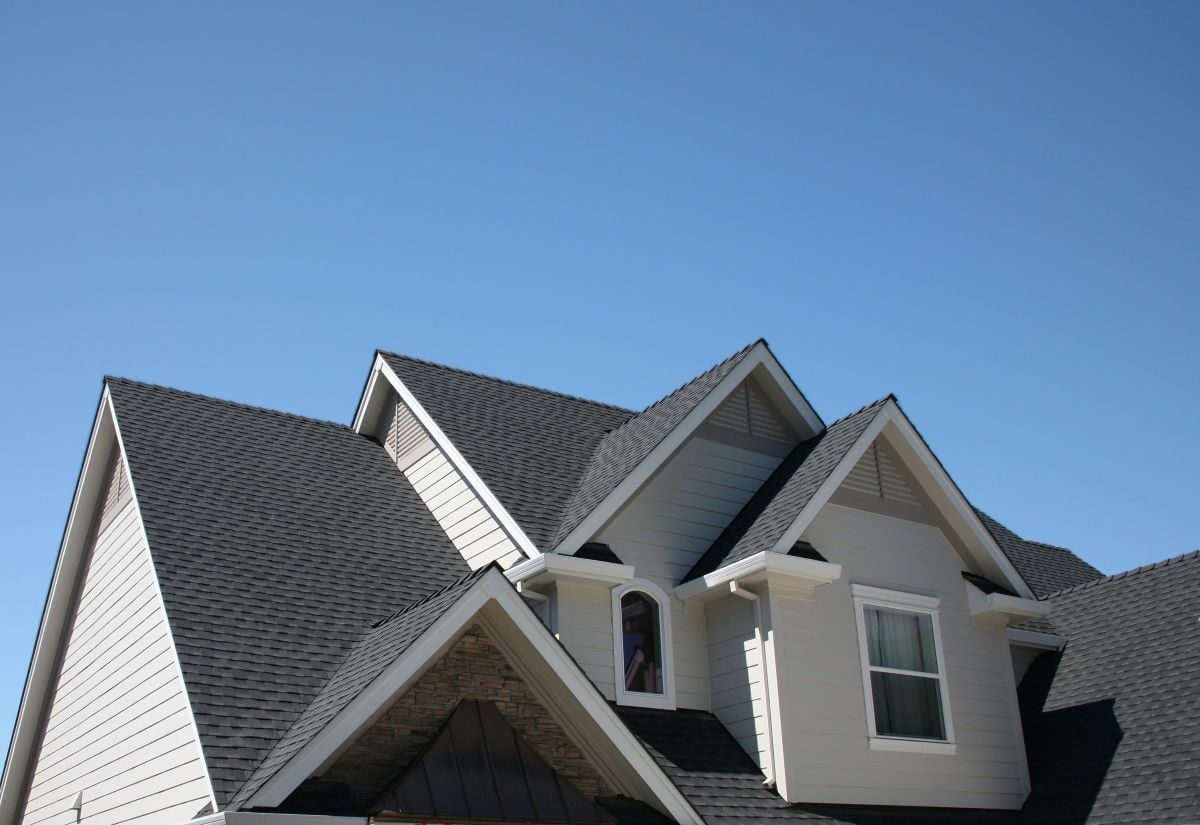
7 Factors That Affect Roof Inspection Cost In Minnesota
Puetz Construction | 6 Minute Read
Your roof is your home’s first line of defense, and routine inspections are key to protecting your investment. But if you’ve ever wondered what determines a roof inspection cost, you’re not alone. From the type of roof you have to the time of year you schedule your inspection, a number of variables can influence the final price. For homeowners in Preston and surrounding areas, understanding these factors can help you make smarter, more cost-effective decisions for your property.
Here’s what you’ll learn in this guide:
- Why routine roof inspections are more valuable than most realize
- A breakdown of key pricing factors in Minnesota
- Tips for reducing your long-term roofing costs
- How to make the most of your inspection report
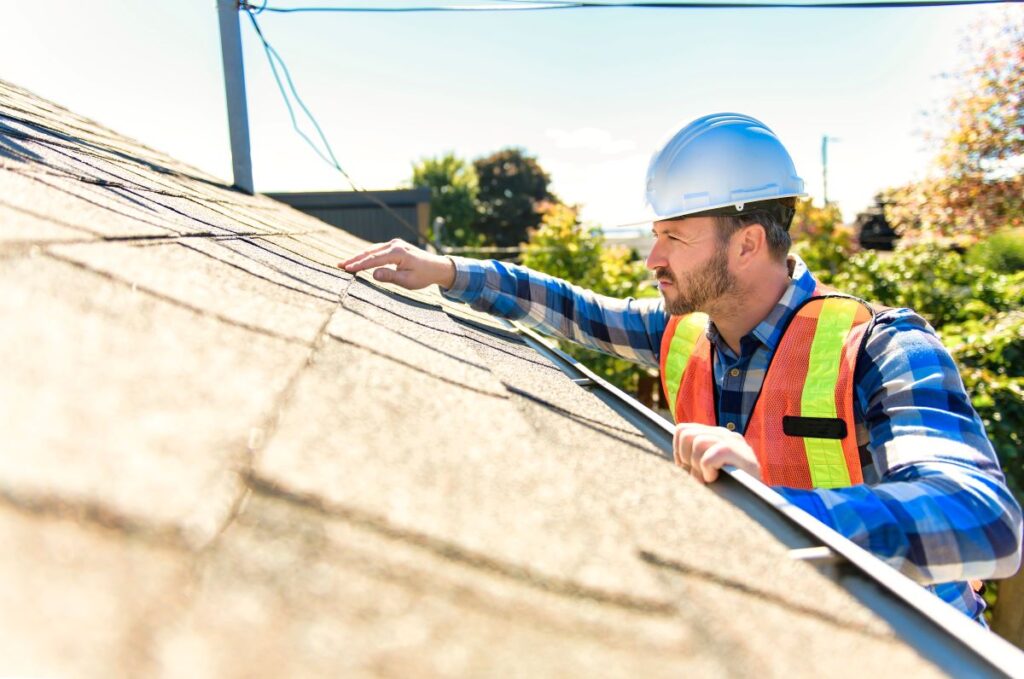
Why Roof Inspections Are Worth the Cost
Roof inspections aren’t just for emergencies—they’re a vital part of protecting your home year-round. While the initial cost may seem like a burden, the value you receive often far exceeds the price.
- Preventative Value: Routine inspections catch small problems before they become costly repairs.
- Weather-Readiness: A professional review ensures your roof is prepared for Minnesota’s tough winters and stormy springs.
- Insurance Support: Inspection reports provide documentation that can help you during insurance claims for storm or hail damage.
- Property Value: A well-maintained roof adds to your home’s resale value and marketability.
- Peace of Mind: Knowing your roof is structurally sound reduces stress and surprise expenses.
7 Key Factors That Affect Roof Inspection Cost
A roof inspection might seem straightforward, but pricing can vary widely depending on several elements. Here are the seven most common factors that influence roof inspection cost in Preston and surrounding areas.
1. Type of Inspection Performed
Not all roof inspections are created equal. The method used can significantly affect the cost.
- Visual inspections (from the ground or a ladder) are the most basic and typically the least expensive.
- Drone inspections offer a bird’s-eye view of hard-to-access areas and are increasingly popular for modern homes.
- Infrared inspections detect moisture trapped under roofing materials and require specialized equipment, increasing the cost.
- Structural inspections go deeper, checking for issues like sagging decking or problems with the attic ventilation system.
2. Roof Size and Complexity
The bigger and more complex your roof, the more time and effort an inspection will take.
- Larger roofs take more time to inspect thoroughly.
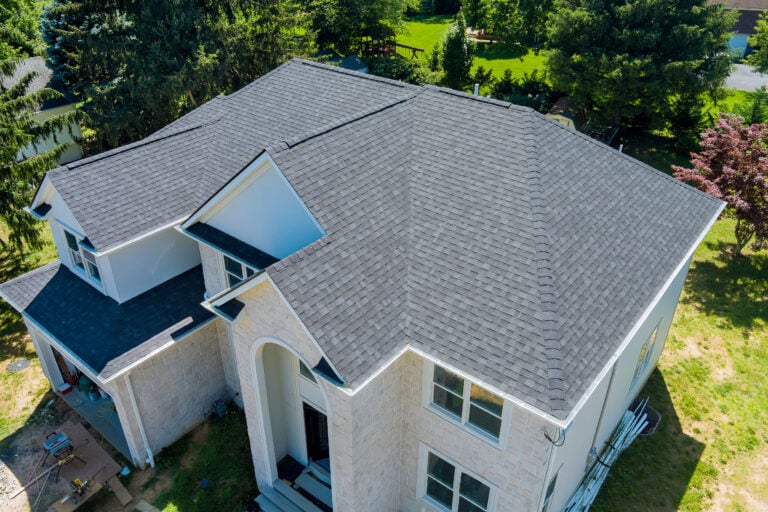
- Complex rooflines with valleys, dormers, or skylights demand extra care and increase inspection time.
- Steep slopes or multi-story buildings may require special equipment or safety gear.
3. Accessibility
If your roof is hard to access, that will usually impact cost.
- Obstructions like landscaping, power lines, or nearby trees can complicate access.
- Homes with steep grades or limited ladder access may need drone technology or harness systems.
- Winter snow or ice buildup can delay inspections or require snow removal beforehand.
4. Roofing Materials
The materials used on your roof may require more careful inspection techniques, especially for older or specialty materials.
- Asphalt shingles are relatively easy to inspect.
- Metal, tile, and slate roofs may take longer due to the nature of the material.
- Older materials or outdated systems may require more in-depth assessments.
5. Age of the Roof
Newer roofs typically present fewer issues, which makes inspections faster and cheaper.
- Roofs over 15 years old may need closer evaluation due to natural wear and tear.
- Aging flashing, underlayment, and sealants are more likely to fail and need closer attention.
6. Seasonal Timing
In Minnesota, when you schedule your inspection can influence cost.
- Spring and fall are peak seasons for inspections, which may drive up demand (and prices).
- Scheduling during less busy periods can sometimes result in quicker service or discounted rates.
- Harsh winter conditions may limit the scope of what can be inspected without removing snow or ice.
7. Additional Services or Documentation
Sometimes inspections involve more than a visual check.
- You may need a certified report for real estate or insurance purposes, which often comes with an added fee.
- Photos and written summaries add value but can increase inspection time and cost.
- If damage is found, an estimate for repair work may also be included, adding detail but possibly extending the visit.
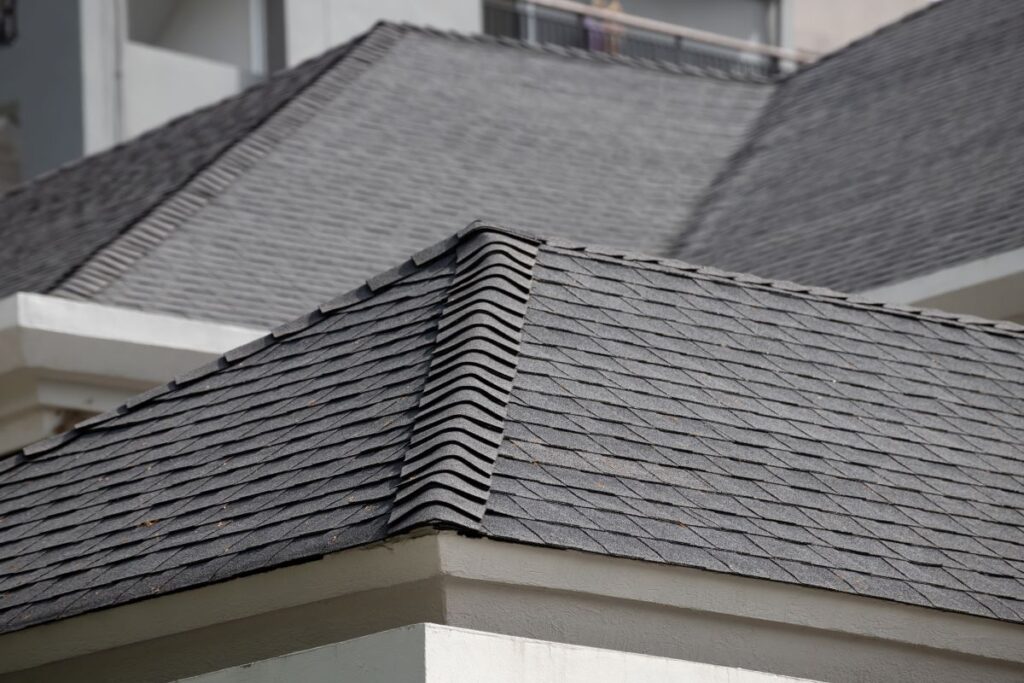
What to Expect During a Roof Inspection
A typical roof inspection involves more than just a quick glance at your shingles. Here’s what professionals look for—and why it matters.
Exterior Assessment
Inspectors begin by examining the exterior of the roof from multiple angles.
- Shingle condition: Curling, cracking, or missing shingles are signs of wear.
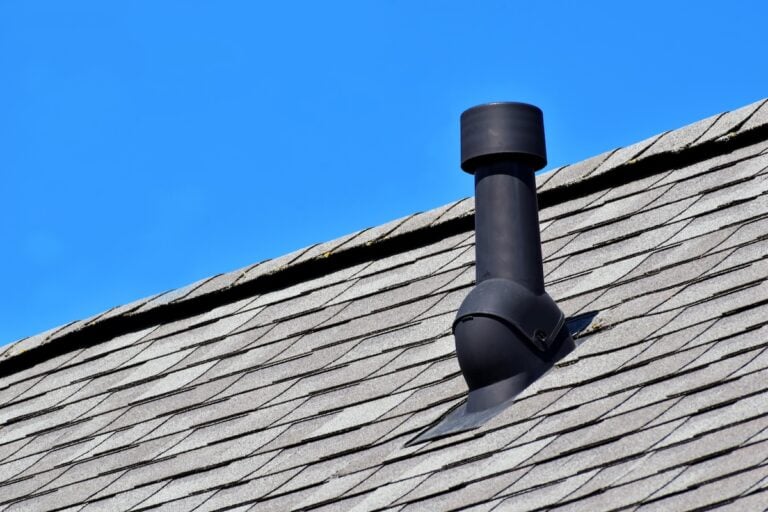
- Flashing: Metal strips around chimneys, vents, and edges are checked for leaks.
- Gutters: Debris and proper drainage are important for roof longevity.
- Soffit and fascia: These structural elements are evaluated for rot, pests, or weather damage.
Interior Review (When Accessible)
If attic access is available, interior conditions are also reviewed.
- Signs of leaks: Water stains, mold, or sagging insulation.
- Ventilation: Proper airflow prevents moisture buildup and prolongs roof life.
- Structural integrity: Joists, decking, and rafters are checked for signs of stress or water damage.
Optional Technology Use
Depending on the service level, technology may be used to improve accuracy.
- Drones capture images in hard-to-reach areas.
- Infrared scans detect hidden moisture.
- Software-generated reports document findings for homeowners or insurers.
How to Maximize the Value of Your Roof Inspection
Even a basic inspection can reveal a lot. Here are ways to get the most out of the service.
- Be Present (If Possible): Walk through the results with your contractor to ask questions in real time.
- Request Photos: Visual documentation helps you see what the inspector sees and makes it easier to justify repairs.
- Get Clarification on Urgency: Some issues may be cosmetic or low-risk, while others require immediate action.
- Ask for Repair Estimates: If a problem is found, it’s efficient to get a repair quote during the same visit.
- Keep Records: Save your inspection report in case you need it for insurance or real estate transactions.
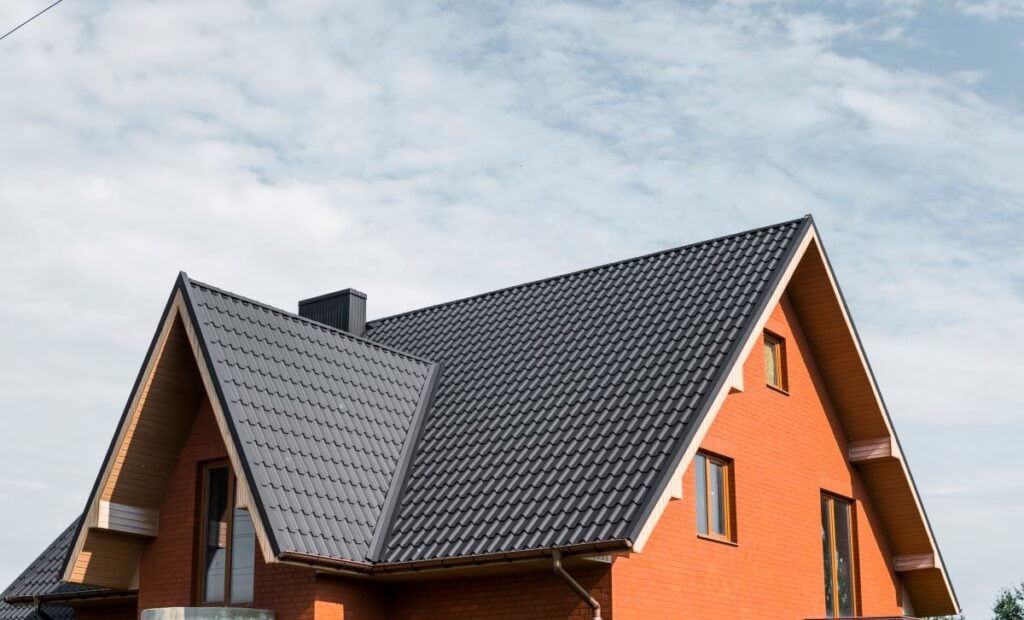
Comparing DIY vs. Professional Inspections
Some homeowners consider inspecting their own roof to save money. While you might be able to spot obvious issues, professional inspections bring a level of detail and safety that DIY efforts often lack.
| Criteria | DIY Inspection | Professional Inspection |
| Cost | Free (except for time/tools) | $150–$500 depending on factors |
| Equipment Needed | Ladder, flashlight, binoculars | Drones, infrared cameras, safety gear |
| Risk Level | High (fall risk) | Low (trained and insured pros) |
| Thoroughness | Limited by access/knowledge | Comprehensive |
| Documentation Provided | None | Photos, reports, estimates |
| Insurance Claim Usefulness | Low | High |
While DIY inspections might work for basic upkeep, professional services ensure nothing gets missed—especially after a storm or before a home sale.
Ready to Protect Your Roof?
Understanding what affects roof inspection cost can help you plan ahead and avoid costly surprises. For homeowners in Preston and surrounding areas, scheduling a routine inspection is one of the smartest ways to protect your property from long-term damage. Whether you’re preparing for winter, evaluating recent storm damage, or simply staying ahead of maintenance, a professional review offers peace of mind and practical insights.To schedule your next inspection or speak with a local expert, contact us today and let Puetz Construction help you keep your home safe from the top down.
Fresh From our Blog