
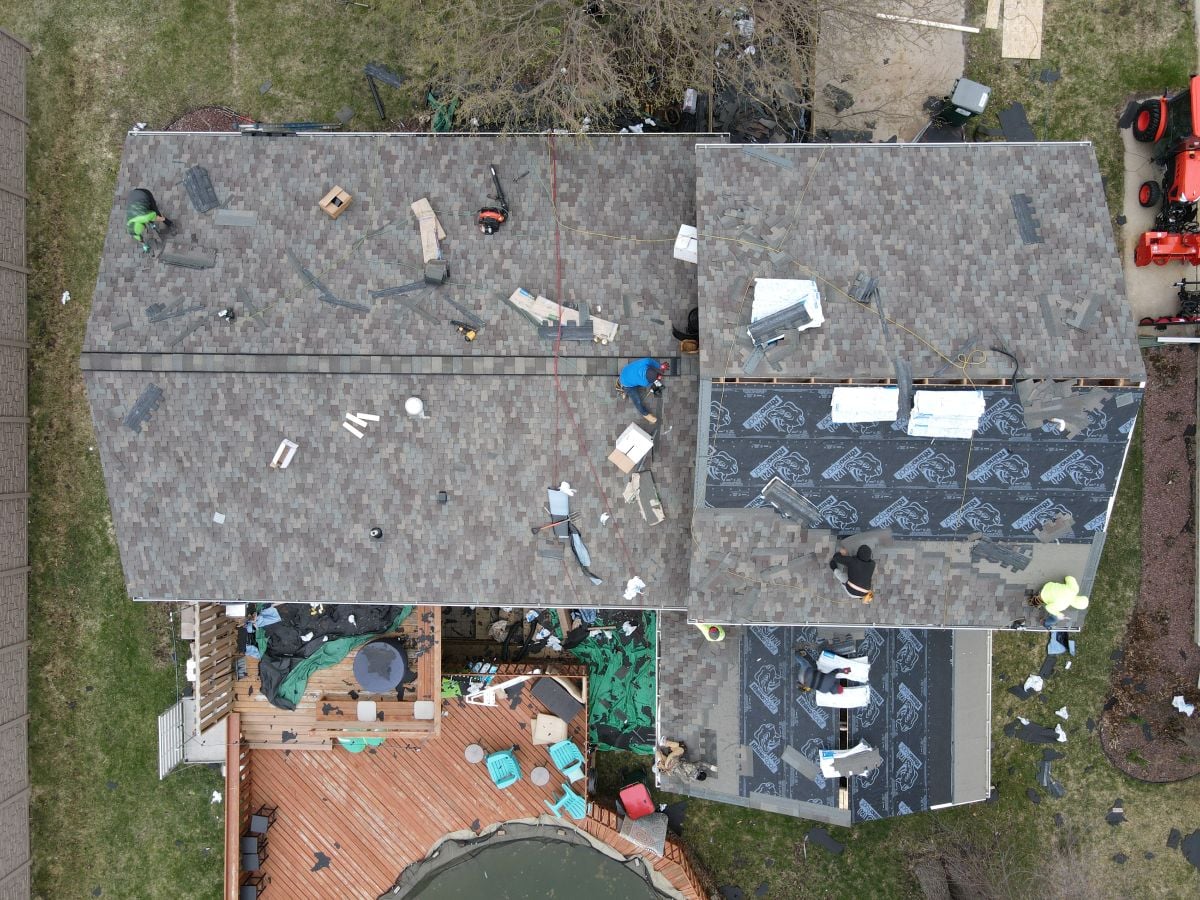
Roof Replacement vs Repair: Which Option Is Worth It?
Written By: Justin Puetz | April 24, 2026 | 8 Minute Read

When something goes wrong overhead, every homeowner faces the same pressing question: is it time to fix what you have, or start fresh? Understanding the difference between roof repair vs replacement can save you thousands of dollars and years of headaches. If you live in Woodbury and surrounding areas, making the right call depends on several factors specific to your home, your roof’s age, and the extent of the damage. Take a look at what goes into a proper roofing job to better understand your options before making any decisions.
Here is what you will learn in this guide:
- How to assess the true condition of your roof
- The most common reasons homeowners need repairs or full replacements
- Key cost and value considerations for both options
- Signs that a repair will not hold up long term
- How weather and regional climate affect your decision
Understanding where your roof stands today is the first step toward making a decision you will feel confident about for years to come.
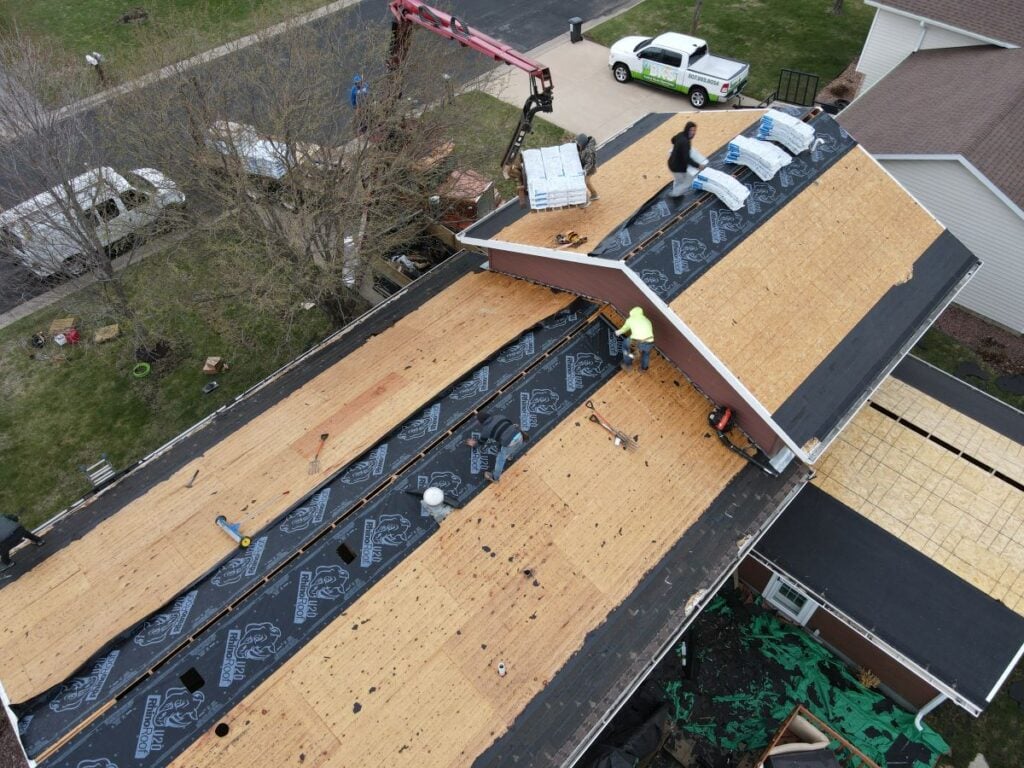
Why Getting This Decision Right Matters
Choosing between a repair and a replacement is not just about saving money in the short term. It is about protecting your home’s structure, your family’s comfort, and your long-term investment. A patch job applied to a failing roof can mask deeper problems, leading to water intrusion, mold growth, insulation damage, and even structural rot that costs far more to fix down the line.
Getting this right also affects your home’s resale value. Buyers and inspectors in Woodbury and surrounding areas pay close attention to roof age and condition. A well-timed replacement can meaningfully increase your home’s market value, while a series of band-aid repairs can raise red flags during an inspection.
- Long-term cost savings: Replacing a roof that has exceeded its useful life is almost always cheaper over time than repeated repair bills that add up without solving the underlying problem.
- Energy efficiency: Modern roofing materials provide better insulation and ventilation than older systems. A replacement can reduce heating and cooling costs year-round.
- Peace of mind: Knowing your roof is in excellent condition eliminates worry every time a storm rolls in.
- Curb appeal and home value: A new roof transforms the appearance of a home and gives buyers confidence, which can directly impact your sale price.
- Preventing interior damage: Water intrusion from a failing roof can ruin insulation, drywall, flooring, and personal belongings. Prevention is always less expensive than remediation.
Once you understand what is at stake, the next step is knowing which specific factors actually drive the repair vs replacement decision for your home.
4 Key Factors That Determine Repair vs Replacement
The right answer for your home depends on a combination of factors. Neither option is universally better. A skilled contractor will evaluate all of these before making a recommendation.
1. Age of Your Current Roof
Roof lifespan varies by material, but most asphalt shingle roofs are designed to last 20 to 30 years. If your roof is approaching or has exceeded that range, a repair is often a temporary fix on a system that is already declining.
- Asphalt shingles: 20 to 30 years
- Architectural or dimensional shingles: 25 to 30 years
- Metal roofing: 40 to 70 years
- Wood shake: 20 to 25 years
Even if the visible damage appears isolated, an aging roof often has underlying issues that go beyond the obvious problem area. If your roof is over 20 years old and needing repairs, replacement deserves serious consideration.
2. Extent and Location of the Damage
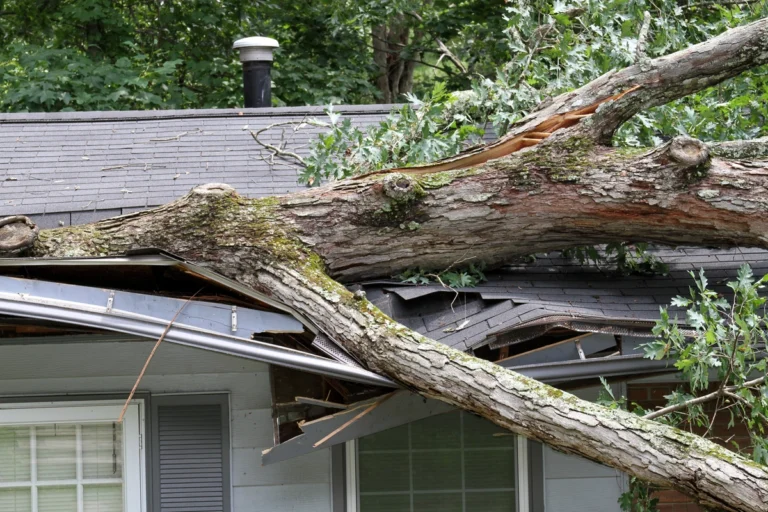
Minor damage, such as a few missing shingles after a windstorm or a small flashing repair around a chimney, is typically straightforward to fix without touching the rest of the roof. However, widespread damage tells a different story.
- If damage covers more than 30 percent of the roof surface, replacement is usually more cost-effective
- Damage near valleys, ridges, or penetrations (vents, skylights, chimneys) is more complex to repair and more likely to recur
- If multiple layers of shingles are already present, many contractors and local codes will require a full tear-off before re-roofing
The location matters as much as the size of the damage. A small leak near a penetration can be harder to permanently seal than a larger area of open field shingles.
3. The Result of a Thorough Inspection
A surface-level look at your roof tells only part of the story. A proper inspection includes checking the decking beneath the shingles for soft spots, rot, or moisture damage. It also involves examining attic ventilation, insulation, and any signs of mold or water staining on the underside of the roof deck.
- Soft or spongy decking when walked on signals rot that must be addressed regardless of shingle condition
- Dark staining or mold in the attic suggests prolonged moisture infiltration
- Granule buildup in gutters indicates aging shingles losing their protective coating
- Daylight visible through the attic boards is a clear sign of structural gaps
Homeowners in Woodbury and surrounding areas should schedule an inspection after every major storm and at least once per year as preventive maintenance.
4. Your Budget and Long-Term Plans
Financial reality is always part of the equation. Repairs cost less upfront, but if they need to be repeated every few years, the cumulative expense can quickly approach or exceed the cost of a replacement.
- If you plan to sell your home within the next few years, a new roof is often a strong selling point that can recover much of its cost in added value
- If you are on a tight budget and the roof has several years of life left, targeted repairs make sense
- Financing options may make a full replacement more accessible than homeowners expect
Think of it as the difference between paying for ongoing maintenance on a high-mileage vehicle versus investing in something newer and more reliable.
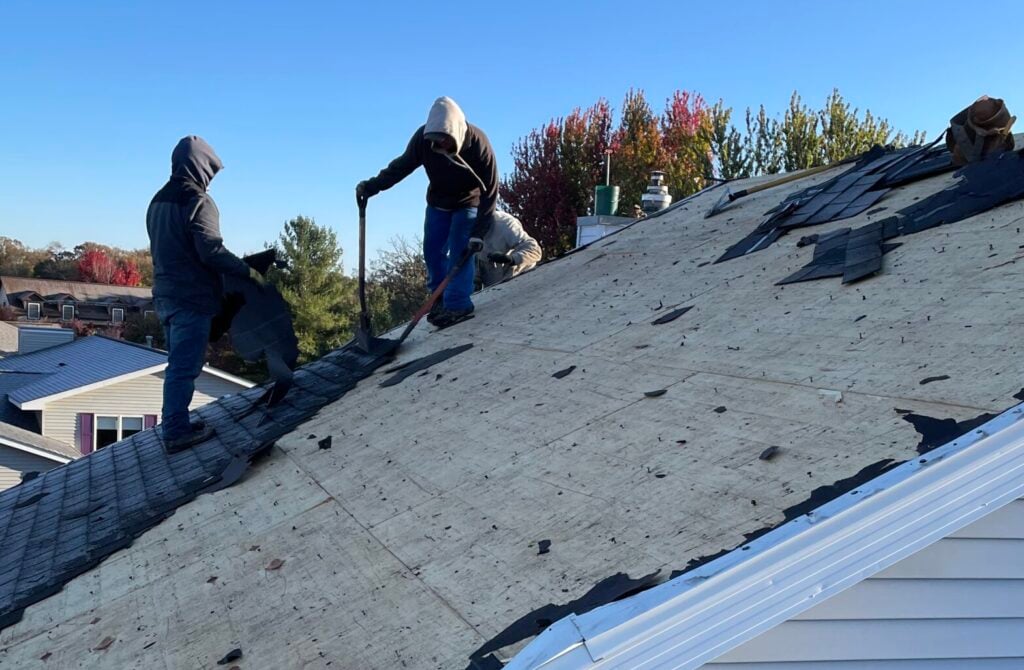
Understanding the Costs: What to Expect
Cost is one of the biggest factors driving the repair vs replacement debate. Here is a realistic look at what each option typically involves.
Average Repair Costs
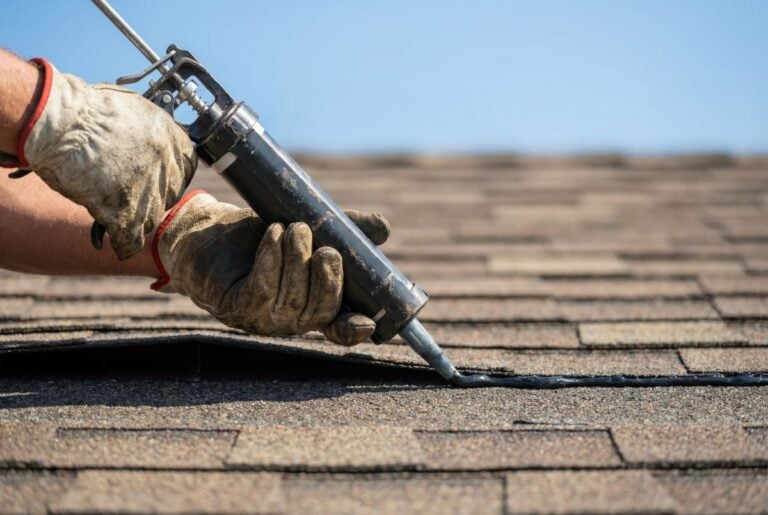
Minor repairs, such as replacing a handful of missing shingles or resealing flashing, can range from a few hundred dollars to around one thousand. More complex repairs, including addressing storm damage across a larger area or fixing a valley, can run between one thousand and three thousand dollars depending on the scope and roof pitch.
These numbers are variable based on roofing material, accessibility, and the extent of underlying damage discovered during the repair process.
Average Replacement Costs
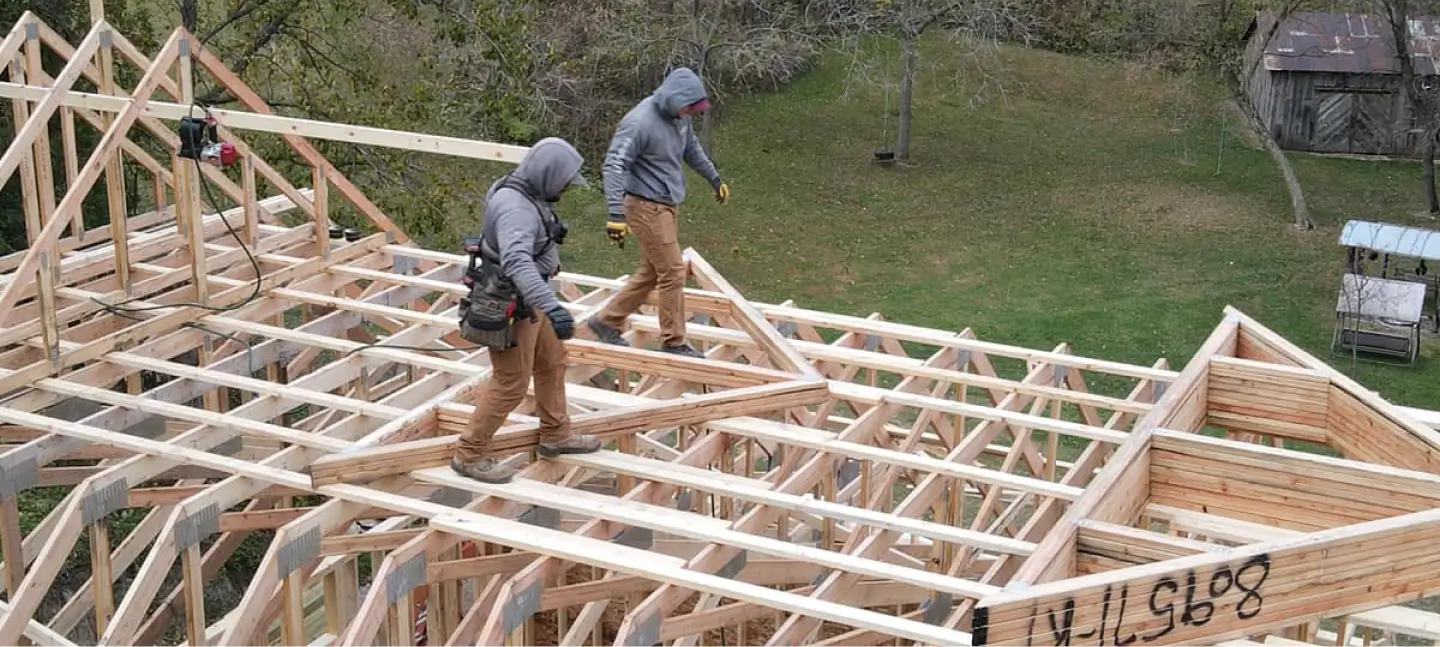
A full roof replacement for an average-sized home typically falls between eight thousand and fifteen thousand dollars, with larger homes or premium materials pushing costs higher. While that is a significant investment, the value it delivers in longevity, warranty coverage, energy efficiency, and peace of mind is substantial.
Many roofing contractors also offer financing options, which can make a replacement more manageable without deferring a necessary upgrade.
The Break-Even Analysis
A useful way to evaluate your options is to compare the expected remaining life of a repaired roof against the cost of the repair itself. If spending fifteen hundred dollars extends the roof’s life by two to three years before replacement becomes unavoidable anyway, that math may not work in your favor. On the other hand, if a five-hundred-dollar repair gives you five to seven more solid years on a roof with plenty of life remaining, the repair clearly wins.
A trusted contractor can help you walk through this analysis honestly and without pressure.
Warning Signs That Repair Is No Longer Enough
Some roofs reach a tipping point where repairs stop being a reasonable solution. Recognizing those signs early helps you avoid spending money on work that will not hold up.
- Widespread curling or buckling shingles across large portions of the roof indicate that the underlying materials have degraded beyond patching. This is a systemic issue, not a spot problem.
- Sagging roof sections point to potential structural problems with the decking or rafters beneath. This is not a shingle issue and cannot be resolved by surface repairs alone.
- Recurring leaks in the same location after multiple repairs suggest that the root cause has not been properly identified or addressed. Chasing a persistent leak with band-aid fixes is a cycle that rarely ends well.
- Granule loss throughout the gutters signals that your shingles have lost much of their protective coating and are nearing the end of their effective lifespan. Once granules are gone, UV degradation accelerates rapidly.
- High energy bills without explanation can indicate that your roof’s ventilation or insulation layer has been compromised, allowing conditioned air to escape. This is often a signal that more is going on beneath the surface than a simple shingle repair can fix.
If you are seeing several of these signs at once, it is time to have a serious conversation with a qualified contractor about replacement.
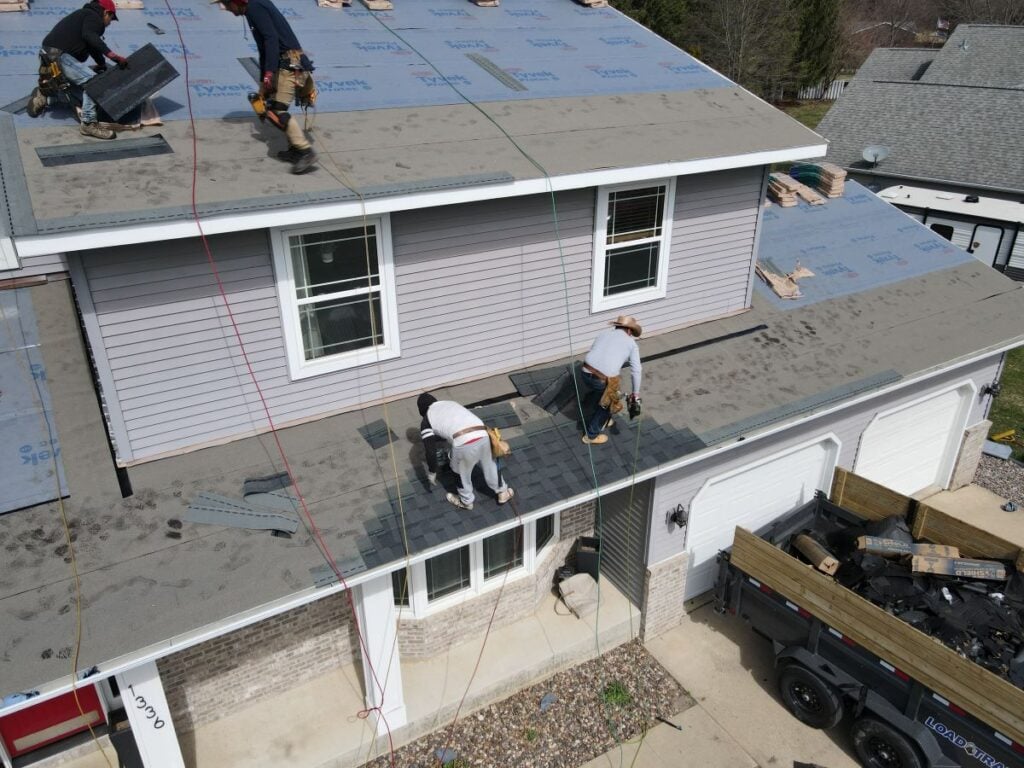
Get a Straight Answer From a Team You Can Trust
Your roof is one of the most important components of your home, and the difference between a smart repair and a necessary replacement is not always obvious from the ground. Puetz Construction has helped homeowners across Woodbury and surrounding areas make confident, informed roofing decisions for years, and our team will give you an honest assessment without overselling you on work you do not need. Contact us today to schedule your inspection and find out exactly what your roof needs.
Fresh From our Blog