Roofing Insurance: What Homeowners Need to Know
Puetz Construction | 8 Minute Read
When a storm hits or unexpected damage occurs, your roof is your home’s first line of defense. But when it comes to filing a claim or understanding your coverage, roofing insurance can feel confusing. Knowing what’s included, what’s not, and how to navigate the process can make all the difference in restoring your home quickly and affordably.
In areas like Red Wing and surrounding areas, where hail, wind, and snowstorms are common, insurance coverage for your roof is essential protection. Whether you’re dealing with a recent storm or simply want to be prepared, understanding how roofing insurance works helps you make smart decisions and avoid costly mistakes. To see how professional roofing support fits into a successful claim, explore how our team provides detailed inspections and documentation through our roofing expertise and repair services.
In this guide, you’ll learn:
- What typical homeowner’s insurance covers for roof damage
- The steps to take when filing a roofing insurance claim
- Common pitfalls that delay or reduce claim payouts
- How professional inspections help strengthen your claim
- Tips for maximizing your coverage and avoiding future issues
Why Roofing Insurance Knowledge Matters

Most homeowners don’t think about their roof until damage appears—but waiting too long to act can cost you thousands. Understanding your coverage before a storm hits helps you respond faster and with confidence when you need it most.
Here’s why every homeowner should take roofing insurance seriously:
- Financial Protection: Roofing repairs and replacements can be expensive. Insurance coverage can offset most or all of the costs when damage is verified.
- Peace of Mind: Knowing your policy details means you’ll be ready to act immediately after a storm instead of scrambling for information.
- Faster Repairs: Homeowners who document damage properly and contact professionals early experience quicker claims and restoration.
- Avoiding Denied Claims: Many claims get delayed or rejected due to missing paperwork or incomplete inspections. Understanding the process helps you avoid these setbacks.
- Long-Term Property Value: A properly repaired and documented roof improves your home’s resale value and ensures long-term structural integrity.
5 Key Steps to Navigating Roofing Insurance Claims
Filing a roofing insurance claim doesn’t have to be overwhelming. By following a structured approach, you can make the process smoother, faster, and more successful.
1. Assess and Document the Damage
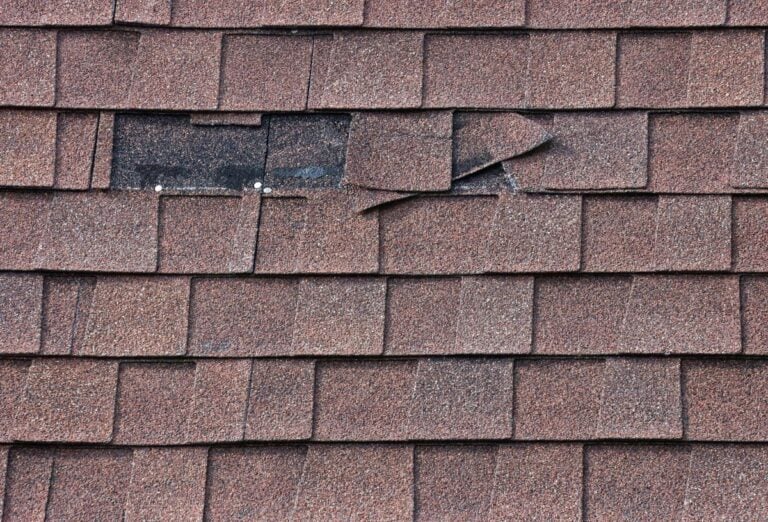
After a severe weather event, your first step should be to inspect your property safely from the ground. Look for visible signs of damage, such as missing shingles, dents in gutters, or debris on the roof. Avoid climbing onto the roof yourself, as it may be unsafe.
Document everything:
- Take clear photos and videos of damage to shingles, flashing, and surrounding areas.
- Note the date, time, and type of weather event (hail, wind, etc.).
- Save any photos of your roof before the storm if available—this helps prove the damage was new.
A roofing professional can also perform a full inspection to uncover hidden problems, like hail bruising or lifted shingles that aren’t visible from the ground.
2. Review Your Insurance Policy
Before filing a claim, review your homeowner’s insurance policy carefully. Look for sections that outline roof coverage, exclusions, and deductibles.
Pay attention to:
- Coverage type: Some policies cover full replacement costs, while others only pay actual cash value (which factors in depreciation).
- Deductible: The amount you’re responsible for paying before coverage applies.
- Exclusions: Certain types of damage, like wear and tear or lack of maintenance, may not be covered.
If you’re unsure about any part of your policy, contact your insurance agent for clarification before filing your claim.
3. Schedule a Professional Roof Inspection
Your insurance company will require verification of damage, and having a licensed contractor assess your roof before the adjuster arrives gives you an advantage.
Professional roofers provide:
- A detailed written inspection report with photos
- Measurements of affected areas
- Estimates for repair or replacement costs
- Documentation of storm-related damage
In Red Wing and surrounding areas, insurance adjusters often deal with multiple claims after major storms. Having professional documentation ready ensures your claim receives the attention it deserves.
4. File the Claim and Meet with the Adjuster
Once your inspection is complete, you can contact your insurance company to file the claim. Be ready to provide documentation and answer questions about the incident.
Tips for this step:
- File your claim promptly (delaying may lead to denial).
- Keep records of all communication with your insurer.
- Schedule a meeting between your roofing contractor and the insurance adjuster so both can review the roof together.
Having your contractor present helps ensure that all damage is recognized and properly documented, especially if the adjuster misses hidden problem areas.
5. Approve the Estimate and Begin Repairs
After the adjuster finalizes the claim, you’ll receive a settlement offer. Review it with your contractor to ensure it covers the full scope of necessary repairs. Once approved, your contractor can begin work.
Before starting repairs:
- Confirm the materials and colors match your original roof (if applicable).
- Ask for a written timeline for project completion.
- Keep copies of invoices and payment receipts for your records.
These records may be needed for future warranty or insurance purposes.
What Roofing Insurance Typically Covers
Most homeowner’s insurance policies cover roof damage caused by sudden, accidental events. However, they don’t usually cover issues that result from neglect or normal wear and tear.
Commonly covered damage includes:
- Hail impacts that cause dents or granule loss
- Wind damage that lifts or removes shingles
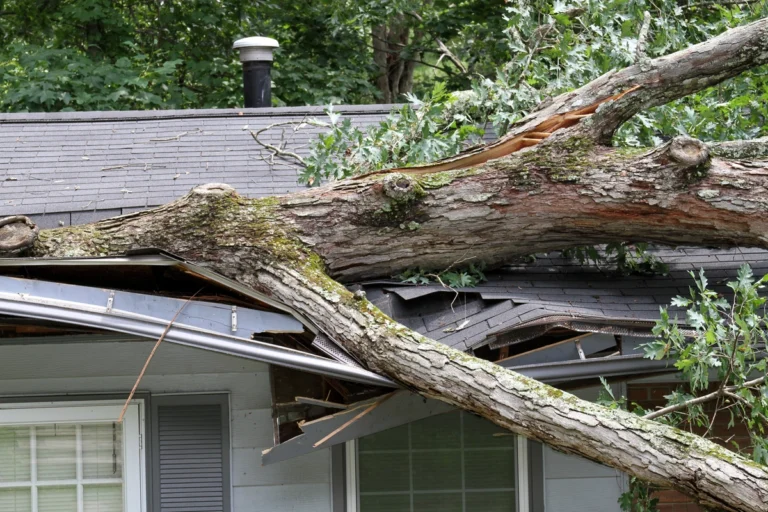
- Falling tree limbs or debris impacts
- Fire or smoke damage
- Water damage from roof punctures caused by storms
Typically excluded from coverage:
- Aging or poor maintenance
- Mold, algae, or rot caused by long-term moisture exposure
- Minor cosmetic wear not affecting performance
- Improper installation or repairs by unlicensed contractors
Your specific coverage may vary, so always confirm details with your insurer.
The Role of a Roofing Contractor in the Insurance Process
A trusted roofing contractor can make or break your insurance experience. While your insurance company focuses on cost control, your contractor’s priority is restoring your home correctly and safely.
How a roofing professional helps:
- Performs thorough damage inspections
- Provides documentation to strengthen your claim
- Communicates directly with adjusters to ensure all issues are addressed
- Offers guidance on repair or replacement options that meet code and warranty standards
Partnering with an experienced roofing company ensures the job is done right the first time and keeps your claim process transparent.
Replacement Cost vs. Actual Cash Value Policies
Understanding how your insurer calculates payment is crucial. There are two main types of roof coverage in most homeowner policies.
| Coverage Type | Description | What You Receive |
| Replacement Cost Value (RCV) | Covers the full cost to repair or replace your roof with new materials of similar kind and quality. | Payment equals the total repair or replacement cost minus your deductible. |
| Actual Cash Value (ACV) | Accounts for depreciation (age and condition of the roof). | Payment equals replacement cost minus depreciation and deductible. |
If your policy only provides ACV coverage, your payout may be lower, especially for older roofs. Some homeowners upgrade to RCV coverage for greater protection against out-of-pocket expenses.
Tips for Maximizing Your Roofing Insurance Claim
Getting the most from your policy requires attention to detail and proactive communication.
Follow these tips to strengthen your claim:
- Act quickly: Most insurers require claims to be filed within a specific timeframe after damage occurs.
- Use licensed, local contractors: They understand local building codes and can respond faster to storm-related emergencies.
- Avoid temporary fixes without documentation: If you make emergency repairs, take photos and keep receipts for reimbursement.
- Document everything: Keep copies of inspection reports, emails, adjuster notes, and contracts.
- Don’t settle too early: Make sure all hidden damage (including underlayment and flashing) is identified before signing off on final payments.
Having a knowledgeable roofing partner makes it easier to navigate the fine print and ensure you receive the compensation you’re entitled to.
How to Prepare Your Roof for Future Insurance Success
While you can’t control the weather, you can reduce the risk of damage and simplify future claims.
Preventive steps for homeowners:
- Schedule annual roof inspections and clean gutters regularly.
- Replace missing shingles promptly to prevent water intrusion.
- Keep trees trimmed away from your roofline.
- Save documentation of all maintenance and repairs.
- Review your policy yearly to ensure it still fits your needs.
By maintaining your roof and keeping accurate records, you’ll make the claims process easier if a storm ever hits your home.
Protect Your Home and Peace of Mind
Dealing with roof damage can feel stressful, but with the right preparation and professional support, the process becomes far more manageable. Knowing how roofing insurance works—and having a trusted contractor by your side—can help you navigate claims confidently, restore your home quickly, and protect your investment for years to come.
At Puetz Construction, we help homeowners in Red Wing and surrounding areas through every stage of the roofing insurance process, from initial inspection to final repair. Our experienced team provides honest assessments, clear documentation, and dependable craftsmanship that make your home whole again.
If your roof has been damaged or you want to prepare for future storms, contact us today to schedule an inspection and speak with a Puetz Construction expert. We’re here to make sure your roof—and your coverage—work for you.
Fresh From our Blog