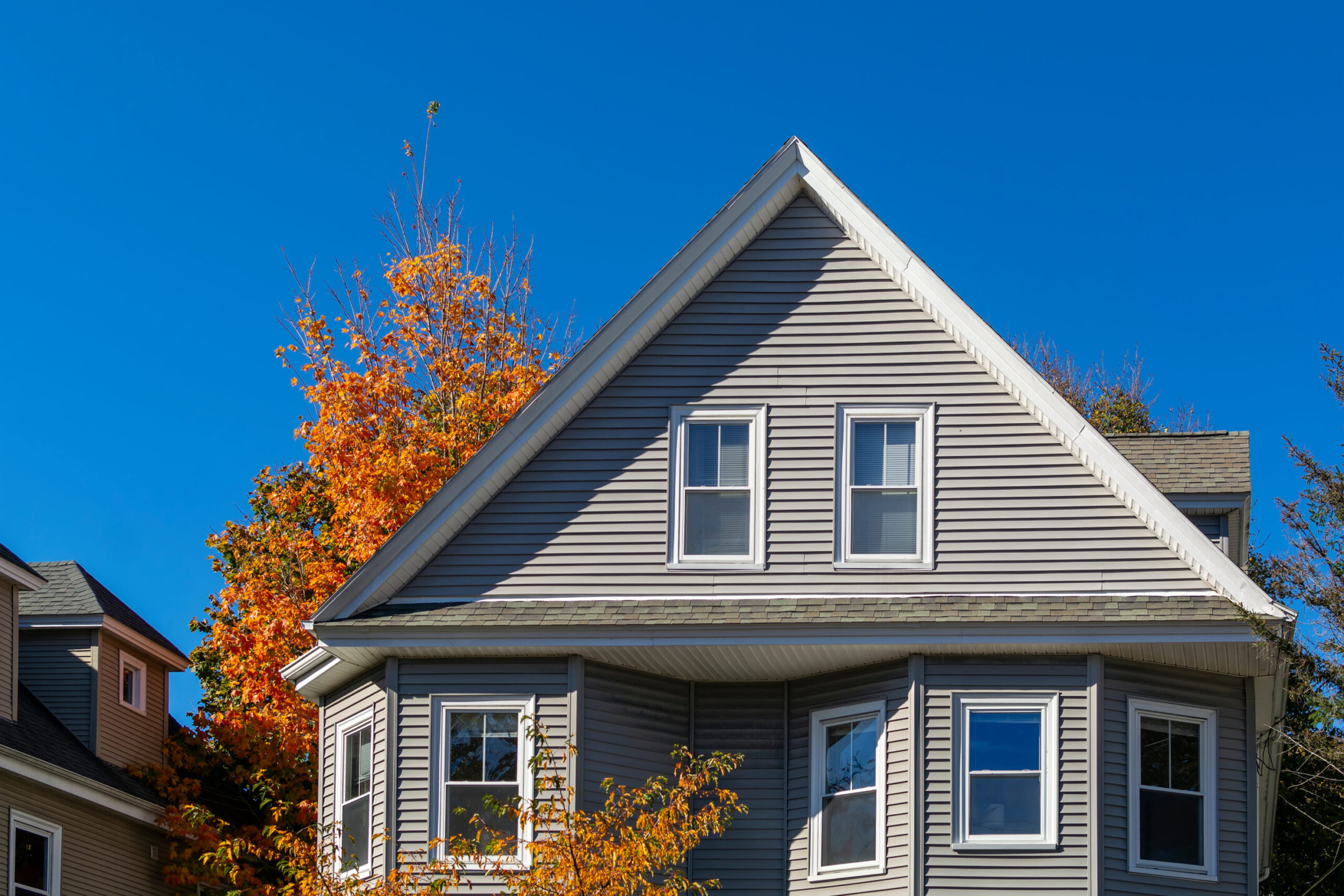
Siding Replacement: 6 Signs & Best Materials
Puetz Construction | 10 Minute Read
Your home’s siding isn’t just about looks. It’s your first line of defense against Minnesota’s unpredictable weather. From icy winters in Rochester to stormy springs in Red Wing, quality siding protects your home from moisture, wind, and extreme temperatures. It also improves energy efficiency and enhances curb appeal, but only if it’s in good condition.
Just like your roof or windows, siding wears out over time. Knowing when it’s time to replace it can save you from costly damage and rising energy bills.
In this guide, we’ll walk you through:
- Why siding replacement matters and how it affects your home’s comfort and value
- Clear signs your siding needs to go: Including warping, cracking, and hidden damage
- The benefits of new siding: From better insulation to a fresh, modern look
Whether you live in Albert Lea, Owatonna, or Winona, this guide will help you make a smart, informed siding decision for your home.
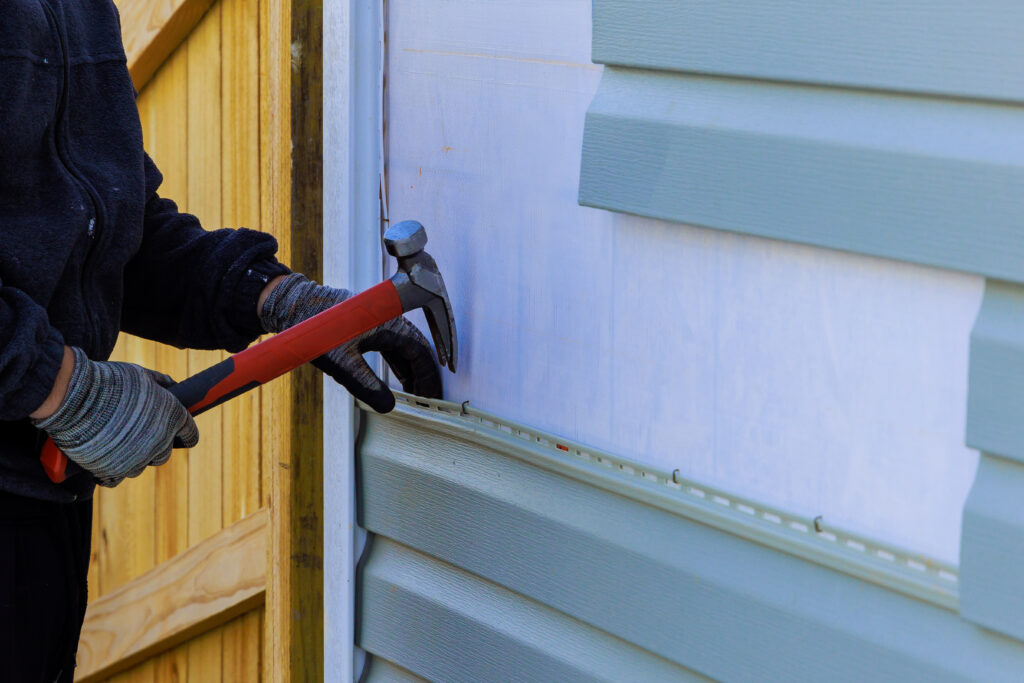
Why Siding Replacement Matters
Siding plays a pivotal role in protecting your home against external damage. Over time, exposure to extreme weather, water, heat, and cold can wear down even the sturdiest siding materials, including wood, fiber cement, or vinyl siding. Neglecting worn or outdated siding—whether it’s wood, fiber cement, or vinyl—can lead to:
- Higher energy bills due to poor insulation
- Increased risk of structural damage from water infiltration
- A decreased overall valuation of your home
Replacing your existing siding isn’t just about maintaining appearances; it safeguards your home’s integrity. Different siding materials, like fiber cement, vinyl, or even traditional wood, offer varying degrees of durability and aesthetic appeal. For example, wood siding provides a classic, natural look but requires regular maintenance to prevent rot or damage. Fiber cement siding stands out for its exceptional durability and resistance to pests, fire, and weather conditions, making it a popular choice for modern homes. Vinyl siding, known for its affordability and low maintenance, offers a wide range of styles and colors to suit different preferences.
6 Signs It’s Time to Upgrade Your Siding
Not sure if your siding needs replacing? Here are six unmistakable signs that it’s time to upgrade your siding before small issues turn into costly repairs:
1. Visible Damage
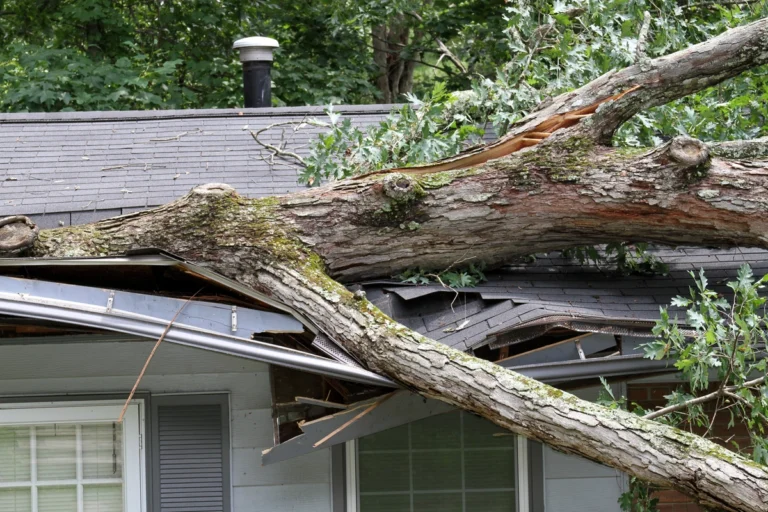
Cracked, warped, or rotting panels are clear signs that your siding needs attention. These issues not only hurt your home’s appearance but can lead to costly structural problems if ignored. Small cracks may allow moisture to seep in, compromising the integrity of your home. Repairing damaged siding promptly can save you from higher replacement costs or extensive siding repair down the line.
2. Fading or Peeling Paint
Faded or peeling siding indicates that the material is wearing down, often due to prolonged exposure to the elements. This isn’t just a cosmetic issue. Deteriorating siding can leave your home exposed to moisture and pests. While repairing faded siding might seem like an option, replacing it can be more cost-effective in the long term. Understanding the average costs of siding replacement helps you weigh your options.
3. Higher Energy Bills
A rise in heating or cooling costs can signal that your siding is no longer insulating your home properly. Damaged or outdated siding allows drafts and air leaks, causing your HVAC system to work harder. Upgrading to energy-efficient materials not only improves insulation but also reduces your utility bills. While replacement costs may seem high, the long-term savings on energy and labor costs make it a smart investment.
4. Moisture Problems
Signs like mold, mildew, bubbling, or soft spots on your siding point to moisture issues. Water that penetrates siding can cause rot, mold growth, and structural damage, leading to expensive siding repair or even full replacement. Addressing moisture problems early can reduce labor costs and prevent higher replacement costs later. Installing modern, water-resistant siding protects your home’s structure and saves on future repairs.
5. Warping or Buckling
Warped or buckling siding is a clear sign of trouble, often caused by excessive moisture or poor installation. These issues weaken your home’s defenses against the elements and may allow water to seep into the walls, leading to mold and structural damage. Replacing warped siding ensures your home remains stable and protected. Considering the average costs of siding replacement can help you plan for this critical upgrade.
6. Outdated Appearance
Worn or outdated siding can hurt your home’s curb appeal and lower its value. If you’re selling, modern siding can attract buyers and increase your property’s overall appeal. Beyond aesthetics, newer siding materials offer better durability and energy efficiency, reducing ongoing labor costs and improving insulation. While replacement costs vary, the benefits of refreshing your home’s exterior often outweigh the initial investment.
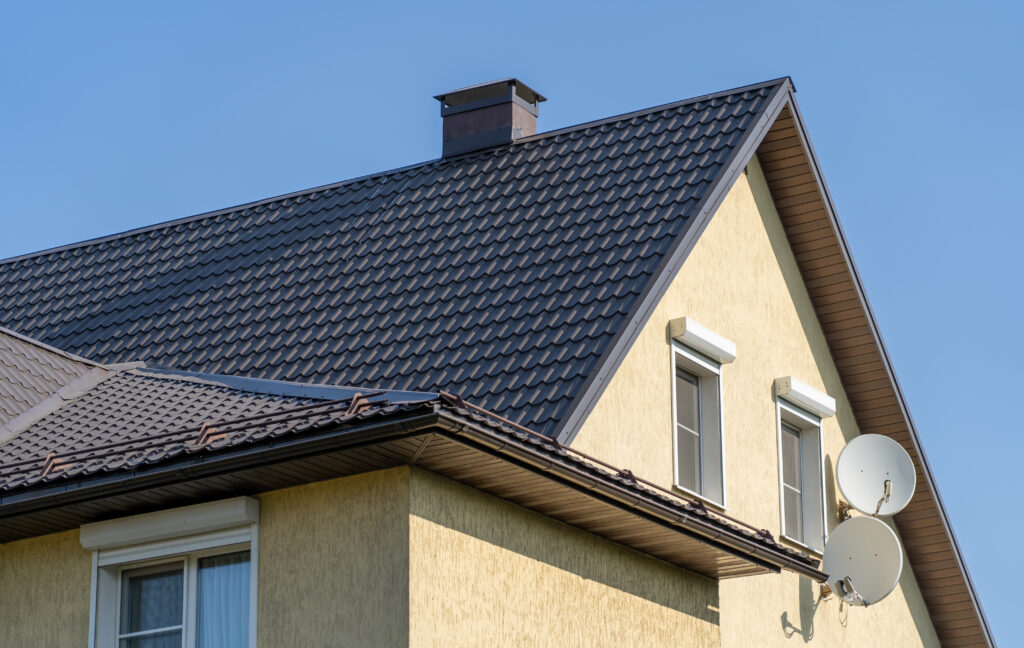
Top Benefits of Replacing Your Siding
Upgrading your siding comes with numerous benefits that extend beyond just protecting your home. Here’s why Minnesota homeowners are investing in new siding and what you can expect in return:
1. Boost Your Home’s Energy Efficiency
Minnesota winters are brutal, and old siding won’t cut it. Modern materials like LP SmartSide with foam backing or insulated vinyl siding add a thermal barrier to your walls, helping your home stay warmer in winter and cooler in summer.
Benefits:
- Lower energy bills (up to 15–20% annual savings in some cases)
- Fewer drafts and cold spots
- HVAC system runs less often
2. Instant Curb Appeal
Siding makes up most of your home’s exterior, so replacing it gives you the biggest visual upgrade.
Whether you want a sleek modern look or a rustic wood-style finish, today’s siding comes in bold colors, realistic textures, and custom trims.
Popular siding upgrades in Minnesota include:
- Neutral fiber cement for a clean, upscale look
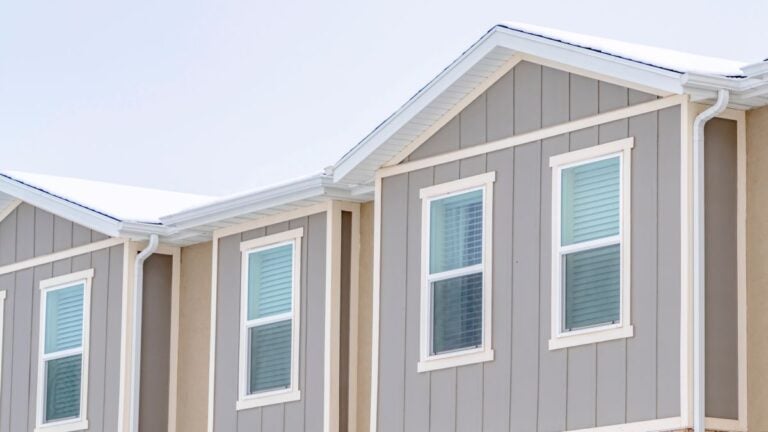
- Board and batten style for farmhouse charm
- Dark LP SmartSide for modern contrast
3. Add Serious Resale Value
New siding doesn’t just look good, it pays off. According to the Remodeling 2024 Cost vs. Value Report, homeowners recoup up to 76% of their investment in siding replacement.
Why buyers love it:
- Signals the home is well cared for
- Less maintenance for them
- Fewer repairs needed
4. Better Protection Against Midwest Weather
From freezing rain to 60-mph winds, Minnesota weather can be brutal on your home. Outdated siding is prone to cracks, gaps, and moisture infiltration.
Modern options like fiber cement or engineered wood resist:
- Wind uplift during storms
- Hail damage
- Moisture penetration
- Fading from sun and snow exposure
5. Lower Maintenance, Less Stress
Tired of scraping and repainting old wood siding every few years? Modern materials are designed to be hassle-free:
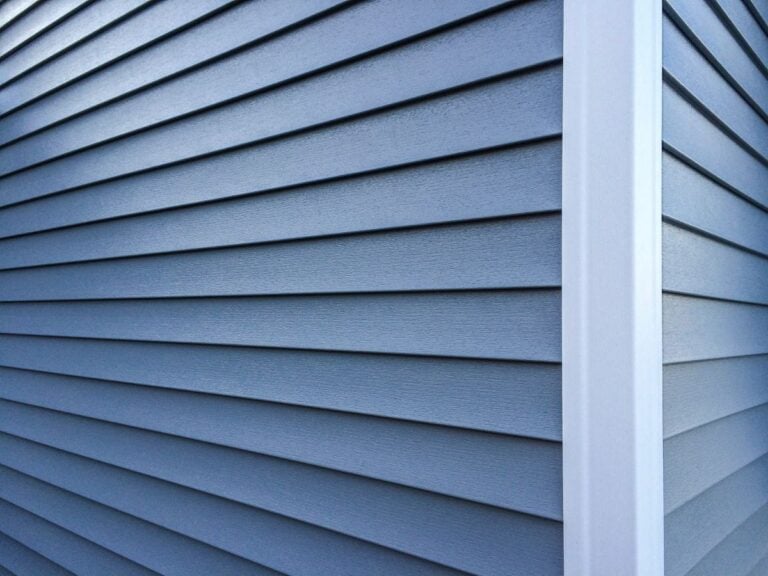
- Vinyl siding: No painting, resists fading
- Fiber cement: Incredibly durable with long-lasting color
- LP SmartSide: Engineered to resist pests and moisture
Most siding just needs an occasional rinse with a hose, no ladders, no power washing, no sealing.
Why Siding Fails Faster in Southern Minnesota
If you live in Minnesota, your home’s siding faces year-round punishment from the elements. While siding materials are built to be durable, the unique weather patterns in this region accelerate wear and tear faster than in milder climates.
Here’s why siding breaks down more quickly in our region:
- Freeze-Thaw Cycles: Minnesota winters can fluctuate wildly in temperature. One day it’s 30°F, and the next, it’s above freezing. These rapid changes cause siding materials to expand and contract — which leads to cracking, warping, or even panel separation over time.
- Wind-Driven Rain & Snow: Moisture is one of the biggest threats to siding longevity. Blowing rain and snow can find their way behind panels, leading to trapped moisture, mold, and eventual rot — especially in older siding that wasn’t installed with a proper weather barrier.
- High Summer Humidity: Cities like Red Wing, Preston, and St. Charles experience high humidity during summer. Wood-based siding can absorb this moisture, leading to swelling, peeling paint, and fungal growth if not properly maintained or sealed.
- Hail and Storm Damage: Southern Minnesota is no stranger to hailstorms. One good storm can leave behind dents, cracks, or punctures in aluminum or vinyl siding. Even if the damage looks cosmetic, it often leads to deeper structural issues later.
Even high-quality siding has a shorter lifespan in Minnesota unless it’s built and installed with our climate in mind. That’s why choosing the right materials, and a local contractor who understands the weather, is critical.
What Type of Siding Works Best for Homes in Minnesota?
Choosing the right siding isn’t just about looks. It’s about performance. In Southern Minnesota, your siding needs to stand up to extreme temperature shifts, high winds, moisture, and the occasional hailstorm. Here’s a breakdown of top-performing options trusted by Minnesota homeowners and builders alike:
1. LP SmartSide Engineered Wood Siding
Best for: All-around performance in extreme climates
- Made from engineered wood treated with SmartGuard® to resist moisture, rot, and insects
- Holds up well against freeze-thaw cycles and high winds
- Available in a variety of textures and colors that mimic real wood
2. Fiber Cement Siding (e.g., James Hardie)
Best for: Durability, fire resistance, and storm protection
- Extremely resistant to hail, fire, and pests
- Won’t warp, melt, or rot. Even with heavy rain or snow
- Low maintenance and long lifespan (30+ years)
3. Insulated Vinyl Siding
Best for: Budget-friendly energy efficiency
- Comes with built-in foam insulation to reduce heat loss
- Lightweight and lower cost than fiber cement or wood
- Newer models are more durable and fade-resistant than older versions
4. Siding Types to Be Cautious With in MN:
- Traditional Wood Siding: High maintenance and vulnerable to rot in humid areas
- Aluminum Siding: Dents easily in hail, conducts cold in winter
No matter what material you choose, proper installation is just as important. At Puetz Construction, our experienced crews understand Minnesota building codes and climate requirements. Ensuring your siding lasts as long as possible.
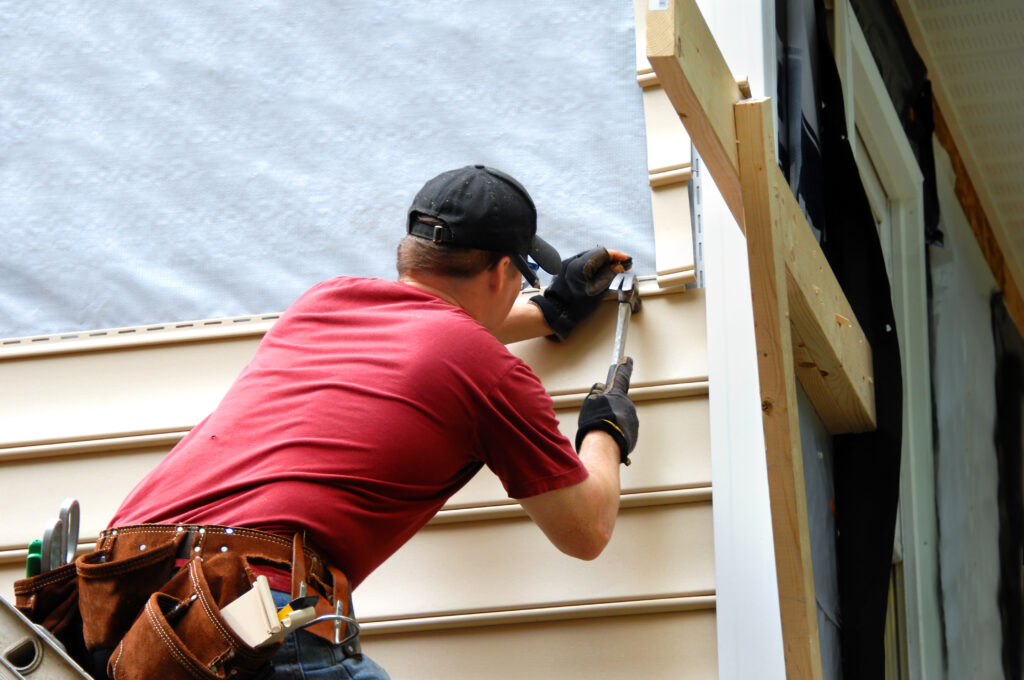
Your Trusted Partner for Siding Replacement
When it comes to siding replacement, Puetz Construction is the team you can trust to get the job done right. With licensed and insured professionals, unmatched craftsmanship, and a commitment to using only the best materials, we ensure your home is protected and beautiful for years to come.
From start to finish, your satisfaction is our priority, and we’re here to make the process seamless and stress-free. Ready to upgrade your home’s siding? Contact Puetz Construction today for a free damage inspection and let’s get started on transforming your home!
FAQ’s
How long does siding typically last in Minnesota?
Siding lifespan varies by material and local weather exposure. In Southern Minnesota, vinyl siding lasts 20–30 years, fiber cement 30–50 years, and LP SmartSide around 25–40 years. Assuming proper installation and maintenance. Harsh winters and storm cycles may shorten these timelines.
Can siding be replaced during Minnesota winters?
Yes, siding can be replaced in winter, but conditions must be safe and temperatures above freezing for proper installation and material performance. Many homeowners schedule spring or early fall installations, but professional crews can work in cold months when needed.
Does new siding improve energy efficiency?
Yes. Insulated siding options help reduce heat loss in winter and keep cool air inside during summer. This reduces the load on your HVAC system, leading to lower energy bills and a more comfortable indoor temperature year-round.
How long does it take to replace siding?
A typical siding replacement takes 7–10 days, depending on weather, home size, and material type. Inspections, material delivery, and any needed repairs may add time, but most jobs are completed within two weeks.
Fresh From our Blog