How Much Does Vinyl Siding Cost to Install? (2026)
Puetz Construction | 6 Minute Read
If you’re considering replacing your home’s siding in Minnesota, one of the first questions you’re probably asking is: How much will vinyl siding cost?
Vinyl siding remains one of the most popular exterior upgrades for Minnesota homeowners because it’s durable, low-maintenance, and built to handle our harsh winters, summer humidity, and temperature swings. But the actual cost can vary significantly depending on your home’s size, the style of siding you choose, and the condition of your existing exterior.
At Puetz Construction, we’ve installed vinyl siding on homes throughout Minnesota and understand how local weather conditions, building codes, and insulation needs impact real-world pricing. In this guide, we’ll break down:
- Average vinyl siding costs in Minnesota
- Cost per square foot (materials + labor)
- What affects your final price
- Hidden expenses to watch for
- How vinyl compares to other siding options
By the end, you’ll have a clear understanding of what to expect, and how to budget confidently for your siding project.
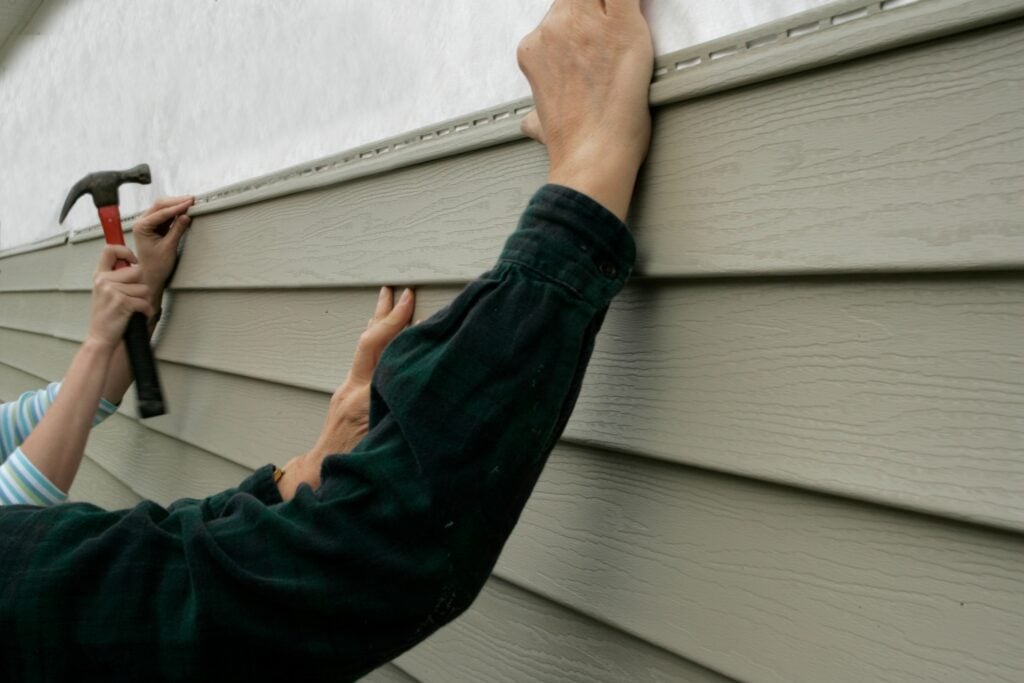
Average Vinyl Siding Cost in Minnesota (2026 Pricing)
If you’re budgeting for new siding, here’s what most Minnesota homeowners can expect:
Average Cost Per Square Foot (Installed)
Vinyl siding in Minnesota typically costs:
$6.00 – $11.00 per square foot installed
This includes:
- Standard removal of old siding
- Materials
- Labor
- Basic trim
Average Total Project Cost by Home Size
| Home Size | Estimated Cost Range |
|---|---|
| 1,500 sq ft home | $9,000 – $14,500 |
| 2,000 sq ft home | $12,000 – $18,500 |
| 2,500 sq ft home | $15,000 – $23,000 |
| 3,000+ sq ft home | $18,000 – $28,000+ |
Actual pricing varies based on siding type, insulation upgrades, and repair needs.
Materials vs Labor Breakdown
In Minnesota, vinyl siding projects typically break down as:
- 40–50% Materials
- 40–50% Labor
- 5–10% Disposal & Miscellaneous
Two-story homes or homes with complex rooflines often increase labor costs due to additional safety requirements and setup time.
What Affects Vinyl Siding Cost?
While square footage plays a major role, several other factors influence your final price.
1. Removal of Existing Siding
If your current siding needs to be removed and disposed of, expect added labor and dumpster fees.
Homes with:
- Multiple layers of old siding
- Wood siding underneath
- Asbestos siding
may require additional preparation work.
2. Insulated vs Standard Vinyl
Insulated vinyl siding costs more upfront but provides:
- Better winter energy performance
- Increased panel strength
- Reduced air infiltration
In Minnesota’s climate, insulated siding is often worth the upgrade.
3. Repairs to Underlying Sheathing
Once old siding is removed, contractors sometimes discover:
- Rotten wood
- Moisture damage
- Structural deterioration
Addressing these issues ensures your new siding performs properly long-term.
4. Trim, Soffit, and Fascia Upgrades
Many homeowners choose to update:
- Window trim
- Fascia boards
- Soffits
- Gutters
Bundling these projects can improve curb appeal and prevent future mismatched materials.
5. Home Height & Design Complexity
Two-story homes, steep rooflines, dormers, and architectural details increase labor time and equipment needs.
Vinyl Siding vs Other Siding Options (Cost Comparison)
Many Minnesota homeowners compare vinyl to fiber cement or engineered wood.
Here’s how they stack up:
| Material | Installed Cost (Per Sq Ft) | Maintenance | Durability |
|---|---|---|---|
| Vinyl | $6 – $11 | Low | Good |
| Fiber Cement | $10 – $15 | Moderate | Excellent |
| Engineered Wood (LP) | $9 – $14 | Moderate | Very Good |
Hidden Costs to Watch For
To avoid surprises, it’s important to understand potential additional expenses.
Possible Add-Ons Include:
- Structural repairs under old siding
- Upgraded house wrap or moisture barriers
- Insulation board installation
- Custom trim work
- Dumpster and disposal fees
- Code compliance updates
At Puetz Construction, we walk homeowners through these possibilities during the estimate process so there are no unexpected charges.
Best Vinyl Siding for Minnesota Weather
Minnesota homes experience extreme seasonal changes. Your siding needs to withstand:
- Subzero winter temperatures
- Heavy snow and ice
- Summer humidity
- Strong UV exposure
- Severe hailstorms
Not all vinyl siding performs equally in this environment.
Insulated Vinyl Siding (Best Overall Choice)
Insulated vinyl siding is often the best option for Minnesota homeowners.
Benefits include:
- Increased energy efficiency
- Added wall rigidity
- Reduced air infiltration
- Improved impact resistance
- Better performance in temperature swings
Because Minnesota sees extreme freeze-thaw cycles, insulated siding helps prevent warping and panel movement.
Choose Thicker Panels (.046” or Greater)
Thin vinyl can become brittle in cold weather. We recommend:
- Minimum .044” thickness
- Ideally .046” or thicker
Thicker panels provide better wind resistance and durability during winter impacts.
Consider Impact-Resistant Vinyl
Minnesota regularly experiences hail damage. Impact-resistant vinyl offers:
- Improved flexibility in cold weather
- Reduced cracking from hail
- Potential insurance incentives in some cases
UV-Fade Protection Matters
Summer sun can fade lower-quality vinyl. Look for:
- UV-resistant coatings
- Lifetime fade warranties
- Through-color panel technology
Siding Installation You Can Trust
The cost of installing vinyl siding on your home varies widely based on several factors, including material costs, labor, and additional expenses like removal and repairs of existing siding. While it’s essential to budget carefully, the benefits of vinyl siding, such as durability, low maintenance, and energy efficiency make it a worthwhile investment for homeowners.
Your home deserves the best, and with the right planning and professional help, you can achieve an exterior that’s both stunning and long-lasting. Ready to transform your home with beautiful, durable vinyl siding? Reach out to Puetz Construction today for a free estimate and professional guidance tailored to your needs.
FAQ’s
Is insulated vinyl siding worth the extra cost?
Insulated vinyl siding is often worth the investment, especially for homeowners looking to improve energy efficiency and durability. The built-in foam backing adds structural rigidity and helps reduce air infiltration, which can improve indoor comfort. While insulated siding costs more than standard vinyl, many homeowners appreciate the added performance benefits and long-term value.
How long does vinyl siding last?
Quality vinyl siding can last 25 to 40 years when properly installed and maintained. Lifespan depends on material thickness, installation quality, climate exposure, and impact damage from storms. Choosing thicker panels and reputable manufacturers typically results in longer-lasting performance.
Does new vinyl siding increase home value?
Replacing old siding can increase curb appeal and make a home more attractive to buyers. National remodeling reports consistently show that vinyl siding replacement recoups a significant portion of its cost at resale, often between 75% and 85%. Beyond resale value, homeowners benefit from improved appearance, reduced maintenance, and better exterior protection.
How do I know if my siding needs to be replaced?
Common signs that siding may need replacement include visible cracks, warping, loose panels, fading color, or increased energy bills. Moisture issues inside the home, such as mold or water staining near exterior walls, can also indicate siding failure. If your siding is more than 25 years old or requires frequent repairs, it may be more cost-effective to replace it rather than continue patching issues.
Fresh From our Blog