
Bay Windows: 5 Benefits, Styles and Curb Appeal Ideas
Written By: Puetz Construction | October 21, 2026 | 8 Minute Read

Few home upgrades change a room and a home’s exterior at the same time, but a bay window does both. By projecting outward from the wall, it pulls in light from three directions, adds usable space for a cozy seat or dining nook, and gives your home a distinctive look from the street. For homeowners in Winona and surrounding areas, it is a popular way to brighten long winter days and create a favorite gathering spot. If you have been dreaming about a fresh focal point for your favorite room, here is what to know.
A quick preview of this guide:
- How a bay window transforms both your interior and exterior
- Five benefits homeowners love most
- Popular styles and curb appeal ideas
- The real difference between bay and bow windows
- Answers to common planning questions
What Makes a Bay Window Worth Considering
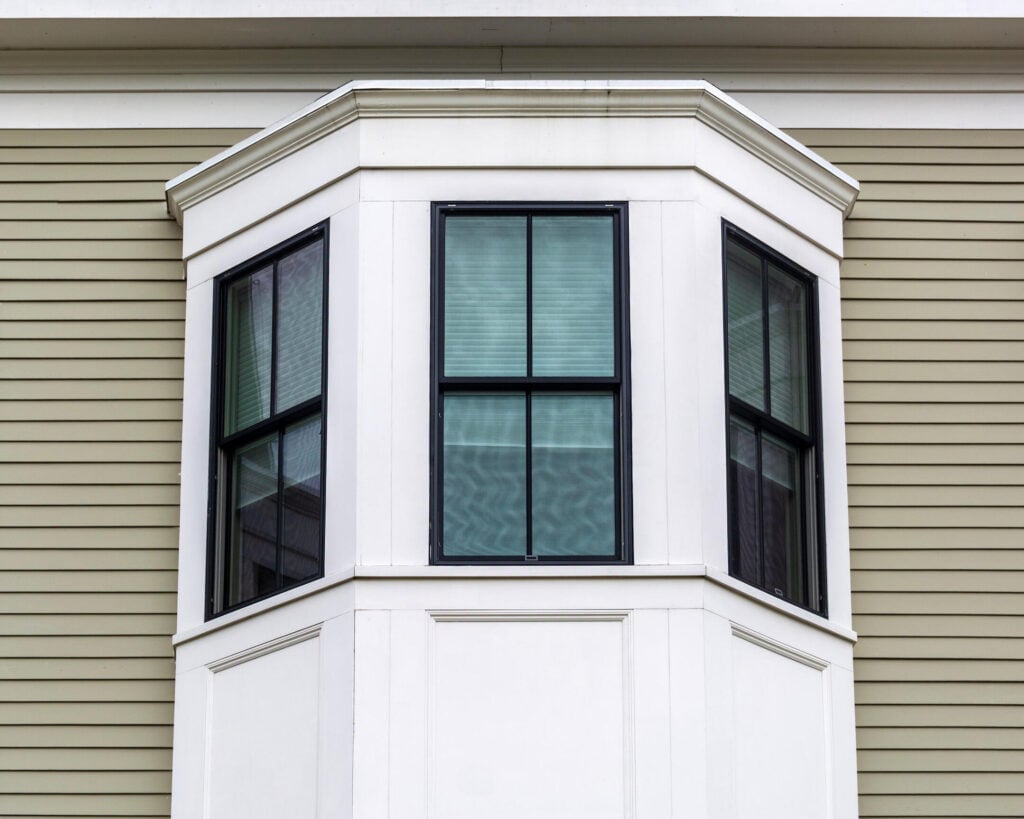
A bay window is more than a larger piece of glass. It is an architectural feature that reshapes a room, adds architectural character to the outside of your home, and creates a space people naturally gather around. That combination of form and functionality is why this classic window style has stayed popular for well over a century.
- More natural light: Glass on three sides brightens rooms throughout the day, even in winter.
- Extra space: The projection creates usable interior space for seating, plants, or a breakfast table without an addition.
- Standout curb appeal: The added depth gives a flat wall dimension and visual interest.
- Lasting value: Distinctive window features can support resale value because buyers notice and remember them.
These advantages make a bay window a smart choice for living rooms, kitchens, dining rooms, and primary bedrooms. The benefits below explain why so many homeowners choose one when updating their homes.
5 Bay Window Benefits for Your Home
Each benefit plays a different role, from everyday comfort to long-term value. Together, they explain why a bay window often becomes the favorite feature in a home.
1. A Flood of Natural Light
Because a bay window uses multiple window panels to capture light from several angles, its larger glass area brightens a room far more than a flat window of the same width. Morning and afternoon sun both reach the interior, which helps rooms feel larger and more welcoming during short Minnesota winter days.
- Reduces the need for daytime lighting
- Makes small rooms feel more open
- Creates a sunny spot for houseplants and herbs
2. Usable Space for a Window Seat or Dining Nook
The added depth of a bay window gives you more space without building an addition. Many homeowners turn it into a built-in window seat with storage below or a reading nook with cushions and a lamp, while others place a round table in the bay for a cozy breakfast nook.
During the holidays, that extra space really shines. A window seat becomes overflow seating when family visits, and a bay nook extends your dining areas with a charming spot for a festive table with a view of the snow.
3. A Dramatic Boost in Curb Appeal
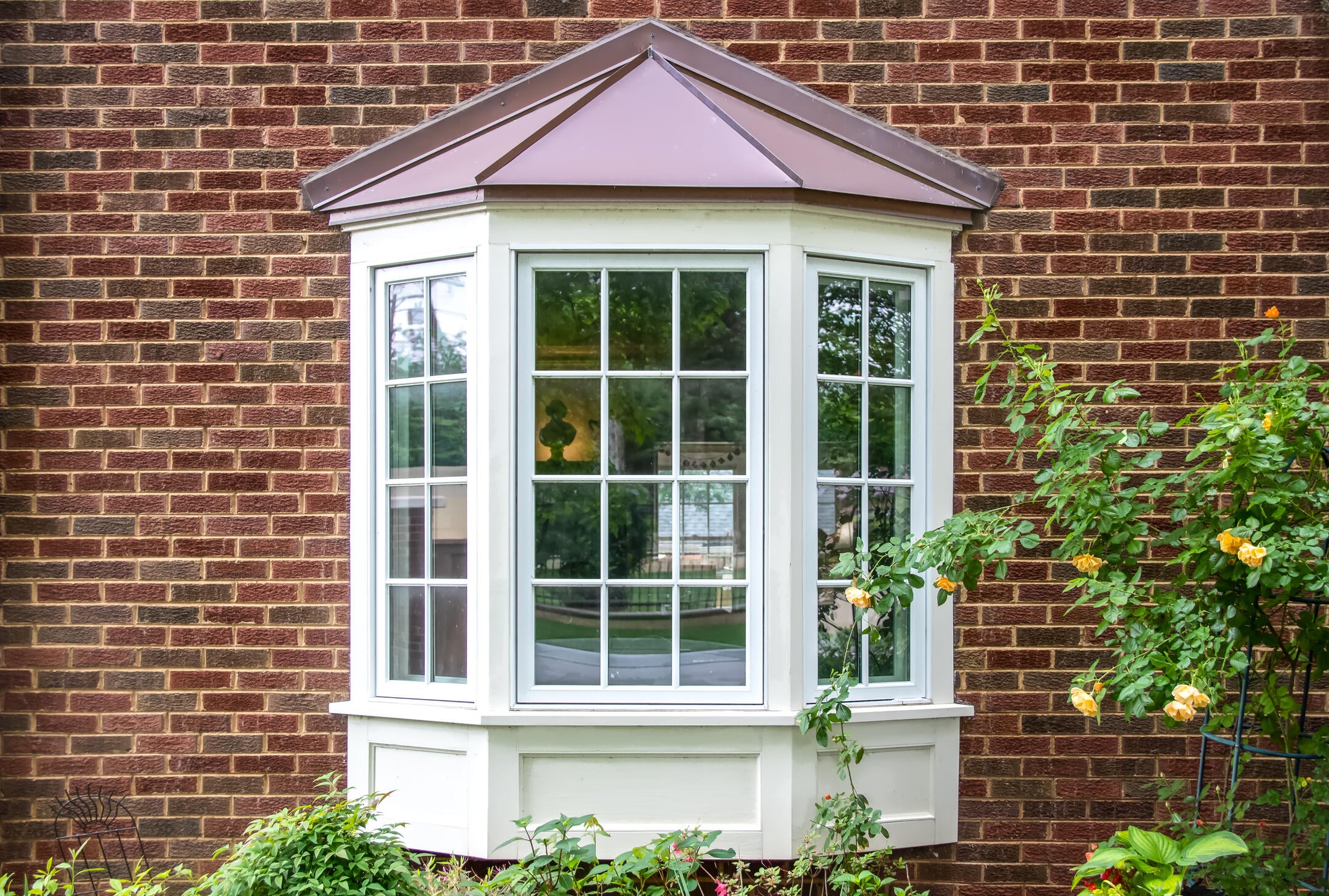
From the street, a bay window that extends outward from the home’s exterior wall adds depth and shadow lines that break up a plain facade. It can highlight the front of a home, frame a garden view, and complement architectural styles from Victorian to modern farmhouse. Pairing it with coordinated trim, siding, or a small roof cap makes the effect even stronger.
4. Wider, Panoramic Views
Angled side windows let you see up and down the street or across your backyard, not just straight ahead. This wider view is especially appealing in homes overlooking a garden, a wooded lot, or a scenic river bluff.
5. Better Ventilation and Lasting Value
Most bay windows pair a fixed picture window in the center with operable windows on each side, often casement or double hung windows. That setup lets you keep the windows open for fresh cross breezes in warmer months while keeping the view unobstructed. Combined with the extra light and space, it is a feature that adds lasting appeal and home value when it is time to sell.
These benefits make a bay window both a practical and beautiful investment. The next step is choosing a style that fits your home and the way you plan to use the space.
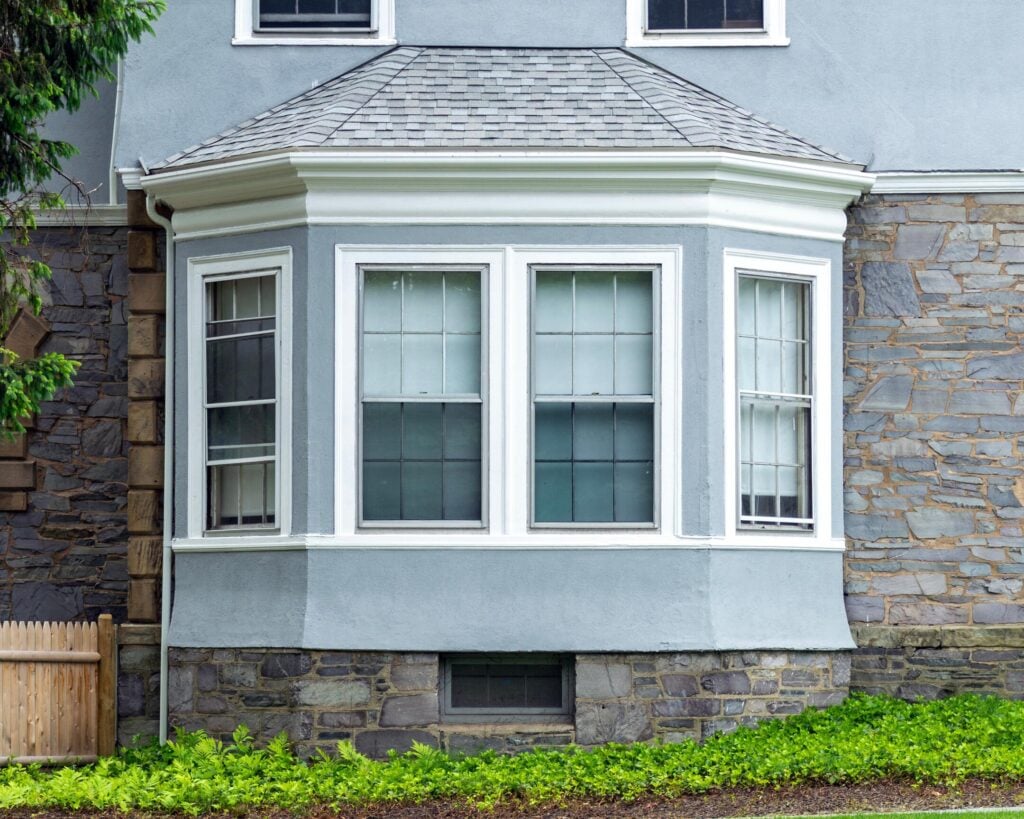
Popular Bay Window Styles and Curb Appeal Ideas
Bay windows come in different types, and the right one depends on your home’s architecture, room size, and goals. Your frame material and glass package also affect energy efficiency, maintenance, and how the window looks for years to come. Choosing the right style and finishing details can make the difference between a nice window and a true showpiece.
Classic Angled Bay
The traditional bay window features three windows: a large center window with two side windows angled at 30 or 45 degrees. A 30-degree bay has a subtler projection, while a 45-degree bay extends farther and creates more interior space.
Box Bay
Box bay windows use side windows set at 90 degrees for a squared-off look with sharp angles. They work especially well in modern homes and are commonly found in kitchens, where smaller versions serve as garden windows above a sink.
Oriel Bay
Oriel windows project from an upper story and get their structural support from brackets or corbels rather than a foundation. They add historic charm and are a natural fit for older homes with traditional architecture.
Curb Appeal Ideas That Make a Bay Window Shine
- Add a roof cap: A copper, metal, or shingled roof over the bay creates a polished, finished look.
- Use decorative brackets: Corbels below the window add craftsmanship and character.
- Coordinate trim colors: Matching or contrasting trim helps the bay stand out against siding.
- Frame it with landscaping: Low shrubs, flower beds, or a window box soften the base and draw the eye upward.
- Light it up for the holidays: A bay window is a natural stage for wreaths, garland, and candlelit displays visible from the street.
With the right style and exterior details, a bay window becomes one of the defining features of your home. Many homeowners in Winona and surrounding areas use these touches to make older homes feel freshly updated.
Bay vs. Bow Windows: What Is the Difference?
Bay and bow windows are often confused because both project outward from the wall and add light and space. The main differences come down to shape, number of window sections, and how much room they create inside. This comparison makes it easy to see which one fits your goals.
| Feature | Bay Window | Bow Window |
| Shape | Angular | Gently curved |
| Number of panels | Typically three | Typically four to six |
| Projection | Extends farther from the wall | Usually a shallower projection |
| Interior space | More room for seating or a table | Softer, more subtle alcove |
| Wall space needed | Works on smaller walls | Needs a wider wall |
| Best for | Window seats, dining nooks, cozy reading spots | Wide living room walls and panoramic views |
When to Choose a Bay Window
A bay window is ideal if you want a defined nook, a built-in seat, or a strong architectural statement. It also fits well in rooms with moderate wall width.
When a Bow Window Makes More Sense
A bow window suits large walls where you want a sweeping, curved view. It creates a softer look but generally offers less usable floor space than a bay.
Both styles can be custom built to fit your home, and the best choice depends on your room layout and design goals. A professional can help you compare options based on your wall space and structure.
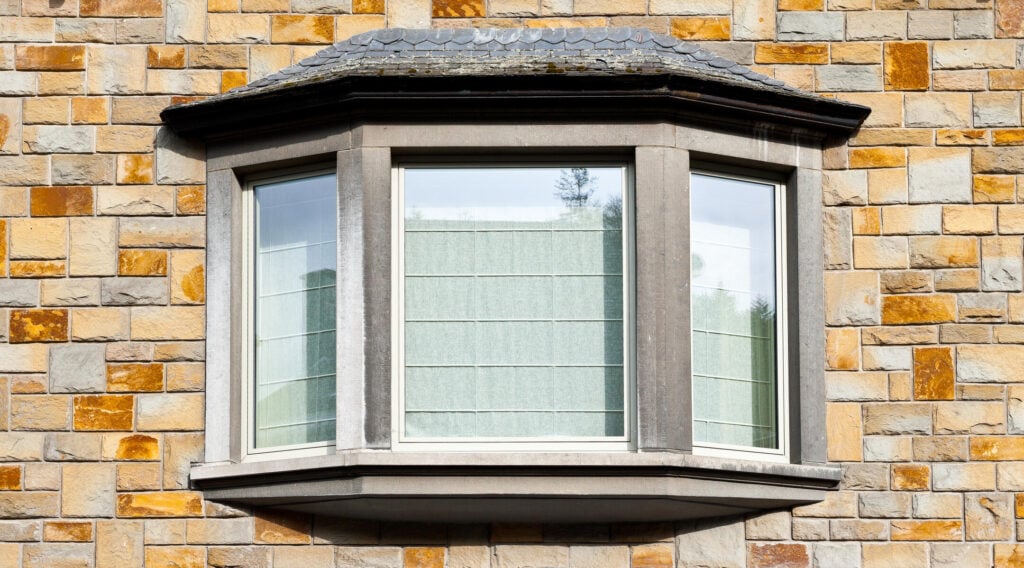
Frequently Asked Questions About Bay Windows
Bay windows involve a few more planning decisions than a standard window. Here are quick answers to the questions homeowners ask most often.
Can a bay window replace an existing flat window?
Yes, in many cases. The opening may need to be widened and the framing adjusted, and the projection requires proper support, so professional installation is important.
Are bay windows energy efficient enough for Minnesota winters?
They can be. For the best energy efficiency, choose quality glass, insulate the seat base and roof cap, and make sure the unit is properly sealed to avoid drafts and cold spots.
Do bay windows need a foundation?
Not always. Many are supported by cables or brackets from above, while larger bays may be built on a foundation or supported from below.
What rooms are best for a bay window?
Living rooms, kitchens, dining rooms, and primary bedrooms are popular choices. Any room where you want more window area, light, space, or a view can benefit.
How long does bay window installation take?
Most installations take one to two days, depending on the size of the window and any framing or exterior trim work required.
If you are still deciding whether a bay window fits your home, a professional consultation can help you weigh styles, sizes, and placement. Seeing options in the context of your actual room makes the decision much easier.
Bring More Light and Character Home
A bay window brightens your rooms, adds space for gathering, and gives your home a standout look from the street. With the right style and quality installation, it becomes a feature you enjoy every day and especially during the holidays. Puetz Construction helps homeowners in Winona and surrounding areas design and install bay windows that fit their homes and stand up to Minnesota weather. To start planning your project, contact us today.
Fresh From our Blog