
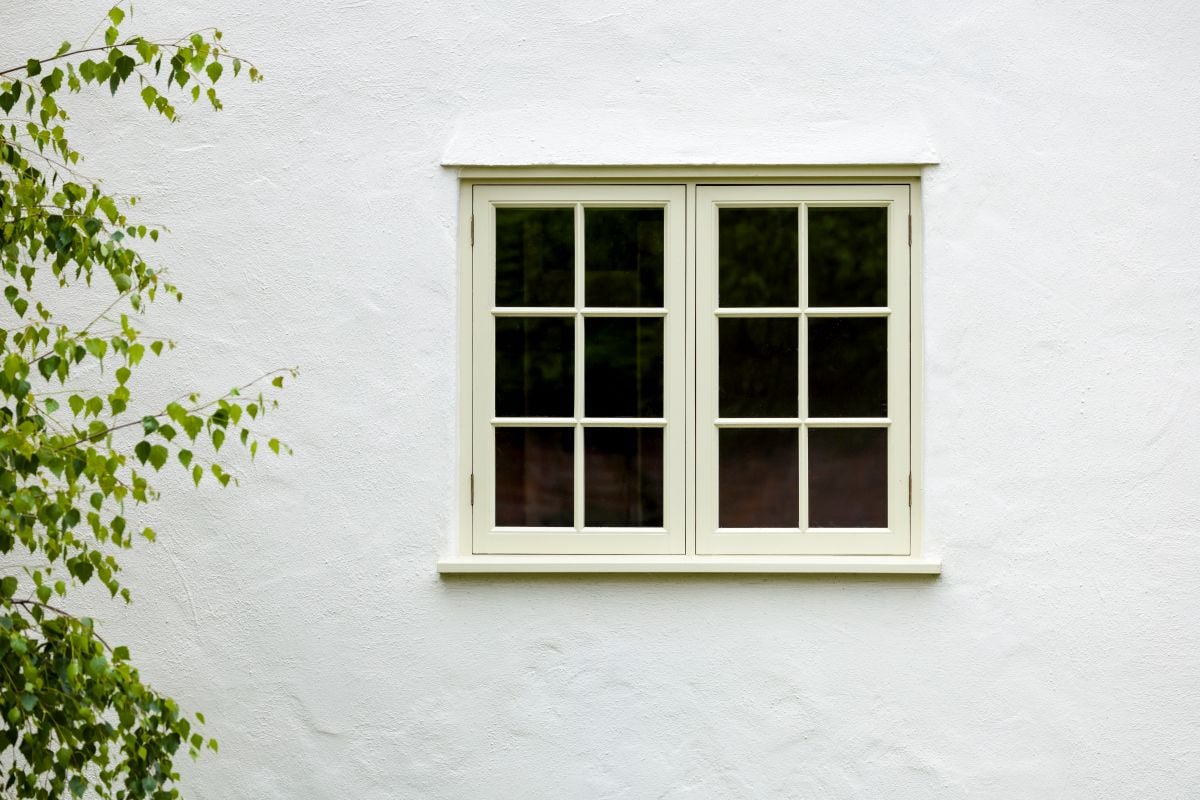
Casement Windows Guide: 5 Benefits and What to Know
Written By: Puetz Construction | September 7, 2026 | 9 Minute Read

Few upgrades change the feel of a room as quickly as new windows, and a casement window is one of the most popular styles homeowners choose when energy efficiency and views matter most. Anyone weighing options for upgrading the windows on their home will find casement styles come up again and again for good reason. This guide breaks down why they perform so well, what to expect from installation, and how they compare to other common window types.
A quick rundown of what’s ahead:
- Why casement windows are such a popular upgrade
- The five biggest benefits homeowners notice after installation
- How to choose the right style and material for your home
- How casement windows stack up against double hung options
Why Casement Windows Are Worth Considering
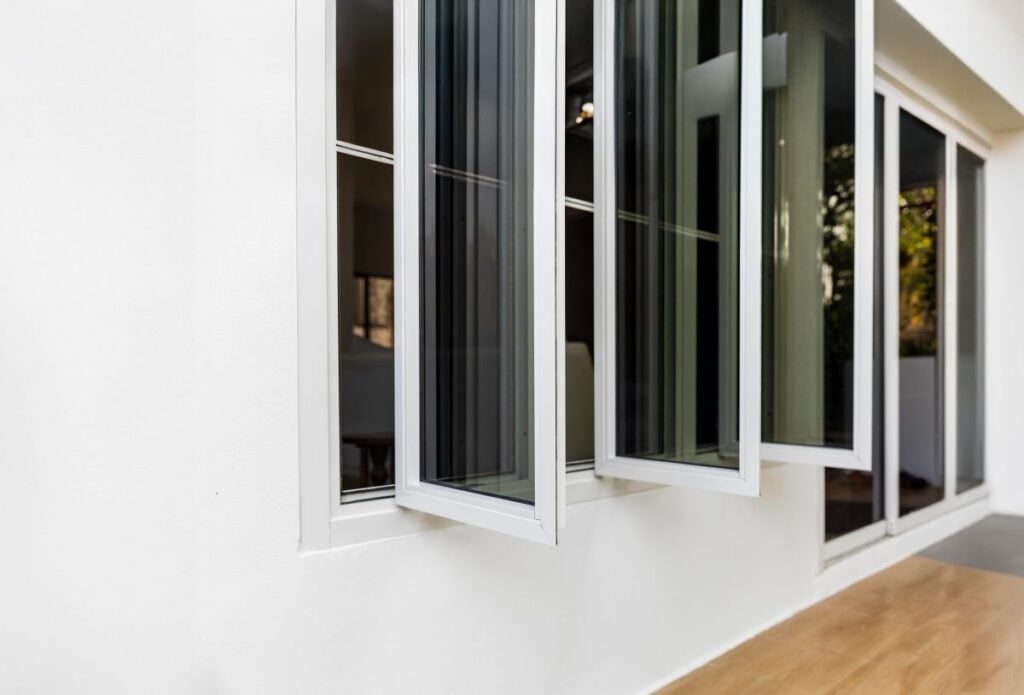
Casement windows are hinged on one side and open outward using a crank, sometimes referred to as crank windows, which changes how a room feels compared to windows that only slide up and down. That single design difference in how the window frame operates is responsible for most of the benefits homeowners talk about once they make the switch. Homeowners in Red Wing and surrounding areas often choose casement windows specifically for kitchens, bathrooms, and hard to reach spots where a crank mechanism is easier to operate than lifting a sash.
- Energy efficiency: The compression seal design closes tighter than a sliding sash, giving it an advantage in weather protection and cutting down on drafts.
- Ventilation control: Cranking the window open even slightly can catch a breeze that a double hung window would miss entirely.
- Unobstructed views: Fewer horizontal bars and a full pane of glass make casement windows feel more open.
- Added security: The hook shaped locking mechanism is difficult to force open from outside compared to simple sash locks.
Because casement windows perform differently than more traditional styles, it helps to understand exactly why homeowners keep choosing them before deciding if they fit your project.
5 Benefits of Casement Windows for Your Home
Casement windows have stuck around for decades because they solve real problems that other window styles struggle with. The five benefits below cover the reasons homeowners most often mention after living with them for a while.
1. Superior Energy Efficiency
When a casement window closes, the sash presses tightly against the frame, creating a stronger seal than the overlapping sashes found on double hung windows. That tighter seal translates directly into less air leakage and lower heating and cooling costs over time. Quality casement windows are manufactured with tight tolerances, and proper flashing above the window head helps keep moisture from working its way behind the frame.
- Compression seals resist drafts better than friction fit sashes
- Fewer moving parts along the seal mean less wear over the years
- Pairing casement windows with double or triple pane glass boosts efficiency further
2. Excellent Ventilation Control
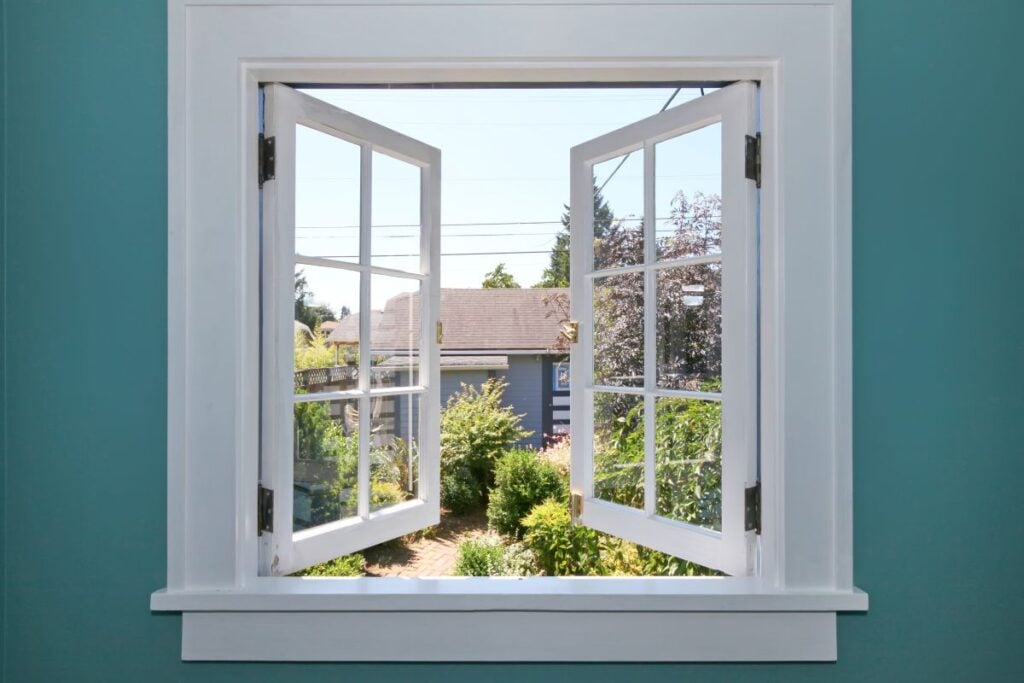
Because casement windows crank outward, they can actually catch and funnel passing breezes into a room, something a straight up and down window cannot do. This makes them especially useful in rooms that tend to feel stuffy or humid.
- Full width opening allows for maximum airflow when needed
- Angled opening can direct air into the room even in light wind
- Screens sit on the interior since the sash swings outward, keeping bugs out without blocking the view
- Easy to crank open just a few inches for controlled ventilation
3. Unobstructed Views
With a single large pane of glass and a slim frame, casement windows tend to offer a clearer, more open view than styles with a center rail or multiple panes. Homeowners who want to highlight a backyard, garden, or scenic lot often find casement to be the perfect window style for the job.
- Minimal frame design maximizes glass surface area
- Ideal above a kitchen sink where a crank is easier to reach than a sash
- Complements modern and craftsman style homes alike
4. Easy Operation
A simple, easy turn crank lever makes casement windows easy to open and close, which matters for windows placed over countertops, a kitchen sink, or other hard to reach areas. This is one of the more practical, everyday benefits homeowners come to appreciate.
- Crank mechanisms require less strength than lifting a heavy sash
- Smooth operation holds up well over years of daily use
- Easy cleaning is a bonus since most casements open wide enough to reach both sides of the glass
- Simple to fully close and seal without extra effort
5. Enhanced Security
Casement windows use a hook shaped lock that pulls the sash tightly into the frame, making them more resistant to forced entry than many sliding window designs. For ground floor windows especially, this added layer of security offers real peace of mind.
- Locking mechanism is difficult to manipulate from outside
- Closed casement windows are nearly impossible to pry open
- Added security is a common reason homeowners upgrade older sliding windows
Taken together, these five benefits explain why casement windows remain one of the most requested styles for both new construction and window replacement projects. They are not the right fit for every opening, but where they work, they tend to outperform other styles by a wide margin.
Choosing the Right Casement Window Style
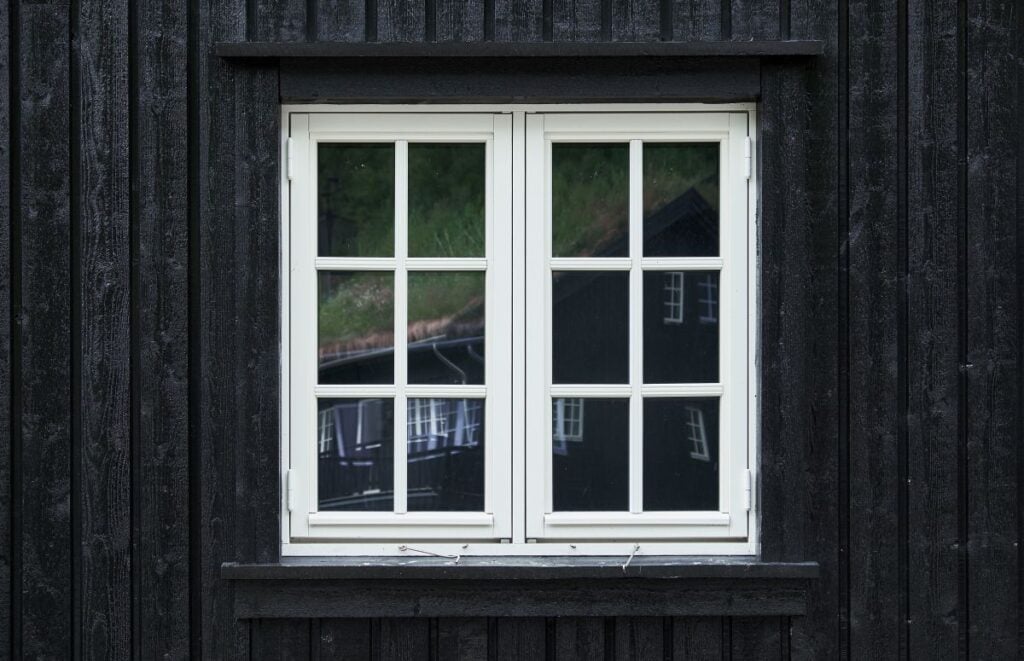
Once you have decided casement windows make sense for your home, the next step is narrowing down the specifics that will shape how they look and perform. Material, grille pattern, and crank placement all affect both the price and the long term experience of owning them, and manufacturers typically offer a wide variety of design options to fit almost any home.
Frame Materials and Colors
Vinyl frames are the most budget friendly and require little maintenance, while wood frames offer a classic look but need more upkeep over time. Fiberglass frames split the difference, offering strength and energy efficiency with a higher price tag than vinyl, and most lines come in a range of colors and sizes to match existing trim.
Grille Patterns
Some homeowners prefer a clean, grille free look to maximize the view, while others choose colonial or prairie style grille patterns to match a home’s existing architecture. Grilles can usually be added between the glass panes so exterior cleaning stays simple.
Hinge Direction and Hardware Finish
Casement windows can be hinged on the left or right side depending on the opening and how you want the sash to swing. Crank handles typically come in several chip resistant finish options, including brushed nickel, bronze, and matte black, allowing homeowners to match existing hardware throughout the home.
It is also worth noting that awning windows, which hinge at the top and crank outward from the bottom, offer a similar look and operation and are sometimes used alongside casement windows for a cohesive design. Working through these choices with an experienced installer helps avoid mismatched hardware or a grille pattern that clashes with the rest of the home’s windows.
Casement Windows vs. Double Hung Windows
Homeowners comparing casement and double hung windows often find the decision comes down to priorities like ventilation, maintenance, and how the windows will be used day to day. The table below highlights the biggest differences between the two styles.
| Feature | Casement Windows | Double Hung Windows |
| Ventilation | Full or angled opening captures more airflow | Limited to vertical opening only |
| Energy efficiency | Tighter compression seal | Slightly more prone to air leakage |
| Cleaning | Easy to clean from inside on most models | Tilt in sashes make cleaning simple as well |
| Best use case | Hard to reach spots, kitchens, scenic views | Traditional homes, familiar operation |
| Security | Hook lock resists forced entry | Standard sash locks, less resistant |
Neither style is universally better, and many homes throughout Red Wing and surrounding areas end up using a mix of both depending on the room. Understanding these tradeoffs ahead of time makes it much easier to choose the right window for each specific opening in your home.
Frequently Asked Questions About Casement Windows
Homeowners considering casement windows for the first time tend to ask a similar set of questions before moving forward. Here are answers to the ones we hear most often.
Are casement windows more expensive than other styles?
Casement windows can cost slightly more than basic double hung windows due to their hardware and sealing design, though the difference often pays for itself through improved energy efficiency.
Can casement windows be used in every room?
Casement windows work well in most rooms, though homeowners should consider crank clearance requirements for windows near walkways, decks, or furniture that could block full operation, similar to how a door needs room to swing open.
How difficult is it to clean casement windows?
Most casement windows open fully outward or feature a release mechanism, making it possible to clean both sides of the glass from inside the home.
Do casement windows work well in older homes?
Casement windows can be installed in older homes, though the surrounding trim and framing sometimes need adjustments to accommodate the crank hardware and outward swing.
How long do casement windows typically last?
With proper installation and normal maintenance, quality casement windows commonly last 20 to 30 years before hardware or seals need replacement.
Hopefully these answers help clarify what to expect as you weigh casement windows against other options for your home.
Ready to Upgrade Your Windows?
Casement windows offer a rare combination of energy efficiency, ventilation, and unobstructed views that few other window styles can match, making them a smart choice for many homes. Whether you are replacing a single window or updating an entire home, choosing the right style, material, and hardware makes a real difference in the long run. Puetz Construction has helped homeowners throughout Red Wing and surrounding areas select and install windows that fit both their style and their budget. If casement windows sound like the right fit for your home, contact us today to schedule a free consultation and talk through your options.
Fresh From our Blog