
Cedar Shake Siding: Style, Cost and Maintenance Guide
Written By: Puetz Construction | September 4, 2026 | 9 Minute Read

Few materials give a home the same warm, textured look as cedar shake siding, but that character comes with real tradeoffs homeowners should understand before committing. Anyone comparing exterior siding materials for an upcoming project will find that cedar shake sits in its own category, prized for looks but demanding more attention than vinyl or fiber cement. This guide covers what cedar shake costs, how durable it is, and what protecting your house looks like year after year.
In this guide, you’ll find:
- What makes cedar shake siding stand out visually
- A realistic breakdown of material and installation costs
- What ongoing maintenance actually involves
- How cedar shake compares to engineered alternatives
Why Cedar Shake Siding Still Turns Heads
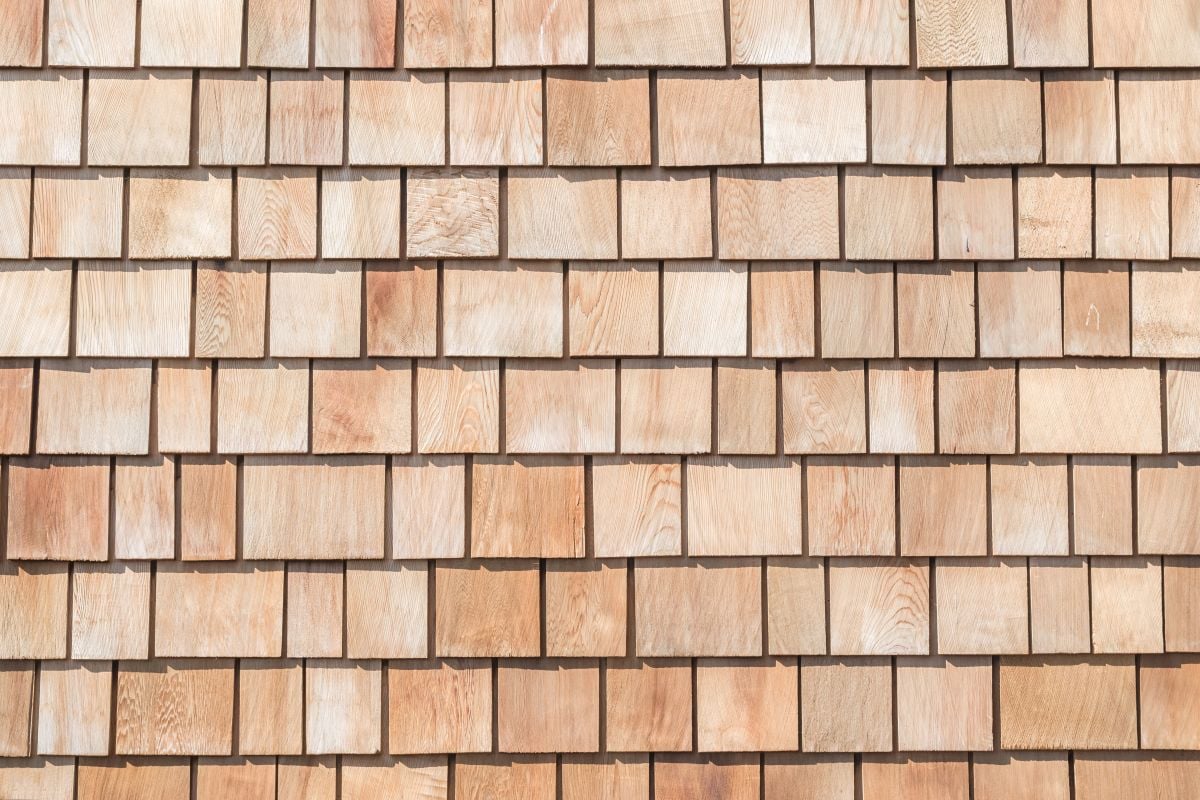
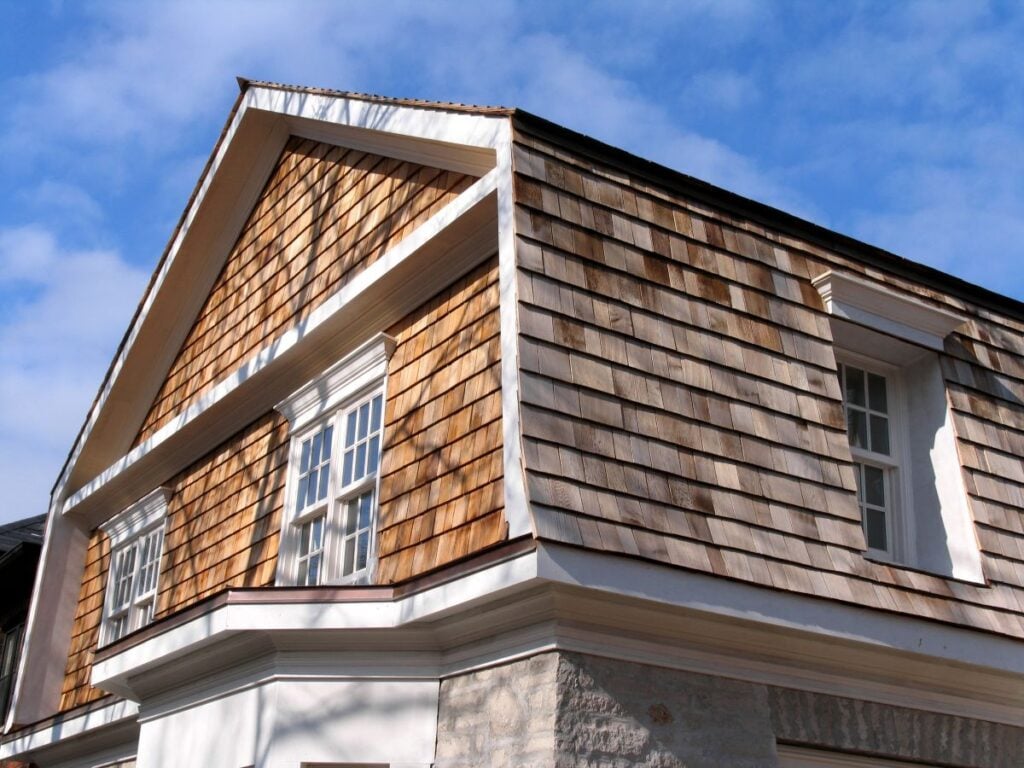
Cedar shake has been used on homes for generations, and it remains popular today because nothing quite replicates its natural texture and warmth. Cedar shake siding gets its rugged, highly textured look from split-log construction, which gives it a thicker, rougher profile than the thinner, more uniform cedar shingle siding often seen on Colonial and Victorian homes. It works especially well on craftsman, cottage, and coastal style homes, though it can also soften the look of a more modern build when used as an accent. Cedar shakes are also a common roofing material, though this guide focuses on their use as sidewall siding. Homeowners in Rochester and surrounding areas often choose cedar shake specifically because it stands apart from the vinyl and fiber cement siding seen on most streets.
- Distinct texture: The layered, staggered look creates depth and shadow lines that flat siding simply cannot match.
- Natural insulation: Cedar has natural insulating properties that can help moderate indoor temperatures compared to some manufactured materials.
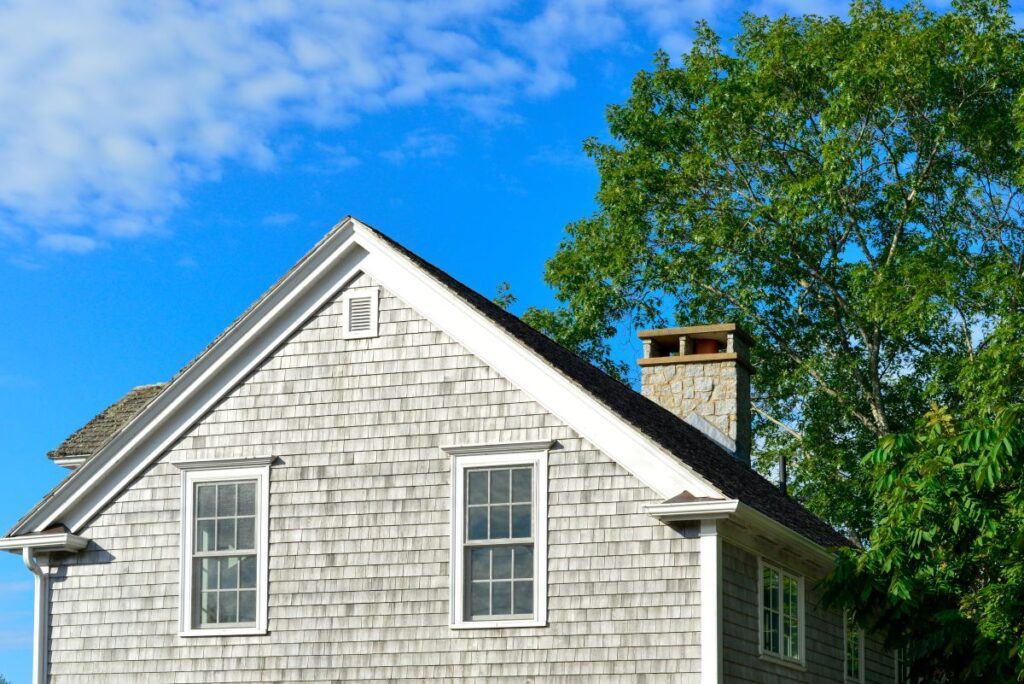
- Aging character: Untreated cedar weathers into an attractive silver gray patina over time, which some homeowners prefer over a painted finish.
- Resale appeal: A well maintained cedar exterior tends to stand out to buyers touring a neighborhood full of more common siding types.
That said, the same qualities that make cedar shake attractive also make it a bigger commitment than lower maintenance materials. Understanding both sides before moving forward will save you from surprises later.
6 Things to Know Before Choosing Cedar Shake Siding
Cedar shake siding is not one size fits all, and homeowners tend to have very different experiences depending on climate, budget, and willingness to keep up with maintenance. The six factors below cover the most important things to think through before signing a contract.
1. Style and Curb Appeal
Cedar shake comes in a few different cuts, including straight edge shingles for a cleaner look and staggered shakes for a more rustic, handcrafted appearance, and this shingle style variety allows for endless design possibilities. The choice between the two changes the entire personality of a home’s exterior.
- Staggered shakes suit cottage, coastal, and craftsman style homes
- Straight edge shingles work well on more traditional or colonial style homes
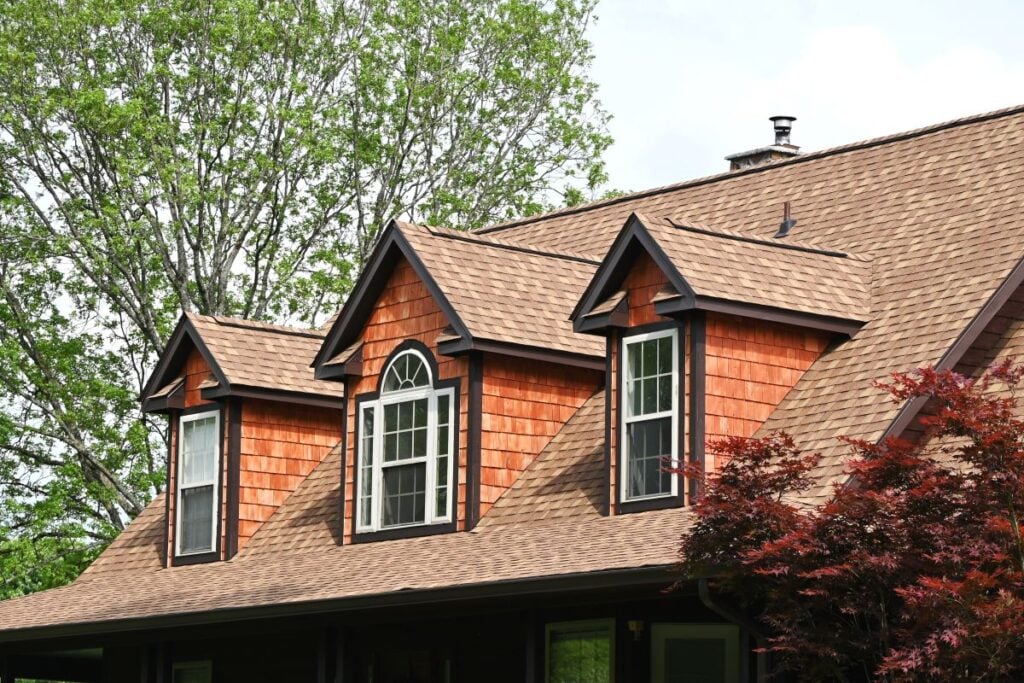
- Both options can be used as full siding or as an accent on gables and dormers
2. Upfront Cost
Real cedar shake typically costs more per square foot than vinyl and often more than fiber cement siding, largely due to material and labor costs. Pricing is often quoted by the linear foot or square, and it shifts based on manufacturer, market conditions, and quantity purchased. Homeowners should budget accordingly if cedar is high on their wish list.
- Material costs vary based on grade, thickness, and whether shakes are pre-stained
- Machine grooved R&R shingles, a common option, run about 17-1/2 inches long
- Labor costs run higher since shakes are installed individually rather than in large panels
- Custom cuts around windows, corners, and rooflines add additional time and cost
3. Installation Considerations
Because cedar shake is installed piece by piece, proper technique matters enormously for long term performance. Poor installation is one of the most common reasons cedar siding fails early, whether through moisture intrusion or uneven weathering.
- Proper flashing and moisture barriers are essential behind the shakes
- Sidewall installs can use single or double course methods, with double coursing adding extra protection
- Ventilation gaps help the wood dry out after rain or snow
- Spacing between shakes needs to account for natural expansion and contraction
4. Maintenance Requirements
Cedar shake asks more of homeowners than most other siding materials, and skipping maintenance tends to shorten its lifespan considerably. Natural oils give cedar shake resistance to decay, insects, and rot, though untreated shakes can occasionally attract woodpeckers if left unmonitored.
- Restaining is typically needed every 3 to 5 years depending on sun exposure
- Specialized stainless steel or aluminum fasteners are required to avoid streaking and staining over time
- Cleaning removes mold, mildew, and algae that thrive in humid conditions
- Inspecting for cracked or curling shakes catches small problems before they spread
5. Durability and Lifespan
With consistent maintenance, cedar shake siding can last 30 years or more, and some well cared for installations last even longer. That durability gives homeowners real confidence in their house’s long term value, a genuine advantage over siding that needs replacing much sooner. Neglected cedar, on the other hand, can start showing serious wear within a decade.
- Rot and insect damage are the biggest long term threats if moisture gets trapped
- Proper installation with adequate airflow significantly extends lifespan
- Homes in Rochester and surrounding areas benefit from siding that can handle freeze and thaw cycles
6. Fire and Weather Resistance
Untreated wood shakes carry more fire risk than fiber cement or vinyl since cedar is combustible, worth factoring in with local building codes and insurance requirements. Fire retardant treatments are available and reduce this concern considerably. Properly installed cedar shake performs well against high winds and heavy storms, and it remains a sustainable, biodegradable resource when responsibly sourced.
- Fire retardant cedar shakes meet stricter code requirements in many areas
- Properly treated cedar resists wind driven rain better than many homeowners expect
- Snow and ice buildup should be monitored since trapped moisture accelerates wear
Weighing these six factors together gives a much clearer picture of whether cedar shake fits your budget, climate, and appetite for upkeep. Most homeowners who choose it do so with eyes open about the tradeoffs and end up happy with the result.
Real Cedar vs. Engineered Cedar Shake Alternatives
Not every homeowner who loves the cedar shake look wants the maintenance that comes with real wood, which is why engineered alternatives have grown so popular in recent years. Homeowners who choose real cedar can look for Certi-label products for added confidence, since these shakes are graded against fixed criteria for consistent quality and often come with a manufacturer’s lifetime limited warranty. Engineered products aim to replicate the texture of cedar while offering lower upkeep.
Fiber Cement Shake Panels
Fiber cement shake style panels, sometimes called faux cedar shake siding, replicate the staggered, shadow line look of real cedar while resisting rot, insects, and fire far better than natural wood. Many faux cedar products carry a Class A fire rating and can withstand winds up to 115 mph, and fiber cement is generally more moisture-resistant than real cedar shake. They also hold factory applied color for decades without restaining.
Composite and Vinyl Shake Siding
Composite and vinyl shake products offer the lowest maintenance option and lowest upfront cost, though they generally do not replicate the depth of real cedar as convincingly as fiber cement. They can still be a smart choice for homeowners prioritizing budget over authenticity.
Choosing between real cedar and an engineered alternative usually comes down to authentic texture versus long term convenience. Both routes can deliver a beautiful, shake style exterior, so the right answer depends on personal priorities.
Cedar Shake Maintenance Timeline
Understanding what maintenance actually looks like over the life of the siding helps homeowners plan both their budget and their calendar. The table below outlines a general schedule, though exact timing depends on sun exposure, moisture levels, and how the siding was originally installed.
| Timeframe | Typical Maintenance Task |
| Year 1 | Initial inspection after the first full season of weather exposure |
| Years 2 to 3 | Cleaning to remove early mold, mildew, or algae growth |
| Years 3 to 5 | Restaining or resealing to protect against UV and moisture damage |
| Years 5 to 10 | Spot repairs on any cracked, curled, or damaged shakes |
| Years 10 plus | Full inspection for rot, insect damage, and flashing integrity |
Staying ahead of this schedule is far less expensive than dealing with rot or structural damage after the fact, and it is much easier than a difficult repair once damage has spread. Homeowners who treat cedar shake maintenance as routine tend to get the most value out of the material, and a well kept exterior makes for a nice, perfect finishing touch on any home.
Frequently Asked Questions About Cedar Shake Siding
Cedar shake tends to generate more questions than common siding types since it behaves differently over time. Below are answers to some of the questions we hear most often.
How long does cedar shake siding actually last?
With proper installation and regular maintenance, cedar shake siding commonly lasts 30 years or more, though neglected siding can deteriorate much faster.
Is cedar shake siding more expensive than vinyl?
Yes, real cedar shake typically costs more upfront than vinyl siding due to material and labor costs, though many homeowners feel the look justifies the difference.
Does cedar shake need to be painted or stained?
Most cedar shake is stained or sealed rather than painted, since staining allows the natural wood grain to remain visible while still protecting against moisture and UV exposure.
Can cedar shake handle harsh Minnesota winters?
Properly installed and maintained cedar shake can hold up well through freeze and thaw cycles, though ventilation and moisture management behind the siding are especially important in colder climates.
What is the difference between cedar shingles and cedar shakes?
Cedar shingles are thinner and sawn for a uniform look, while cedar shakes are thicker and rougher due to split-log construction, giving them a more rugged, textured appearance.
Are there lower maintenance alternatives that look like cedar shake?
Yes, fiber cement and composite shake style panels replicate much of the visual character of real cedar while requiring significantly less upkeep over time.
Hopefully these answers give a clearer sense of what to expect before moving forward with a cedar shake project.
Talk to Puetz Construction About Cedar Shake Siding
Cedar shake siding offers a distinctive look that few other materials can match, but getting the results homeowners expect depends heavily on proper installation and a realistic maintenance plan. Whether you are drawn to real cedar or an engineered alternative, understanding the costs and upkeep up front leads to a much better long term outcome. Puetz Construction has helped homeowners throughout Rochester and surrounding areas weigh these options against their budget and style goals. If cedar shake siding is on your radar, contact us today to talk through what it would look like for your home.
Fresh From our Blog