
Condensation on Windows: 9 Causes and When to Worry
Written By: Puetz Construction | October 16, 2026 | 9 Minute Read

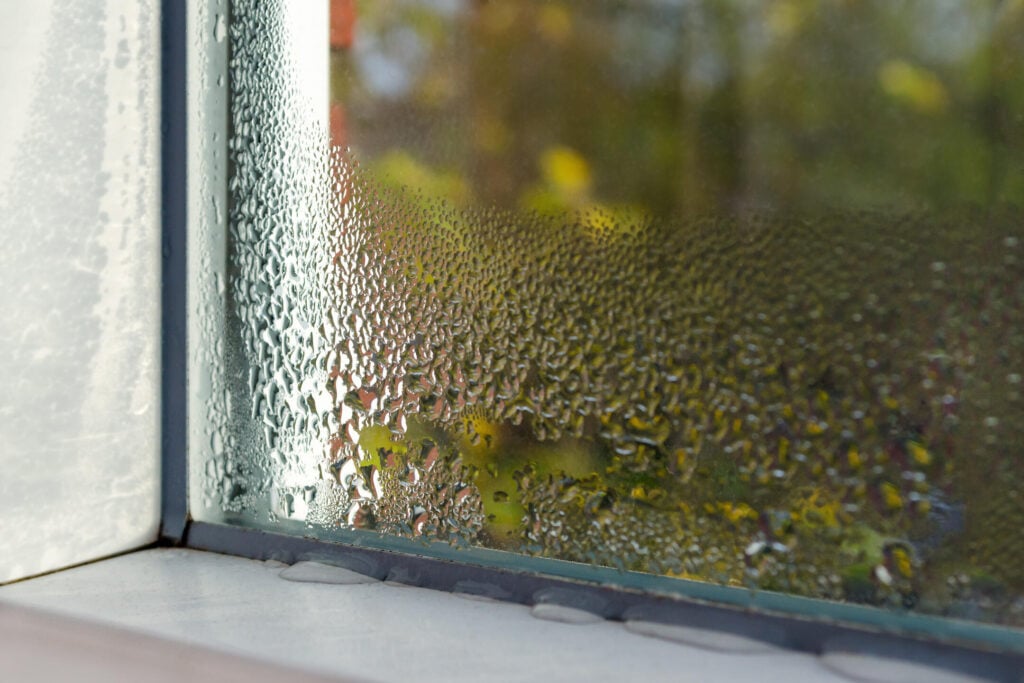
On a frosty Minnesota morning, it is common to find water droplets beading up on the window glass or a thin layer of fog in the corners of your windows. In most cases, condensation on windows is simply a sign of indoor humidity meeting cold glass. Sometimes, though, it points to a ventilation problem or a failed seal that needs attention. For homeowners in St. Charles and surrounding areas, knowing the difference can save you from mold, rot, and costly repairs, and help you decide when it is time for windows that stand up to cold, damp winters.
The short version of this guide:
- Why window condensation forms in the first place
- Nine common causes, from daily routines to failing windows
- How to tell harmless moisture from a real warning sign
- Simple fixes and when replacement makes more sense
- Quick answers to common homeowner questions
Why That Foggy Glass Deserves a Closer Look
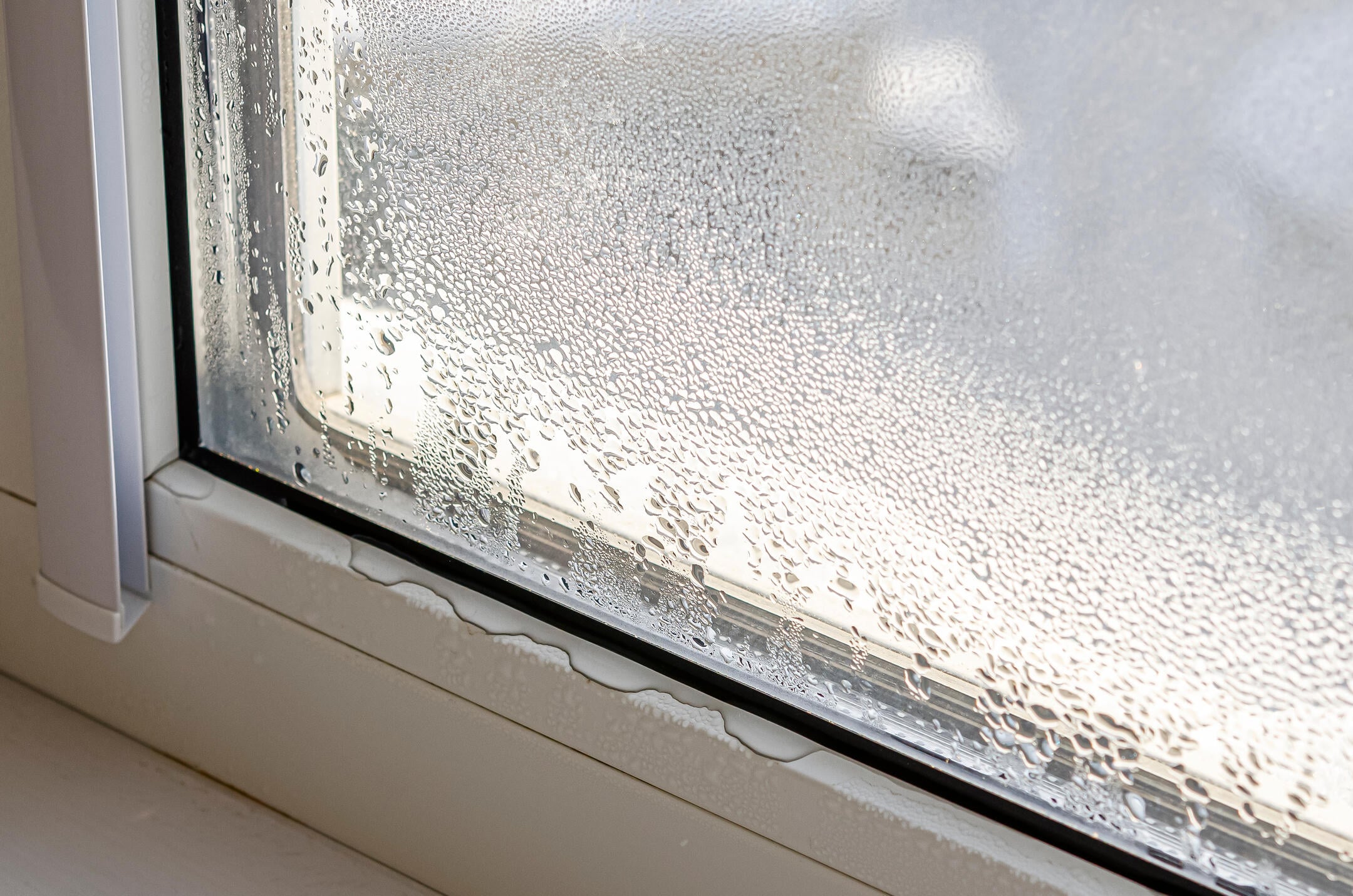
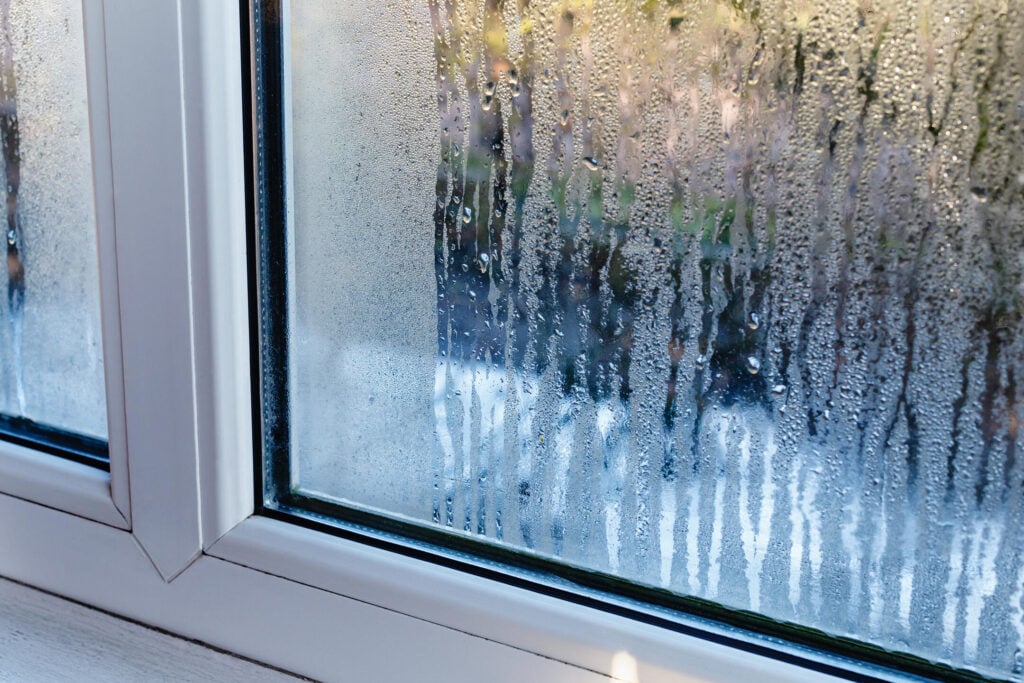
Condensation forms when warm, moist air inside your home touches a cooler surface that drops that air below its dew point. Windows are usually the coldest surface in a heated home, so they are the first place excess moisture shows up. A little fog now and then is normal, but persistent moisture is your home’s way of telling you something is out of balance. Understanding the science behind window condensation helps you figure out whether you need a simple habit change or a bigger fix.
- Protects your home’s structure: Water that drips onto sills and runs into walls can rot wood, swell trim, and damage drywall over time.
- Keeps your air healthier: Constant moisture creates ideal conditions for mold and mildew around frames and window treatments.
- Reveals hidden window problems: Moisture in the wrong place can signal a failed seal or air leaks that are costing you energy.
- Guides smarter spending: Knowing the cause keeps you from replacing windows that only needed a humidity adjustment.
The good news is that most condensation has a clear cause and a manageable solution. The list below walks through the most common culprits in Minnesota homes.
9 Common Causes of Window Condensation
Some of these causes are part of everyday life, while others point to an issue with the window itself. Pinpointing which ones apply to your home is the first step toward drier glass.
1. High Indoor Humidity
Everyday activities add a surprising amount of moisture to your air. Cooking, showering, laundry, and even breathing all raise humidity, and in a tightly closed winter home, that moisture has nowhere to go but onto the coldest surfaces.
- Boiling pasta or soup without a range hood fan
- Long, hot showers with no exhaust fan running
- Drying laundry on racks indoors
- Clothes dryers venting into the laundry room instead of outside
2. Extreme Outdoor Cold
The colder it gets outside, the colder your glass becomes. In cold climates like ours, condensation often appears or worsens during subzero cold snaps, even when your indoor humidity has not changed.
3. Poor Ventilation
Bathroom and kitchen exhaust fans exist to move moisture outside. If they are missing, undersized, or vented into the attic instead of outdoors, humid air lingers and settles on your windows. Limited air circulation and a damp basement or crawl space can add even more moisture to the inside air.
4. An Overworked Humidifier
Humidifiers help with dry winter air, but setting them too high is one of the fastest ways to fog up your glass. Many homeowners do not realize that the ideal humidity level drops as outdoor temperatures fall.
5. Moisture From New Construction or Remodeling
Fresh concrete, drywall mud, paint, and lumber all release moisture as they cure. After a renovation or in a newly built home, you may see extra condensation for the first heating season or two.
6. Heavy Window Treatments
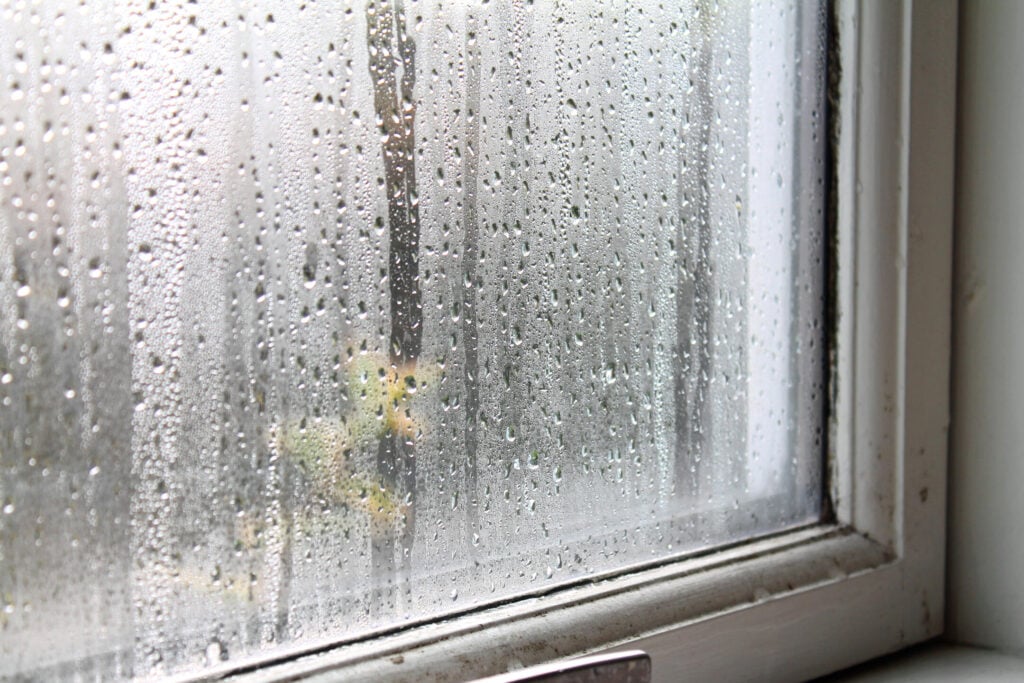
Thick curtains, cellular shades, and blinds pulled tight against the glass limit air movement and keep warm room air from reaching the window. The glass gets colder, and moisture forms behind the treatment where you may not notice it right away.
7. Older or Inefficient Windows
Old windows with single pane glass and early double pane units stay much colder on the inside than modern energy efficient windows, and drafty windows let cold outside air chill the glass even more. Aluminum frames and spacers also conduct cold, which is why fog often shows up first along the edges and in the corners. In an old house, adding a storm window can warm the glass and help prevent condensation until replacement is in the budget.
- Frost forming on the inside of the glass
- Ice building up on sills or tracks
- Water pooling at the bottom of the frame
8. Warm, Humid Outdoor Air
Sometimes condensation forms on the outside of the glass, especially on cool summer mornings or early fall days. This is completely harmless and actually shows that your windows are insulating well, keeping the outer pane cool.
9. A Failed Seal Between the Panes
When fog or moisture appears between the glass panes, the seal around the insulated glass unit has broken down. Moist outdoor air has worked its way inside, and the insulating gas that once filled the space has likely escaped. You cannot wipe this condensation away, and it will not go away on its own.
Most of these causes can be addressed with small changes, but the last one is different. Seal failure is a window problem, not a humidity problem, and it requires a different solution.
Harmless or Warning Sign? Reading the Three Types of Condensation
Where the moisture appears tells you almost everything you need to know. Before you adjust your humidifier or start pricing new windows, take a closer look at which surface is wet.
Condensation on the Inside of the Glass
This is the most common type and is usually tied to indoor humidity. Light fog that clears by midmorning is normal in a Minnesota winter. If you notice condensation that drips, pools, or lasts all day, your humidity is likely too high or your windows are not insulating well.
Condensation on the Outside of the Glass
Exterior moisture is a weather event, not a home problem. It forms when the outer glass is cooler than the morning air, and it disappears as the sun warms things up.
Fog or Moisture Between the Panes
This is the one that calls for action. Between-pane fog means the seal has failed, so the window has lost much of its insulating value. Over time, you may notice cloudy streaks or mineral deposits that make the glass look permanently dirty. Learn more about what causes this problem and your options in our guide to window seal failure.
If you are unsure which type you are seeing, try wiping the glass on both sides. If the moisture stays put, it is trapped between the panes, and it is time to talk with a window professional.
How to Reduce Condensation and When to Replace Instead
Interior condensation usually responds well to a few simple adjustments. Seal failure and badly outdated windows, on the other hand, need a more permanent fix. This comparison can help you choose the right path.
| Situation | What to Try | When to Call a Pro |
| Light interior fog in the morning | Run exhaust fans and open blinds during the day | Rarely needed |
| Heavy interior moisture or dripping | Lower humidifier settings and improve ventilation | If moisture persists after adjustments |
| Frost or ice on the inside of the glass | Lower humidity and check weatherstripping | When windows are single pane or very old |
| Exterior condensation | No action needed | Not needed |
| Fog between the panes | Nothing you can wipe or fix yourself | Right away for glass or window replacement |
Everyday Habits That Help
- Run bathroom fans during showers and for 15 to 20 minutes afterward
- Use the range hood while cooking
- Open curtains and blinds during the day to let warm air reach the glass
- Use ceiling fans on low to promote air circulation near windows
- Run a dehumidifier in a damp basement or crawl space
- Keep winter indoor humidity lower as outdoor temperatures drop, often in the 30 to 40 percent range and lower during deep cold
When Replacement Makes More Sense
If several windows have failed seals, frost forms regularly on the inside, or you see rot around frames, new windows are often the most cost-effective long-term solution. Modern energy efficient glass with better insulation keeps the inner pane warmer, so less moisture forms on the surface.
Many homeowners in St. Charles and surrounding areas find that a combination of better habits and a few targeted window upgrades solves the problem for good. A professional assessment helps you avoid replacing windows that only needed a humidity tweak.
Frequently Asked Questions About Condensation on Windows
Window moisture is one of the most common questions we hear each winter. Here are quick, straightforward answers to help you decide what to do next.
Is condensation on the inside of windows normal in winter?
Yes, a small amount is normal during cold weather. Heavy or constant moisture, however, usually means indoor humidity is too high or your windows are losing heat.
Can window condensation cause mold?
It can. Moisture that collects on sills, frames, and window treatments day after day creates ideal conditions for mold and mildew growth.
Why do new windows sometimes have more condensation?
New windows seal much tighter than old ones, so moisture that used to escape through drafts now stays inside, causing condensation. Better ventilation usually solves the issue.
Can fog between the panes be repaired?
Some companies offer defogging services, but results are often temporary and the lost insulating gas is not restored. Replacing the glass unit or the full window is the more reliable fix.
Does condensation mean my windows are bad?
Not necessarily. Interior and exterior condensation are often caused by humidity and weather. Only fog between the panes clearly points to a failing window.
If you still are not sure what is causing the moisture on your windows, a quick inspection can clear things up. A trained eye can usually tell within minutes whether you need a humidity fix or a window solution.
Stop Guessing About Foggy Glass
Condensation on windows can be harmless, but it can also signal a humidity imbalance or a failing seal that is quietly costing you comfort and money. Getting to the root cause protects your home and helps you invest wisely. Puetz Construction helps homeowners in St. Charles and surrounding areas diagnose window moisture problems and replace failing windows with options built for Minnesota winters. To have your windows evaluated, contact us today.
Fresh From our Blog