Insulated Vinyl Siding: 5 Benefits and Installation Guide
Written By: Puetz Construction | May 29, 2026 | 8 Minute Read

Your home’s exterior does more than create curb appeal. It shields everything inside from harsh weather, energy loss, and moisture damage — which is why the material you choose matters more than most homeowners realize. Insulated vinyl siding has become one of the most popular upgrades among homeowners in Waterloo and surrounding areas, delivering a combination of performance and visual impact that older siding options simply cannot match. If you’ve been exploring ways to improve your home’s efficiency and durability, explore what’s possible with professional exterior solutions that stand up to the region’s demanding climate.
What You’ll Learn
- Why insulated vinyl siding outperforms traditional siding in energy efficiency and durability
- The five key benefits that make it a smart long-term investment
- How the installation process works from start to finish
- How to choose the right style, color, and thickness for your home
- What to look for when comparing products and contractors
Why Insulated Vinyl Siding Is Worth the Investment
When homeowners start comparing exterior siding options, the upfront cost often drives the conversation. But focusing only on price misses the bigger picture. Insulated vinyl siding is an investment that pays dividends over time through lower energy bills, reduced maintenance, and increased home value. In Waterloo and surrounding areas, where winters can be brutal and summers bring their own temperature swings, the thermal performance of your siding has a real impact on indoor comfort year-round.
The foam backing bonded to insulated vinyl panels creates a continuous layer of thermal resistance across the entire wall surface. Unlike traditional insulation placed only between wall studs, this continuous coverage eliminates the thermal bridging that causes heat to escape through the framing. The result is a noticeably more consistent indoor temperature and a heating and cooling system that works less to maintain it.
- Energy savings you can measure: Continuous foam insulation dramatically reduces heat transfer, lowering monthly utility costs and easing strain on HVAC systems.
- Structural rigidity: The foam backing gives each panel added stiffness, reducing the hollow sound and flex that traditional vinyl is often criticized for.
- Moisture management: Quality insulated panels are designed to channel water away from the wall sheathing, protecting the structure beneath from rot and mold.
- Long-term value: Homes with upgraded exteriors consistently appraise higher and attract stronger buyer interest, making insulated vinyl a smart move whether you plan to sell or stay.
Understanding these advantages makes it easier to evaluate whether the product fits your goals. Once you know what you’re getting, the decision becomes much clearer.
5 Benefits of Insulated Vinyl Siding
Breaking down the specific benefits helps homeowners make an informed choice rather than relying on broad claims. Each advantage below addresses a real challenge that traditional siding leaves unsolved.
1. Superior Thermal Performance
The defining feature of insulated vinyl siding is the rigid foam layer bonded directly to the back of each panel. This foam, typically expanded polystyrene, adds R-value to the wall assembly without requiring any changes to the framing or interior. The thermal resistance works continuously across the surface, not just between studs, which is where conventional wall insulation falls short.
- Reduces thermal bridging through wall framing
- Adds R-2 to R-4 insulation value depending on foam thickness
- Keeps interior wall surfaces warmer in winter, reducing condensation risk
2. Greater Panel Rigidity and Durability
Standard vinyl panels are thin and can flex, buckle, or show wave patterns between nailing points. The foam backing on insulated panels creates a more rigid structure that resists these issues. The result is a smoother, flatter finished appearance and a panel that holds its shape through temperature fluctuations and impacts better than uninsulated alternatives.
- Foam eliminates hollow sound when tapped or struck
- Reduces risk of warping or buckling in extreme temperatures
- Maintains a clean, flat appearance over the long term
3. Lower Long-Term Maintenance
Vinyl siding is already known for low maintenance compared to wood, but insulated vinyl takes that further. The foam backing provides a buffer that protects the panel from impact dents and reduces stress cracking over time. A periodic rinse with a garden hose is typically all that is needed to keep the surface looking fresh. There is no painting, staining, or sealing required, which saves both time and money over the decades.
4. Enhanced Curb Appeal
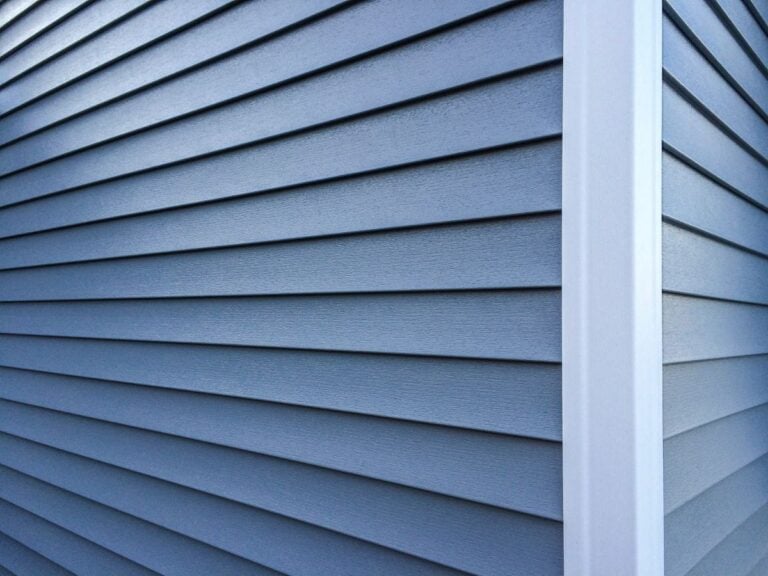
Modern insulated vinyl siding is available in an extensive range of profiles, textures, and colors. Whether you prefer the look of traditional clapboard, wide Dutch lap, cedar shake, or board-and-batten, there is a product designed to match. Fade-resistant finishes mean the color you choose on installation day will still look accurate years later, even through direct sun exposure. Homeowners across Waterloo and surrounding areas have transformed dated exteriors into updated, polished facades without the cost of materials like fiber cement or wood.
5. Increased Home Value
Siding replacement consistently ranks among the top exterior remodeling projects for return on investment. Adding insulated vinyl specifically signals to buyers that the home is energy-efficient, well-maintained, and finished with a quality product. For homeowners planning to sell within the next several years, the upgrade often recoups a strong percentage of its cost while making the home more competitive in the market.
- Strong resale ROI compared to other exterior projects
- Signals energy efficiency and quality to prospective buyers
- Updated appearance broadens buyer appeal and reduces time on market
Each of these five benefits works together to create a product that outperforms traditional vinyl in nearly every meaningful category. When you add them up, the case for insulated vinyl becomes difficult to ignore.
What the Installation Process Looks Like
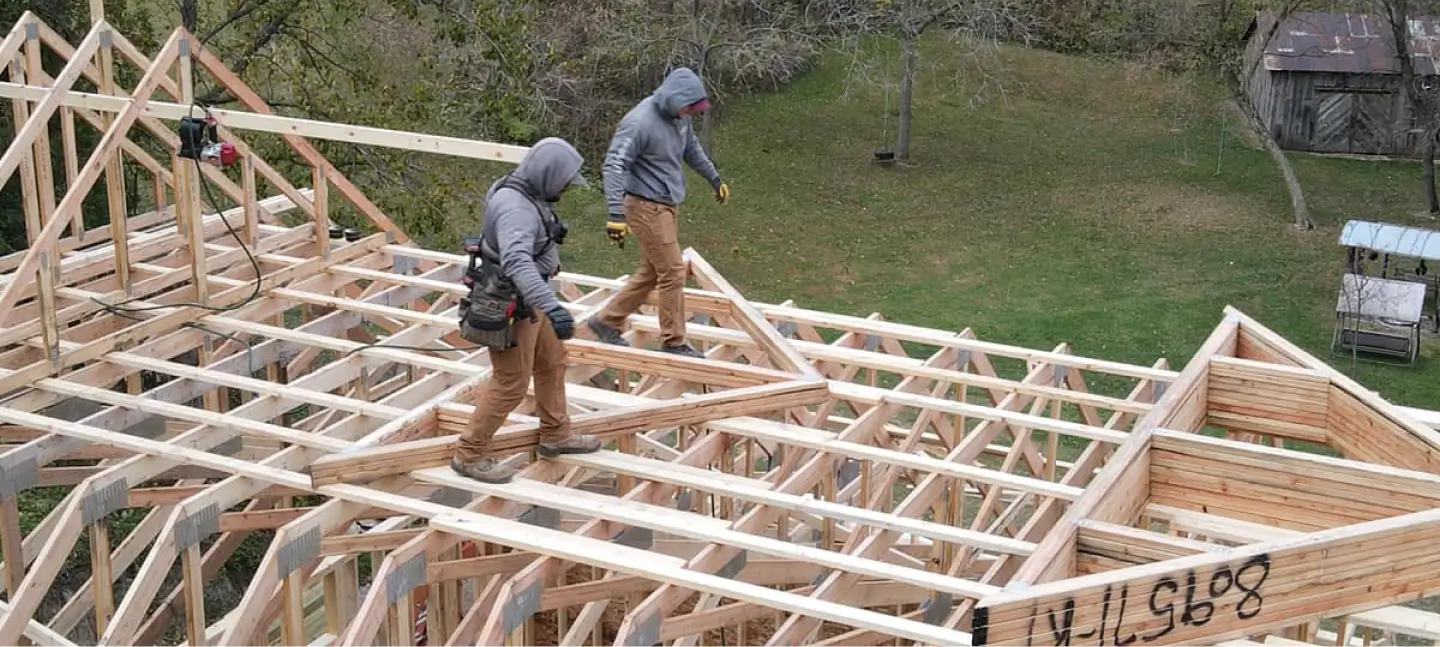
Understanding how installation works helps homeowners set realistic expectations and ask the right questions before work begins. A properly installed insulated vinyl system requires careful preparation and attention to detail that goes far beyond simply nailing panels to the wall.
Preparation and Inspection
Before any new siding goes up, the existing exterior needs a thorough inspection. Any damaged sheathing, rotted wood, or moisture infiltration points must be addressed before installation begins. Skipping this step traps existing problems behind new material, where they continue to cause damage out of sight.
Weather Barrier Installation
A continuous weather-resistant barrier, such as housewrap, is applied over the sheathing to prevent moisture and air infiltration. This layer works alongside the insulated panels to create a complete building envelope system. Proper lapping, taping at seams, and careful flashing around windows and doors are all critical to long-term performance.
Panel Installation and Sequencing
Insulated vinyl panels are installed from the bottom of the wall upward. Each row locks into the one below it, creating a continuous surface with no exposed fastener heads. Proper nailing technique is essential since panels need to hang freely to accommodate thermal expansion and contraction without buckling. Trim pieces at corners, windows, and doors complete the system and provide a finished appearance.
Final Inspection and Cleanup
Once installation is complete, a thorough walkthrough confirms that all panels are properly seated, trim is secure, and no gaps exist around penetrations. In climates where freeze-thaw cycles put consistent stress on exterior materials, getting the details right during installation makes a significant difference in how the product performs over time.
Getting the installation right the first time protects the entire investment. Cutting corners on preparation or sequencing can compromise even the highest-quality product, which is why working with an experienced contractor matters as much as the material itself.
Choosing the Right Product for Your Home
Not all insulated vinyl siding products perform equally, and the differences matter. Comparing options carefully before committing saves disappointment down the road.
Panel Thickness and Foam Density
Heavier panels with denser foam backing offer greater rigidity, better insulation values, and improved sound dampening. Lighter panels cost less but may not deliver the same performance over time. Reviewing the specifications for panel thickness and foam type before selecting a product is time well spent.
Warranty Coverage
Reputable manufacturers back their insulated vinyl siding with lifetime limited warranties that cover fading, impact damage, and manufacturing defects. Reading the warranty terms carefully reveals what is and is not covered, including whether the warranty transfers to a new owner if the home is sold. A strong warranty signals that the manufacturer stands behind the product.
Color and Style Selection
| Profile Style | Best For | Visual Effect |
| Traditional Clapboard | Classic homes | Clean, horizontal lines |
| Dutch Lap | Craftsman and colonial | Shadow line detail |
| Board and Batten | Farmhouse and modern | Vertical, contemporary |
| Cedar Shake | Cottage and cabin | Natural, textured look |
Bringing home physical samples and viewing them in natural light at different times of day helps confirm a color before committing. Digital renderings are useful, but physical samples tell the complete story.
Selecting the right product requires balancing aesthetics, budget, and performance. Working with an experienced contractor who knows which products hold up in your specific climate gives you a significant advantage in making that decision.
The Upgrade Your Exterior Has Been Waiting For
Insulated vinyl siding represents one of the most practical exterior upgrades available to homeowners today. It addresses energy efficiency, durability, maintenance, and appearance all at once, making it a genuinely well-rounded investment. Whether your current siding is aging, damaged, or simply outdated, replacing it with an insulated system delivers immediate and lasting improvements.
At Puetz Construction, we bring years of hands-on experience to every project, helping homeowners in Waterloo and surrounding areas choose the right materials and execute installations that hold up for decades. Our team takes the time to assess your home’s specific needs, walk you through product options, and complete the work with the craftsmanship it deserves. If you’re ready to take the next step, contact us today to get started with a consultation.
Fresh From our Blog