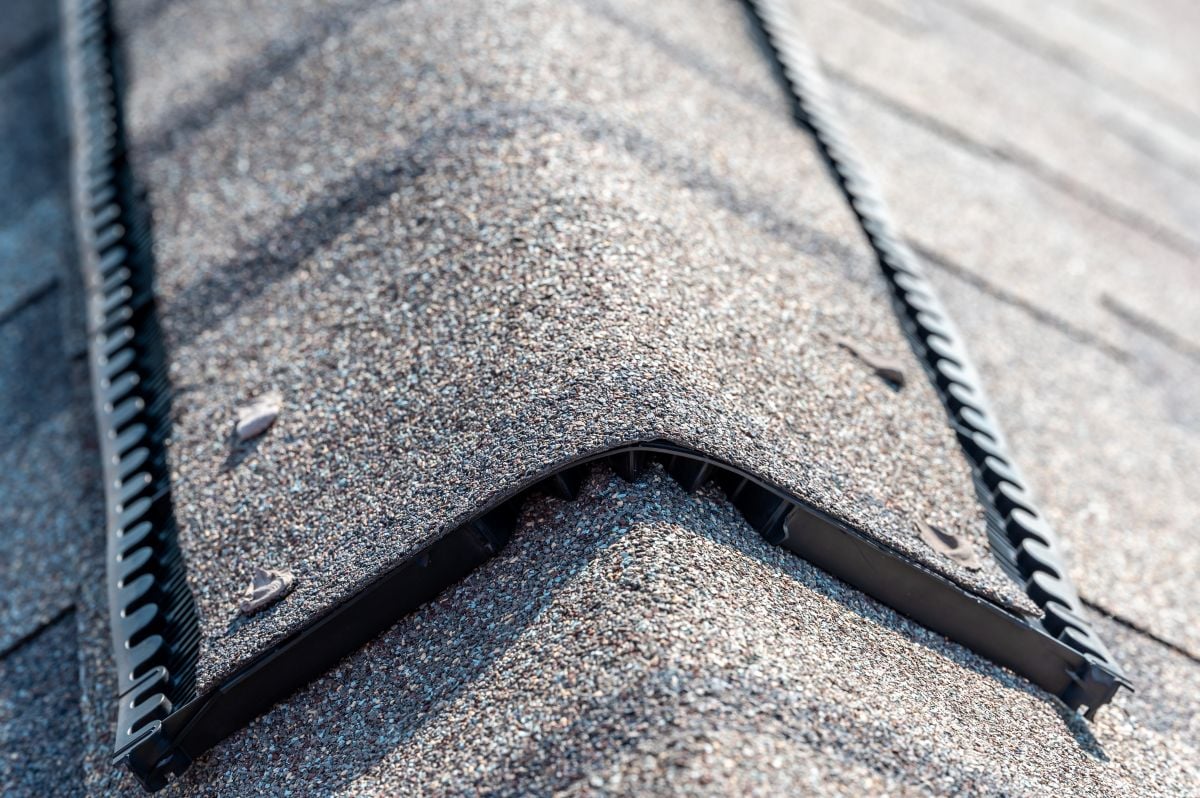
Ridge Vent Guide: How It Works and Why It Matters
Written By: Justin Puetz | July 15, 2026 | 7 Minute Read

Attic ventilation rarely gets much thought until a roof starts showing signs of trouble, and one of the most important pieces of that system sits right along the peak. A ridge vent allows hot, moist air to escape from the attic continuously along the roofline, keeping the space above your ceiling from turning into a trap for heat and humidity. Homeowners who understand how this piece fits into their overall roofing system tend to make smarter decisions about maintenance and upgrades down the road.
What You’ll Learn
- How a ridge vent works within your roof’s ventilation system
- The five steps involved in how air actually moves through it
- Ways to enhance attic airflow beyond the ridge vent alone
- How ridge vents compare to other ventilation options
- Signs your ventilation system may need attention
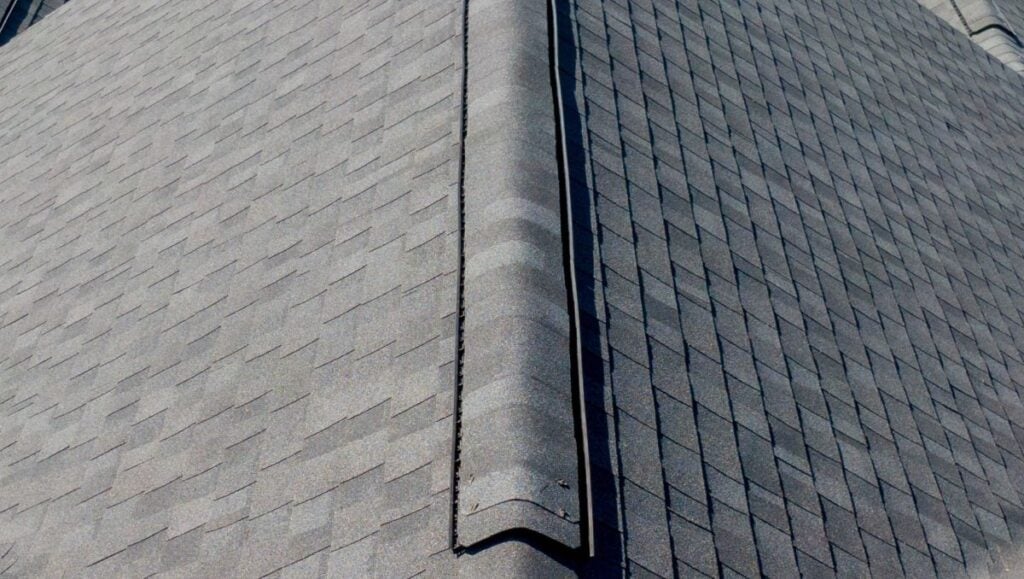
Why Ridge Vents Matter
A roof does more than shed rain and snow. It also has to manage the constant exchange of air moving through the attic space, and that exchange has a direct impact on the health of the entire structure. Without proper airflow, heat and moisture build up in ways that can shorten the lifespan of shingles, insulation, and even the framing underneath.
- Moisture control: Continuous airflow along the ridge helps push out humid air before it condenses on the underside of the roof deck.
- Energy efficiency: A well-ventilated attic reduces heat buildup in summer, easing the load on air conditioning systems.
- Shingle longevity: Excess attic heat can prematurely age shingles from underneath, so consistent ventilation helps protect your investment.
- Ice dam prevention: In colder months, balanced ventilation keeps roof temperatures more even, reducing the freeze-thaw cycles that create ice dams.
Homeowners in Faribault and surrounding areas often deal with both hot summers and cold winters, which makes reliable attic ventilation especially valuable.A ridge vent that’s functioning properly works quietly in the background all year, doing a job most people never think about until something goes wrong.
5 Steps in How a Ridge Vent Works
Ridge vents rely on a simple principle of physics, but understanding the sequence of how air actually moves helps explain why proper installation matters so much. Below is a breakdown of the process from start to finish.
1. Hot Air Rises Naturally Inside the Attic
Warm air is less dense than cool air, so it naturally rises toward the highest point of any enclosed space. In a home’s attic, that means heat generated by sunlight on the roof, as well as heat rising from living spaces below, collects near the peak over time.
- Attic temperatures can climb significantly higher than outdoor air temperature on sunny days
- Without an escape route, this heat has nowhere to go but back down into living spaces
- The peak of the roof becomes the natural pressure point for ventilation to work with
2. Air Exits Through the Ridge Vent Opening
Once hot air reaches the peak, it needs a path out, and that’s exactly what a ridge vent provides. A continuous opening is cut along the roof’s peak, covered by a specially designed vent that allows air out while keeping rain, snow, and pests from getting in.
- The vent typically spans the full length of the roof ridge for even airflow
- Baffles inside the vent block wind-driven rain from entering
- The opening is sized to move air efficiently without compromising the roof’s structure
3. Soffit Vents Pull in Replacement Air
A ridge vent can’t function well on its own. It depends on soffit vents at the lower edge of the roof to draw in fresh, cooler air from outside, creating a continuous current that flows from the eaves up to the peak.
- Soffit vents should remain unblocked by insulation for the system to work correctly
- This intake and exhaust pairing is what creates real airflow, rather than just a static opening
- Balanced intake and exhaust ventilation is generally recommended by roofing manufacturers
4. Wind Enhances the Airflow Through the Vent
Beyond the natural rise of warm air, wind passing over the roof’s peak creates a pressure difference that actively pulls air out of the vent opening. This effect, often called the venturi effect, boosts the amount of air moving through the system beyond what temperature alone would achieve.
- Even light wind can measurably increase airflow through a ridge vent
- The external baffle design is engineered to take advantage of this effect
- This makes ridge vents effective across a wide range of weather conditions
5. Moisture and Heat Are Continuously Removed
The end result of this entire process is a steady, low-maintenance exchange of air that keeps the attic drier and cooler than it would otherwise be. Rather than relying on a single point of ventilation, the continuous design spreads this benefit evenly across the entire roofline.
- Moisture from daily household activities, like showers and cooking, is carried out through the attic rather than lingering
- Even temperature distribution reduces stress on roofing materials
- The system requires no electricity or moving parts to function
Each of these five steps depends on the others working correctly, which is why proper installation and unobstructed soffit vents matter just as much as the ridge vent itself. When the whole system works together, the attic stays measurably healthier throughout the year.
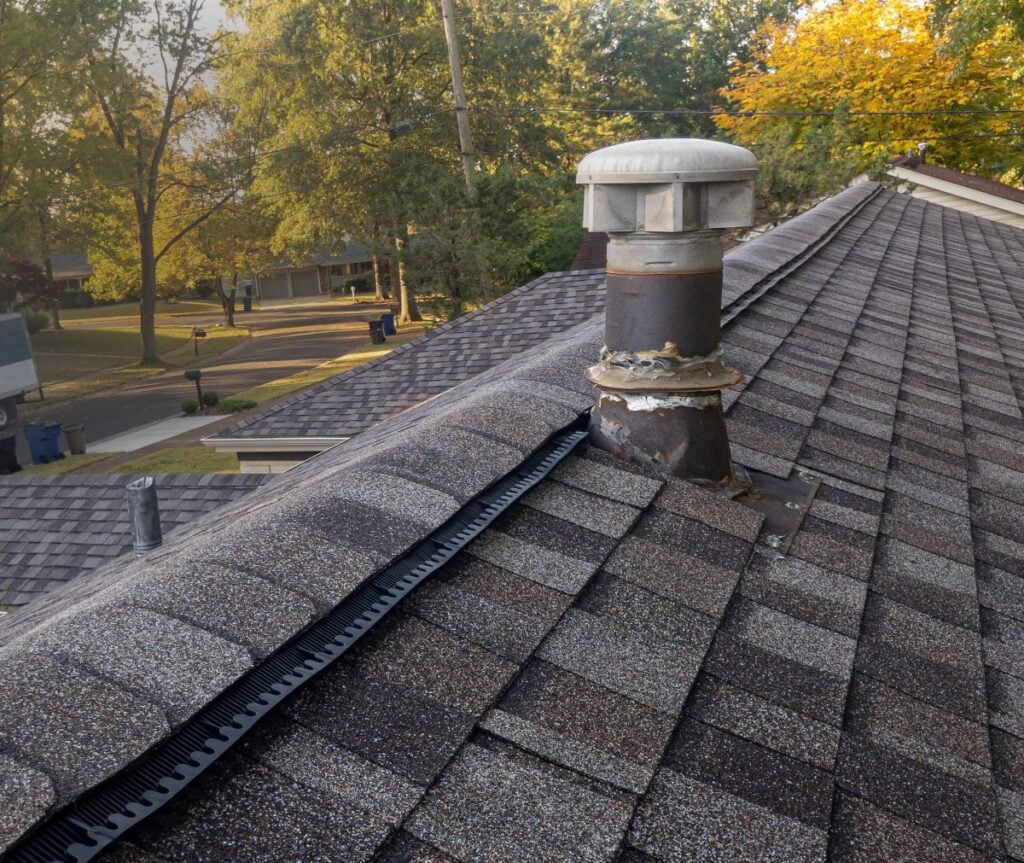
Enhancing Attic Airflow Beyond the Ridge Vent
A ridge vent forms the backbone of many ventilation systems, but a few additional considerations can make the difference between adequate airflow and truly optimal performance. Homeowners looking to get the most out of their attic ventilation often benefit from looking at the bigger picture.
Insulation and Airflow Balance
Insulation plays a bigger role in ventilation performance than most homeowners realize. If insulation is packed too tightly against the soffit vents, it blocks the intake air the ridge vent depends on, undermining the entire system regardless of how well the ridge vent itself is installed.
Attic Baffles and Channels
Installing rafter baffles near the eaves helps maintain a clear channel for air to travel from the soffit vents to the ridge, even when insulation is added or upgraded later. This small addition helps preserve airflow for years after the initial installation.
- Baffles are inexpensive relative to the protection they provide
- They’re especially useful in homes with deep or blown-in insulation
- Proper spacing keeps airflow consistent across the entire attic
Getting these supporting details right ensures that the ridge vent can perform as designed rather than fighting against a system that’s working against it elsewhere.
Ridge Vents Compared to Other Ventilation Options
Ridge vents aren’t the only ventilation method available, and homeowners sometimes have older systems already in place or are weighing options during a roof replacement. Comparing the common types side by side helps clarify which approach fits a given home best.
| Ventilation Type | Coverage | Maintenance | Best Fit |
| Ridge Vent | Continuous along peak | Low | Most modern roof designs |
| Box Vents | Spot coverage only | Low | Roofs with limited ridge length |
| Powered Attic Fans | Localized, motor-driven | Moderate | Attics needing extra boost |
| Gable Vents | End walls only | Low | Older or simpler roof designs |
Ridge vents tend to offer the most even coverage because they run the full length of the roofline rather than pulling air from a single point. That said, some homes with unusual rooflines or limited ridge length may benefit from combining a ridge vent with supplemental options like gable vents for more complete coverage.
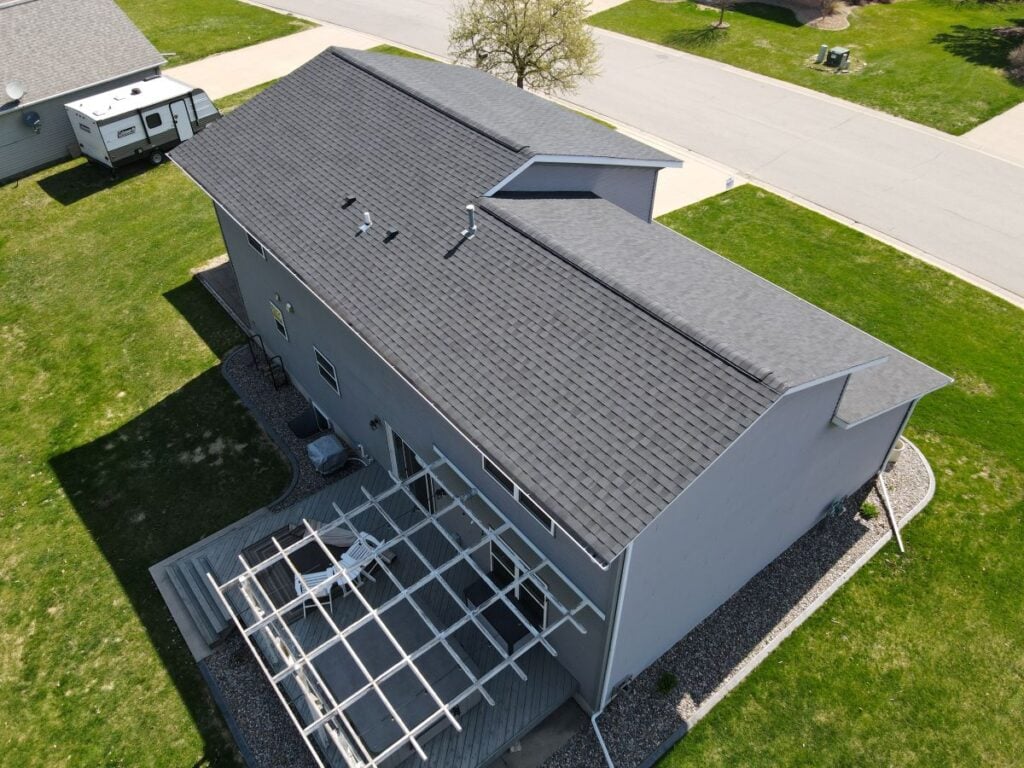
Reach Out for Expert Ridge Vent Installation
Proper attic ventilation is one of those details that quietly protects your entire roofing investment, and a ridge vent is often the most efficient way to achieve it. From reducing energy costs to protecting shingles and preventing ice dams, the benefits compound over the years when the system is installed and maintained correctly. Puetz Construction has helped homeowners across Faribault and surrounding areas evaluate their attic ventilation and install ridge vent systems built to last. If you’ve noticed uneven attic temperatures, higher energy bills, or signs of moisture buildup, it may be time to have your ventilation checked. Our team can assess your current setup and recommend the right combination of intake and exhaust ventilation for your home. Contact us today to schedule an inspection and make sure your roof is breathing the way it should throughout every season in Faribault and surrounding areas.
Fresh From our Blog