
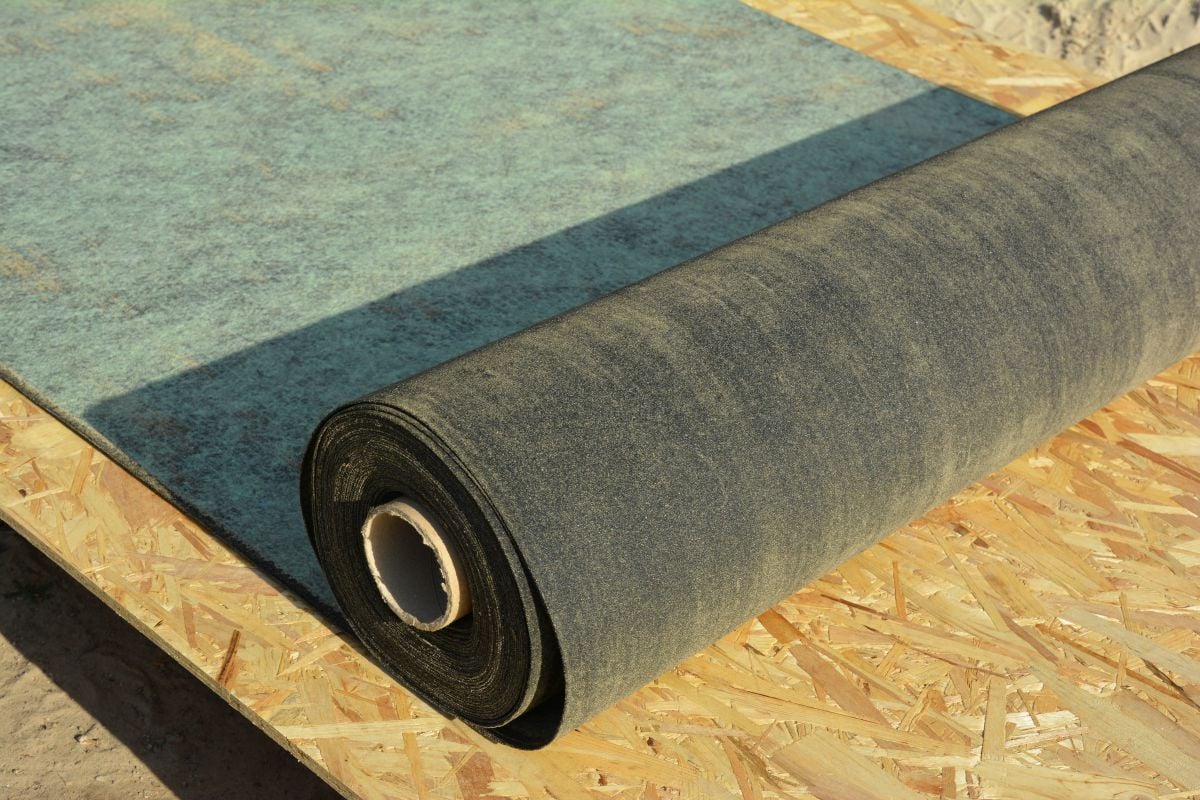
Roof Underlayment Guide: 4 Types and Why It Matters
Written By: Justin Puetz | July 20, 2026 | 6 Minute Read

Shingles get most of the attention when homeowners think about their roof, but the layer working underneath them plays just as big a role in keeping a home protected. Roof underlayment acts as a secondary barrier against UV rays, rain, and snow, catching moisture that manages to work its way past the shingles above. Homeowners who understand the options available for their roofing system are better prepared to make informed decisions during a repair or replacement.
What You’ll Learn:
- Why roof underlayment is essential to your roof’s overall performance
- The four main types of underlayment and how they differ
- How underlayment choice affects long-term roof durability
- How underlayment compares across cost, protection, and lifespan
- When it’s time to consider replacing your underlayment
Why Roof Underlayment Matters
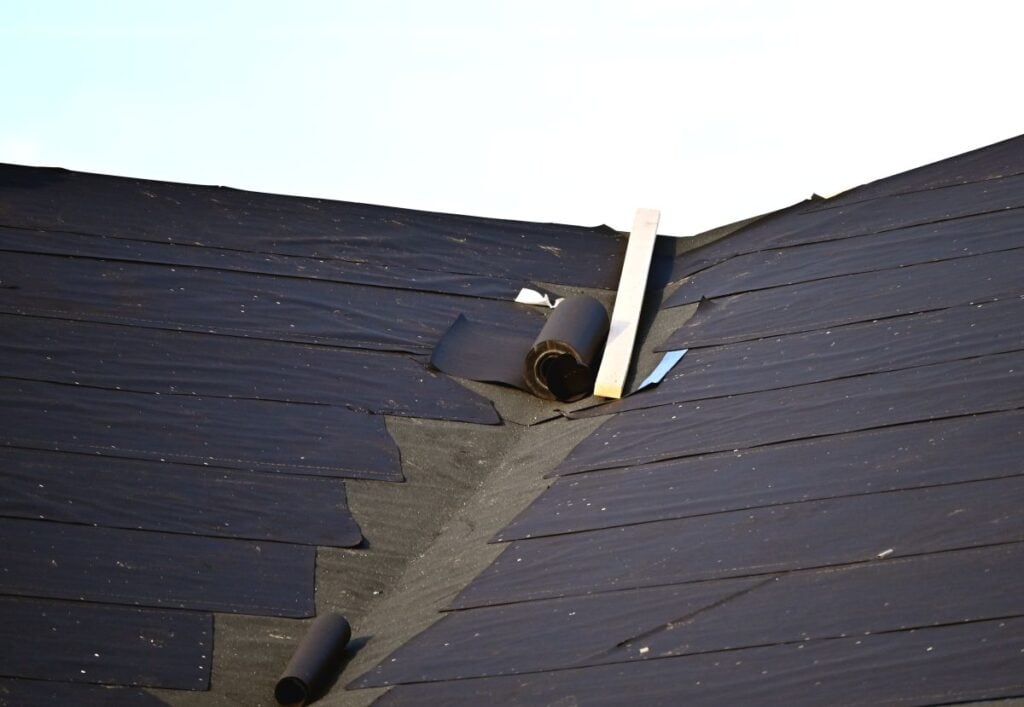
Underlayment might be hidden beneath the shingles, but it serves as one of the most important layers of protection a roof has. It creates a continuous barrier across the entire roof deck, guarding against the moisture that inevitably finds its way past the visible roofing material over time.
- Moisture protection: Underlayment catches water from wind-driven rain, ice dams, and minor shingle damage before it reaches the deck.
- Extended roof life: A quality underlayment layer helps protect the wood decking from warping, rotting, or weakening over time.
- Code compliance: Many local building codes require rubberized asphalt underlayment in cold climates specifically for ice dam protection.
- Added durability: Certain underlayments offer extra resistance to tears and punctures during installation, reducing the risk of gaps.
Homeowners in Winona and surrounding areas experience the full range of Minnesota weather, from heavy snow loads to summer storms, which makes a dependable underlayment layer especially important. A roof that looks fine on the surface can still be vulnerable underneath if this layer wasn’t installed correctly or has started to break down.
4 Types of Roof Underlayment and How They Work
Not all underlayment materials offer the same level of protection, and the right choice often depends on the home’s roof pitch, climate exposure, and budget. The following four types represent the most common options homeowners encounter today.
1. Asphalt-Saturated Felt
Felt underlayment has been used for decades and remains a reliable, budget-friendly option for many roofing projects. It’s made by saturating a paper or fiberglass base with asphalt, and it’s available in 15-pound and 30-pound weights depending on the level of protection needed.
- Heavier 30-pound felt offers more durability than the lighter option
- More prone to tearing during installation compared to newer alternatives
- Typically lasts 15 to 20 years, the shortest lifespan among common underlayment types
2. Synthetic Underlayment
Synthetic underlayment has become increasingly popular as a modern alternative to traditional felt. Made from woven polypropylene or polyethylene, it’s lighter and stronger than felt paper, making it easier to handle during installation while offering better tear resistance.
- Resists water absorption better than felt, reducing the risk of wrinkling
- Rated for up to six months of UV exposure, giving installers more flexibility on timing
- Can last 25 to 40 years, though it typically costs two to three times more than felt
3. Rubberized Asphalt (Ice and Water Shield)
This type of underlayment is a self-adhered membrane designed specifically for leak-prone areas of a roof, such as valleys, eaves, and around penetrations. It’s fully waterproof and self-adhering, allowing it to close small gaps left by nail penetrations and offer superior protection against ice dams and wind-driven rain.
- Required in cold climates by building codes, particularly along eaves
- Offers the highest level of moisture protection among common underlayment types
- Typically used in combination with felt or synthetic underlayment across the rest of the roof
4. Peel-and-Stick Self-Adhering Underlayment
Peel-and-stick underlayment combines convenience with strong performance, adhering directly to the roof deck without the need for extensive fastening. This creates a highly consistent, watertight layer that’s especially useful on complex rooflines with multiple valleys or dormers, and low slope roofs may require this type of additional waterproofing.
- Reduces the number of fastener penetrations compared to traditional underlayment
- Performs well in a wide range of temperatures during installation
- Often used on higher-end roofing projects for its superior sealing capability
Choosing the right underlayment, or combination of underlayment types, depends heavily on the specific demands of a given roof. A knowledgeable contractor can help match the right materials to your home’s pitch, climate exposure, and budget.
How Underlayment Choice Affects Long-Term Roof Durability
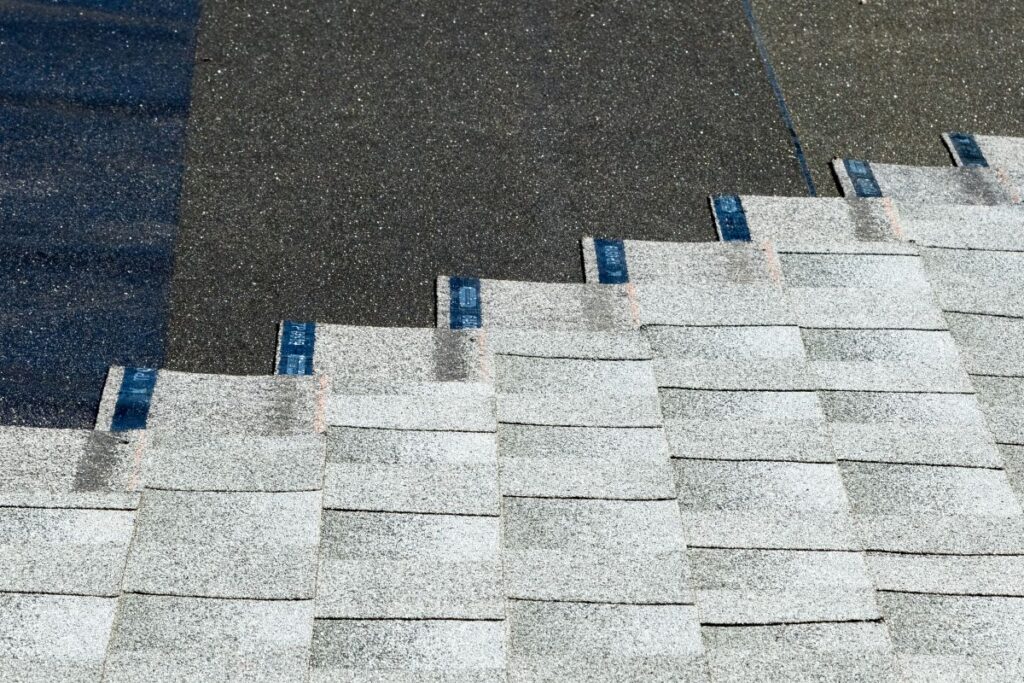
The underlayment selected during installation has effects that reach far beyond the day the roof is completed. Because this layer is essentially invisible once shingles are installed, its long-term performance often goes unnoticed until a problem arises years down the road.
- Deck protection: A high-quality underlayment prevents moisture from reaching and slowly damaging the wood decking underneath.
- Shingle performance: Some underlayments provide a smoother, more even surface, helping shingles lay flatter and perform better.
- Warranty implications: Certain shingle manufacturers require specific underlayment types to keep product warranties valid.
- Resale considerations: A roof installed with premium underlayment can be a meaningful selling point for future buyers concerned about long-term maintenance.
Proper installation matters just as much as material choice, which is why ensuring the roof deck is clean and dry before installation and following the sequence and standards outlined in the NRCA Roofing Manual helps this layer perform as intended for its full expected lifespan.
Comparing Underlayment Types by Cost and Protection
Each underlayment type comes with its own balance of cost, protection level, and expected lifespan, and comparing them side by side can help homeowners make a more informed decision during a roofing project.
| Underlayment Type | Cost | Protection Level | Typical Lifespan |
| Asphalt-Saturated Felt | Lowest | Moderate | 15 to 20 years |
| Synthetic Underlayment | Moderate | High | 25 to 40 years |
| Rubberized Asphalt | Higher | Very High | 20 to 30 years |
| Peel-and-Stick | Highest | Very High | 25 to 30 plus years |
While felt remains a common choice for its affordability, many homeowners find that the added durability of synthetic or rubberized options justifies the higher upfront cost, particularly in regions with harsh winters. In snow-prone areas, contractors will often recommend a waterproof ice and water membrane installed in a bottom-up sequence along the eaves and valleys, regardless of which underlayment covers the rest of the roof. The right balance ultimately depends on how long you plan to stay in the home and how much long-term protection you’re looking to build in from the start.
Reach Out for Expert Roof Underlayment Installation
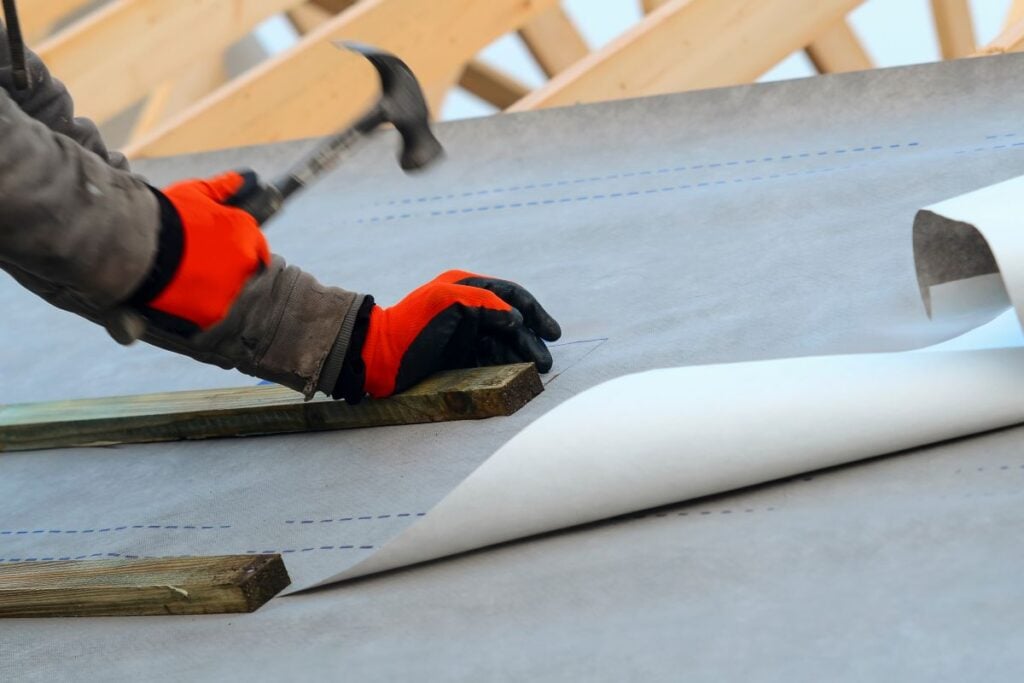
Roof underlayment might not be visible once a project is finished, but its role in protecting your home from moisture damage is just as important as the shingles on top. From traditional felt to advanced peel-and-stick options, choosing the right underlayment can make a meaningful difference in how long your roof lasts and how well it performs. Puetz Construction has helped homeowners across Winona and surrounding areas select and install the right underlayment for their specific roofing needs. If you’re planning a roof replacement or want to understand what’s currently protecting your home, our team is ready to help. Contact us today to schedule an inspection and make sure your roof has the protection it needs in Winona and surrounding areas for years to come.
Fresh From our Blog