
Roof Fascia Damage: 5 Warning Signs and Repair Tips
Written By: Justin Puetz | July 22, 2026 | 7 Minute Read

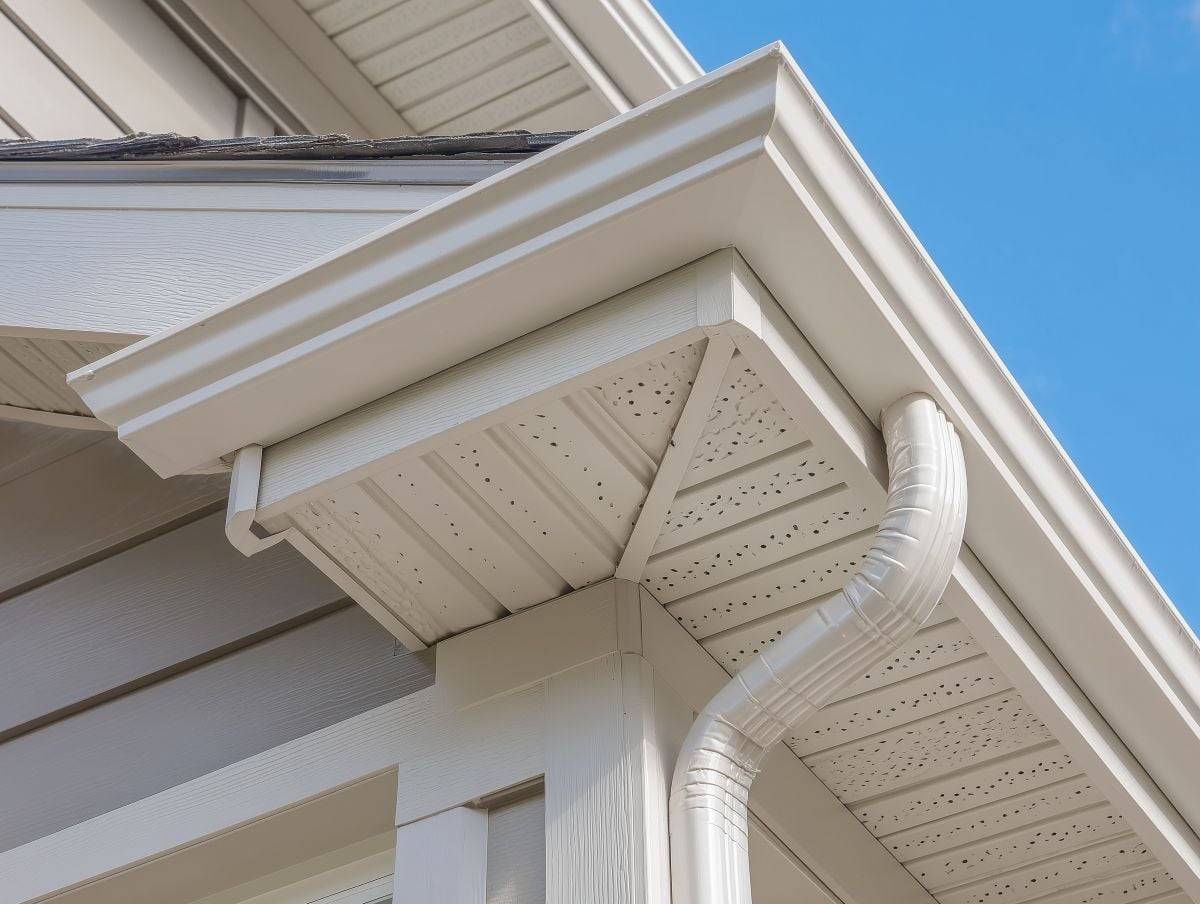
The fascia board might sit out of sight for most homeowners, but it plays a critical role in protecting your roofline from moisture and pests. Fascia roof refers to the vertical board installed along the edge of a roof, where fascia acts as a protective barrier between the elements and the rafters underneath. Homeowners who understand what to look for can catch problems early and protect the broader roofing structure before repairs become more extensive.
What You’ll Learn:
- Why fascia condition matters for your roof’s overall health
- Five warning signs that fascia boards need attention
- Materials and upgrades that improve fascia durability
- How fascia repair compares to full replacement
- When to bring in a professional for fascia damage
Why Fascia Condition Matters
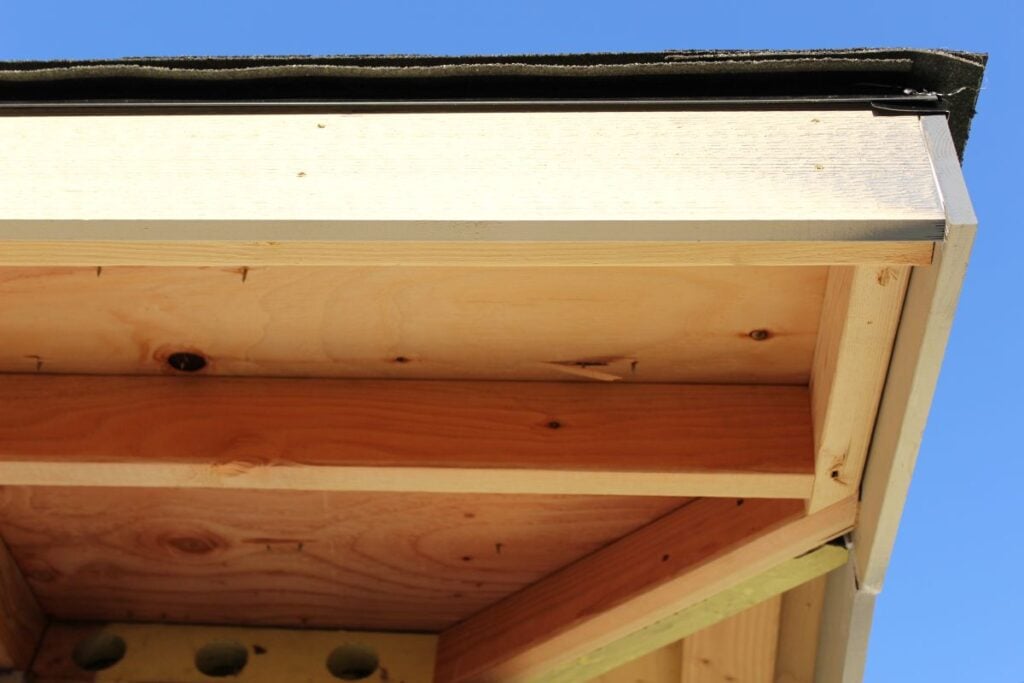
Fascia boards run along the edge of the roofline, providing structural support and a finished look while also serving several practical purposes most homeowners never think about. They anchor the gutter system in place, and fascia and soffit work together to prevent moisture entry, keeping pests and water from reaching the attic and roof deck.
- Gutter support: Fascia boards hold gutters securely in place, and damaged fascia can cause the gutter system to sag or pull away entirely.
- Pest prevention: Solid fascia keeps birds, squirrels, and insects from finding a pest entry point into the attic space.
- Moisture protection: Fascia boards prevent moisture from damaging roof rafters and the attic, reducing the risk of rot in the structure underneath.
- Curb appeal: Straight, well-maintained fascia contributes significantly to a home’s curb appeal and overall exterior.
Homeowners in Preston and surrounding areas often deal with heavy snow loads and seasonal ice buildup, both of which put extra strain on fascia boards throughout the year. Left unaddressed, fascia problems can quietly worsen behind the gutter line for years before becoming obvious from the ground.
5 Warning Signs of Fascia Damage and How to Address Them
Fascia damage tends to develop gradually, which makes it easy to overlook during a quick glance at the roofline. Inspecting fascia at least twice a year helps catch these five common signs before they turn into extensive damage.
1. Peeling or Cracking Paint
Paint failure on wooden fascia is often one of the earliest visible signs that moisture is reaching the wood underneath, since wood fascia boards require regular painting or staining to prevent decay. Once water penetrates behind the paint layer, it accelerates deterioration of the board itself.
- Inspect fascia paint each spring for bubbling, cracking, or peeling
- Repaint promptly once the protective layer starts to fail
- Check for soft spots underneath any peeling sections, since small cracks often mask deeper wood damage
2. Sagging or Pulling Gutters
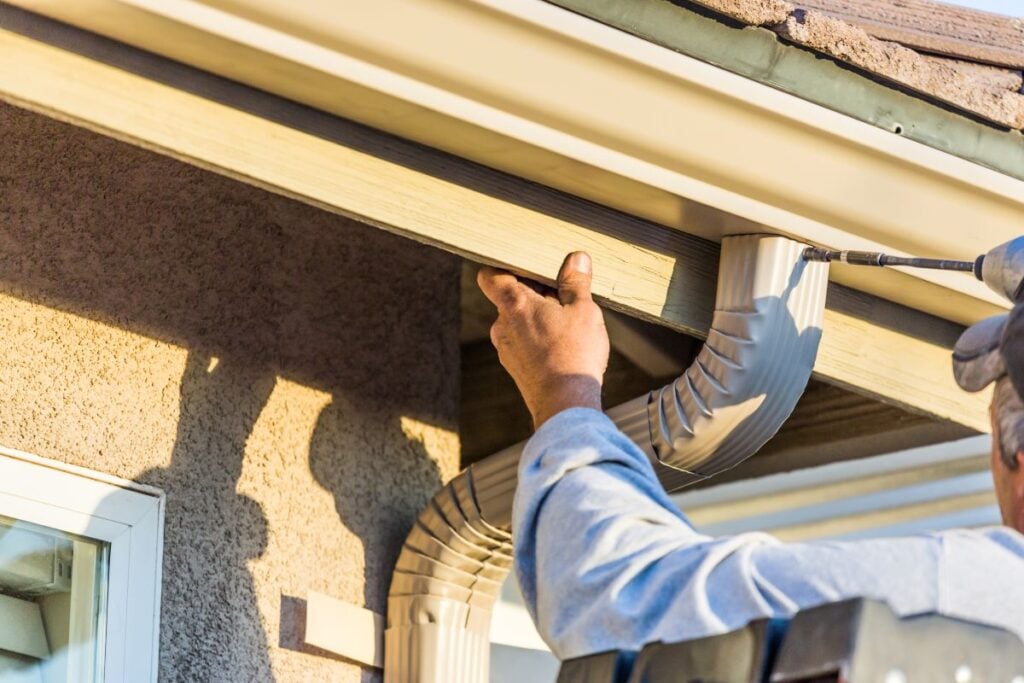
Since gutters mounted along the roofline attach directly to the fascia board, any weakening of the wood underneath tends to show up first as gutters that sag or separate. This is frequently one of the most noticeable signs that fascia repair is needed, and clearing gutters regularly helps prevent this kind of fascia damage in the first place.
- Watch for uneven gutter lines or visible gaps behind the gutter
- Reinforce or replace fascia sections before reattaching sagging gutters
- Check fastener points closely, since loose screws often point to compromised wood underneath
3. Visible Wood Rot or Soft Spots
Wood rot is one of the clearest signs that fascia boards have been absorbing moisture for an extended period. Once rot sets in, the affected sections lose structural support and can no longer properly hold gutters or roofing edges in place.
- Press gently on suspect areas to check for soft, spongy wood
- Replace rotted sections completely rather than patching over them
- Address the underlying moisture buildup to prevent rot from returning
4. Pest Activity Near the Roofline
Small holes or soft wood in fascia boards create easy access points for birds, squirrels, and insects looking to attract pests as shelter. Persistent pest activity near the roofline is often a sign that fascia has already been compromised in some way.
- Look for nesting material, droppings, or gnaw marks near the roof edge
- Seal small gaps promptly before they become larger points of entry
- Replace any fascia sections pests have already damaged
5. Visible Gaps Where Fascia Meets the Roofline
Over time, boards can warp, shrink, or pull away slightly from where the roof meets the wall, creating visible gaps along the edge. These gaps allow water infiltration and pests behind the fascia, accelerating further damage if left unaddressed.
- Check for daylight or visible separation along the fascia line
- Reseal or refasten boards showing minor gaps before they widen
- Replace warped sections that can no longer sit flush against the roofline
Recognizing these five warning signs early allows for simpler, less costly repairs before the damage spreads to the gutter system, vinyl soffit, or the roof deck itself. Regular inspection of the fascia line is one of the easiest ways to protect the rest of the roofing system.
Materials and Upgrades That Improve Fascia Durability
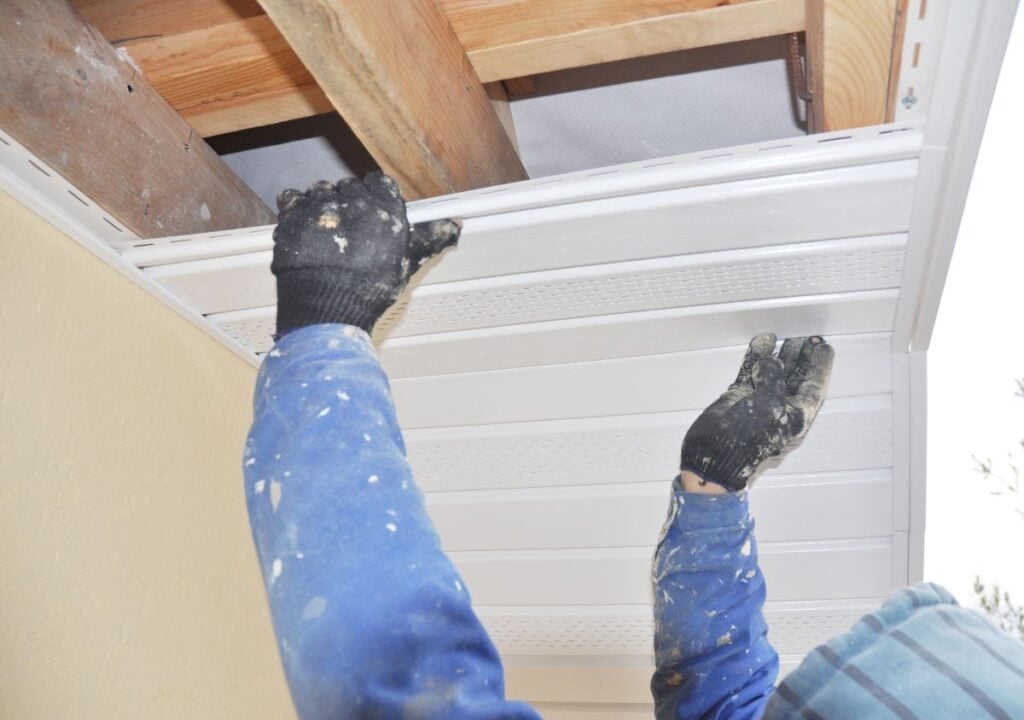
Common materials for fascia boards include wood, PVC, aluminum, composite, and fiber cement, and choosing the right one can make a significant difference in how well this component holds up against moisture, pests, and temperature swings over time. Homeowners replacing damaged fascia have several options worth considering.
Wood Fascia
Traditional wood fascia remains popular for its classic appearance and ease of painting to match trim colors, and it can last up to 15 years with proper maintenance. Pressure-treated wood costs more upfront but resists moisture better, though it still requires regular maintenance to prevent decay.
Vinyl and Aluminum Fascia
Vinyl fascia offers a low-maintenance alternative that can last up to 20 years with proper care, while aluminum fascia is rust-proof, durable, and requires low maintenance, often lasting more than 20 years. Both options are commonly installed as a wrap over existing wood boards along exterior walls.
- Resistant to warping and moisture absorption
- Available in a range of colors to match existing siding and trim
- Typically installed by wrapping over the original wood fascia board
Composite and Fiber Cement Fascia
Composite fascia materials resist warping and insects, offering durability without the maintenance demands of traditional wood, while fiber cement fascia resists rot, moisture, and fire for added long-term protection. PVC fascia is resistant to rot and requires very low maintenance, making it another strong option for homeowners prioritizing energy efficiency and low upkeep.
Selecting the right material often comes down to balancing upfront cost against long-term maintenance needs, and professional installation helps ensure the chosen material performs as expected for years to come.
Fascia Repair vs Full Replacement
Homeowners facing fascia damage often need to decide between targeted repairs and replacing the fascia along the entire roofline. The right choice depends on how widespread the damage has become and the condition of the surrounding structure.
| Factor | Repair | Replacement |
| Best for | Isolated sections of damage | Widespread rot or aging fascia |
| Typical cost | Wood repairs run $1 to $3 per linear foot | Full replacement runs $7 to $40 per linear foot depending on material |
| Timeline | Typically completed in a day or two | Takes longer to plan and execute |
| Long term outlook | Addresses immediate problem areas | Resets fascia condition across the roofline |
Repair tends to make sense when damage is limited to a few isolated boards, especially if the rest of the fascia remains in good condition. Most homeowners typically pay between $1,300 and $6,000 for full fascia replacement, with vinyl fascia running $5 to $8 per linear foot and aluminum fascia running $8 to $20 per linear foot, so the material chosen has a real impact on cost in the long run.
Trust Puetz Construction With Your Fascia Repair
Fascia boards may sit quietly along the edge of your roofline, but their condition has a real impact on your gutters, roof deck, and home’s exterior appearance. From peeling paint to visible wood rot, the five warning signs covered in this guide can help you catch problems before they spread further into your home’s structure. Puetz Construction has helped homeowners across Preston and surrounding areas identify and repair fascia damage before it leads to bigger issues. If you’ve noticed sagging gutters, pest activity, or visible gaps along your roofline, don’t wait to have it looked at. Our team can inspect your fascia and recommend the right repair or replacement approach for your home. Contact us today to schedule an inspection and keep your roofline protected in Preston and surrounding areas for years to come.
Fresh From our Blog