
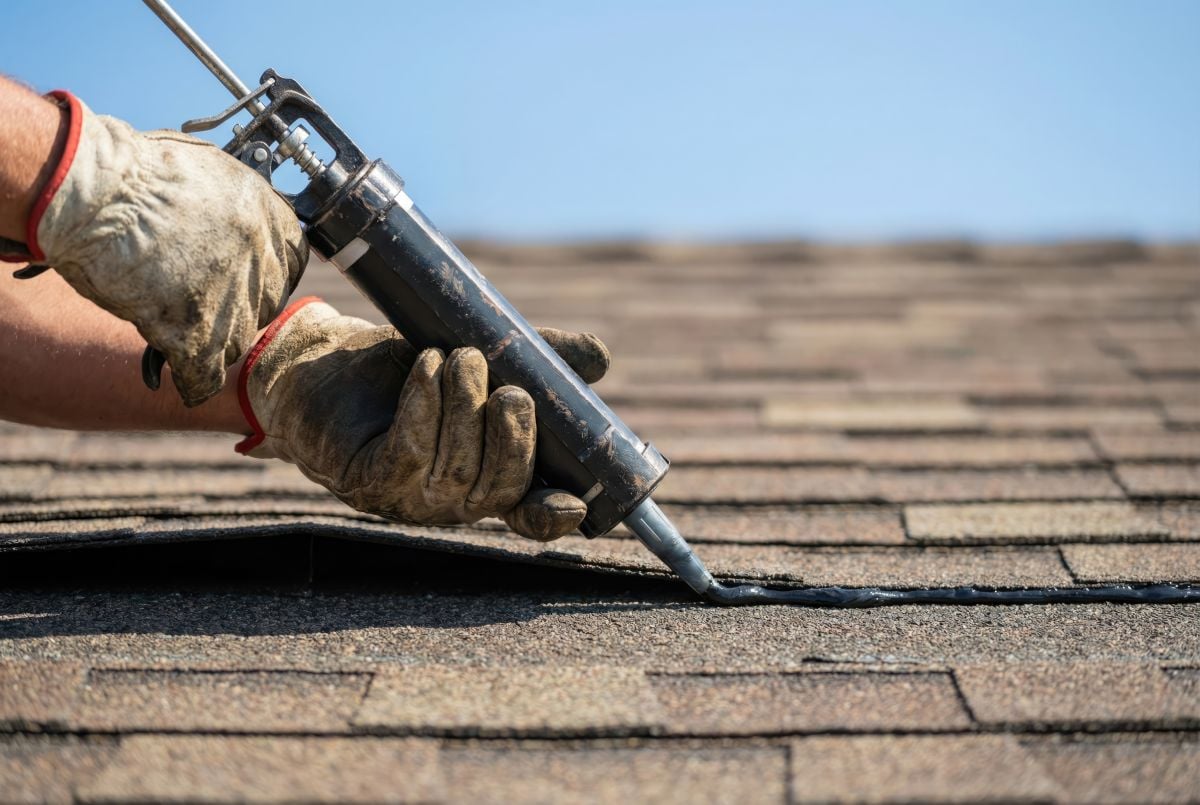
Roof Sealant Guide: 5 Types, Uses and When to Apply It
Written By: Justin Puetz | July 24, 2026 | 7 Minute Read

Small gaps and cracks on a roof might seem minor, but they’re often the starting point for much bigger problems if left unaddressed. Roof sealant creates a continuous, watertight membrane that closes off these vulnerable spots before water has a chance to work its way in. For homeowners weighing sealant against other fixes, it often helps to first understand the broader roofing system it’s protecting, since sealant works best as one piece of a larger maintenance routine rather than a standalone solution.
What You’ll Learn:
- Why roof sealant plays such an important role in preventive maintenance
- The five main types of roof sealant and where each works best
- How to know when it’s time to apply or reapply sealant
- How sealant compares to other roofing repair methods
- Tips for getting the most out of a sealant application
Why Roof Sealant Matters
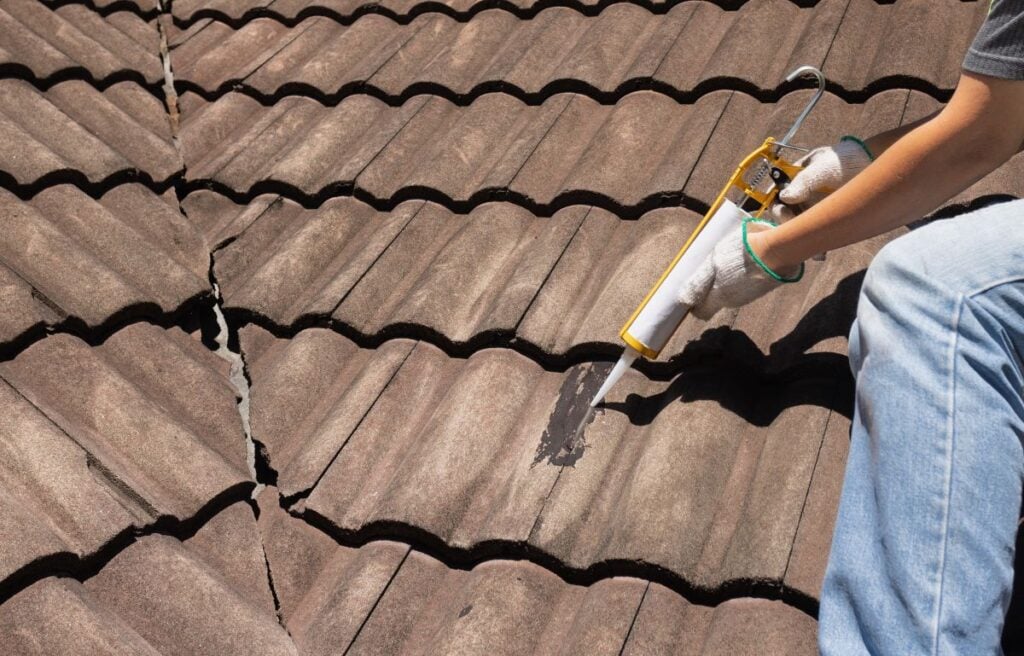
Roof sealant might seem like a minor maintenance item compared to full repairs or replacement, but it plays an outsized role in preventing small issues from becoming major ones. Applied correctly, it blocks water intrusion by filling small cracks, gaps, and seams around flashing, vents, skylights, and chimneys before they turn into active leaks.
- Leak prevention: Sealant closes small gaps around flashing, vents, and seams before they develop into active leaks.
- Cost savings: A timely sealant application is far less expensive than repairing water damage after a leak has already started.
- Extended roof life: Roof sealants can extend the lifespan of roofing materials by protecting vulnerable areas from rot, mold, mildew, and ice damage.
- Flexibility: Quality sealants remain elastic and do not crack with expansion and contraction, maintaining a tight seal through seasonal changes.
Homeowners in Owatonna and surrounding areas experience significant temperature swings between summer and winter, which puts extra stress on any exposed sealant over time, especially with high levels of UV exposure and heavy rain. Staying on top of sealant maintenance is one of the simplest ways to extend the life of a roof without a major repair project.
5 Types of Roof Sealant and Where They Work Best
Not every sealant is designed for the same job, and choosing the right one for a specific area of the roof depends on roofing material and climate. Five types of roof sealants, including acrylic, polyurethane, and silicone, cover the most common options homeowners and contractors rely on, and each is available as either solvent-based or water-based formulas.
1. Silicone Sealant
Silicone sealant offers superior, long-lasting durability and is known for its excellent flexibility and resistance to UV exposure, making it a strong choice for areas that see heavy rain or sun exposure. Silicone sealants can reflect up to 90 percent of UV rays and remain pliable even in extreme temperatures, which helps them maintain a tight seal over time.
- Works well around skylights, vents, and other roof penetrations
- Resists cracking and shrinking better than many other sealant types
- Not always paintable, so it’s best suited for areas where color match isn’t a priority
2. Polyurethane Sealant
Polyurethane sealant has excellent adhesive properties and offers strong water resistance, making it ideal for high-movement areas and a popular choice for sealing seams and joints across a variety of roofing materials. It holds up well under foot traffic, which makes it useful in areas that see occasional maintenance access.
- Bonds well to metal, wood, and most common roofing materials
- Can be painted over once fully cured, unlike many silicone products
- Excels in water resistance across both hot and cold climates
3. Acrylic Sealant
Acrylic sealant is water-based and user-friendly, making it a familiar option for many homeowners tackling small areas or DIY touch-ups on sloped roofs in sunny climates. Acrylic sealants are especially good at reflecting UV rays, though they deteriorate quickly under prolonged standing water and are less water resistant than silicone.
- Works well for sealing nail heads and small gaps in shingle roofs
- Best applied in dry conditions away from heavy rain or snow
- Suited for budget-conscious repairs rather than long-term waterproofing
4. Bituminous Sealant
Bituminous sealant is tar-based and strong for flat roofs, offering a durable option where standing water and ponding are common concerns. This thick, messy material is typically applied with a brush, roller, or caulk gun rather than sprayed, and works well as a barrier against moisture on flat and low-slope surfaces.
- Ideal for sealing seams on flat and low-slope roofing systems
- Provides strong adhesion even in areas prone to heavy rain
- Best suited for professional application given its thickness and mess
5. Liquid Rubber Coating
Liquid Rubber creates a waterproof membrane on various roof types and is often applied in multiple coats for a completely watertight seal. Rubber, silicone, and polyurethane sealants provide the best waterproofing among common options, and Liquid Rubber RV coating in particular is popular for protecting against leaks and weather damage on RVs, trailers, and small roof sections alike.
- Commonly used on flat and low-slope roofing systems
- Available in peel and stick tape form for quick, easy application
- Requires proper surface preparation to ensure the coating adheres correctly
Choosing the right sealant type depends heavily on the specific area being treated and the roofing material involved. A professional can help determine which option offers the best balance of durability and performance for your particular situation.
Knowing When to Apply or Reapply Roof Sealant
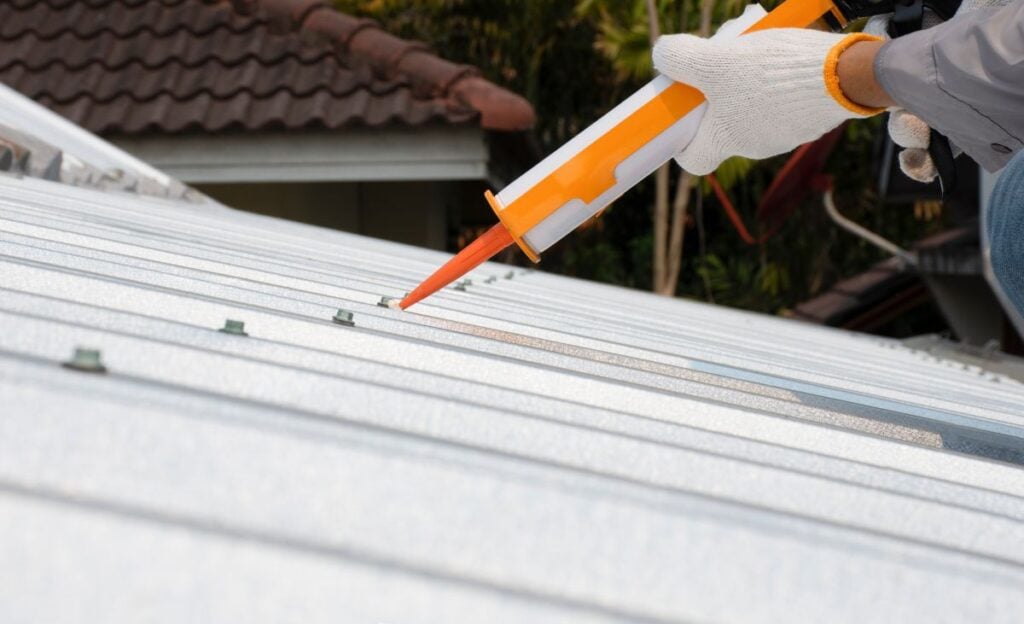
Timing matters just as much as material choice when it comes to getting the most out of a sealant application. Understanding the signs that indicate sealant is needed helps homeowners stay ahead of small issues before they become larger repairs, since sealants applied incorrectly may not last as long as expected.
- Cracking or shrinking sealant: Old sealant that has visibly cracked or pulled away no longer provides a reliable shield against moisture.
- New construction or repairs: Freshly installed flashing, vents, or seams often need sealant applied as part of the finishing process.
- Seasonal inspections: Checking sealant condition each spring and fall helps catch problems before extreme weather arrives.
- Scheduled resealing: Some manufacturers recommend resealing every 5 years, since sealant thickness affects longevity and a 30 mil application can last 10 years longer than a thinner one.
Staying proactive about these signs makes it far easier to apply sealant as routine maintenance rather than waiting until a leak forces the issue.
Roof Sealant vs Other Repair Methods
Sealant is a valuable tool, but roof sealants should not be a replacement for structural repairs, and it isn’t always the right solution for every roofing problem. Comparing sealant against other repair approaches helps clarify when each method makes the most sense.
| Method | Best For | Cost | Longevity |
| Roof Sealant | Small cracks, gaps, and seams | Low | 10 to 20 years, depending on conditions |
| Patch Repair | Localized damage to shingles or membrane | Moderate | Several years |
| Flashing Replacement | Failed flashing around penetrations | Moderate to high | 10 to 20 years |
| Full Roof Replacement | Widespread age or damage | Highest | 20 plus years |
Sealant works best as a preventive tool or a fix for localized repairs and protective coatings rather than a substitute for more substantial repairs. When damage extends beyond small gaps and cracks, a more comprehensive repair method is usually the better long-term investment.
Ready for a Roof That Holds Up? Let’s Talk Sealant.
Roof sealant plays a quiet but essential role in keeping small vulnerabilities from turning into major leaks, and knowing which type to use where can make a real difference in how well it performs. From silicone to liquid rubber coatings, each option covered in this guide serves a specific purpose depending on the area, climate, and roofing material involved. Puetz Construction has helped homeowners across Owatonna and surrounding areas choose and prepare the right sealant for their specific roofing needs, always ensuring the surface is properly prepared before application. If you’ve noticed cracked sealant, small gaps, or early signs of a leak, it’s worth having your roof looked at before the issue grows. Our team can assess your roof and recommend the right sealant or repair approach for lasting protection. Contact us today to schedule an inspection and keep your roof properly sealed in Owatonna and surrounding areas for years to come.
Fresh From our Blog