6 Expert Roof Maintenance Tips to Prevent Costly Repairs
Puetz Construction | 9 Minute Read
Your roof is one of the most critical components of your home. It shields you from the elements, provides insulation, and protects your belongings. However, without proper care, even the best roofs can face premature wear and tear. The good news? Regular roof maintenance can dramatically extend the life of your roof and save you from costly repairs down the line.
In this blog, we’ll cover:
- The importance of roof maintenance
- Common issues caused by neglecting your roof
- Roof maintenance tips

Why Roof Maintenance Matters
Routine care can add 5–15 years to your roof’s life, depending on the material. For example, an asphalt shingle roof might last 20 years, but with regular maintenance. Like clearing debris, sealing flashing, and replacing damaged shingles, it could last 30 years or more.
- Avoid Expensive Repairs: Minor issues like a cracked shingle or clogged gutter can escalate into thousands of dollars in water damage or mold remediation if ignored. Regular inspections help you spot early warning signs before they become major expenses.
- Improve Energy Efficiency: A neglected roof allows air to escape and moisture to seep in, straining your HVAC system. Keeping your attic well-ventilated and your roof sealed helps maintain consistent indoor temperatures, reducing utility bills and enhancing comfort year-round.
- Boost Home Value and Curb Appeal: A clean, sturdy roof increases buyer confidence and sets the tone for your entire property. Whether you’re selling or staying, a well-maintained roof is a strong investment in your home’s aesthetic and resale value.
6 Tips for Maintaining Your Roof
Maintaining your roof doesn’t have to be intimidating. With the right seasonal habits, you can avoid costly damage and extend your roof’s lifespan. Whether it’s asphalt shingles, metal, or tile. Here are six expert-backed maintenance tips every homeowner should follow:
1. Schedule Regular Roof Inspections (Spring & Fall)
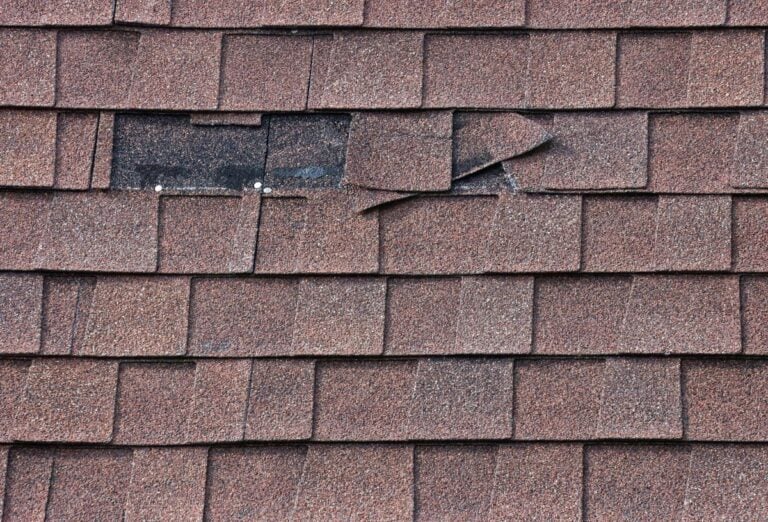
Scheduling regular roof inspections is crucial to maintaining your roof’s longevity and structural integrity. Aim to inspect your roof at least twice a year, ideally during the spring and fall seasons when weather conditions are mild. During these inspections, look for signs of damage such as cracked, curled, or missing shingles.
- Inspect twice per year, especially after storms.
- Look for missing, curling, or cracked shingles, sagging areas, and signs of water infiltration inside (like ceiling stains).
- Check for rusted flashing or clogged vents.
2. Clean the Gutters
Keeping your gutters clean is a simple yet essential step in protecting your roof. Clogged gutters can cause rainwater to overflow, allowing it to pool on your roof and leading to damage like rot or leaks. To prevent this, make it a habit to clean your gutters at least twice a year, preferably in the spring and fall when leaves and debris tend to accumulate.
- Clear out leaves, pine needles, and debris at least twice a year.
- Ensure water flows away from the roof and foundation.
- Install gutter guards if trees are nearby.
3. Remove Debris from the Roof
Branches, leaves, and other debris that collect on your roof may seem harmless at first, but they can trap moisture and lead to serious problems like mold or algae growth. Over time, this trapped moisture can weaken the materials of your roof and even cause leaks. To keep your roof in good condition, regularly remove any debris that builds up.
- Leaves trap moisture and speed up shingle deterioration.
- Debris can block drainage and attract pests.
- Use a roof rake or leaf blower safely from the ground if possible.
Use roofing tools like a roof-friendly rake or a leaf blower to safely and effectively clear the surface. Be cautious while doing this, as working on a roof can be dangerous, especially if it is steep or located at a significant height. If you’re uncomfortable or unsure of your ability to do this safely, it’s worth hiring a professional who has the right equipment and experience to handle the job.
4. Keep Trees Trimmed
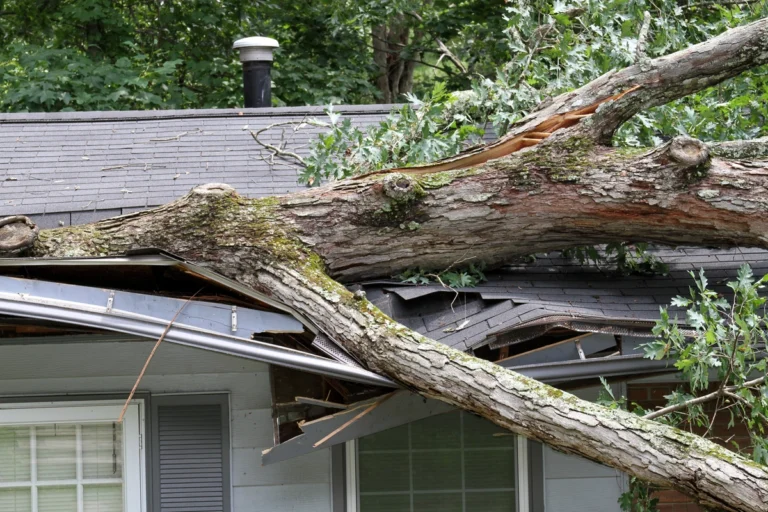
Overgrown trees near your home can pose a significant risk to your roof. Branches that hang over your roof can scratch and damage the surface, especially during windy weather.
- Prevent scratching or puncturing during storms.
- Reduce moss, lichen, and algae growth from shade + debris.
- Protect against falling branches in winter storms or high winds.
5. Inspect and Seal Flashing
Roof flashing is a vital component that seals edges, valleys, and joints, preventing water from seeping into vulnerable areas.
Damaged flashing is one of the top causes of roof leaks.
Check for:
- Gaps or lifting at seams
- Rust, corrosion, or sealant breakdown
- Reseal with roofing-grade caulk or replace if badly worn.
6. Know When to Call a Professional
While many roof maintenance tasks can be handled on your own, certain issues warrant the expertise of a renowned roofing company. Persistent leaks, missing shingles, or sagging areas on your roof are signs of underlying problems that require immediate attention.
Unusual noises, such as creaking or popping, may also indicate structural issues that need to be addressed. Additionally, if your roof has sustained storm damage, it’s best to call a professional to assess the extent of the damage and recommend repairs.
Roof professionals have the training, tools, and experience to handle complex problems safely and effectively, ensuring your roof remains in optimal condition. Don’t hesitate to seek professional help when needed, as it can save you time, money, and stress in the long run.

Common Issues Caused by Neglecting Roof Maintenance
Failing to care for your roof can lead to several preventable issues, including:
Water Damage
Cracks, leaks, or damaged shingles can allow water to seep into your home, leading to significant issues. Over time, even small leaks can cause extensive water damage to ceilings, walls, and insulation, potentially resulting in costly repairs. Addressing these problems early can save you time and money.
Wind Damage
High winds can loosen, lift, or completely tear off shingles, leaving your roof vulnerable to leaks and structural problems. They can also damage flashing, gutters, and nearby trees that may fall onto your roof. Even if the damage isn’t immediately obvious, small cracks or gaps caused by wind can worsen over time, as explained in our wind damage guide.
Weakened Structure
Accumulated debris, trapped moisture, and pest activity can weaken your roof’s structural integrity. When left unaddressed, these factors can cause parts of the roof to sag or even collapse. Regular maintenance ensures your roof remains strong and durable, protecting your home and family.
Pest Infestations
Unmaintained roofs provide the perfect nesting spots for rodents, birds, and insects. Once pests establish themselves, they can cause further damage by chewing through materials or creating unsanitary conditions. Preventing infestations starts with routine roof inspections and timely repairs.
Mold and Mildew
Moisture buildup on your roof can encourage the growth of mold and mildew, which pose serious health risks. Mold spores can spread through your home, affecting air quality and triggering allergies or respiratory issues. Proper ventilation and leak prevention are key to avoiding this problem.
Skyrocketing Utility Bills
A damaged roof often leads to poor insulation, forcing your HVAC system to work overtime to maintain a comfortable temperature. This results in higher energy bills. Ensuring your roof is well-maintained and properly insulated can improve energy efficiency and save you money in the long run.

Roof Maintenance Tips
At Puetz Construction, we understand that your roof is one of the most important parts of your home, and maintaining it properly is essential for your family’s safety and comfort. With years of experience, a commitment to quality craftsmanship, and a dedication to treating every home like our own, we’re the roofing contractors you can trust for that A-1 roof your house needs.
From minor repairs to full roof replacements, we’re here to ensure your roof stays in top condition year-round. Ready to get started? Contact Puetz Construction today for a free consultation and let us help protect what matters most, your home.
FAQ’s
What are the most common signs of roof damage?
Common signs of roof damage include missing, cracked, or curling shingles, water stains on ceilings or walls, sagging areas on the roof, and granules accumulating in your gutters. You might also notice moss, mold, or algae growing on the surface, which can indicate trapped moisture. Rusted or detached flashing around vents and chimneys is another red flag. Catching these issues early can save you from costly repairs later on.
Can I maintain my roof myself, or should I hire a professional?
Many basic roof maintenance tasks can be done by homeowners, such as clearing debris, cleaning gutters, and spotting obvious damage like missing shingles. However, for more thorough inspections or repairs. Especially anything involving flashing, leaks, or structural concerns. It’s best to call a licensed roofing professional. They have the tools, training, and experience to safely assess and fix issues that may not be visible or accessible to the average homeowner.
Is roof maintenance different for cold climates?
Yes, roof maintenance in cold climates comes with unique challenges. In South Dakota and similar regions, ice dams are a common issue caused by snow melting and refreezing at the roof’s edge. Proper insulation, ventilation, and clean gutters are essential to prevent this. Snow buildup should also be monitored and removed if it becomes too heavy, as it can lead to structural stress. Freeze-thaw cycles can also worsen cracks or small leaks, so inspections after winter storms are especially important.
When is it time to replace instead of repair my roof?
If your roof is nearing the end of its expected lifespan, around 20–25 years for asphalt shingles or 40–50 years for metal or tile roofs, and you’re seeing widespread damage or frequent leaks, it may be more cost-effective to replace it. Signs like sagging areas, missing shingles across large sections, or chronic leaks are indicators that simple repairs might not be enough. A trusted roofing professional can provide an assessment and help you make the right decision.
Fresh From our Blog