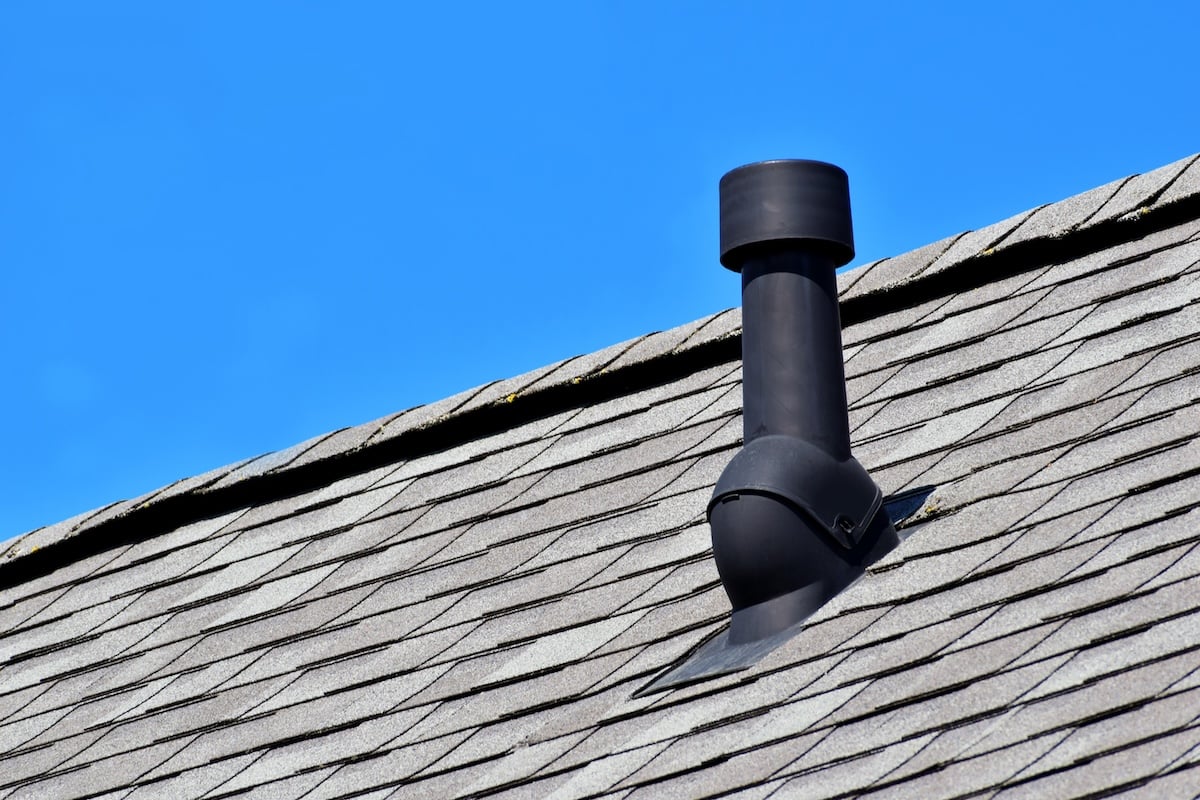
Roof Vent: 6 Types, Benefits & Installation Guide
Puetz Construction | 8 Minute Read
Your home’s ventilation system is one of the most important yet often overlooked components of a healthy roof. A well-designed roof vent system regulates attic temperature, prevents moisture damage, and extends the lifespan of your roofing materials. Without proper ventilation, trapped heat and humidity can quickly lead to issues like warped shingles, mold growth, and high energy bills. For homeowners in Owatonna and surrounding areas, understanding roof vents is key to protecting both your comfort and your investment. You can learn more about the materials and systems that complement effective ventilation through our roofing solutions tailored for long-lasting performance in Minnesota’s climate.
In this guide, you’ll learn:
- Why roof ventilation is essential for every home
- The most common types of roof vents and how they work
- Installation insights and best practices
- Maintenance and efficiency tips for long-term value
Why Roof Ventilation Matters for Your Home
A quality roofing system does more than keep out the rain—it balances air movement throughout your attic and home. When installed correctly, roof vents work together to pull in cool, dry air while pushing out warm, moist air. This natural exchange protects your home’s structure, comfort, and energy efficiency.
Here are a few key reasons roof vents make such a difference in Owatonna and surrounding areas:
- Improved Energy Efficiency: Proper ventilation reduces heat buildup in summer, helping your air conditioner run more efficiently and lowering energy costs.
- Extended Roof Lifespan: By regulating attic temperatures, roof vents prevent premature aging of shingles and underlayment.
- Moisture Control: Vents help remove humidity that can lead to mold, mildew, and wood rot in your attic or framing.
- Comfortable Living Spaces: Balanced airflow keeps upstairs rooms cooler in summer and prevents uneven heating in winter.
- Ice Dam Prevention: In cold climates, ventilation minimizes roof surface temperature fluctuations that cause ice dams.
6 Main Types of Roof Vents Explained
Roof vents come in several forms, each designed to move air differently depending on the roof style, attic size, and regional weather conditions. Below are the six most common types homeowners should know before installing or upgrading their ventilation system.
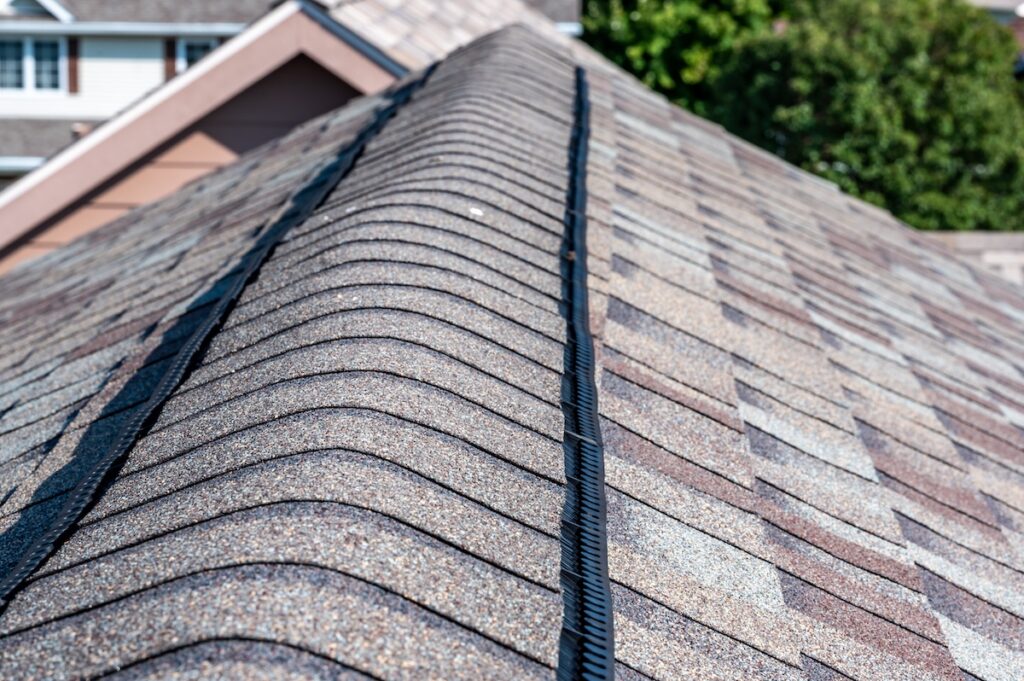
1. Ridge Vents
Ridge vents run along the peak of your roof and provide continuous airflow across the entire attic. They are one of the most effective and aesthetically pleasing ventilation options.
- Installed beneath the roof ridge cap for a clean, low-profile look
- Allow warm air to escape evenly across the attic space
- Work best when paired with soffit vents for balanced intake and exhaust
- Typically require minimal maintenance once installed
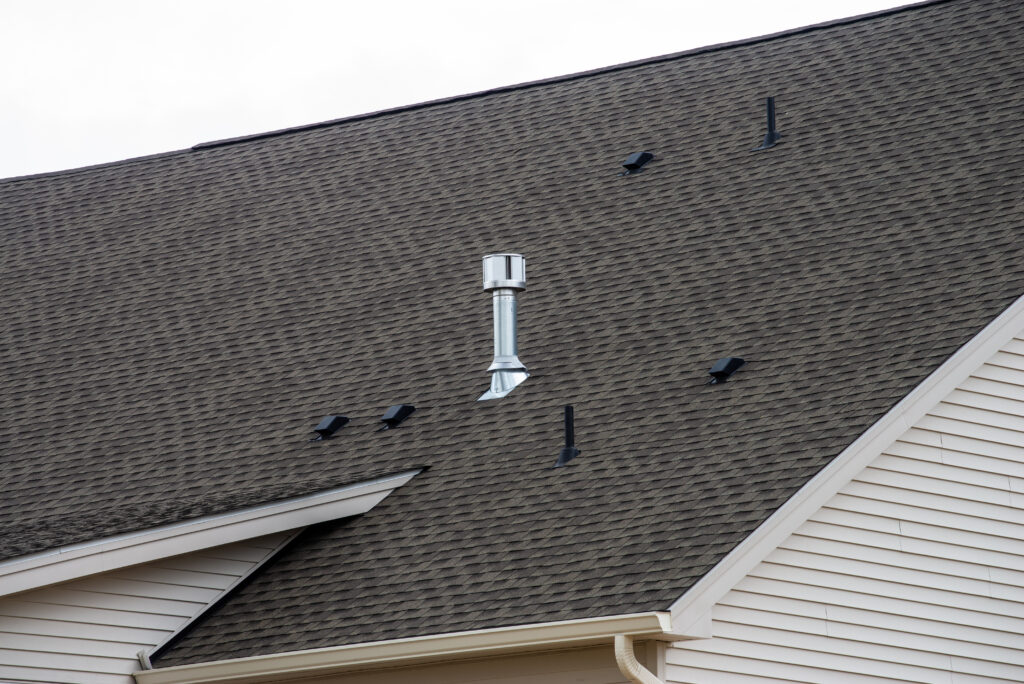
2. Box Vents (Static Vents)
Box vents, also known as louver vents or turtle vents, are small metal boxes installed near the ridge. They rely on natural convection rather than mechanical power.
- Installed in clusters to increase airflow on larger roofs
- Ideal for homes without long ridgelines
- No moving parts, meaning fewer mechanical failures
- Can be color-matched to blend with the roof
3. Soffit Vents
Soffit vents provide intake ventilation at the eaves of your roof, allowing cool air to enter the attic as warm air exits through the upper vents. Proper balance between soffit and ridge or box vents is critical.
- Come in continuous strips or individual panels
- Help prevent insulation from trapping heat and moisture
- Available in aluminum, vinyl, or perforated wood designs
4. Gable Vents
Installed high on the exterior walls at each end of the attic, gable vents promote cross-ventilation. They are common in traditional home designs and often complement other vent types.
- Improve airflow in combination with ridge or box vents
- Provide architectural character when styled decoratively
- Best for homes with open attic spaces rather than complex framing
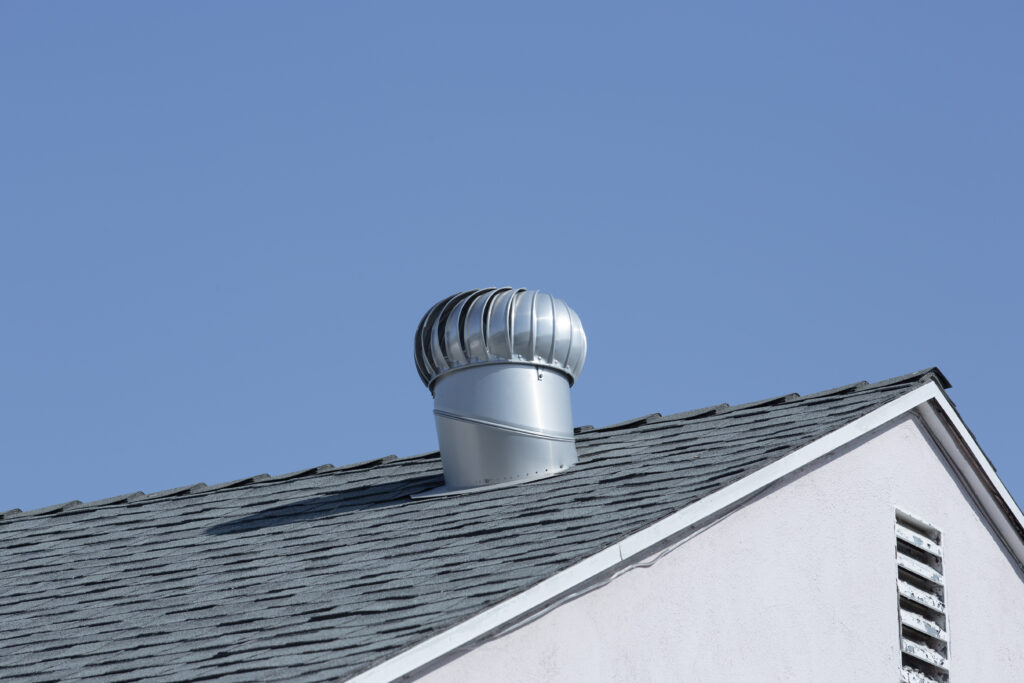
5. Turbine Vents
Turbine vents (also known as whirlybirds) use wind power to pull hot air from the attic through spinning blades. They work best in areas with consistent breezes.
- Energy-free ventilation that increases airflow with higher winds
- No electricity required
- Can move more air than passive vents in windy climates
- Require occasional lubrication and maintenance to spin freely
6. Powered Attic Vents
Powered vents use an electric or solar motor to force hot air out of the attic. While effective, they must be sized correctly to avoid pulling conditioned air from the home’s living areas.
- Available in electric or solar models
- Great for homes with limited ridge or soffit venting
- Should include a thermostat or humidistat for automated operation
- Higher airflow rates but increased energy use
How Roof Vent Installation Works
Installing roof vents correctly is just as important as choosing the right type. Poor placement or imbalance between intake and exhaust can reduce efficiency or even cause damage. Professional installation ensures that your roof vent system functions safely and effectively.
Step 1: Roof and Attic Assessment
A contractor inspects your attic’s airflow, insulation, and roof design. They measure existing venting and calculate how much intake and exhaust are needed for proper circulation.
- Recommended: 1 square foot of vent area for every 300 square feet of attic space
- Balanced airflow ensures consistent temperature regulation
Step 2: Selecting the Right Vent Type
Based on your roof’s slope, size, and design, the installer will recommend specific vent styles. For example, ridge vents suit continuous ridgelines, while box vents are better for shorter or segmented roofs.
Step 3: Preparing the Roof
Cutting precise openings is essential for watertight performance. The roof surface is marked, cut, and sealed around the vent openings to prevent leaks.
- Flashing materials ensure moisture protection
- Underlayment is carefully trimmed and resealed
Step 4: Vent Installation
Vents are positioned, fastened, and sealed according to manufacturer specifications. Proper alignment guarantees efficient airflow and a clean appearance.
Step 5: Attic and Airflow Testing
After installation, airflow is tested to confirm intake and exhaust balance. The contractor may also add baffles to prevent insulation from blocking soffit vents.
Step 6: Final Inspection
A final roof inspection ensures all vents are properly sealed, secure, and functioning as intended. This step helps validate warranty coverage and long-term performance.
Common Signs of Poor Roof Ventilation
Even well-built homes can develop ventilation problems over time. Recognizing the warning signs early can prevent costly roof repairs or energy loss.
- High Energy Bills: Excess heat in the attic forces your HVAC system to work harder.
- Uneven Indoor Temperatures: Upstairs rooms that stay warmer than the main floor indicate restricted airflow.
- Moisture or Mold in the Attic: Condensation buildup leads to discoloration, odors, and potential wood damage.
- Ice Dams in Winter: In cold regions like Owatonna and surrounding areas, improper ventilation can melt roof snow unevenly, creating damaging ice dams.
- Peeling Paint or Stained Ceilings: Humidity trapped inside the attic can seep into the home’s interior surfaces.
If you notice any of these issues, a professional roof inspection can help identify the source and recommend corrective steps.
Roof Vent Maintenance Tips
Although roof vents are largely low-maintenance, periodic inspection ensures long-term efficiency. Here’s how to keep them performing their best.
- Clear Debris: Remove leaves, nests, or dust that may clog openings.
- Inspect After Storms: Check for damaged or displaced vent covers.
- Seal Around Flashing: Ensure all flashing and caulking remain intact to prevent leaks.
- Clean Soffit Vents: Use compressed air or a soft brush to remove dust buildup.
- Test Fans or Turbines: If using powered vents, verify that motors and blades operate smoothly.
Most vents only require minor attention once or twice a year, making them one of the simplest ways to extend roof longevity.
Comparing Roof Vent Types
This quick reference chart highlights how the main vent types differ in performance, cost, and suitability.
| Vent Type | Airflow Type | Cost Range (Installed) | Maintenance | Best For |
| Ridge Vent | Passive | $8–$15 per linear foot | Low | Homes with long ridgelines |
| Box Vent | Passive | $50–$150 each | Low | Small or segmented roofs |
| Soffit Vent | Intake | $2–$4 per linear foot | Low | All roof types |
| Gable Vent | Passive | $75–$200 each | Low | Attics with open space |
| Turbine Vent | Wind-Driven | $100–$300 each | Moderate | Windy regions |
| Powered Vent | Mechanical | $250–$600 each | Moderate | Large attics or hot climates |
Selecting the right system often requires balancing airflow goals, budget, and aesthetics. Many homes in Owatonna and surrounding areas perform best with a combination of ridge and soffit vents.
Why Professional Installation Matters
DIY vent installation may seem simple, but improper design can lead to serious problems like condensation, leaks, or reduced efficiency. Professional contractors calculate ventilation needs based on attic volume, roof shape, and local building codes.
Key reasons to hire a certified roofing expert include:
- Proper airflow calculation for your specific attic size
- Correct placement to prevent short-circuiting (where intake and exhaust interfere)
- Guaranteed watertight installation and warranty coverage
- Access to advanced materials and tools
A balanced roof vent system protects your investment and ensures year-round comfort while reducing long-term maintenance costs.
Protect Your Home with Expert Roof Vent Solutions from Puetz Construction
Your home deserves a roof that performs as well as it looks. A properly designed and installed ventilation system keeps your attic cool, your energy bills low, and your roof in excellent condition. Whether you’re replacing an existing system or adding ventilation to a new roof in Owatonna and surrounding areas, Puetz Construction delivers trusted craftsmanship and precision installation to get the job done right.
To schedule an inspection or request a customized roofing estimate, contact us today. Our experienced team will help you find the ideal roof vent system to protect your home, improve comfort, and extend your roof’s lifespan for years to come.
Fresh From our Blog