
Stamped Concrete Patio: Is It Right for Your MN Yard?
Written By: Puetz Construction | August 10, 2026 | 9 Minute Read

Choosing the right patio material can feel overwhelming with so many options on the market, and Minnesota’s harsh freeze-thaw winters make the decision even more important. A stamped concrete patio offers the look of natural stone, brick, or tile at a fraction of the cost, which is why it has become one of the most requested, cost effective upgrades among homeowners planning a backyard patio renovation. Many of these projects begin with the same starting point covered in this guide to outdoor living spaces, where homeowners weigh material, budget, aesthetic value, and long-term durability before making a final decision.
What you’ll learn:
- Why stamped concrete has become a popular patio choice in Minnesota
- Six key factors to weigh before committing to the material
- Ways to customize the look with patterns, colors, and finishes
- How stamped concrete compares to pavers and natural stone
- What to expect from the installation process
Why Stamped Concrete Patios Matter
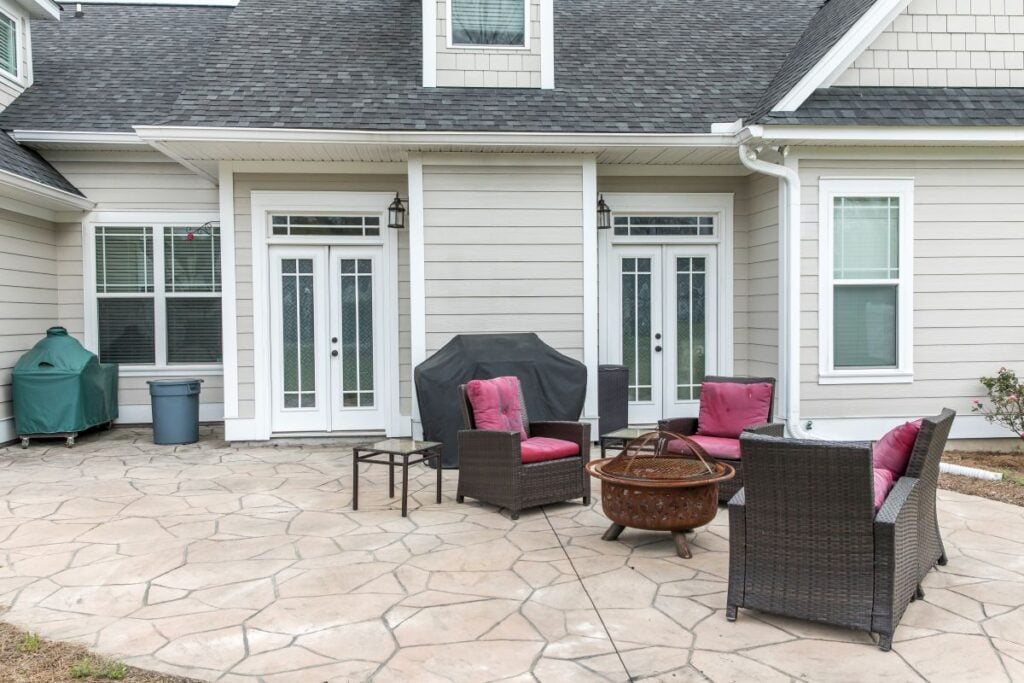
A patio material has to do more than look good. It needs to hold up against freezing winters, spring thaws, and the daily wear of outdoor living, all while staying within a reasonable budget. Stamped concrete has grown popular because it checks each of these boxes at once, giving homeowners in Lake City and surrounding areas a durable surface that still delivers the upscale look many want for their backyard.
- Cost efficiency: Stamped concrete typically costs significantly less than natural stone or high-end pavers while achieving a similar visual effect.
- Design flexibility: Patterns and colors can mimic flagstone, brick, slate, or cobblestone without the weight or expense of the real material.
- Low maintenance: A properly sealed stamped patio requires far less upkeep than loose pavers, and because the slab is continuous, it also prevents weeds, grass, and ants from working up through the surface.
- Long-term durability: When installed correctly with proper reinforcement and control joints, a stamped patio is no more likely to crack than a plain concrete slab.
- Boosted curb appeal: A well-designed stamped patio adds aesthetic value to a backyard and often supports a home’s resale price, with many homeowners seeing a 30 to 60 percent return on investment.
These advantages explain why stamped concrete keeps showing up on homeowner wish lists across the region. It offers a rare combination of affordability and visual impact, which makes it worth serious consideration for anyone planning a new patio or replacing an aging one.
6 Things to Consider Before Choosing a Stamped Concrete Patio
Stamped concrete is a strong option for many homeowners, but it is not automatically the right fit for every yard or every budget. The factors below help clarify whether it lines up with your specific goals and site conditions.
1. Your Climate and Freeze-Thaw Exposure
Minnesota winters put serious stress on any hardscape material, and concrete is no exception. Proper preparation of the subbase is critical for preventing settling and cracking, since a consistent, well-compacted base protects the slab above it for decades.
- Confirm the contractor uses air-entrained concrete rated for freeze-thaw conditions
- Ask about the depth and spacing of control joints
- Make sure the base is properly compacted before the pour
- Confirm the concrete mix itself is appropriate for the region’s climate
Getting these details right at installation prevents most of the common problems homeowners associate with concrete patios in cold climates.
2. Your Design and Style Preferences
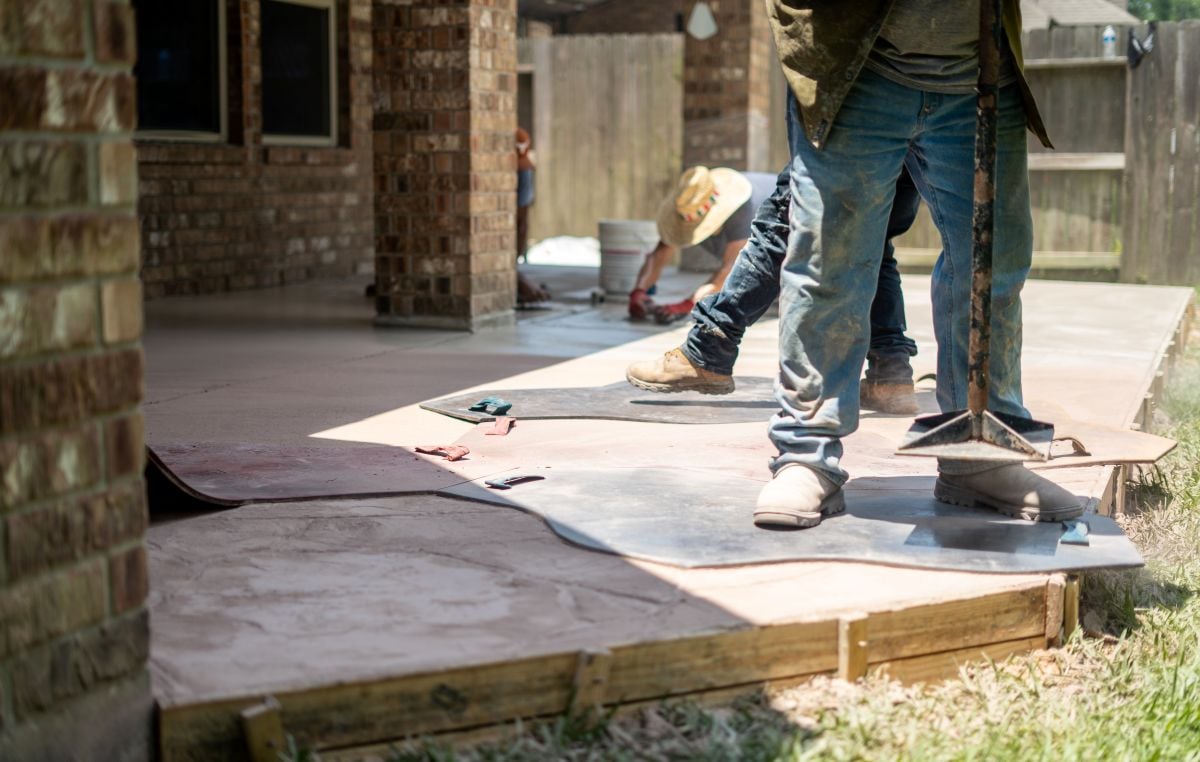
Stamped concrete can mimic nearly any natural material, so it helps to know the general style being targeted before installation begins. The stamped concrete pattern itself is pressed into the wet concrete before it cures, using a release agent that keeps the tools from sticking to the fresh concrete below.
- Browse pattern and color samples with your contractor ahead of time
- Consider how the patio pattern will pair with existing siding or landscaping
- Think about whether a border accent would complement the main pattern
- Bring design ideas or photos of stamped concrete patio ideas you like to your first conversation
Clarifying style preferences early keeps the project moving smoothly and avoids costly changes mid-installation.
3. Your Budget for the Full Project
While stamped concrete costs less than many alternatives, pricing still varies widely based on pattern complexity, color depth, and total square footage. A simple single-color stamp costs less than a multi-color pattern with detailed texturing. Most projects run $10 to $20 per square foot, with high-end designs sometimes exceeding $20, and a typical installation costs $3,000 to $8,000 on average.
- Get a written estimate that breaks down labor, materials, and finishing separately
- Ask whether sealing and future resealing are included in the quote
- Factor in site preparation costs if the yard needs grading or excavation
Understanding the full scope of pricing upfront helps avoid surprises once the project is underway.
4. The Condition of Your Existing Yard
The current state of your yard plays a bigger role in cost and feasibility than many homeowners expect. Drainage issues, tree roots, or uneven grading can all affect how the project unfolds, and yards throughout Lake City and surrounding areas often have their own quirks shaped by local soil conditions and mature tree cover.
- Have your yard evaluated for drainage before finalizing plans
- Note any large trees nearby whose roots could interfere with a stable base
- Consider how water will flow away from the house once the patio is in place
- Check that the edges of the planned slab have enough clearance from the foundation and any underground utilities
Addressing these site conditions before the pour prevents future settling or cracking issues, and it often saves homeowners from costly corrections after the concrete has already cured.
5. How You Plan to Use the Space
A patio built for quiet mornings looks different from one designed for large gatherings, and stamped concrete works well for both when planned correctly. Thinking through daily use helps determine the ideal size, shape, and layout. The same material also performs well beyond patios, which is why it shows up so often on pool decks, driveways, and walkways throughout the region.
- Decide whether the patio needs to accommodate a full outdoor dining set
- Consider adding a designated grilling or fire pit area within the layout
- Think about walkway connections to the house, garage, or yard
Matching the design to actual use patterns makes the finished patio far more functional than a generic layout.
6. Long-Term Maintenance Expectations
Stamped concrete is lower maintenance than many alternatives, but it is not maintenance free. With proper care, stamped concrete typically lasts 20 to 30 years, and staying on top of a few simple tasks keeps it looking sharp for several years between bigger jobs.
- Plan on resealing every two to three years, which typically costs $200 to $600
- Address small cracks quickly before they widen, since repairs for cracking or fading generally run $300 to $1,000
- Keep the surface clean of standing water and remove snow promptly to prevent winter damage
- Apply de-icing salt carefully to avoid staining, and clean with gentle soap rather than harsh chemicals
- Ask your contractor about non-slip additives if the patio doubles as a pool deck
Homeowners who stay ahead of these simple tasks typically get decades of good use out of a properly installed stamped patio.
Customizing the Look of Your Stamped Concrete Patio
Once the decision to move forward is made, the design possibilities open up considerably. This stage is where a patio moves from a purely practical upgrade to a true extension of the home’s overall style.
Pattern Options
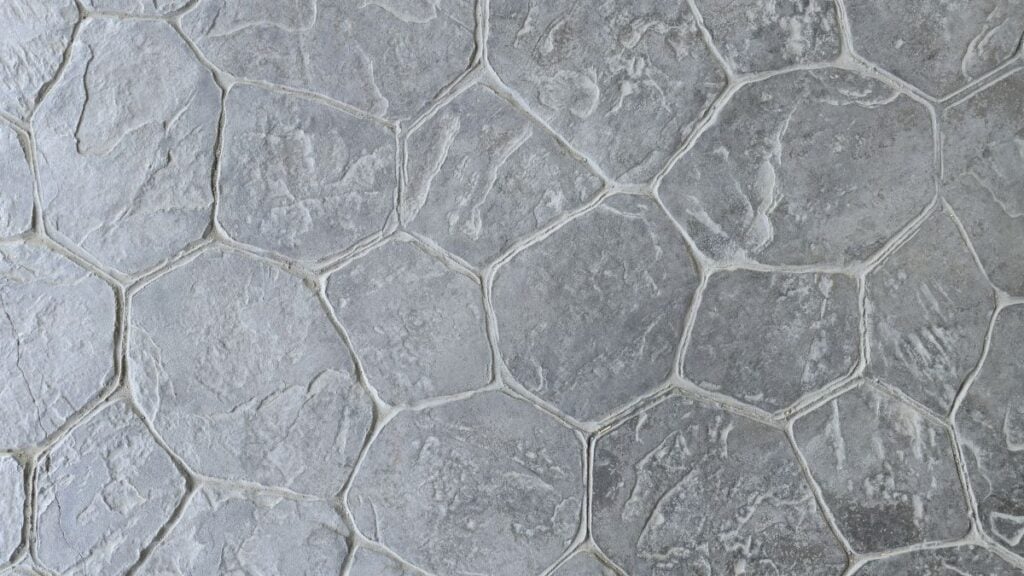
Popular stamp patterns include ashlar slate, cobblestone, running bond brick patterns, and irregular flagstone, with a wide selection of textures to match nearly any aesthetic. Wood plank stamped concrete has also become a popular trend for patios and pool decks, giving the look of a wood deck without the upkeep, and grout lines or straight lines can be worked into any pattern to mimic large-format tile.
Color and Staining Techniques
Integral color and color hardeners mixed into the top layer provide a base tone, while accent stains and antiquing washes add depth that mimics natural stone variation. Layered coloring techniques tend to look more authentic than a single flat tone in the final product.
Border and Accent Details
A contrasting border pattern or color can frame the main patio area and add a polished, finished look, and it can also tie the patio visually into steps, retaining walls, or other hardscape features already on the property.
Texture and Finish Choices
Beyond pattern and color, the texture of the stamp changes how the surface feels underfoot and how it reads from a distance. A deeper texture reads as more rustic, while a lighter, smoother finish tends to look cleaner and more contemporary.
Homeowners who take time to explore these customization options often end up with a patio that looks far more custom than the base material cost would suggest, which is part of what makes stamped concrete such a strong value overall.
Stamped Concrete Compared to Pavers and Natural Stone
Stamped concrete is one of three common choices homeowners weigh when planning a new patio, alongside pavers and natural stone, and the same comparison often applies to driveways and pool decks too. Each material has its own strengths depending on budget, maintenance tolerance, and desired look.
| Feature | Stamped Concrete | Pavers | Natural Stone |
| Typical Cost | Lower to moderate | Moderate | Higher |
| Maintenance | Occasional resealing with a quality sealer | Occasional joint sand refresh | Periodic sealing |
| Repair Method | Patch or overlay | Individual unit replacement | Individual piece replacement |
| Design Flexibility | High with stamps and color | High with layout patterns | Limited to natural variation |
Looking at this comparison, stamped concrete tends to be the strongest choice for homeowners who want a custom look without the higher price tag of natural stone, while pavers remain appealing for those who want the option to replace individual sections without disturbing the whole surface. The right choice ultimately comes down to which tradeoffs matter most for a given household.
Bring Your Stamped Concrete Patio Vision to Life
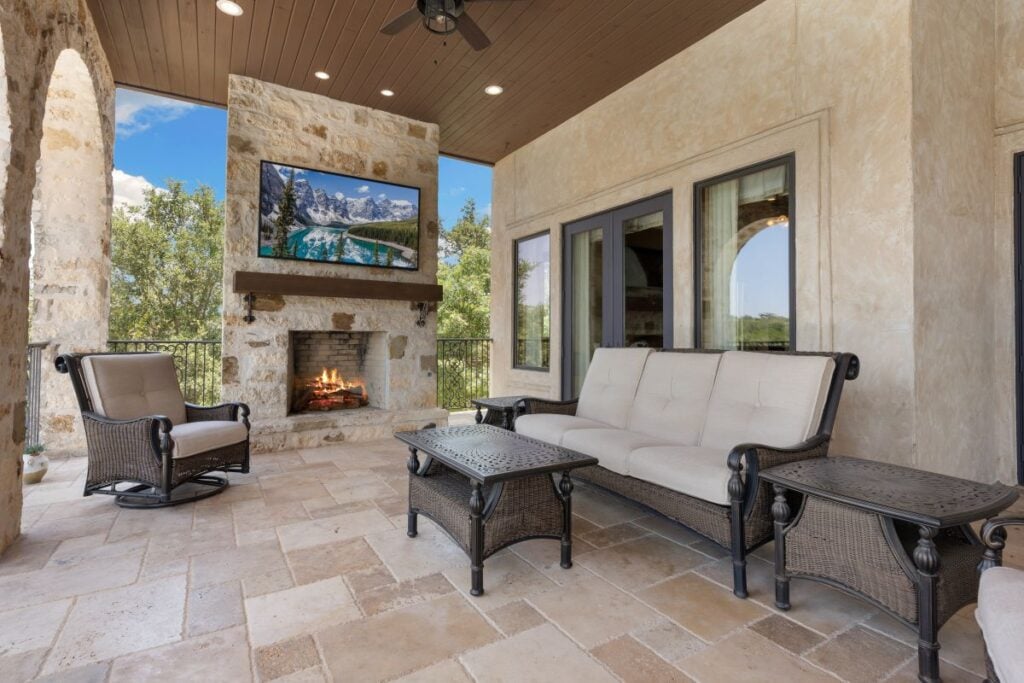
A stamped concrete patio offers a rare combination of affordability, durability, and design flexibility that few other materials can match, especially for homeowners dealing with Minnesota’s demanding climate. Weighing the factors above, from freeze-thaw performance to long-term maintenance, helps ensure the finished patio holds up beautifully for years to come.
Puetz Construction has helped homeowners throughout Lake City and surrounding areas plan and install stamped concrete patios built to handle the local climate while matching each homeowner’s style. Whether your stamped concrete project is a small patio or a larger combined patio and walkway, our team treats every job with the same attention to detail. If a stamped concrete patio sounds like the right fit, contact us today to discuss design options and get a clear plan for your project.
Fresh From our Blog