
Deck Repair Guide: 7 Signs You Need a Professional Fix
Written By: Puetz Construction | August 5, 2026 | 9 Minute Read

A wood deck takes a beating every year from snow, sun, and constant temperature swings, and small problems can turn an outdoor space into a safety hazard faster than most homeowners expect. Knowing when deck repair is needed on an existing deck, rather than just a quick weekend fix, protects both your family and your investment. Recognizing the signs early often connects back to the same principles covered in this guide to outdoor living spaces, where prevention and timely repairs go hand in hand.
What you’ll learn:
- Why deck repair matters for safety and long-term home value
- The seven clearest warning signs that a deck needs professional attention
- Ways to extend a deck’s life with regular maintenance
- How deck repair services compare to full replacement, including cost estimates
- What to expect during your first conversation with a professional contractor
Why Deck Repair Matters
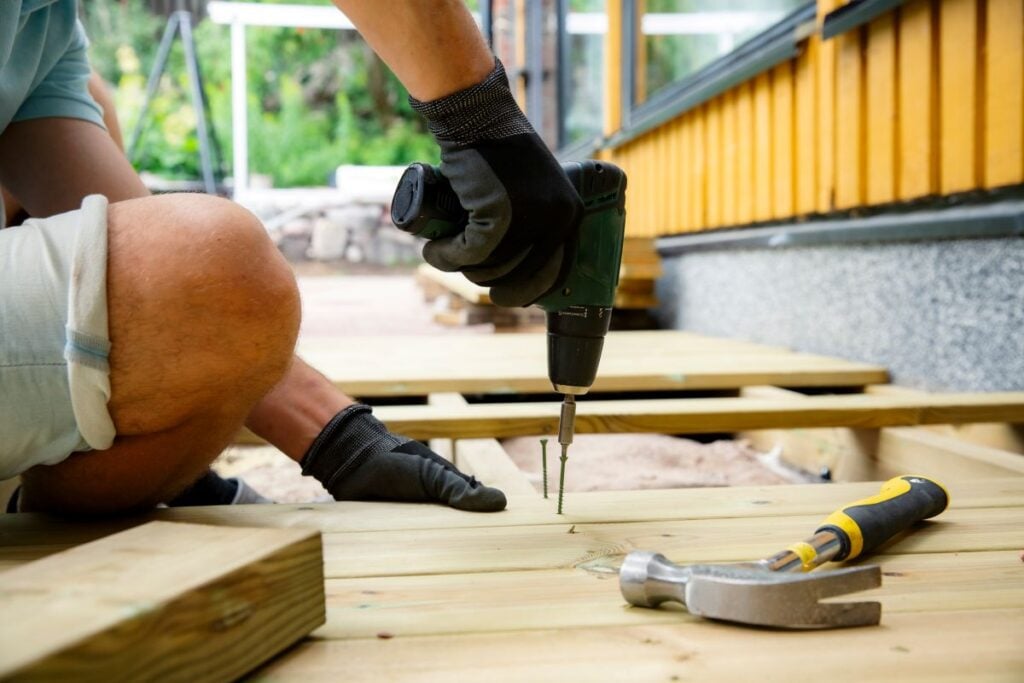
A deck is one of the few home improvement projects that combines structural weight-bearing duty with constant outdoor exposure, which makes small issues more serious than they first appear. A weak deck board or a failing post can compromise a deck’s structural integrity and lead to a fall without much warning. Homeowners in Winona and surrounding areas deal with freeze-thaw cycles every year, and that expansion and contraction, combined with moisture penetration and UV rays, accelerates wear on fasteners, wood, and footings.
- Family safety: A stable, well-maintained deck protects everyone who steps outside for a cookout, a get-together with friends, or just morning coffee.
- Protected investment: Catching small problems early through regular maintenance keeps a deck structurally sound and costs far less than replacing an entire deck structure later.
- Preserved home value: A deck in poor condition is one of the first things buyers and inspectors notice during a sale.
- Continued enjoyment: A solid deck means more time actually using the space instead of worrying about it.
These reasons are why waiting on deck repair rarely pays off, and addressing issues early almost always makes sense as the practical choice. A problem that starts as one soft board or a loose railing bracket tends to spread to connected boards and framing over time, growing the cost and scope of the fix the longer it sits unaddressed.
7 Warning Signs Your Deck Needs Repair
Not every deck problem is obvious at first glance, and some of the most serious issues hide in places homeowners rarely check. Some issues call for simple fixes, while others point to underlying issues needing a professional’s attention.
1. Soft or Spongy Deck Boards
Boards that flex, bounce, or feel spongy underfoot are usually a sign that moisture has worked its way into the wood fibers. This is one of the most common early warning signs and often shows up near planters, grills, or areas that stay damp longer after rain. The good news is that damaged deck boards can often be replaced individually rather than requiring a full deck rebuild.
- Test boards by pressing firmly with a foot in several spots
- Pay close attention near the house where water tends to pool
- Address soft spots quickly before they spread to neighboring boards
- Pry out damaged boards with a crowbar and replace them with new lumber, securing them with corrosion-resistant deck screws rather than nails
Left unaddressed, soft boards can eventually give way entirely, which turns a simple board swap into a much larger repair. As a rough guide, replacing one damaged composite board typically costs $25 to $85 depending on materials and local labor rates.
2. Loose or Wobbly Railings
A railing that wiggles when pushed is more than an annoyance. It is a direct safety concern, especially for households with kids, pets, or older family members who may lean on it for support.
- Check every post, not just the ones near stairs
- Look for gaps where the railing meets the deck surface
- Tighten hardware seasonally to catch loosening early
- Loose railings can often be secured with additional screws for around $10 to $15, while stabilizing a wobbly post with structural screws typically runs $50 to $75
A wobbly railing often points to a bigger issue with the post connection underneath, which is why a professional look is worth the time, especially on a second story deck where a railing failure carries higher stakes.
3. Rusted or Corroded Fasteners
Screws, nails, and brackets take on a lot of stress, and once they start rusting their holding strength drops fast. Rust stains bleeding into the wood are an early clue that something below the surface needs attention.
- Rust streaks on wood usually mean the fastener underneath is failing
- Corroded joist hangers weaken the entire framing connection
- Replacing fasteners early is far cheaper than replacing framing later
- Choosing galvanized deck screws over nails during repairs improves long-term holding strength and rust resistance
Because fastener failure is not always visible from above, this is one of the areas where a trained eye makes the biggest difference.
4. Visible Rot or Wood Decay
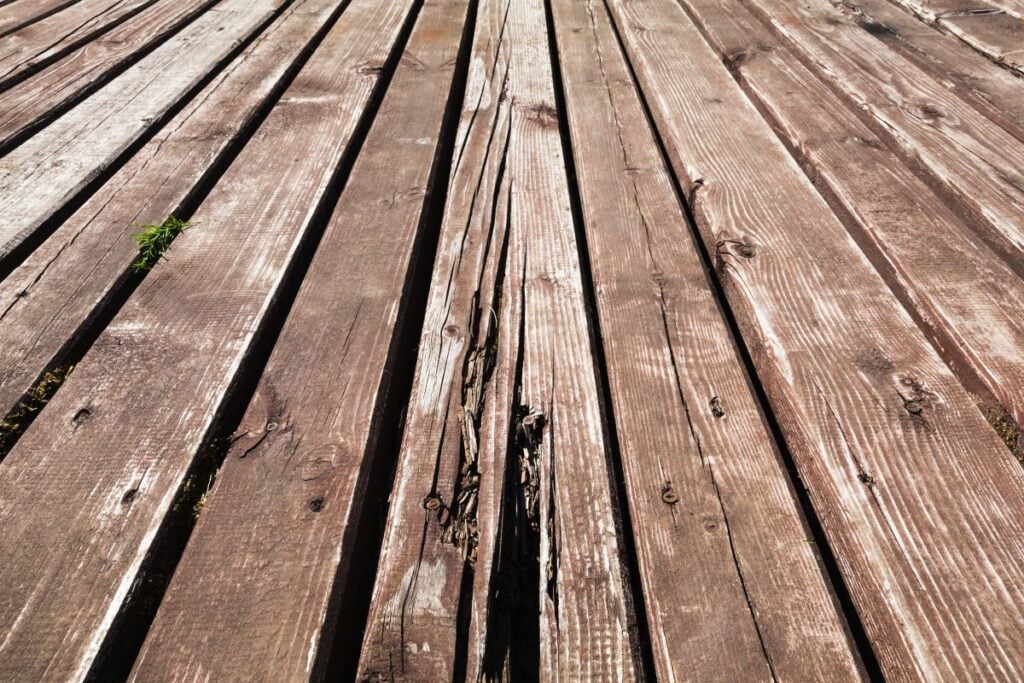
Wood rot shows up as discoloration, crumbling texture, or a hollow sound when tapped, often developing from unaddressed moisture penetration. It spreads quietly, starting at ground contact points, support beams, or where boards meet the ledger board attached to the house.
- Check posts where they meet the ground or concrete footings
- Inspect the ledger board connection to the house closely
- Address rot immediately since it weakens structural capacity fast
- Localized rot can often be repaired by sistering a new piece of pressure-treated lumber alongside a damaged joist for reinforcement
Rot rarely stays contained to one board, so a full inspection matters once any decay is spotted. Rotten wood can often be repaired if localized, but widespread rot typically necessitates full deck replacement.
5. Structural Sagging or Uneven Surfaces
A deck that has started to sag, slope, or feel uneven underfoot is showing signs of a deeper structural problem, often related to failing footings or shifting posts. This is not a cosmetic issue.
- Sagging near the center often points to undersized or failing beams
- Uneven edges can indicate settling footings
- A level check across the whole surface helps pinpoint problem areas
Structural sagging is one of the clearest signals that professional repair, not a DIY patch, is the right next step to get a deck structurally sound again.
6. Cracked or Splitting Support Posts
Support posts carry enormous weight, and any visible cracking or splitting reduces their strength significantly. Weather, age, and poor installation all contribute to this damage over time.
- Look for vertical cracks running along the length of the post
- Check where posts meet the beam above and the footing below
- Splitting near connection points is especially concerning
Because posts are load-bearing, this is one sign that almost always calls for a professional assessment rather than one of the simple fixes homeowners can safely handle alone.
7. Signs of Insect Damage
Termites, carpenter ants, and other wood-boring insects can cause extensive damage before any sign appears above the surface. Small holes, sawdust-like debris, or hollow-sounding wood are all indicators worth investigating right away.
- Check shaded, damp areas of the deck first
- Look for small exit holes or piles of fine wood dust
- Treat insect damage as a priority since it spreads quickly
Insect damage often affects more of the structure than it appears, making a full inspection the safest approach.
Extending the Life of Your Deck Between Repairs
A deck that receives regular attention needs major repairs far less often, and small habits make a real difference over the years, especially given the harsh winters homeowners in Winona and surrounding areas face each season.
- Regular cleaning: Use a pressure washer carefully to clear leaves, debris, and standing water, since trapped moisture is a leading cause of rot.
- Annual hardware checks: Tightening screws, bolts, and railing connections once a year catches loosening before it becomes a hazard.
- Sealing and staining: Sand rough spots smooth, fill small holes with wood filler or epoxy, then apply a semi-transparent stain or fresh coat every one to three years, typically $100 to $300.
- Stair reinforcement: Deck stairs can often be reinforced with additional 2x4s or 2x6s, with most repairs taking just 1 to 3 hours.
- Trim nearby greenery: Keeping plants and bushes trimmed back improves airflow and reduces trapped moisture against the structure.
Homeowners who stay consistent with this upkeep typically stretch the years between major repairs, keeping both cost and disruption to a minimum.
Repair Versus Replacement: Making the Right Call
Not every damaged deck needs a full replacement, but knowing where the line sits saves both time and money. The right call often depends on the current deck’s age, its materials, and how widespread the damage has become. With proper maintenance, a wood deck typically lasts 15 to 20 years and some stretch past 50, while composite decking can last up to 30 years. The comparison below outlines how the two options differ.
| Factor | Repair | Full Replacement |
| Typical Cost | Lower | Higher |
| Best For | Isolated board, railing, or fastener issues | Widespread rot, structural failure, or an aging deck |
| Timeline | Typically 1 to 12 hours for most repairs | One to two weeks |
| Long-Term Value | Extends current structure | Resets the deck’s lifespan entirely |
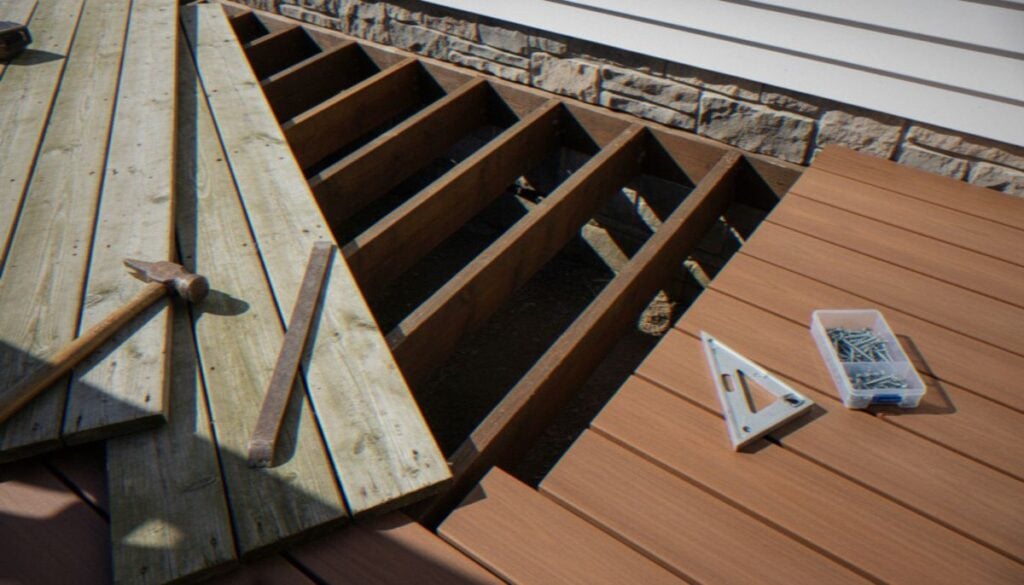
In most cases, isolated problems are well suited to targeted repair, while widespread structural issues usually point toward replacing your deck as the more cost-effective choice. An old deck built with outdated materials, or one nearing the end of its expected lifespan after a last decade or more of service, is a common candidate for replacement. A professional assessment, including clear cost estimates covering material costs and labor, is the best approach to determine which category a deck falls into.
Protect Your Deck With Professional Repair
A deck that gets proper attention lasts significantly longer and stays safer for everyone who uses it, which makes recognizing these warning signs one of the most valuable things a homeowner can learn. Water damage from a single missed leak, for example, can spread into framing and turn a small fix into fixing damaged joists or resurfacing an entire section. If replacement is the right call, choosing materials suited to Minnesota winters makes all the difference in how long the next deck lasts.
Puetz Construction has helped homeowners throughout Winona and surrounding areas identify and repair deck issues before they become safety concerns. Our deck services cover everything from minor repairs to a full new deck build when replacement makes more sense. If any of these warning signs sound familiar, now is the time to start planning your next steps. Contact us today for free estimates and a clear plan to keep your deck safe for years to come.
Fresh From our Blog