
8 Deck Skirting Ideas for a Clean, Finished Look
Written By: Puetz Construction | August 12, 2026 | 9 Minute Read

An elevated deck without skirting often looks unfinished, leaving open framing, support posts, and stored items exposed for anyone walking through the yard to see. Exploring deck skirting ideas helps homeowners close off that gap in a way that looks intentional, whether the project involves a new deck or an older, raised deck that has never had proper skirting installed. The right approach often ties back to the same design choices covered in this guide to outdoor living spaces, where the goal is a deck and outdoor space that looks as good underneath as it does on top.
What you’ll learn:
- Why deck skirting matters beyond just appearance
- Eight popular skirting styles homeowners choose for their decks
- Ways to enhance skirting with ventilation and access panels
- How different skirting materials compare on cost and upkeep
- What to consider before starting a skirting project
Why Deck Skirting Matters
Skirting does more than hide the space underneath a deck. It plays a real role in protecting the structure, keeping pests out, and giving the whole exterior of a home a more polished, cohesive look from every angle. Homeowners in Red Wing and surrounding areas often add skirting either during initial deck construction or as a later upgrade once they notice how exposed the underside of an elevated deck can look from the yard.
- Improved curb appeal: Skirting hides framing, posts, and storage clutter, giving the deck a finished, built-in, polished look.
- Pest prevention: A properly installed skirt panel keeps rodents, raccoons, and other animals from nesting underneath the deck.
- Debris control: Skirting blocks leaves, snow, and yard debris from blowing into the crawl space below.
- Added storage protection: An enclosed underside creates extra storage space, giving lawn equipment or gardening tools a hidden, weather-protected spot.
These benefits add up to a project that serves a real functional purpose beyond just looks. A well-planned skirting job protects the investment already made in the deck itself while giving homeowners throughout Red Wing a cleaner, more usable space both above and below the surface.
8 Popular Deck Skirting Options to Consider
There is no single correct way to skirt a deck project, and the best choice among the many material options usually comes down to personal aesthetic preferences, budget, and how much airflow the space underneath actually needs. The options below range from simple and affordable to more custom, higher-end looks.
1. Lattice Panels
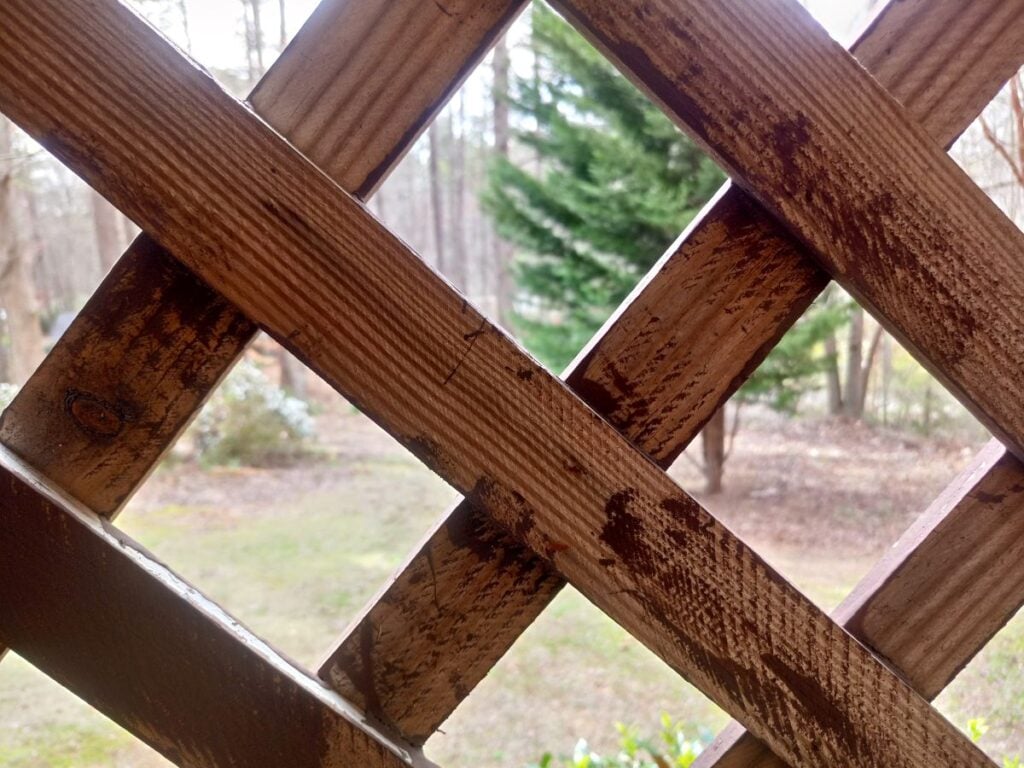
Lattice is one of the most common, inexpensive deck skirting choices because it is affordable, widely available, and allows for excellent ventilation underneath the deck. The crisscross lattice design also adds a bit of visual texture instead of a flat, solid wall.
- Available as wood lattice panels or vinyl lattice panels, with vinyl requiring less long-term upkeep
- Black vinyl lattice pairs especially well with dark trim and railings for a visually appealing, modern contrast
- Diagonal or square patterns both work well depending on the home’s style
Lattice remains a popular starting point for homeowners who want an affordable, classic look without much ongoing maintenance.
2. Horizontal Wood Slats
Horizontal slat skirting uses evenly spaced horizontal wood planks running side to side, which creates a clean, modern aesthetic that pairs especially well with contemporary deck designs. The gaps between horizontal boards still allow for some airflow while giving a more solid appearance than lattice.
- Works well with cedar, pressure-treated lumber, or composite boards
- Spacing can be adjusted to control how much of the underside is visible
- Pairs naturally with horizontal railing designs for a cohesive look
This style tends to appeal to homeowners who want a more updated, streamlined appearance than traditional lattice provides.
3. Vertical Board Skirting
Vertical board skirting runs boards up and down rather than side to side, which can make a deck appear taller and more substantial while adding a natural charm that tends to suit traditional home styles. It is a strong choice for decks with a larger gap between the deck surface and the ground.
- Creates a more traditional, farmhouse-style appearance
- Works well paired with board and batten siding on the home itself
- Requires careful spacing to maintain adequate airflow underneath
Vertical boards are often chosen when homeowners want the skirting to visually connect with existing exterior trim or siding details.
4. Stone or Faux Stone Veneer
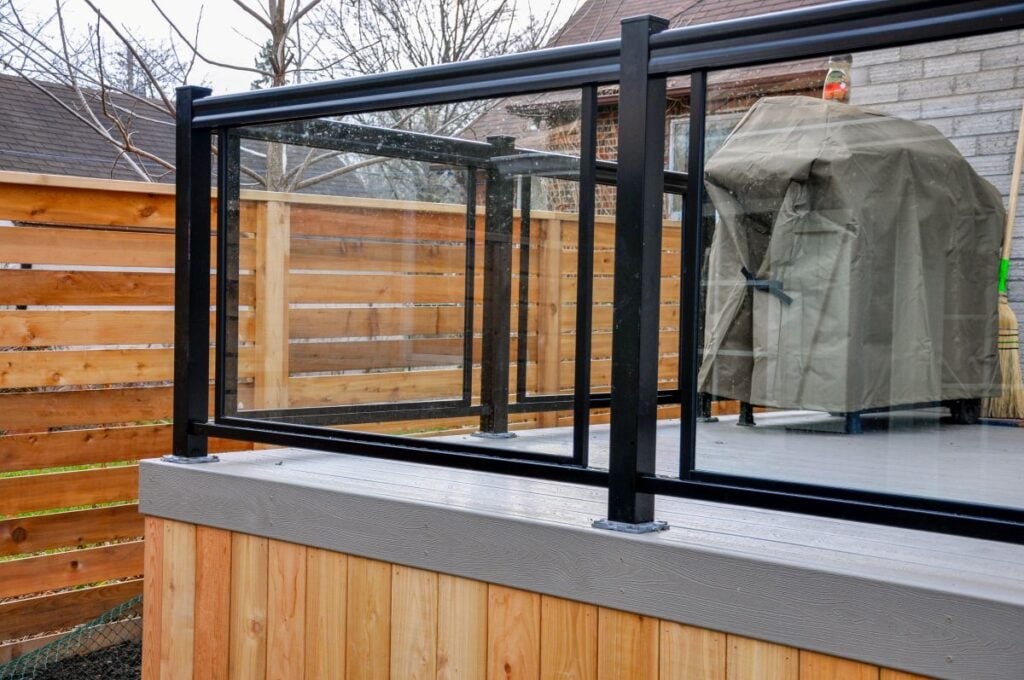
Stone deck skirting brings a substantial, upscale look to the base of a deck, especially for a taller, raised deck where the exposed foundation is more noticeable. Faux stone panels offer a similar appearance at a lower cost and lighter weight, while still providing a durable solution that holds up well outdoors.
- Real stone offers the most authentic look but comes with a higher price tag
- Faux stone panels install faster and weigh significantly less
- Pairs well with homes that already feature stone accents or a stone foundation
This option works especially well for homeowners looking to make the deck feel like a permanent extension of the house rather than a separate structure.
5. Composite Skirting Panels
Composite deck skirting panels are designed to match composite decking materials, creating a seamless look from the deck boards above down to the ground. These panels resist rot, warping, and insect damage far better than traditional wood options, which helps ensure longevity with far less upkeep.
- Available in colors and textures that match popular composite decking lines
- A genuinely low maintenance option compared to painted or stained wood skirting
- Often made from recycled composite materials, making it a more eco friendly choice
Composite panels are a strong fit for homeowners who already invested in composite decking and want a consistent look throughout the whole structure.
6. Board and Batten Skirting
Board and batten skirting uses wide vertical boards with narrow strips covering the seams between them, creating a distinctive textured look with strong visual appeal. This style has grown in popularity as a way to add character beyond a flat panel appearance.
- Adds visual interest through shadow lines created by the batten strips
- Works well painted in a contrasting color from the deck itself
- Pairs nicely with modern farmhouse and craftsman style homes
This option suits homeowners who want their skirting to double as a design feature rather than something purely functional.
7. Corrugated Metal Panels
Corrugated metal panels bring an industrial vibe and modern farmhouse look that stands out from more traditional wood or lattice options. The ribbed panels are also highly weather resistant and shed water and debris easily, which helps keep the space underneath the deck drier.
- Available in a range of finishes, from raw galvanized steel to painted colors
- Resists rot, insects, and warping better than most wood alternatives
- Pairs well with black or dark-toned railings and modern exterior siding
This style works especially well for homeowners drawn to a more contemporary or industrial exterior aesthetic.
8. Vinyl Skirting Panels
Vinyl skirting panels are designed to mimic the look of wood board or lattice while requiring little maintenance beyond an occasional rinse. They are a practical choice for homeowners who like a traditional appearance without the upkeep that comes with real wood.
- Will not rot, warp, or attract insects the way wood can
- Available in colors and textures that closely resemble natural wood grain
- Snaps or screws into place for a relatively straightforward installation
Vinyl panels are often chosen by homeowners who want the classic look of wood skirting without committing to regular painting or staining.
Enhancing Deck Skirting with Ventilation and Access
Once a skirting style is chosen, a few practical details make the finished product function as well as it looks. Proper ventilation and easy access to the area underneath are often overlooked until after installation, especially given the humid summers and heavy snow loads homeowners in Red Wing and surrounding areas deal with each year.
- Ventilation gaps: Small, evenly spaced gaps or vents prevent moisture buildup that can lead to mold or wood rot in the space beneath the deck.
- Access panels: A hinged or removable panel section allows easy access to reach stored items or perform maintenance without dismantling the skirting.
- Grade-level trimming: Skirting should be trimmed to follow the slope of the yard rather than leaving large gaps at the bottom.
- Pest barriers: Adding hardware cloth or wire mesh behind the skirting keeps animals out even where boards or panels have small gaps.
- Living skirting: Trellis panels planted with climbing plants create a decorative element that softens the deck’s base while still allowing airflow, for a natural, eco friendly finish.
Homeowners who plan for these details from the very beginning avoid the common frustration of having to modify finished skirting later just to add ventilation or access that was missed the first time around.
Comparing Skirting Materials by Cost and Upkeep
Choosing a skirting material often comes down to weighing upfront cost against how much maintenance a homeowner is willing to take on over the years. Brick skirting is another option some homeowners consider when the home has brick accents, though it runs closer to stone in cost and effort. The comparison below highlights how the most common options stack up for long-term outdoor use.
| Material | Typical Cost | Maintenance Level | Best For |
| Lattice (Vinyl) | Lower | Low | Budget-friendly, classic look |
| Wood Slats or Boards | Moderate | Moderate | Custom fit, natural appearance |
| Corrugated Metal | Moderate | Low | Modern, industrial exterior style |
| Vinyl Panels | Lower to moderate | Very Low | Low-upkeep, traditional wood look |
| Composite Panels | Higher | Very Low | Matching existing composite decking |
| Stone Veneer | Higher | Low | Upscale, permanent appearance |
Looking at this comparison, vinyl lattice remains the most accessible option for homeowners on a tighter budget, while composite and stone veneer options appeal to those willing to spend more upfront in exchange for a lower-maintenance, longer-lasting result. There is no universally right answer, since the best material often depends on how the skirting needs to perform alongside the rest of the home’s exterior. Climate is also worth factoring in, since materials that hold up well in milder regions do not always perform the same way through a full Minnesota winter.
Finish Your Deck With the Right Skirting
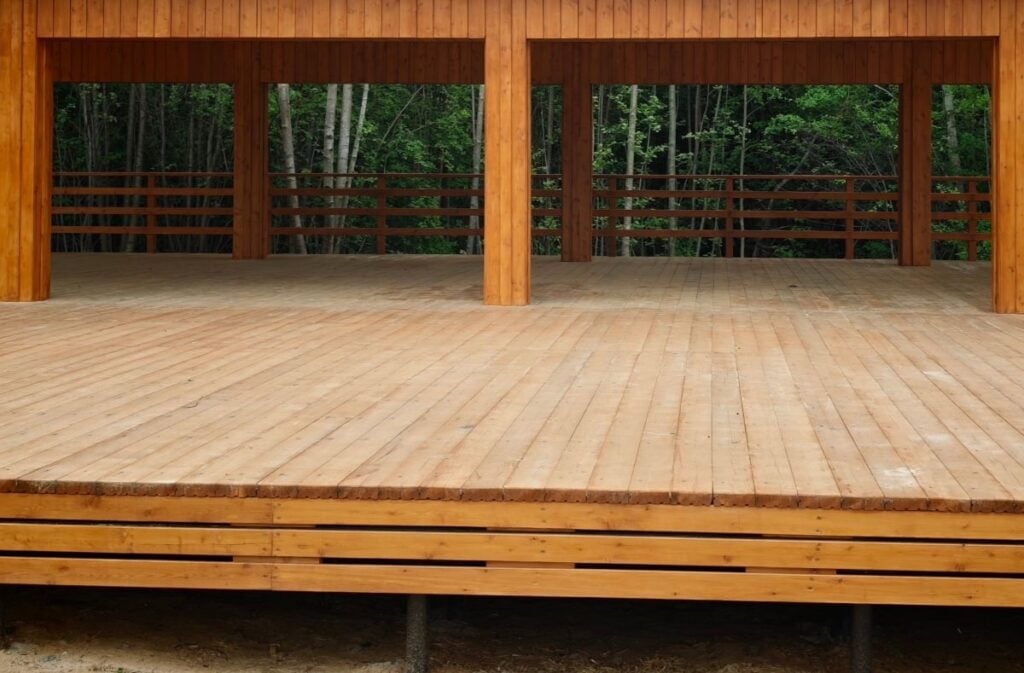
Deck skirting is one of those details that can completely change how finished a deck looks from the yard, the street, or a neighboring window. Whether the goal is a simple, budget-friendly lattice panel or a custom stone veneer that matches the house, the right skirting choice ties the whole project together while protecting what is underneath.
Puetz Construction has helped homeowners throughout Red Wing and surrounding areas choose and install deck skirting that fits their style, budget, and long-term maintenance preferences. If your deck could use a more finished look, contact us today to talk through skirting options that make sense for your home and your yard.
Fresh From our Blog