

Storm Windows: 6 Benefits for Cold-Climate Protection
Written By: Puetz Construction | November 9, 2026 | 8 Minute Read

Older homes often come with beautiful original windows, along with drafts, chilly rooms, and higher heating bills. Replacing every window is not always necessary or affordable. For many homeowners, storm windows offer a practical middle ground that adds insulation, blocks drafts, and protects existing windows without removing them. In a climate with long, bitter winters, that extra layer can make a noticeable difference. Understanding how they work is a smart first step toward keeping your home warmer and more efficient while preserving the character you love.
Here’s a snapshot of what this guide covers:
- How storm windows improve comfort and efficiency in older homes
- Six key benefits for cold-climate living
- The main types and features to compare
- When full replacement makes more sense

Why Storm Windows Make Sense for Older Homes
Many older homes still have their original single-pane windows. These windows often feature quality craftsmanship and old-growth wood, but they were never designed to meet modern energy expectations. Removing them can also mean losing architectural details that are difficult or costly to reproduce.
For homeowners in Red Wing and surrounding areas, where historic homes are a big part of the community’s charm, storm windows provide a way to improve performance without sacrificing character:
- Preserve original windows: Keep historic sashes, glass, and trim intact while improving how they perform.
- Lower upfront cost: Storm windows typically cost a fraction of what full window replacement does.
- Meaningful energy savings: According to the U.S. Department of Energy, low-E storm windows can save 10 to 30 percent on heating and cooling costs, depending on the existing windows.
- Less disruption: Installation is quicker and less invasive than removing and replacing entire window units.
If you are just getting familiar with the options, an overview of how modern storm windows work and what to look for is a helpful place to start. Today’s products are a big step up from the drafty, rattling storms many homeowners remember from decades past.
6 Benefits of Storm Windows in a Cold Climate
Storm windows create an additional barrier between your home and the outdoors. That simple layer delivers several advantages that are especially valuable during Minnesota winters.
1. Reduced Heat Loss
The space between a storm window and the primary window creates an insulating buffer that slows heat transfer. Low-E glass adds another layer of protection by reflecting heat back into the home.
- Keeps more warm air inside during winter
- Eases the workload on your furnace
- Helps lower monthly energy bills
2. Fewer Drafts
Older windows often leak air around the sashes and frames. A well-fitted storm window seals over those gaps, significantly reducing the cold air that seeps into your home.
This can make rooms feel noticeably warmer, especially near windows where drafts are most obvious. It also helps your heating system maintain a steadier temperature throughout the day.
3. Protection for Original Windows
Exterior storm windows shield primary windows from rain, snow, ice, and wind. That protection helps preserve wood sashes, glazing, and paint, extending the life of windows you want to keep.
- Reduces weather exposure on historic wood
- Helps paint and glazing last longer
- Slows the wear that leads to costly repairs

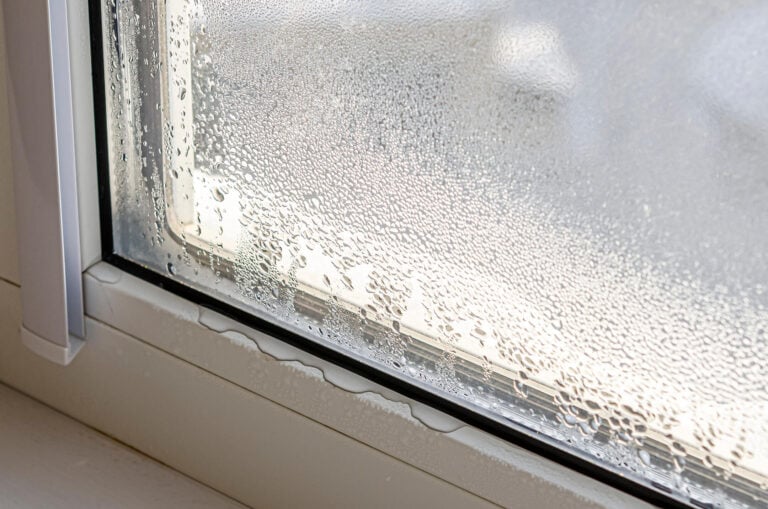
4. Less Interior Frost and Condensation
When a storm window is added, the inner glass of the primary window stays warmer. Warmer glass is less likely to collect condensation and frost, which helps protect sills and interior finishes from moisture damage.
Proper installation and airtight seals are key to getting this benefit, since gaps can let moisture into the space between the windows.
5. Quieter Interiors
The extra layer of glass and the air space between windows help dampen outside noise. Traffic, neighbors, and wind become less noticeable inside your home.
This benefit is especially appealing for homes on busy streets or near town centers.
6. A Cost-Effective Upgrade
Storm windows deliver many of the comfort benefits of new windows at a much lower cost. They also allow you to improve performance gradually, one room or side of the house at a time.
For homeowners who love their original windows, this can be the most practical way to balance comfort, budget, and character.
Together, these benefits make storm windows a strong option for older homes facing harsh winters. When chosen and installed correctly, they can transform how comfortable a home feels from November through March.
Types and Features to Compare
Not all storm windows are the same, and the right choice depends on your existing windows, your home’s style, and how you want the windows to function. Understanding the main options helps you make the best decision.
Exterior Storm Windows
Exterior storms mount on the outside of the window frame. They offer the best weather protection for the primary window and are the most common choice for double-hung windows.
Many exterior models feature two or three tracks, allowing you to switch between glass and screen panels for seasonal ventilation. Quality exterior storms also include small weep holes along the bottom edge, which let any water that gets behind the glass drain out instead of sitting against the sill.
Interior Storm Windows
Interior storms fit inside the window opening. They are easier to install and remove and do not change the exterior appearance of the home, which makes them popular for historic properties.
Interior storms are required for outward-swinging casement or awning windows. However, they do not protect the primary window from outdoor weather the way exterior storms do.
Low-E Glass
Low-E coatings reflect heat back into the home in winter and help keep it out in summer. Low-E storm windows provide substantially better energy performance than clear glass storms, and ENERGY STAR certifies qualifying products.
Fixed vs. Operable Models
Fixed storm windows stay in place year-round, while operable models open to allow ventilation. Choosing a style that matches how your primary windows open keeps them functional and convenient. Operable models are a good fit for rooms where you like fresh air in spring and fall.
Weighing these features carefully ensures your storm windows deliver the comfort and efficiency you expect. A professional can help match the right type to each window in your home.
When Full Replacement Is the Smarter Choice
Storm windows are a great solution in many situations, but they are not always the right answer. If your existing windows have serious problems, adding a storm window may only cover up issues that will continue to get worse.
Homeowners in Red Wing and surrounding areas may want to consider replacement when they notice:
- Rotted or damaged frames: Storm windows cannot fix structural deterioration in the primary window.
- Windows that will not operate: Sashes that stick, will not stay open, or are painted shut may need more than a storm.
- Failed double-pane seals: Fogging between panes indicates a seal failure that a storm window will not correct.
- A desire for low maintenance: Original wood windows still require upkeep, even with storms installed.
| Factor | Storm Windows | Full Replacement |
| Upfront cost | Lower | Higher |
| Preserves original windows | Yes | No |
| Energy performance | Good to very good | Excellent |
| Maintenance | Primary windows still need care | Generally lower with modern materials |
| Best for | Historic homes, sound original windows | Damaged, failing, or inefficient windows |
If replacement looks like the better path, exploring the best replacement windows for Minnesota homes can help you compare materials and features. In many cases, a professional evaluation is the clearest way to decide which approach makes the most sense for your home.

Frequently Asked Questions About Storm Windows
Homeowners considering storm windows often have similar questions about cost, performance, and installation. Here are answers to some of the most common ones.
Are storm windows worth it?
For homes with sound original windows, especially single-pane units, storm windows can be very worthwhile. They improve comfort and efficiency at a much lower cost than full replacement.
Should I choose interior or exterior storm windows?
Exterior storms offer better weather protection for the primary window, while interior storms are easier to install and preserve the home’s exterior appearance. Casement and awning windows require interior storms.
Do storm windows help with condensation?
They can. By keeping the primary window’s inner glass warmer, storm windows often reduce interior frost and condensation, as long as they are installed with tight seals.
Can storm windows be installed on any window?
Most windows can accommodate either interior or exterior storms. The best type depends on the window style, how it opens, and the condition of the frame.
How long do storm windows last?
Quality storm windows can last for decades with basic care. Cleaning tracks, checking weatherstripping, and keeping weep holes clear help them perform well for years.
Every home is different, so the right solution depends on your windows, budget, and goals. A professional assessment can help you decide with confidence.
Keep Your Home Warmer This Winter
Storm windows offer a smart way to protect older homes, preserve original character, and reduce heat loss through long Minnesota winters. Choosing the right type and installing it correctly makes all the difference in performance.
Puetz Construction helps homeowners in Red Wing and surrounding areas evaluate their windows and choose between storm windows and full replacement with honest, practical guidance. If you are ready to make your home more comfortable, contact us today to schedule a consultation.
Fresh From our Blog