
Vinyl Replacement Windows: Cost and 3 Key Benefits to Know
Written By: Puetz Construction | September 16, 2026 | 9 Minute Read

Old, drafty windows quietly drive up energy bills and make a home harder to keep comfortable, which is why so many homeowners eventually look into vinyl replacement windows as a practical fix. Anyone researching window upgrade options for their home will quickly find vinyl mentioned as one of the most popular materials on the market today. This guide breaks down why vinyl performs so well, what drives the cost of a project, and how it compares to other window materials.
A quick look at what this guide covers:
- Why vinyl has become such a popular replacement window material
- Three key benefits homeowners notice most after installation
- The main factors that influence overall project cost
- How vinyl stacks up against wood and fiberglass windows
Why Vinyl Replacement Windows Make Sense for Most Homes
Replacing windows is a significant investment, and vinyl has earned its popularity by delivering strong performance without the price tag of premium materials. Homeowners in La Crosse and surrounding areas often choose vinyl specifically because it balances affordability, energy efficiency, and low upkeep better than most alternatives. Understanding why that balance works out so well makes it easier to see if vinyl is the right fit for your own project.
- Energy efficiency: Multi chamber vinyl frames trap air for better insulation than older single pane windows, helping keep indoor temperatures more consistent.
- Low maintenance: Vinyl never needs painting, staining, or sealing to stay protected from the elements, freeing up time homeowners would otherwise spend on upkeep.
- Affordability: Vinyl typically costs less upfront than wood or fiberglass while still performing well across most climates and home styles.
- Durability: Quality vinyl resists warping, rotting, and fading far better than many homeowners expect, and it also holds up as a strong investment, with a resale value over 72 percent according to industry cost versus value data.
Because window replacement affects both comfort and resale value, it pays to understand exactly what you are getting before committing to a material, rather than choosing based on price alone. The three benefits below explain why vinyl continues to be a top recommendation.
3 Key Benefits of Vinyl Replacement Windows
Vinyl windows have grown into one of the most requested options for good reason, and three benefits in particular come up again and again when homeowners describe why they made the switch. Each one plays a real role in day to day comfort, energy costs, and long term value for the home.
1. Energy Efficiency and Insulation
Vinyl frames are naturally poor conductors of heat, which means less warm or cool air escapes through the frame itself compared to older aluminum or single pane wood windows. Many vinyl windows also include multiple internal chambers that trap air for an extra layer of insulation, and that design has improved significantly over the past decade as manufacturing techniques have advanced.
- Double or triple pane glass options boost efficiency even further
- Low-E coatings help reflect heat while still allowing natural light in
- Checking NFRC ratings like U-factor and solar heat gain coefficient helps compare glass performance accurately
- ENERGY STAR® certified vinyl windows can further reduce energy bills
- Tighter seals reduce drafts that force heating and cooling systems to work harder
2. Low Maintenance and Durability
Unlike wood, vinyl never needs to be painted, stained, or sealed to hold up against weather and sun exposure. It also resists the rot, insect damage, and warping that can plague wood frames over time, thanks in large part to the durable PVC, a resilient plastic polymer, that vinyl windows are made from.
- Cleaning typically requires nothing more than soap and water, and modern tilt-in sashes make it easy to clean both sides of the glass from inside
- Color is built into the material, so scratches do not reveal bare wood underneath
- Vinyl windows are prefabricated and ready to install without painting, and finishes can even mimic natural wood grain
- Quality vinyl frames commonly last 20 to 30 years with minimal upkeep
3. Affordability Compared to Other Materials
Vinyl generally costs less than wood, fiberglass, or aluminum clad options, making it an accessible choice for homeowners replacing multiple windows at once. That lower upfront cost does not mean sacrificing performance, since modern vinyl windows hold up remarkably well against pricier alternatives.
- Whole home replacements become more affordable when vinyl is the material of choice
- Lower maintenance costs over time add to the overall value
- Energy savings from better insulation help offset the initial investment
Taken together, these three benefits explain why vinyl remains one of the most recommended materials for homeowners balancing budget with long term performance. Few materials offer this combination of savings and reliability in one package.
What Affects the Cost of Vinyl Replacement Windows
Vinyl windows vary quite a bit in price depending on several factors, and understanding these variables helps homeowners budget more accurately before getting quotes. Costs can shift significantly based on choices that go well beyond the base material itself, and two homes with the same number of windows can still end up with very different final quotes.
Full-Frame vs. Pocket Replacement
Vinyl windows include full-frame and pocket replacement options, and installation type is one of the biggest cost factors homeowners overlook. Full-frame replacement removes the old window and frame completely and includes nailing fins for an air and watertight installation, making it the better choice when a frame shows rot or damage. Pocket windows, also known as insert or retrofit windows, fit into existing frames without removing trim, which is typically faster and less expensive when the frame is still in good condition.
Other Cost Factors to Consider
- Window size and quantity: Vinyl windows are available in various sizes, and larger openings or whole home projects naturally cost more than replacing a single standard sized window.
- Glass package: Double pane, triple pane, and Low-E coated glass all come at different price points depending on efficiency needs and local climate demands.
- Grille and style options: Custom grille patterns, colors, and hardware finishes can add to the base cost of a standard window.
- Installation complexity: Odd shaped openings, structural repairs, or difficult access can increase labor costs beyond a standard installation.
Getting a detailed quote that breaks down these factors makes it much easier to compare options and avoid surprises once the project begins. Homeowners throughout La Crosse and surrounding areas are often surprised at how much window count and glass package affect the final number compared to the frame material itself.
Popular Vinyl Window Styles to Choose From
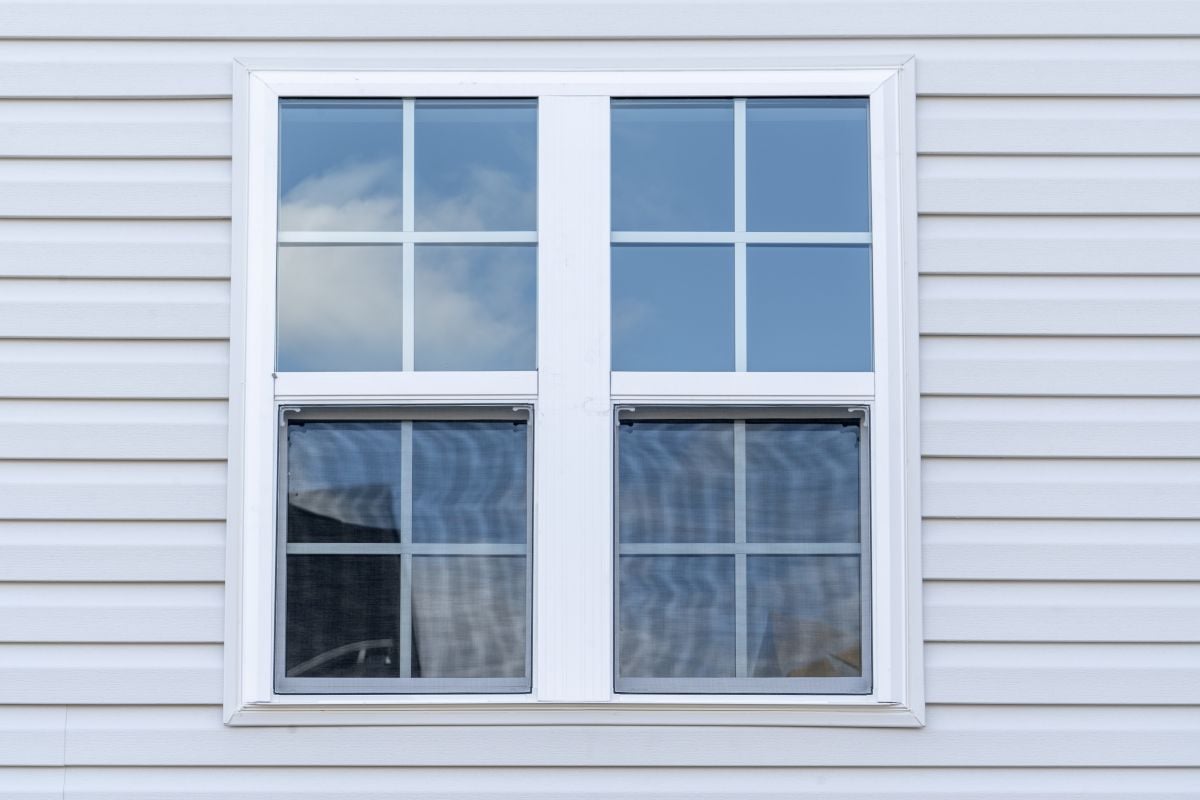
Vinyl windows are available in a wide range of styles beyond the basic double hung design most homeowners picture first. Choosing the right style affects both how a room feels and how well the window performs for ventilation and light.
- Single-hung windows: A fixed top sash and movable bottom sash offer a simple, budget friendly option.
- Double-hung windows: Both sashes slide vertically and tilt inward for easy cleaning, allowing air in from the bottom and out from the top.
- Casement windows: Crank outward for maximum unobstructed views and excellent airflow.
- Awning windows: Open outward from the top, providing ventilation even during light rain.
- Hopper windows: Hinged at the bottom and open inward, good for compact ventilation in smaller spaces.
- Picture windows: Large, fixed panes designed for maximizing light and views without opening.
- Bay windows: Multiple panels that project outward, adding interior space and natural light.
Matching the right style to each room often makes a bigger difference in comfort and energy performance than homeowners expect. Many homeowners throughout La Crosse and surrounding areas mix styles, using picture or bay windows in living spaces and double-hung or casement windows in bedrooms and kitchens.
Vinyl vs. Wood vs. Fiberglass Windows
Seeing how vinyl compares to the other two most common window materials often makes the decision easier than reading about each one separately, especially once cost and long term maintenance both enter the conversation. The table below summarizes the differences homeowners care about most when choosing between them.
| Feature | Vinyl | Wood | Fiberglass |
| Upfront cost | Lowest | Highest | Moderate to High |
| Maintenance | Minimal | High | Minimal |
| Insulation | Good to Excellent | Good | Excellent |
| Durability | High | Moderate | Very High |
| Style flexibility | Moderate | High | High |
No single material wins in every category, which is why the right choice often comes down to budget, climate, and how much customization a homeowner wants out of a finished project. Vinyl tends to be the practical middle ground for homeowners who want strong performance without the higher price tag of fiberglass or the upkeep demands of wood.
Frequently Asked Questions About Vinyl Replacement Windows
Homeowners comparing vinyl replacement windows for the first time tend to ask a similar set of questions before moving forward. Here are answers to the ones we hear most often.
How long do vinyl replacement windows typically last?
Quality vinyl windows commonly last 20 to 30 years with only basic cleaning and occasional hardware maintenance.
Are vinyl windows less energy efficient than fiberglass?
Vinyl windows perform very well for insulation, though fiberglass can offer a slight edge in extreme climates due to its structural rigidity and thinner frame profiles.
Can vinyl windows be painted a different color later?
Vinyl is generally not meant to be painted since the color runs through the material itself, though some specialty paints exist for homeowners wanting a different look.
Do vinyl windows come in different styles?
Yes, vinyl windows are available in double hung, casement, sliding, and other common styles, with a range of grille patterns, colors, and hardware finishes to match most home styles and architectural preferences.
How much does a typical vinyl window replacement project cost?
Costs vary widely based on window size, glass package, and quantity, but vinyl generally remains the most budget friendly option compared to wood or fiberglass.
What is the difference between full-frame and pocket replacement windows?
Full-frame replacement removes the old window and frame entirely for a completely fresh installation, while pocket, or insert, windows fit inside the existing frame without removing trim, which is often faster and more affordable when the existing frame is in good shape.
Hopefully these answers help clarify what to expect as you plan your own window replacement project.
Start Your Vinyl Window Replacement Project
Vinyl replacement windows offer a rare combination of affordability, energy efficiency, and low maintenance that makes them a smart choice for most homes. Whether you are replacing a single window or updating an entire house, understanding the cost factors and benefits ahead of time leads to a much smoother project and a more predictable budget. Puetz Construction has helped homeowners throughout La Crosse and surrounding areas choose and install vinyl windows that fit their home and their budget. If you are ready to explore your options, contact us today to get started.
Fresh From our Blog