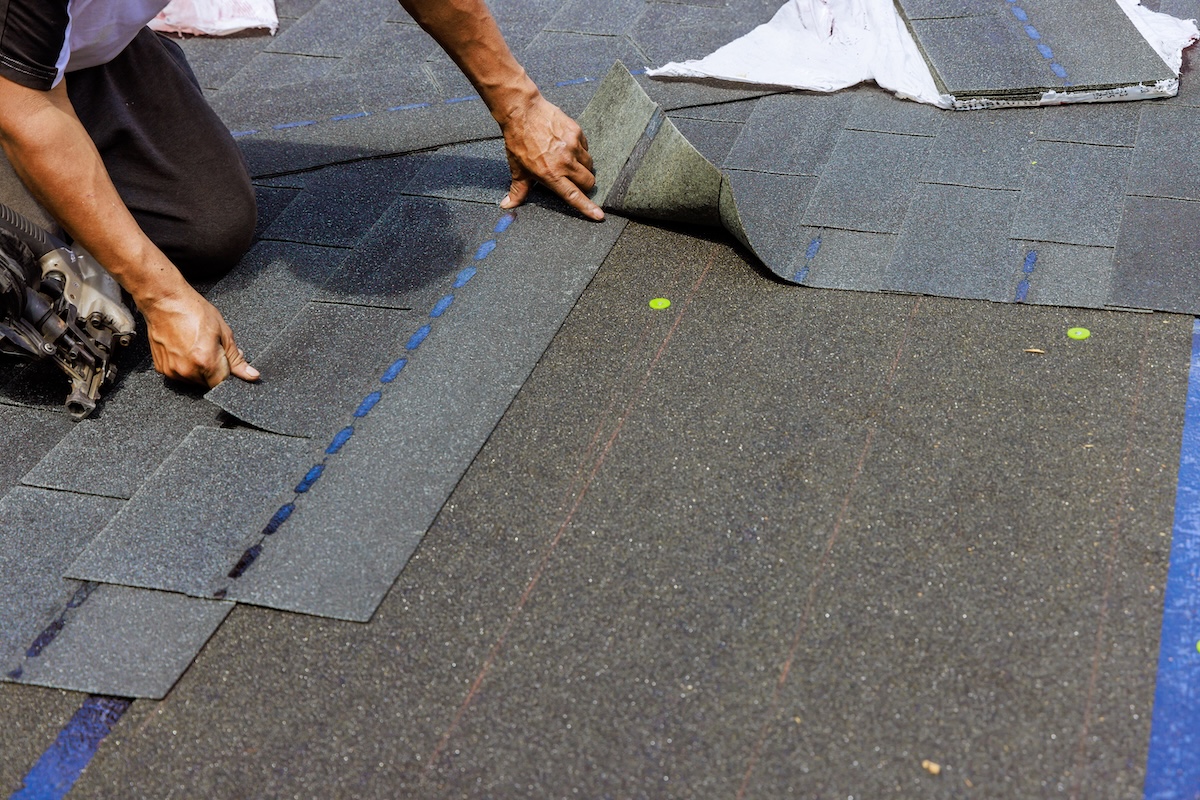
What Are Starter Shingles? Installation Tips for Homeowners
Puetz Construction | 8 Minute Read
If you’re planning a roof replacement or even minor repairs, you’ve likely come across the term what are starter shingles and wondered what role they play. Starter shingles might not get the same attention as the visible top layer of shingles, but they’re one of the most important elements in ensuring your roof performs well for decades. Without them, your roof is more vulnerable to leaks, wind damage, and premature deterioration—especially in regions like Mankato and surrounding areas, where harsh weather is common.
When you invest in your roof, every component matters—from ventilation and flashing to the first layer of shingles that sets the foundation. Understanding how starter shingles work helps you make smarter decisions about materials, installation, and long-term roof protection. To learn more about how these components tie into a complete system, explore how our roofing experts ensure long-term performance with every installation.
In this guide, you’ll learn:
- What starter shingles are and how they differ from regular shingles
- Why proper installation is critical for roof performance
- Common mistakes to avoid during installation
- How professionals ensure durability and weather resistance
- Tips for choosing the right starter shingles for your home
Why Starter Shingles Matter for Every Roof
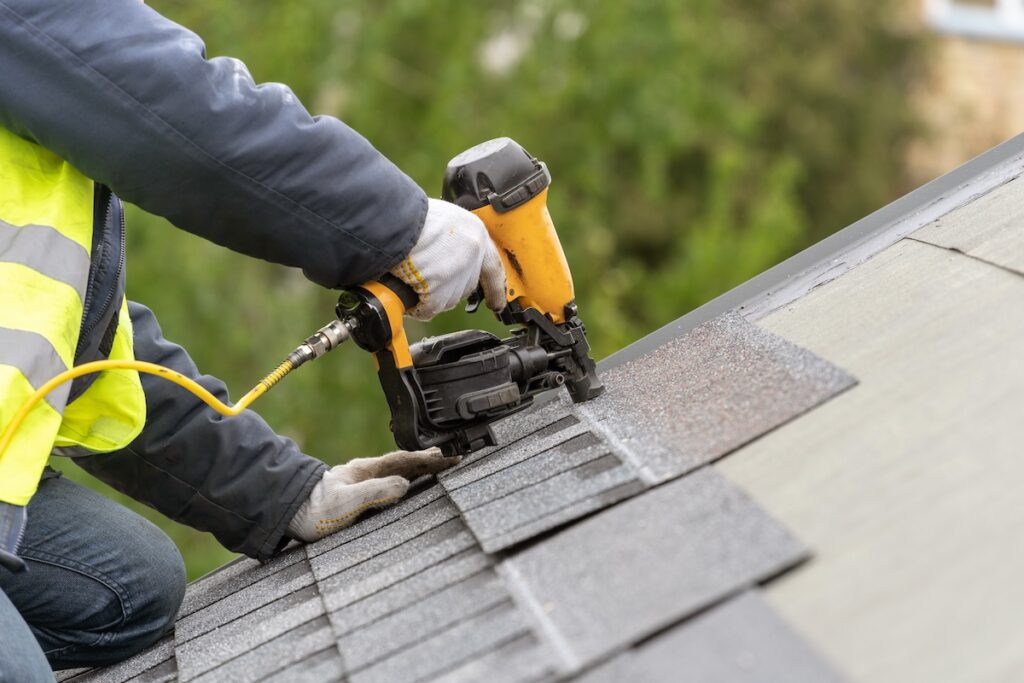
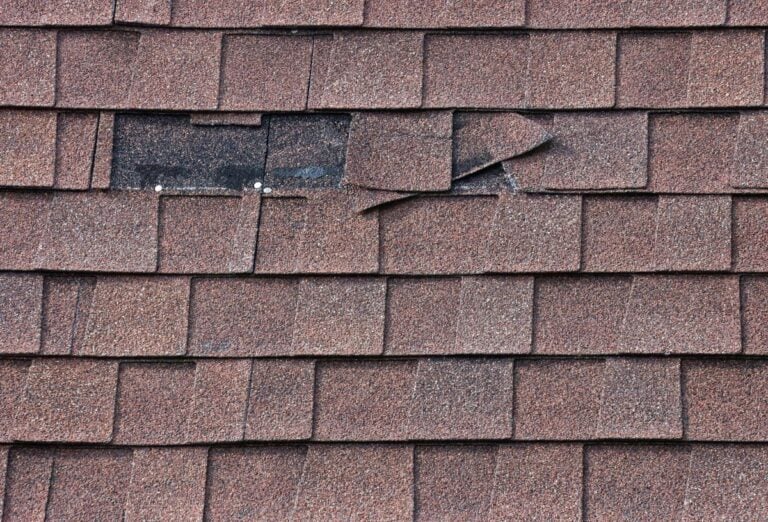
Starter shingles may be hidden beneath your main roof layer, but their purpose is far from minor. They create the waterproof and wind-resistant foundation that keeps everything above them intact. Without starter shingles—or with poorly installed ones—your roof can quickly become susceptible to edge damage, leaks, and shingle blow-offs.
Here’s why they matter so much:
- Weather Protection: Starter shingles seal the most vulnerable parts of your roof, especially at the eaves and rakes where wind and rain hit first.
- Improved Adhesion: Their factory-applied adhesive strip bonds with the first course of main shingles, helping lock everything together.
- Wind Resistance: They provide a secure grip that prevents wind from lifting shingles during storms, reducing the risk of expensive roof damage.
- Leak Prevention: By sealing the gaps where water tends to pool or infiltrate, they protect against leaks caused by driving rain or melting snow.
- Enhanced Longevity: A properly installed starter course extends the lifespan of your roof by ensuring the system functions as designed.
What Starter Shingles Actually Do (And How They Work)
Although they look similar to regular shingles, starter shingles serve a different purpose in your roof’s design. Think of them as the unsung heroes that ensure everything above them stays in place.
The Foundation Layer
Starter shingles form the first layer of protection at the roof’s edge. They’re installed beneath the first row of standard shingles and act as a continuous barrier that blocks water infiltration.
They help:
- Create a tight seal along roof edges
- Direct water away from the fascia and eaves
- Reinforce the bond with the main shingle layer
Precut or Rolled Design
Starter shingles are manufactured specifically for the base layer of your roof. They usually come precut to the right width, saving installation time and reducing waste. Some contractors used to cut regular shingles in half to make starter rows, but modern products are designed to perform better and adhere more consistently.
Adhesive Seal Strip
Perhaps the most critical component of a starter shingle is the adhesive strip. This tar-like material is positioned near the edge of the shingle and becomes activated by heat from the sun after installation. Once bonded, it creates a powerful seal that resists wind uplift.
Double Coverage at the Eaves and Rakes
Starter shingles are installed along both the eaves (the lower edge of your roof) and the rakes (the angled edges). This dual placement prevents wind-driven rain from sneaking under the top shingles—a common problem when roofs are built without a proper starter course.
Hidden But Vital
You’ll never see your starter shingles once your roof is complete, but they’re doing the heavy lifting beneath the surface. The combination of secure adhesion, alignment, and waterproofing sets the stage for the rest of the roof to perform as intended.
6 Steps to Install Starter Shingles the Right Way
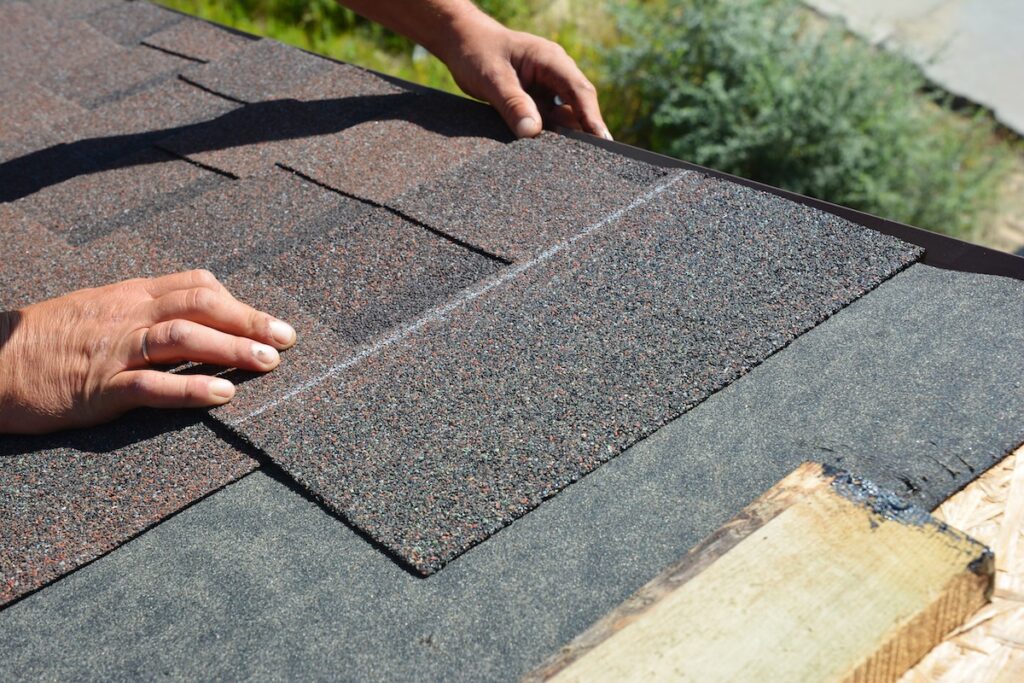
Installing starter shingles properly is key to achieving a watertight, wind-resistant roof. While homeowners in Mankato and surrounding areas may appreciate knowing how it’s done, this job is best left to professionals due to its precision and importance. Here’s a look at the process.
1. Prepare the Roof Deck
Before installing any shingles, roofers inspect and clean the roof deck to ensure it’s smooth, dry, and structurally sound. Any old nails, debris, or damaged decking must be removed to prevent uneven surfaces.
Prep checklist:
- Remove all old roofing materials
- Inspect for rot or soft spots
- Apply underlayment and drip edge
2. Install Drip Edge
A metal drip edge is placed along the eaves to help direct rainwater into the gutters. This small step makes a big difference in keeping your roof and fascia dry. The drip edge also provides a clean, straight line to align the starter shingles.
3. Align Starter Shingles
Contractors begin at the bottom edge of the roof, aligning starter shingles so the adhesive strip faces upward and slightly overhangs the drip edge by about half an inch. This overhang helps direct water off the roof rather than letting it run down behind the fascia board.
4. Secure and Seal
Starter shingles are nailed down according to manufacturer specifications—typically 3 to 4 nails per shingle. The adhesive strip then bonds with the bottom edge of the first layer of main shingles, creating a watertight seal.
5. Repeat at the Rakes
The same process is repeated along the rake edges (the slanted sides of the roof). This ensures consistent coverage and prevents wind-driven rain from entering beneath the shingles.
6. Quality Check
Before moving on, professional roofers double-check alignment and ensure that all edges are properly sealed. Poor placement or gaps in this first course can affect the entire roofing system.
Common Mistakes Homeowners Should Avoid
Even a small mistake in installing starter shingles can lead to long-term issues. Below are the most frequent errors professionals encounter when inspecting roofs that have been improperly installed.
- Skipping the Starter Course: Some older installations rely only on the first row of regular shingles, leaving gaps that invite water infiltration.
- Incorrect Overhang: Too little or too much overhang can cause water to run behind gutters or drip down fascia boards.
- Using Cut Regular Shingles: While it was once common to cut 3-tab shingles in half for the starter layer, these don’t include the adhesive strip that’s essential for sealing.
- Poor Alignment: Misaligned starter shingles can throw off the entire roof pattern, making it harder to install subsequent rows evenly.
- Neglecting Rake Edges: Forgetting to install starter shingles along the rakes leaves a major vulnerability for wind-driven rain.
Pro Tip: Always confirm that your contractor uses manufacturer-designed starter shingles that match your roof system. This ensures compatibility and helps maintain your material warranty.
Choosing the Right Starter Shingles for Your Roof
Not all starter shingles are the same. The best choice depends on your roof’s slope, shingle type, and local weather conditions. In Mankato and surrounding areas, where strong winds and seasonal temperature swings are common, it’s especially important to choose a product built for durability.
Types of Starter Shingles
| Type | Description | Best Use |
| Pre-Cut Starter Strips | Factory-cut to match shingle width and include adhesive seal strips. | Modern homes with asphalt shingles. |
| Roll Starter Material | Comes in a roll for easy application on large roofs. | Quick installations or re-roofing projects. |
| Custom Starter Shingles | Cut from designer or architectural shingles to maintain color consistency. | High-end aesthetic roofs where appearance matters. |
Material Compatibility
Starter shingles should always match the type and brand of your primary shingles. For example, if you’re using architectural shingles from GAF or IKO, choose starter strips from the same manufacturer to ensure adhesive compatibility.
Climate Considerations
In areas with cold winters and strong winds, opt for starter shingles that feature high adhesive strength and flexibility in lower temperatures. Some premium products are specifically designed to resist uplift in high-wind zones.
Professional Installation
While some homeowners consider DIY roof projects, the starter shingle layer is one area best handled by experienced roofers. Professionals know how to balance the right overhang, nail placement, and sealing techniques to create a seamless foundation.
Maintenance and Inspection
Even after installation, it’s smart to inspect your roof edges annually. Look for signs of lifted shingles, missing sealant, or water stains on fascia boards. Catching small issues early can prevent major repairs later.
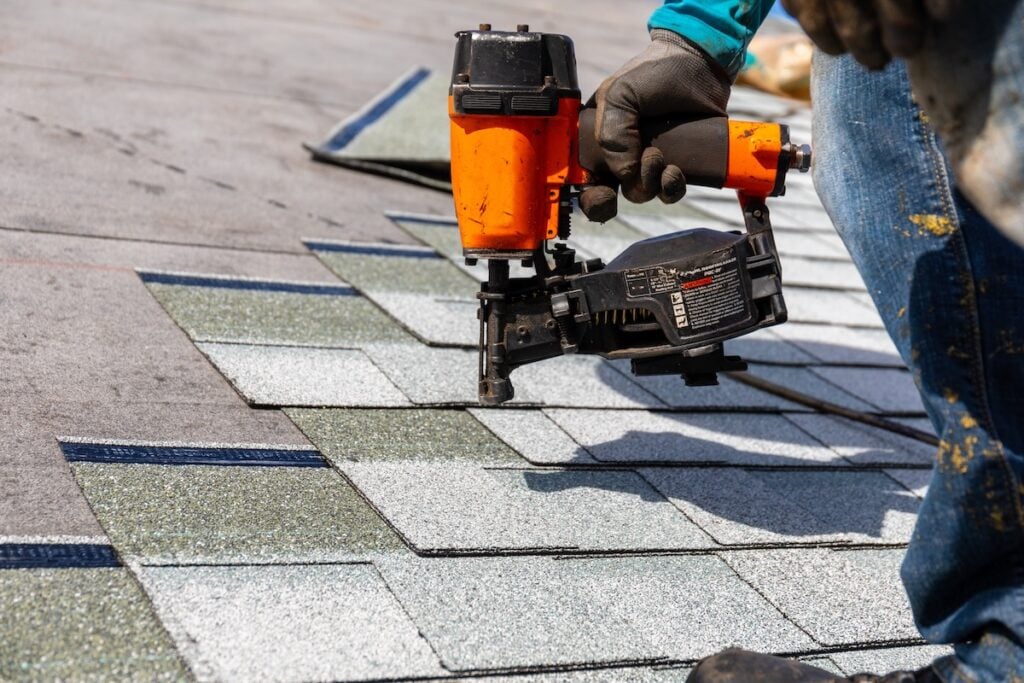
Invest in a Roof That Lasts
Starter shingles might be small in size, but their role in protecting your home is huge. They provide the first line of defense against the elements, anchoring your entire roofing system with stability and strength. For homeowners in Mankato and surrounding areas, where wind, snow, and rain put roofs to the test each year, ensuring proper installation and material quality is essential.
At Puetz Construction, we understand that every roof component matters—from the foundation layers you don’t see to the shingles that define your home’s curb appeal. Our team combines industry-leading materials, precise installation techniques, and a commitment to craftsmanship that has earned the trust of homeowners across southern Minnesota.
If you’re replacing your roof or simply want to make sure it’s built to last, don’t overlook the importance of starter shingles. They set the tone for a durable, watertight roofing system you can rely on for years to come. To schedule an inspection or consultation, contact us today and let Puetz Construction help you protect your home from the ground up.
Fresh From our Blog