

How Long Do Windows Last? 8 Signs It’s Time to Replace
Written By: Puetz Construction | November 13, 2026 | 8 Minute Read

Windows work hard every day, keeping out cold, heat, rain, and noise while letting in light. Over time, even quality windows wear out, and it is not always obvious when they have reached the end of their useful life. Understanding the answer to how long do windows last helps you plan ahead, budget wisely, and avoid paying for wasted energy. The answer depends on the frame material, installation quality, and climate. With the right information, you can tell whether your current windows have years left or whether it is time to start exploring a smarter upgrade for your home.
Here’s what this guide breaks down:
- Typical window lifespans by frame material
- Eight signs your windows are ready for replacement
- What shortens or extends a window’s life
- How to decide between repair and replacement

What to Expect From Each Window Material
Most residential windows last somewhere between 15 and 40 years, but that range is wide for a reason. Frame material plays the biggest role, followed closely by how well the windows were installed and how harsh the local climate is. In Rochester and surrounding areas, freezing winters and humid summers put windows through a demanding cycle every year.
Here are commonly cited lifespans for the most popular frame materials:
- Vinyl: Typically lasts 20 to 40 years. Quality vinyl holds up well, though lower-grade frames can warp or become brittle sooner in extreme temperature swings.
- Wood: Can last 30 years or more with consistent painting, sealing, and repairs. Without regular care, wood can deteriorate much faster.
- Fiberglass and composite: Often last 30 to 50 years. These materials resist rot and stay stable through freeze-thaw cycles.
- Aluminum: Usually lasts around 15 to 25 years. Aluminum is durable but conducts cold, which can lead to condensation and seal wear in cold climates.
For a deeper look at the numbers, this guide to how long different window materials last offers additional detail. Keep in mind that these are averages, and your windows may wear out sooner or last longer depending on their quality and care.
8 Signs It’s Time to Replace Your Windows
Age alone does not always tell the whole story. Some windows show clear signs of wear well before their expected lifespan, while others keep performing for decades. Watching for these warning signs helps you replace windows before small problems turn into bigger ones.
1. Noticeable Drafts
If you feel cold air near closed windows, seals and weatherstripping may be failing. Drafts make rooms uncomfortable and force your heating system to work harder.
- Curtains move even when windows are shut
- Certain rooms feel colder than others
- You can see daylight around the sash
2. Difficulty Opening or Closing
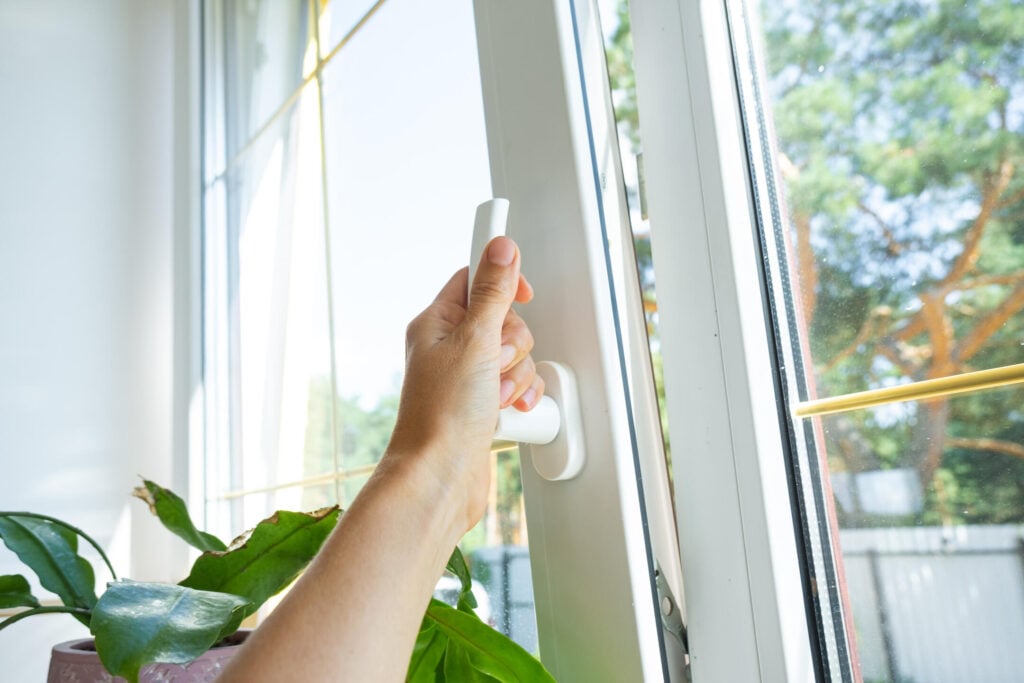
Windows that stick, will not stay open, or refuse to lock properly are more than an inconvenience. Operating problems can signal warped frames, worn hardware, or shifting in the opening.
Windows that do not open easily can also become a safety concern in an emergency.
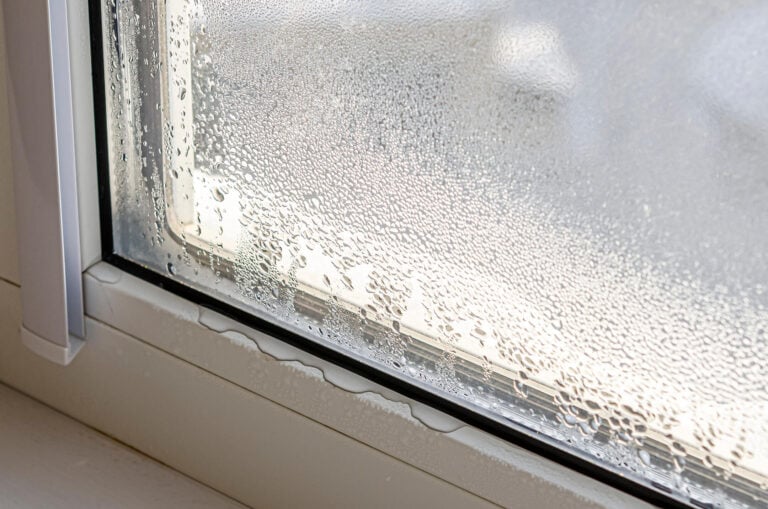
3. Fog or Condensation Between the Panes
Moisture trapped between panes of glass means the seal on the insulated glass unit has failed. Once that happens, the window loses much of its insulating value.
This fog usually cannot be wiped away and tends to get worse over time.
4. Rot, Warping, or Frame Damage
Soft spots, peeling paint, cracks, or warped frames are signs that a window is deteriorating. Wood frames are especially prone to rot, while vinyl can warp with age and heat.
- Check sills and lower corners closely
- Press gently on wood to test for softness
- Look for gaps between the frame and wall

5. Rising Energy Bills
If your heating and cooling costs keep creeping up without another clear explanation, aging windows may be part of the problem. Older or failing windows allow more heat to escape in winter and enter in summer.
6. Excess Frost or Ice on the Glass
Some winter condensation is normal, but heavy frost or ice building up on the inside of the glass suggests the window is not insulating well. Over time, that moisture can damage sills, drywall, and finishes.
7. More Outside Noise
Windows that once kept your home quiet may start letting in more traffic, wind, and neighborhood noise as seals weaken and frames loosen.
This is often a gradual change that homeowners notice only after comparing rooms with newer windows.
8. Outdated Single-Pane Glass
If your home still has single-pane windows or older double-pane units without modern Low-E coatings, you are likely missing out on major comfort and efficiency improvements.
Today’s windows are far more energy efficient than those installed even 20 years ago.
If you are seeing several of these signs at once, it is usually a strong indicator that replacement will pay off. A quick professional evaluation can confirm which windows need attention now and which still have life left.
What Affects How Long Your Windows Last
Two windows made from the same material can have very different lifespans. Understanding the factors that influence longevity helps you get the most from your current windows and make smarter choices for future ones.
Here are the biggest factors to consider:
- Installation quality: Even the best window will fail early if it is not installed square, sealed properly, and flashed to keep out water. Installation is one of the most important factors in long-term performance.
- Climate and temperature swings: In Rochester and surrounding areas, repeated freezing and thawing, intense summer sun, and high humidity all stress frames and seals over time.
- Sun exposure: South and west-facing windows absorb more heat and UV light, which can break down seals and finishes faster.
- Maintenance habits: Cleaning tracks, checking caulk, and keeping weep holes clear can add years to a window’s life. Wood windows also need regular painting or sealing.
- Product quality: Thicker frames, better hardware, and quality glass packages tend to last longer than budget options.
Paying attention to these factors can help you stretch the life of your current windows. When it is time to replace, choosing quality products and an experienced installer helps ensure your new windows reach their full lifespan.
Repair or Replace? Making the Right Call
Not every window problem requires full replacement. Some issues can be repaired affordably, while others signal that the window has simply reached the end of its useful life.
| Situation | Repair Often Makes Sense | Replacement Often Makes Sense |
| Drafts | Weatherstripping or caulk is worn | Frames are warped or damaged |
| Foggy glass | One window in otherwise good shape | Multiple windows are failing |
| Operating issues | Hardware or balance needs replacing | Frame is out of square or rotted |
| Age | Windows are under 15 years old | Windows are 20 or more years old |
| Energy bills | One or two problem windows | Whole-house efficiency is poor |
Planning Ahead for New Windows
Window replacement is easier when you plan ahead rather than waiting for a failure. Many homeowners schedule an evaluation in late fall or winter to map out a project for the coming year. Professional installers can also replace windows during colder months by working one opening at a time to limit heat loss.
If you are ready to compare materials and features, our guide to the best replacement windows for Minnesota homes is a helpful next step. When you want an expert opinion on your current windows, you can schedule an in-home window evaluation with our team.
Frequently Asked Questions About How Long Windows Last
Homeowners often have similar questions when deciding whether their windows are due for replacement. Here are answers to some of the most common ones.
What is the average lifespan of a window?
Most windows last 15 to 40 years, depending on the frame material, installation quality, climate, and maintenance. Fiberglass and composite windows tend to last the longest.
How long do vinyl windows last?
Quality vinyl windows typically last 20 to 40 years. Lower-grade vinyl may warp or become brittle sooner, especially in climates with extreme temperatures.
Can I replace just a few windows at a time?
Yes. Many homeowners replace the windows in the worst condition first and complete the rest over time. However, replacing several windows together can sometimes lower overall project costs.
Do new windows really lower energy bills?
Replacing old, drafty, or single-pane windows with energy-efficient models can help reduce heating and cooling costs and improve comfort throughout the year.
Can windows be replaced in winter?
Yes. Experienced installers can replace windows in cold weather by working on one opening at a time, keeping heat loss inside the home to a minimum.
If your windows are showing their age, there is no reason to wait until a failure forces a rushed decision. Our team is happy to look at your windows and give you an honest assessment of their condition.
Plan Your Window Upgrade With Confidence
Knowing how long windows last and recognizing the warning signs puts you in control of your home’s comfort and energy costs. Replacing windows at the right time protects your home from drafts, moisture damage, and rising utility bills.
Puetz Construction helps homeowners in Rochester and surrounding areas evaluate their windows, compare options, and plan replacement projects with honest guidance and quality installation. Whether you need one window replaced or a whole-house upgrade, we are ready to help you get started. Do not let another winter of drafts and high heating bills go by. Contact us today to schedule a consultation and take the first step toward a more comfortable, efficient home.
Fresh From our Blog