
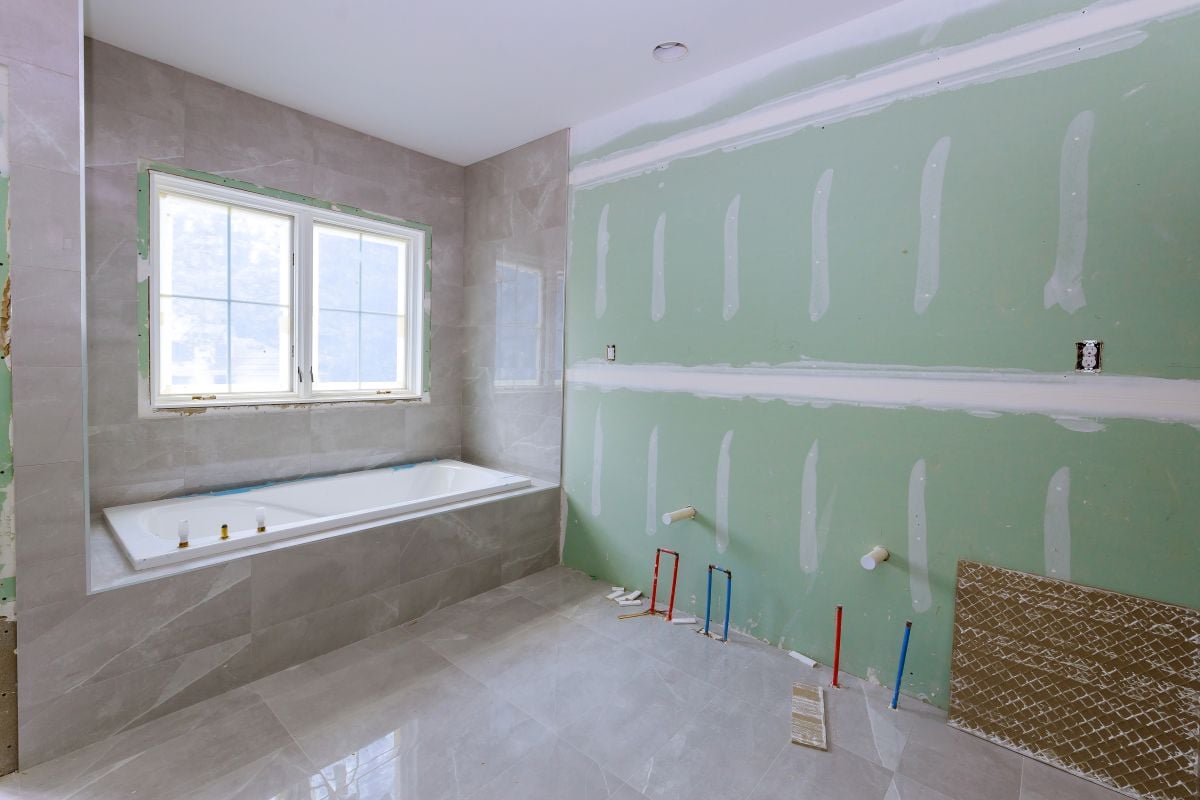
Bathroom Remodel Cost: 5 Factors That Affect Your Budget
Written By: Puetz Construction | October 7, 2026 | 9 Minute Read

Few rooms in the home are remodeled as often as bathrooms, and few generate as many questions about price before the first tile ever gets picked out. Understanding realistic bathroom remodel cost ranges before choosing fixtures and finishes helps homeowners set a budget that matches their goals instead of guessing along the way. For homeowners in Preston and surrounding areas exploring options for their next project, knowing what drives the price up or down can make the whole process feel far more manageable.
Here is a quick look at what this guide covers:
- Why understanding bathroom remodel costs matters before you start
- The main factors that drive the price up or down
- Where the money in a typical remodel actually goes
- How cost ranges compare between a refresh and a full gut remodel
- Answers to common questions about bathroom remodel budgets
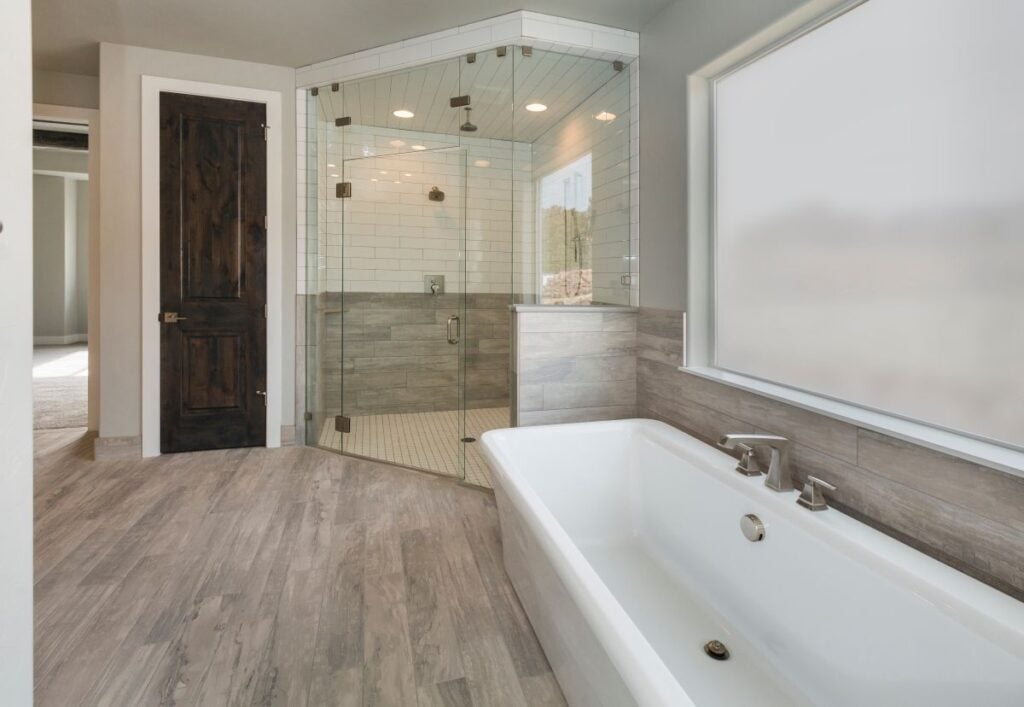
Why Knowing the Numbers Matters Before You Start
Starting a bathroom renovation without a realistic budget in mind is one of the easiest ways to end up frustrated partway through, whether that means running out of money before the project is finished or settling for finishes that miss the original vision. Understanding cost ranges upfront lets homeowners make informed choices about fixtures, tile, and floor plan instead of falling for options that quietly blow past what they meant to spend. For homeowners in Preston and surrounding areas planning an updated bathroom, that early clarity tends to make every later decision easier.
Getting a realistic sense of cost early tends to help in a few specific ways:
- Better budgeting: Knowing general price ranges prevents sticker shock once quotes start coming in.
- Smarter prioritizing: Understanding where money typically goes helps homeowners decide what to splurge on and where to save.
- More productive contractor conversations: A rough budget in mind leads to faster, more useful design discussions.
- Fewer surprises mid-project: Realistic expectations reduce the chance of a remodel stalling due to unexpected costs.
None of this requires having an exact number locked in before the first meeting. Even a general sense of scope and budget range makes it much easier to move from an idea to an actual plan.
5 Factors That Drive Bathroom Remodel Cost
Bathroom remodel costs vary widely depending on the size of the room and the quality of materials chosen, with a budget remodel often running $80 to $120 per square foot before labor and permits are added in. Below are five of the biggest factors that shape the final price of a typical project, regardless of bathroom size.
1. Fixtures
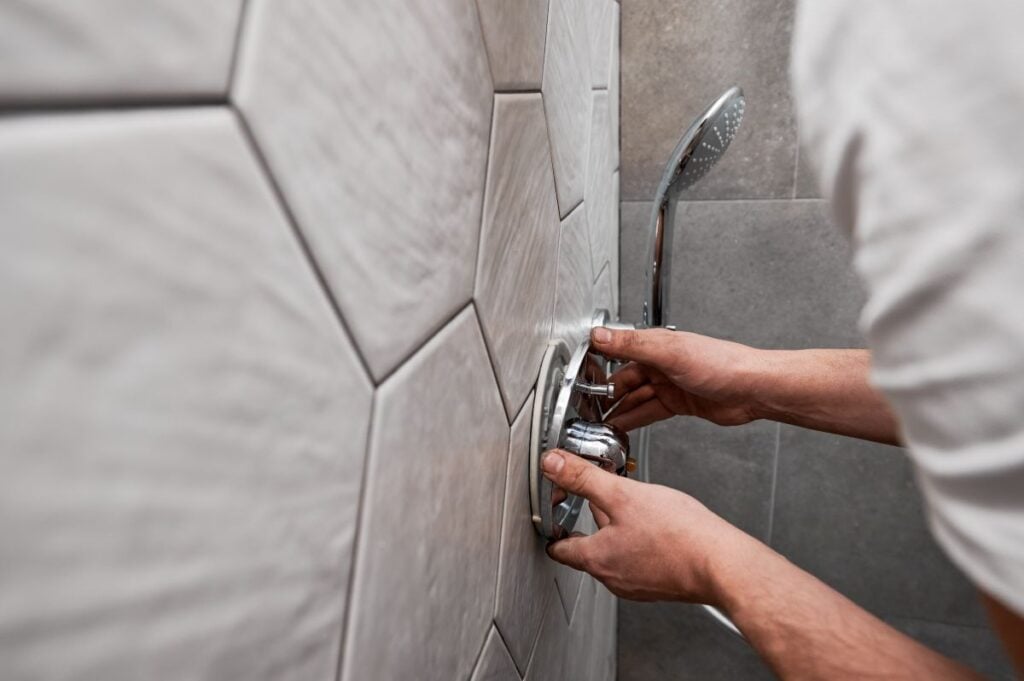
Toilets, sinks, faucets, and tubs come in a wide range of price points, and this category alone can shift a budget significantly. Toilets typically run $300 to $1,500, and even a shower varies enormously, from a prefabricated unit costing as little as $210 to a custom walk-in shower running $7,875 or more with premium tile and glass.
- Standard fixtures like low-flow toilets and drop-in sinks keep costs predictable and budget-friendly
- Luxury fixtures such as freestanding tubs, rain shower heads, or a custom shower add cost but also long-term appeal, while grab bars and other accessibility features add modest cost with real everyday value
Puetz Construction helps homeowners prioritize which fixtures matter most, since it is rarely necessary to splurge on every single one.
2. Tile and Flooring
Tile covers more surface area in a bathroom than almost any other material, from the shower walls to the floor, making it a meaningful cost driver. Bathroom flooring alone typically runs $700 to $4,200, and material choice, pattern complexity, and installation labor all affect the final price.
- Standard ceramic tile keeps costs lower than natural stone or large-format porcelain
- Intricate patterns like herringbone or mosaic accents add labor time and cost
Puetz Construction factors tile layout into the estimate early, since complex patterns take considerably longer to install than a simple grid.
3. Plumbing Moves
Keeping the toilet, sink, and shower within the existing layout keeps plumbing costs low, while relocating any of them means opening into the home’s plumbing systems, adding both material and labor expense. This is often one of the biggest hidden cost drivers in a bathroom remodel.
- Cosmetic updates within the existing plumbing footprint keep costs significantly lower
- Moving a toilet, tub, or shower drain often requires major structural changes to walls or floors, which adds real expense
Puetz Construction evaluates existing plumbing early in the process, since layout changes here often reveal costs that are easy to underestimate.
4. Vanity and Cabinetry
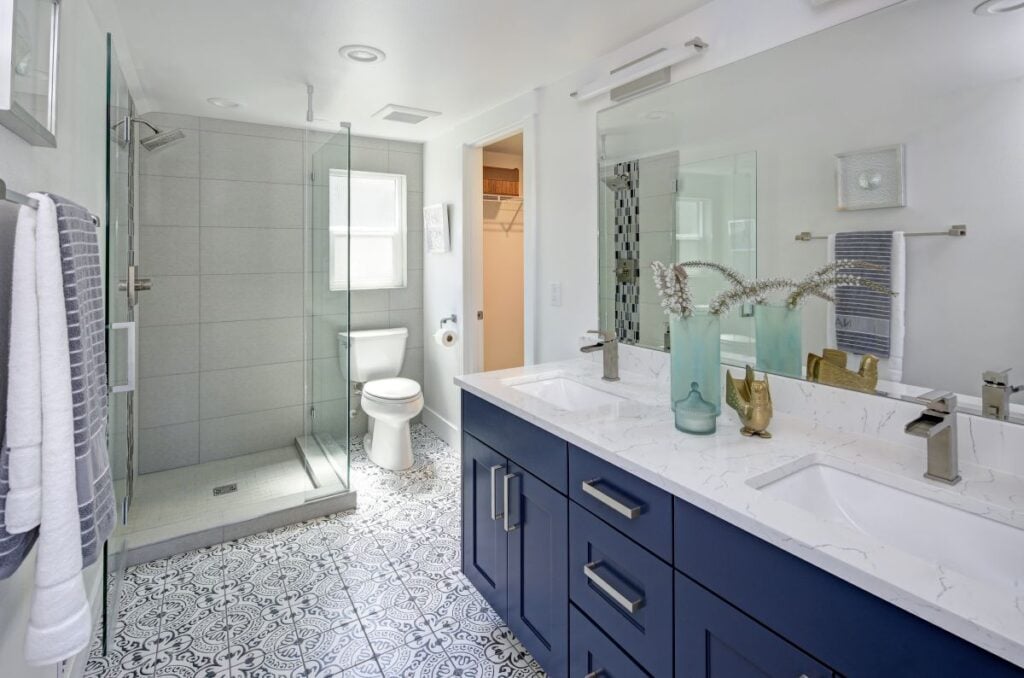
A vanity is often one of the more visible investments in a bathroom, and standard bathroom vanities typically cost $525 to $2,940, with custom or double vanities running higher. Options range from a simple prefabricated unit to a fully custom design with solid wood construction, and storage needs and countertop material also factor into total cost.
- Prefabricated vanities offer the most budget-friendly option
- Custom or semi-custom vanities, including double vanities with drop-in sinks, cost more but allow for tailored storage and sizing
Puetz Construction helps homeowners weigh storage needs against budget before settling on a vanity style, since this piece often anchors the rest of the design.
5. Labor and Permits
Labor typically accounts for 40 to 65 percent of total remodel expenses, making it the single largest factor in most budgets, and permit costs generally run $100 to $1,000 depending on scope. Projects that touch plumbing, electrical, or structural elements almost always require permits and inspections from a general contractor or licensed trades.
- Labor costs vary by region, with skilled labor shortages pushing prices higher in many markets and high-cost states like New York often running 20 percent above the national average
- Permit fees are a smaller cost but a necessary part of any legal remodel
Any one of these five factors can shift a budget significantly, but it is usually the combination of choices, not a single decision, that determines where a project ultimately lands.
Where the Money Typically Goes
Understanding roughly how a bathroom remodel budget breaks down by category can help homeowners plan more realistically before committing to specific finishes. While every project is different, most remodels follow a fairly predictable pattern of spending.
- Shower or tub: Often the single largest category, especially when a full tile surround or glass enclosure is involved.
- Cabinetry and vanity: A significant share of the budget, particularly for custom or semi-custom options.
- Labor and contractor costs: Usually the second or third-largest expense, reflecting the skilled trades involved.
- Tile and flooring: A highly visible category where material and pattern choice affect both look and cost.
- Fixtures, lighting, and finishing touches: Together they round out the budget and tie the whole design together.
Homeowners working with a smaller footprint often find that a small bathroom remodel can shift these proportions, since less square footage means less material but the same fixed labor and permit costs. Bathroom type affects return too: per Remodeling magazine’s Cost vs. Value report, a half bath or powder room typically runs $5,390 to $8,385 and returns 70 to 80 percent at resale, similar to a guest bathroom, while a full family bathroom yields 65 to 75 percent ROI and a primary bathroom, despite its higher material quality, tends to recoup a somewhat lower 55 to 65 percent, since luxury fixtures cost more than most buyers will pay extra for.
Cost Ranges by Scope: Refresh vs. Full Gut Remodel
The scope of a bathroom remodel has more impact on final cost than almost any other single factor, and understanding the difference between a light refresh and a full gut remodel helps set realistic expectations from the start. National data consistently shows a wide range depending on how much of the bathroom actually changes.
| Scope | Typical Cost Range | What It Usually Includes |
| Cosmetic refresh | $3,000 to $10,000 | Paint, hardware, fixtures, minor tile repairs |
| Mid-range remodel | $10,000 to $25,000 | New vanity, tile, flooring, updated fixtures |
| High-end renovation | $25,000 to $80,000 | Layout changes, custom cabinetry, premium materials throughout |
| Luxury remodel | $90,000 and up | Full gut renovation, heated floors, custom shower, top-tier materials |
These ranges reflect national averages, and actual costs in Preston and surrounding areas can vary based on the specific scope, materials, and any major structural changes involved. A conversation with a contractor and a walk-through of the space is the most reliable way to turn these general ranges into an accurate overall project cost for a specific bathroom.
Frequently Asked Questions About Bathroom Remodel Cost
Homeowners planning a bathroom remodel tend to ask similar questions about budget. Here are a few honest answers.
What is the average bathroom remodel cost?
National data puts the average bathroom remodel cost in the range of roughly $6,500 to $17,000, though full gut remodels with layout changes can run considerably higher.
Is a small bathroom remodel cheaper than a full-size one?
Generally, yes. Less square footage means less material, though labor and permit costs stay fairly similar regardless of room size.
Does moving plumbing always increase the cost significantly?
In most cases, yes. Relocating a toilet, sink, or shower drain requires opening walls or floors, which adds both material and labor expenses.
How can I get an accurate bathroom remodel estimate?
The most reliable way is a free estimate from a contractor who can walk through the space, discuss goals, and account for any structural or plumbing surprises specific to the home.
What is the biggest way to control bathroom remodel costs?
Keeping fixtures in their existing locations and choosing quality materials over premium ones are the two changes that most reliably keep a budget in check.
Can a DIY bathroom remodel save money?
To a point. Handling tasks like painting or demolition yourself and shopping sales on tile and fixtures can meaningfully cut material costs, though plumbing and electrical work is best left to licensed professionals.
Every bathroom and budget looks a little different, so these ranges are best treated as a starting point rather than a final number. Many homeowners also set aside a contingency fund of 10 to 20 percent of the overall remodeling budget, whether paying out of pocket or through financing like a home equity loan, to cover the surprises that come up in almost any renovation.
Get a Free Estimate for Your Bathroom Remodel
A bathroom remodel is a meaningful investment, and understanding realistic cost ranges upfront makes it far easier to plan with confidence instead of guesswork. From cosmetic refreshes to full gut renovations, the numbers covered here offer a solid starting point for homeowners in Preston and surrounding areas ready to plan their next bathroom project.
Puetz Construction offers remodeling and addition services built around each home’s layout, goals, and budget, and can walk through your bathroom to provide an honest, no-pressure estimate. If you are ready to talk numbers, contact us today for a free estimate on your bathroom remodel.
Fresh From our Blog