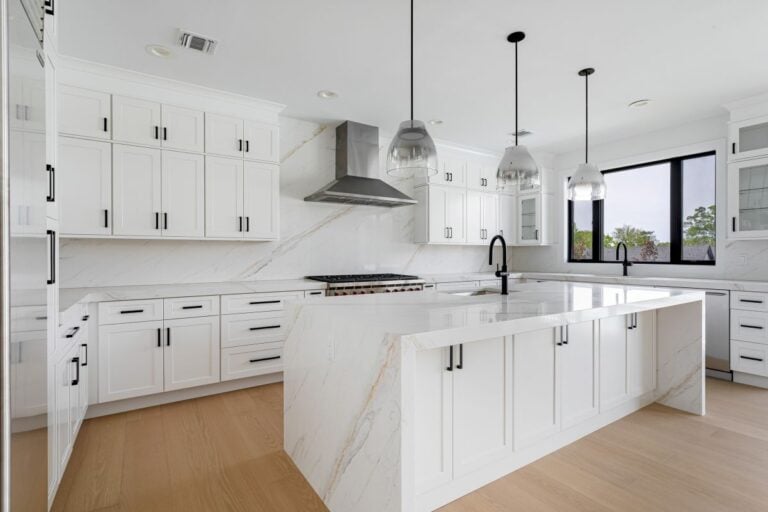

Kitchen Remodel Cost: What to Expect in 2026
Written By: Puetz Construction | October 5, 2026 | 9 Minute Read

Few questions come up earlier in the planning process than how much a project will actually cost, and kitchens are no exception. Understanding realistic kitchen remodel cost ranges before diving into design choices helps homeowners set a budget that matches their goals instead of guessing and hoping for the best. For homeowners in Austin and surrounding areas exploring options for their next project, knowing what drives the price up or down can make the entire process feel far less stressful.
Here is a quick look at what this guide covers:
- Why understanding kitchen remodel costs matters before you start
- The main factors that drive the price up or down
- Where the money in a typical remodel actually goes
- How cost ranges compare between a refresh and a full gut remodel
- Answers to common questions about kitchen remodel budgets
Why Knowing the Numbers Matters Before You Start
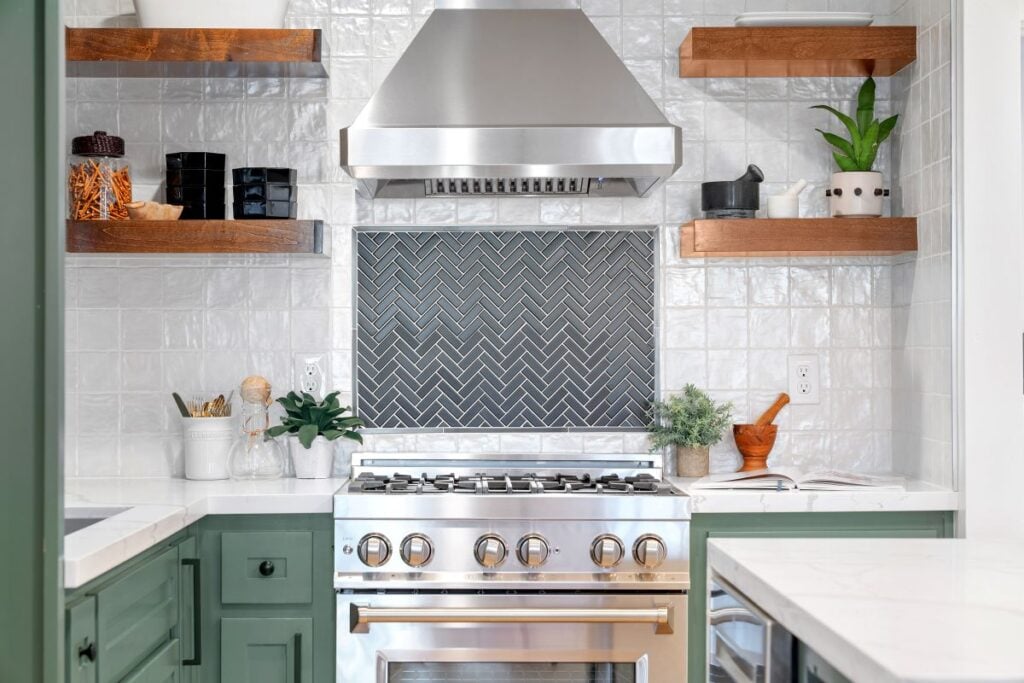
Walking into a kitchen remodel without a realistic budget in mind is one of the most common ways projects run into stress or stalled decisions partway through. Understanding cost ranges upfront lets homeowners make informed choices about cabinets, countertops, and layout changes instead of falling in love with finishes that blow past what they intended to spend. For homeowners in Austin and surrounding areas planning a remodel, this kind of early clarity tends to make the whole process smoother from the first conversation with a contractor.
Getting a realistic sense of cost early tends to help in a few specific ways:
- Better budgeting: Knowing general price ranges prevents sticker shock once quotes start coming in.
- Smarter prioritizing: Understanding where money typically goes helps homeowners decide what to splurge on and where to save.
- More productive contractor conversations: A rough budget in mind leads to faster, more useful design discussions.
- Fewer surprises mid-project: Realistic expectations reduce the chance of a remodel stalling due to unexpected costs.
None of this requires having an exact number locked in before the first meeting. Even a general sense of scope and budget range makes it much easier to move from an idea to an actual plan.
6 Factors That Drive Kitchen Remodel Cost
Kitchen remodel costs vary widely because so many individual decisions add up, from the size of the room to the quality of materials chosen. A small kitchen remodel with 10 to 15 linear feet of cabinetry, a medium kitchen with 20 to 25 linear feet, and large kitchen renovations with an oversized kitchen island and 30 or more linear feet all scale differently, since total cost climbs closely with square footage. Below are six of the biggest factors that shape the final price of a typical project, regardless of kitchen size.
1. Cabinetry
Cabinets are consistently the single largest expense in most kitchen remodels, since they involve both materials and detailed installation labor. Stock cabinets cost far less than semi-custom cabinets or fully custom options, and cabinet refacing offers a lower-cost middle ground for homeowners who want a fresh look without replacing the boxes entirely.
- Stock cabinets offer the most budget-friendly option with limited customization
- Semi-custom options and cabinet refacing can bridge the gap between budget and full custom work
Puetz Construction walks homeowners through cabinet options early, since this single decision has the biggest impact on the overall budget.
2. Countertops
Countertop material affects both upfront cost and long-term durability, with options ranging from budget-friendly laminate to premium natural stone. Even within a single material like quartz countertops, price can vary significantly based on color, pattern, and edge style, and choosing quality materials here tends to pay off in resale value later on.
- Laminate remains the most affordable option for tight budgets
- Quartz and granite cost more but offer greater durability and resale appeal
Puetz Construction helps homeowners compare countertop options side by side, since the visual difference between tiers is not always obvious from samples alone.
3. Appliances
Appliance packages can range from a few thousand dollars for basic models to well over ten thousand for a full suite of professional appliances. Keeping existing appliances in good working condition is one of the simplest ways to trim a budget, while newer features like induction cooking add cost but also efficiency. This is often one of the easiest categories to scale up or down depending on the overall budget.
- Mid-range appliance packages balance performance with reasonable cost
- High-end and professional-grade appliances significantly increase the total budget
Puetz Construction recommends deciding on an appliance budget early, since appliance dimensions often affect cabinet and counter layout.
4. Flooring
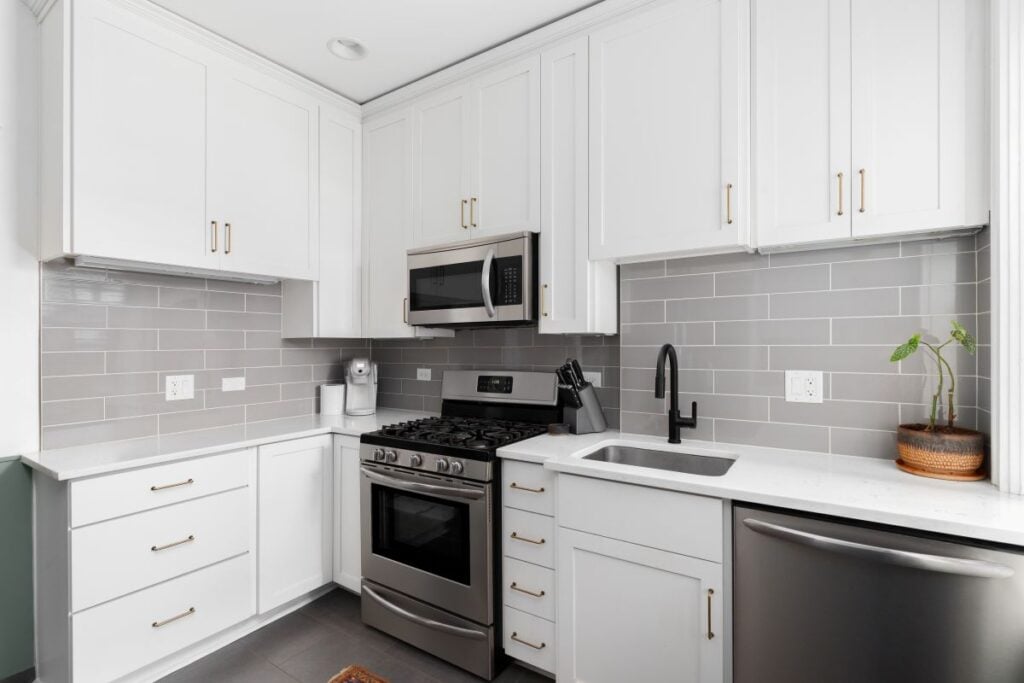
Kitchen flooring needs to handle heavy daily use, spills, and moisture, which affects both material choice and price. Options range from budget-friendly luxury vinyl to premium hardwood or large-format porcelain tile.
- Luxury vinyl plank offers durability at a lower price point
- Hardwood and natural stone cost more but add long-term value
Puetz Construction factors flooring into the overall project timeline, since some materials require more prep work than others.
5. Layout Changes and Structural Work
Keeping the existing layout in place is far less expensive than moving plumbing, electrical work, or walls to reconfigure the room. Homeowners considering a new kitchen layout for smarter layouts and more usable space, such as adding pantry pull outs or reworking the kitchen island, should expect this to be one of the biggest cost variables in the entire project.
- Cosmetic updates within the existing footprint keep costs significantly lower
- Moving plumbing, gas lines, or walls adds both material and labor costs
Puetz Construction evaluates structural and mechanical systems early, since layout changes often reveal additional work that needs to be priced into the budget.
6. Labor and Permits
Labor typically accounts for a substantial portion of any kitchen remodel budget, and local labor rates vary significantly by region, with recent labor shortages in the trades pushing prices higher in many markets. Premium markets like the Bay Area, Northern Virginia, and Kansas City tend to run well above the national average, while many Midwest markets, including Minnesota, see more moderate rates for comparable work. Projects that touch plumbing, electrical, or structural elements almost always require permits and inspections.
- Labor costs vary by region and by the complexity of the project, and precise measurements up front help avoid costly change orders later
- A kitchen designer or interior designer can help translate detailed plans into an accurate bid for larger projects
- Permit fees are a smaller cost but a necessary part of any legal remodel
Any one of these six factors can shift a budget significantly, but it is usually the combination of choices, not a single decision, that determines where a project ultimately lands.

Where the Money Typically Goes
Understanding roughly how a kitchen remodel budget breaks down by category can help homeowners plan more realistically before committing to specific finishes. While every project is different, most remodels follow a fairly predictable pattern of spending.
- Cabinetry and hardware: Typically the largest single category, often around a quarter to a third of the total budget.
- Labor and installation: Usually the second-largest expense, reflecting the skilled work involved in a full remodel.
- Appliances: A meaningful share of the budget, with wide variation depending on quality tier.
- Countertops and backsplash: A smaller but highly visible category where material choice affects both look and cost.
- Flooring, lighting, and finishing touches: Together they round out the budget and tie the whole design together.
Homeowners exploring kitchen remodel ideas often find it helpful to decide which of these categories matter most to them personally before finalizing a budget, since prioritizing one area usually means trimming back on another.
Cost Ranges by Scope: Refresh vs. Full Gut Remodel
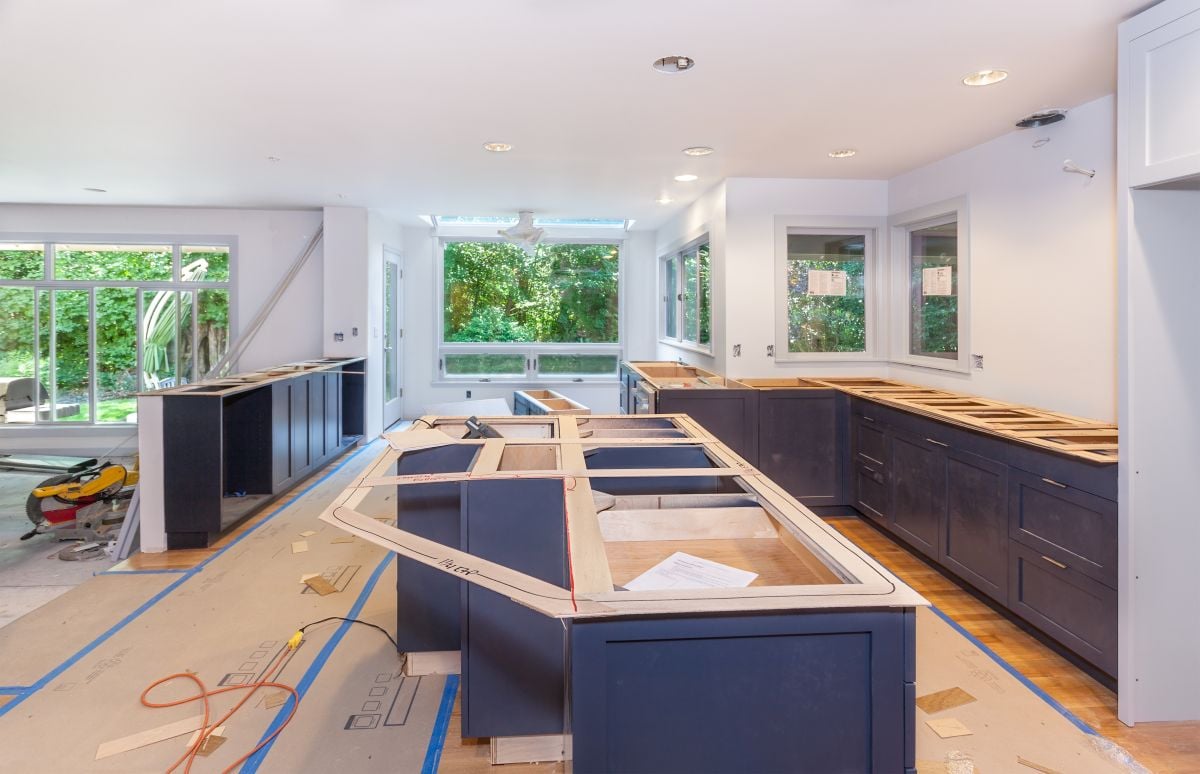
The scope of a kitchen remodel has more impact on final cost than almost any other single factor, and understanding the difference between a light refresh and a full gut remodel helps set realistic expectations from the start. National data consistently shows a wide range depending on how much of the kitchen actually changes.
| Scope | Typical Cost Range | What It Usually Includes |
| Cosmetic refresh | $10,000 to $20,000 | Paint, hardware, backsplash, select new appliances |
| Mid-range remodel | $20,000 to $65,000 | New cabinets, countertops, flooring, full appliance package |
| Full gut remodel | $65,000 to $130,000 or more | Layout changes, custom cabinetry, premium finishes throughout |
These ranges reflect national averages, and actual costs in Austin and surrounding areas can vary based on the specific scope, materials, and any structural work involved. A conversation with a contractor and a walk-through of the space is the most reliable way to turn these general ranges into an accurate number for a specific kitchen.
Frequently Asked Questions About Kitchen Remodel Cost
Homeowners planning a kitchen remodel tend to ask similar questions about budget before getting started. Here are a few honest answers.
What is the average kitchen remodel cost?
National data puts the average kitchen remodel cost at roughly $27,000, though minor kitchen remodels can start well below that, and most homeowners land somewhere between $15,000 and $40,000 depending on scope and materials.
Is it cheaper to keep the existing kitchen layout?
Yes. Keeping plumbing, electrical, and walls in their current positions avoids significant labor and material costs compared to a full layout change.
Does a kitchen remodel actually pay for itself at resale?
Kitchen remodels often recoup a strong percentage of their cost at resale, though the exact return depends on the scope of the project and local market conditions.
How can I get an accurate kitchen remodel estimate?
The most reliable way is a free estimate from a contractor who can walk through the space, discuss goals, and account for any structural or mechanical surprises specific to the home.
What is the biggest way to control kitchen remodel costs?
Keeping the existing layout and choosing mid-range materials over premium ones are the two changes that most reliably keep a budget in check.
Every kitchen and budget looks a little different, so these ranges are best treated as a starting point rather than a final number.
Get a Free Estimate for Your Kitchen Remodel
A kitchen remodel is a significant investment, and understanding realistic total cost ranges upfront makes it far easier to plan with confidence instead of guesswork. Many homeowners find that a rough project cost range, paired with a short list of priorities, is all it takes to move from cosmetic refreshes to full gut remodels with real confidence, and the numbers covered here offer a solid starting point for homeowners in Austin and surrounding areas ready to plan their next kitchen project.
Puetz Construction offers remodeling and addition services built around each home’s layout, goals, and budget, and can walk through your kitchen to provide an honest, no-pressure estimate. If you are ready to talk numbers, contact us today for a free estimate on your kitchen remodel.
Fresh From our Blog