
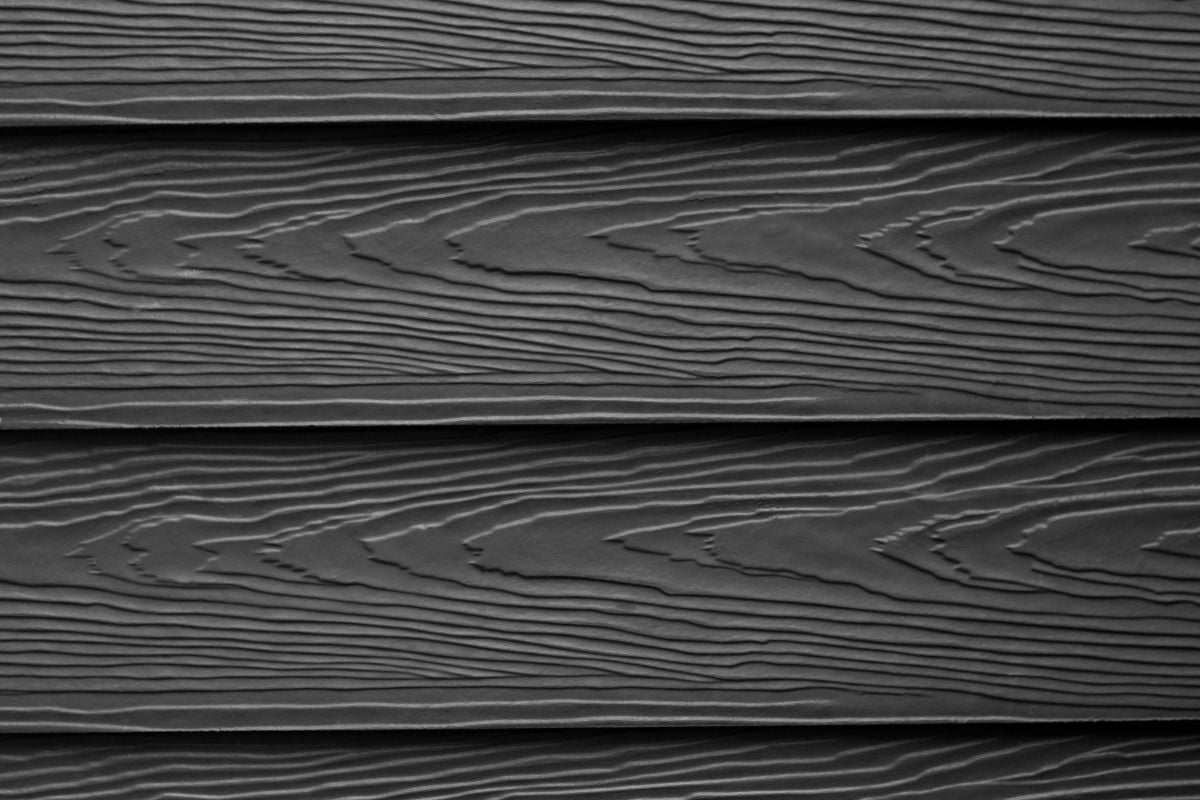
Black Siding House: 7 Design Ideas for Modern Homes
Written By: Justin Puetz | July 3, 2026 | 10 Minute Read

Few exterior choices make a statement quite like black siding. What was once considered unconventional has become one of the most sought-after looks in residential design, showing up on everything from farmhouse renovations to contemporary new builds. A black siding house signals confidence, curb appeal, and intentional design in a way that few other color choices can match. If you are exploring siding materials and profiles that work with this aesthetic, this overview of exterior cladding options is a great place to start building your vision.
What you’ll learn:
- Why black siding has become a dominant trend in modern home design
- Seven design ideas that show how to use black siding effectively
- How to pair black siding with trim, stone, wood, and landscaping
- Practical considerations around heat, maintenance, and material selection
- How to make black siding work in different architectural styles
Why Black Siding Is More Than Just a Trend
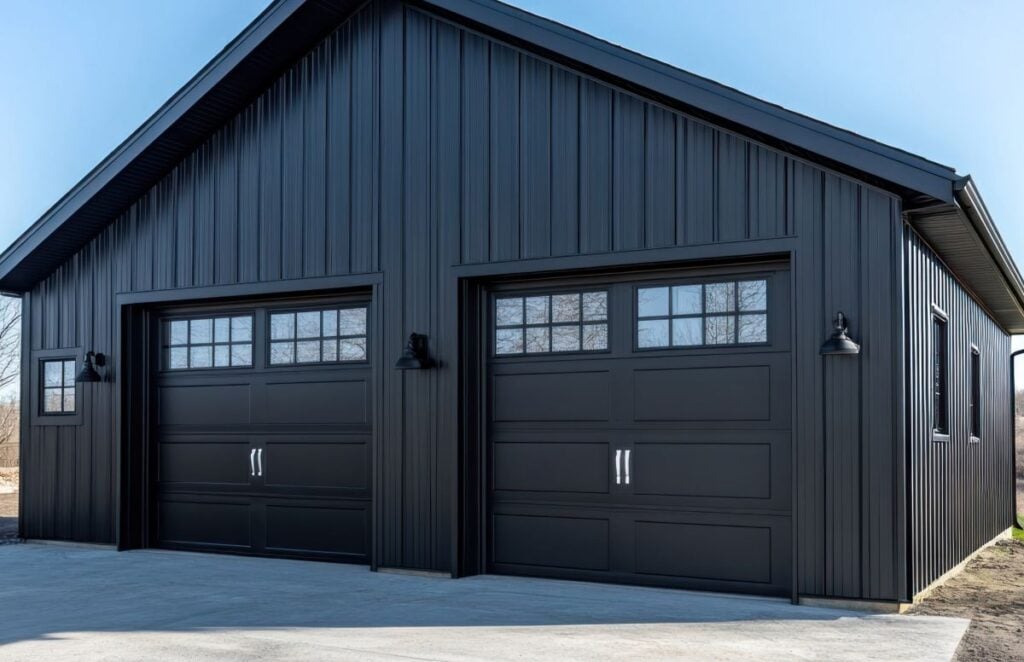
Black exteriors have moved well past the trend category into the territory of enduring design choices. Across architectural styles, from modern farmhouse to craftsman to minimalist contemporary, black siding delivers a visual clarity that lighter colors cannot replicate. It creates a defined, crisp backdrop that makes every other design element pop, whether that is white trim, natural wood accents, or lush landscaping.
Here is why so many homeowners are making the switch to black siding:
- Timeless visual authority: Black is not a fad color for exteriors. It has appeared on barns, industrial buildings, and Scandinavian homes for generations, and on a residential home it reads as intentional and confident rather than trendy.
- Maximum contrast potential: Black siding creates the strongest possible contrast with white trim, light stone, warm wood, and metal accents, which is what gives modern homes their clean, editorial quality.
- Strong resale and appraisal appeal: Homes with bold, well-executed exterior color choices consistently attract attention and competitive offers. Black done right is a value driver.
- Versatile across architectural styles: Black works on a farmhouse with board and batten, a craftsman with lap siding, a contemporary home with vertical panels, and a cottage with shingles.
Homeowners in Albert Lea and surrounding areas have increasingly embraced darker exteriors as the regional design palette has shifted toward bolder, more intentional choices. The combination of black siding with natural surroundings and four-season landscaping creates a look that feels both grounded and striking year-round.
7 Black Siding Design Ideas for Modern Homes
Choosing black siding is the starting point, not the finish line. The real design work happens in how you pair it with other elements, choose your siding profile, and handle the transitions between materials. The seven ideas below cover a range of approaches that work across different home sizes, styles, and budgets.
1. Classic Black and White Contrast
The most timeless approach to black siding is pairing it with crisp white trim. White window casings, fascia, corner boards, and door surrounds pop against a black field in a way that feels both modern and historically rooted. This combination works on virtually any architectural style and any siding profile. For maximum impact, use a bright white with a slight sheen on the trim to give it a sharp, clean edge against the matte or low-gloss black siding.
- Keep trim profiles consistent in width for a tailored look
- Use white for all trim elements including window surrounds, corner boards, and soffits
- A black front door with white trim creates a strong focal point at the entry
2. Black Siding with Natural Wood Accents
Pairing black siding with natural wood elements creates warmth that prevents the exterior from feeling cold or severe. Cedar tones used on a front porch ceiling, garage doors, window shutters, or a covered entry introduce organic texture that softens the contrast. This combination is particularly popular in modern farmhouse and mountain contemporary styles, where the interplay of industrial and natural materials is central to the aesthetic.
- Use naturally weathering wood or sealed cedar for a warmer, more organic contrast
- Wood garage doors are one of the highest-impact opportunities for this pairing
- Stained wood decking or porch flooring ties the wood accents together as a cohesive layer
3. Board and Batten in Black
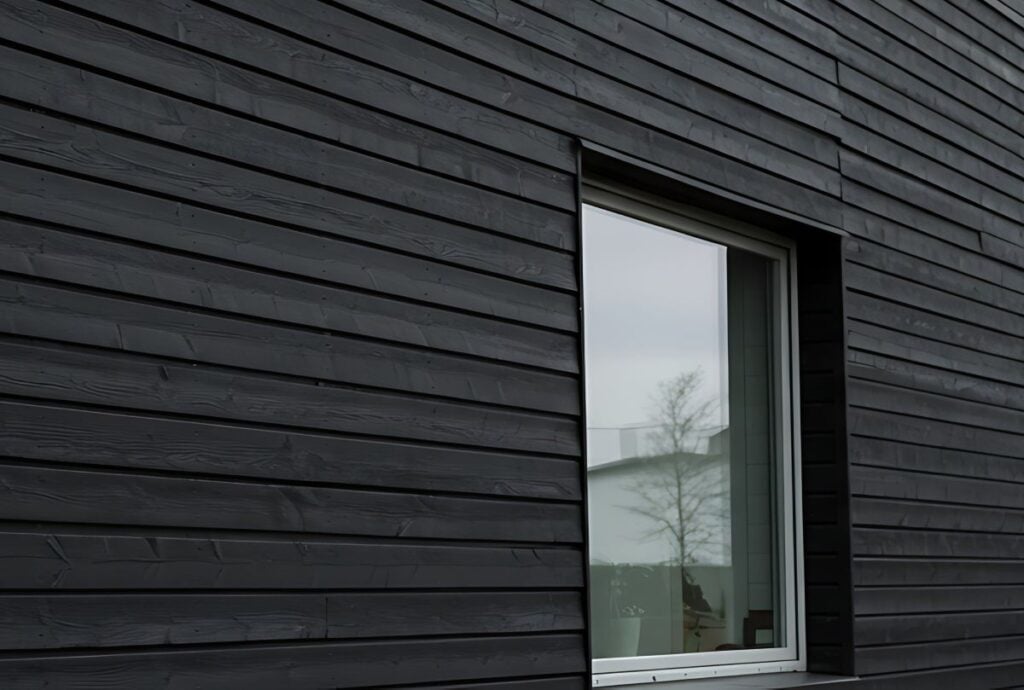
Board and batten is one of the best siding profiles for black exteriors. Its strong vertical lines create shadow relief that adds depth to the flat plane of a wall, making the texture visible even from a distance. In black, board and batten reads as distinctly modern farmhouse when combined with a metal roof or white trim, or as more contemporary when paired with horizontal lap siding in a contrasting section. This profile is available in fiber cement, engineered wood, and vinyl, giving homeowners a range of price points to work with.
- Batten width and spacing affect the proportional feel of the facade; narrower battens create a more refined look
- Mixing board and batten on the upper story with horizontal lap on the lower creates visual interest without complexity
- Black board and batten on a garage or outbuilding unifies the property when the main house uses the same profile
4. Black Siding with Stone or Brick Base
Adding a natural stone or brick base to a black-sided home grounds the exterior in a way that feels both substantial and sophisticated. The stone or brick wraps the foundation level and transitions to black siding above, creating a layered material palette that reads as high-end even on modestly sized homes. Lighter stone tones like limestone, cream brick, or light gray fieldstone provide the best contrast against the black field above.
5. Two-Tone Black and Charcoal
An all-black exterior can sometimes feel flat, particularly on larger homes with significant wall area. One solution is using two shades of very dark color: a true black on the primary siding field and a deep charcoal or dark gray on accents like the garage door, window trim, or a recessed entry. This creates a tonal approach that adds depth without introducing a contrasting color. The result feels sophisticated and monochromatic rather than stark.
- Use a flat or matte finish on the primary field and a slightly higher sheen on the secondary tone to differentiate the two
- Charcoal-framed windows against black siding provide subtle definition without breaking the dark palette
- This approach works especially well on contemporary homes with large windows and minimal ornamentation
6. Black Siding with Metal Roofing
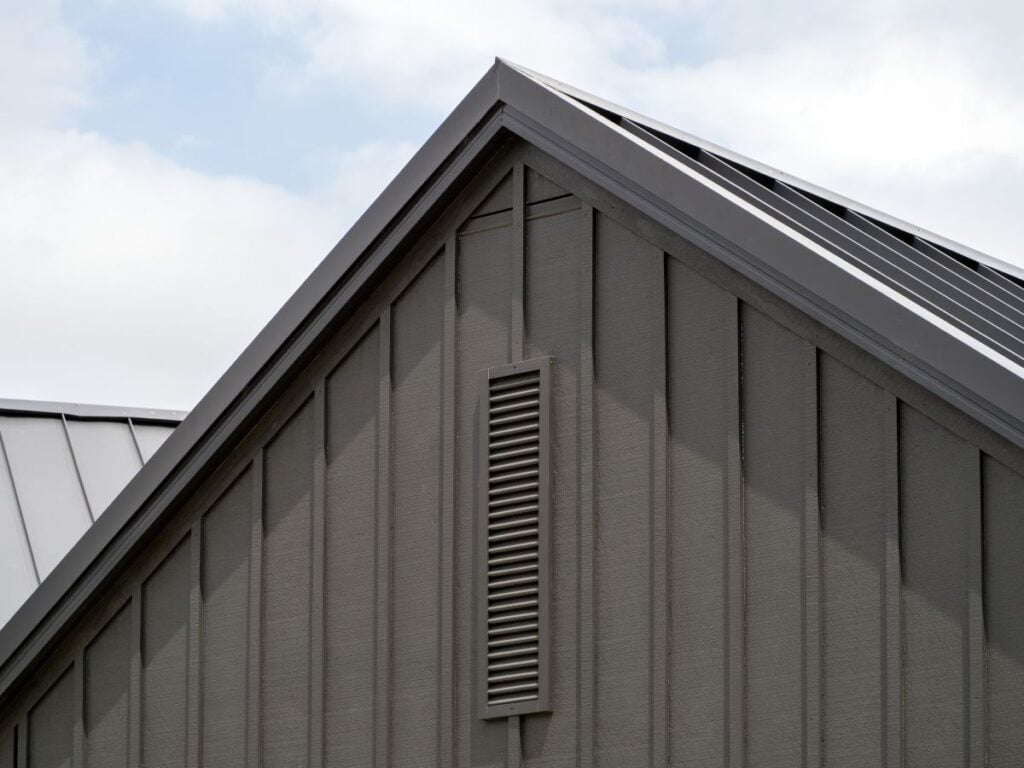
Black siding and a standing seam metal roof are a natural pairing in modern design. The clean lines of a metal roof complement the bold simplicity of black siding, and the combination performs exceptionally well in climates with significant snow load, which makes it relevant for homeowners in Albert Lea and surrounding areas. Metal roofs shed snow efficiently and their long service life aligns with the durability expectations that come with a premium exterior investment. Color options like weathered zinc, charcoal, or dark bronze all complement black siding without competing with it.
7. Black Siding on Partial Elevations
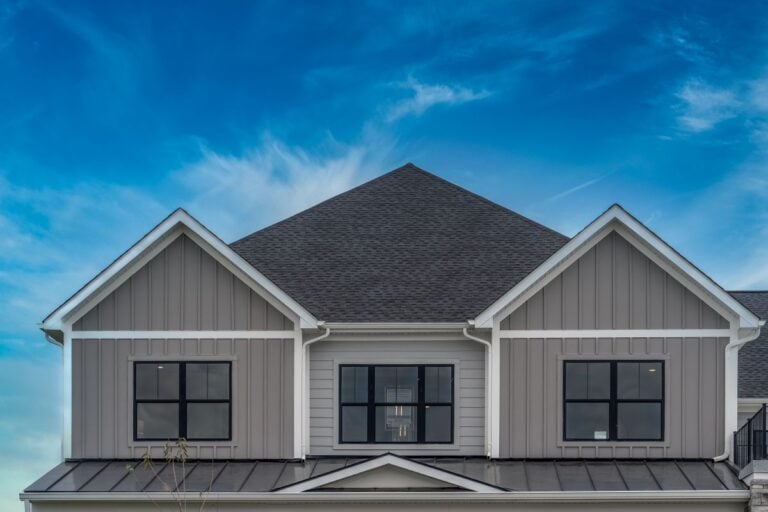
Not every home requires all-black siding to achieve a modern, bold look. Using black siding on specific elevations, such as the front face, a gabled dormer, or a garage wing, while leaving other areas a neutral gray or warm white creates a sophisticated layered effect. This approach is particularly useful on larger homes where full black siding might feel overwhelming, or for homeowners who want to introduce the aesthetic gradually. In Albert Lea and surrounding areas, this selective approach to black siding has become a popular way to modernize an existing home without a full exterior overhaul.
Whichever direction you choose, the most successful black siding projects share one quality: every material choice is made with the overall palette in mind rather than treated as an afterthought.
Practical Considerations Before You Commit to Black Siding
Black siding is a strong design choice, but it comes with specific performance and maintenance considerations that are worth understanding before committing. None of them are dealbreakers, but they do influence which materials make sense, how you plan maintenance, and what your long-term ownership experience will look like.
- Heat absorption is a real factor. Black surfaces absorb significantly more solar heat than lighter colors, which can affect the surface temperature of the siding material. Vinyl in particular can warp or fade under sustained heat. Fiber cement and engineered wood are more stable and hold dark pigments better over time. If you are committed to black vinyl siding, look for products specifically formulated and warranted for dark colors.
- Fading is the primary maintenance concern. Darker colors show fading more visibly than lighter ones. Premium fiber cement products pre-finished in black tend to hold pigment longer than field-painted alternatives. If you choose a painted product, plan on repainting on the manufacturer’s recommended schedule.
- Contrast highlights imperfections. The same quality that makes black siding so visually striking also means that dirt, water staining, and surface damage are more visible than on a lighter surface. Annual cleaning is a reasonable expectation for maintaining the look.
- Climate matters for material selection. In regions with significant freeze-thaw cycles, material stability under temperature fluctuation is critical. Fiber cement is the most dimensionally stable option for dark siding in cold climates and is the preferred specification for most professional contractors working in the upper Midwest.
None of these considerations should discourage you from going dark. They simply underscore the importance of choosing the right material for your climate and committing to the basic upkeep that keeps a bold exterior looking its best.
Matching Siding Material to the Black Exterior Look
Material selection determines more than just cost. It shapes how the black color reads from the street, how it ages over time, and how it responds to the climate. Not every siding material available in black will deliver the same quality of appearance or durability, and the differences are worth understanding before you make a final decision.
Fiber Cement
Fiber cement is widely considered the premium choice for black siding. It accepts dark factory finishes well, resists moisture and insects, and is dimensionally stable in cold climates. Products like HardiePlank offer deep, rich black finishes that hold up over many years with minimal maintenance. This is the material most professional contractors in Albert Lea and surrounding areas would recommend for a long-lasting black exterior.
Engineered Wood
Engineered wood siding offers a natural wood texture at a lower price point than real cedar, and dark finishes look particularly authentic on this material. It is more susceptible to moisture than fiber cement if the finish is compromised, so proper installation with sealed edges and tight flashing details is critical.
Vinyl
Vinyl is the most affordable option and widely available in dark color profiles. The trade-off is heat-related performance and a slightly less refined appearance compared to fiber cement or engineered wood. Look for products with ColorHold technology or similar thermal performance ratings when going dark.
Metal Siding Panels
Metal siding panels in black or dark charcoal are the most contemporary option and pair exceptionally well with flat-roof modern architecture. They are highly durable, fire resistant, and hold color well, with an upfront cost that is higher than other options but a longevity that can justify the investment on the right project.
Ready to Put Black Siding on Your Home?
A well-executed black siding project transforms a home’s exterior into something that feels considered, modern, and built to last. The design decisions involved, material selection, trim pairing, accent choices, and architectural alignment, all add up to a result that either looks intentional or exposes every shortcut taken along the way. Puetz Construction brings the expertise and attention to detail that a project like this demands, from helping you select the right material for your climate and style to ensuring the installation delivers the clean, sharp look black siding is known for. When you are ready to move forward, contact us today and let’s design the exterior your home deserves.
Fresh From our Blog