
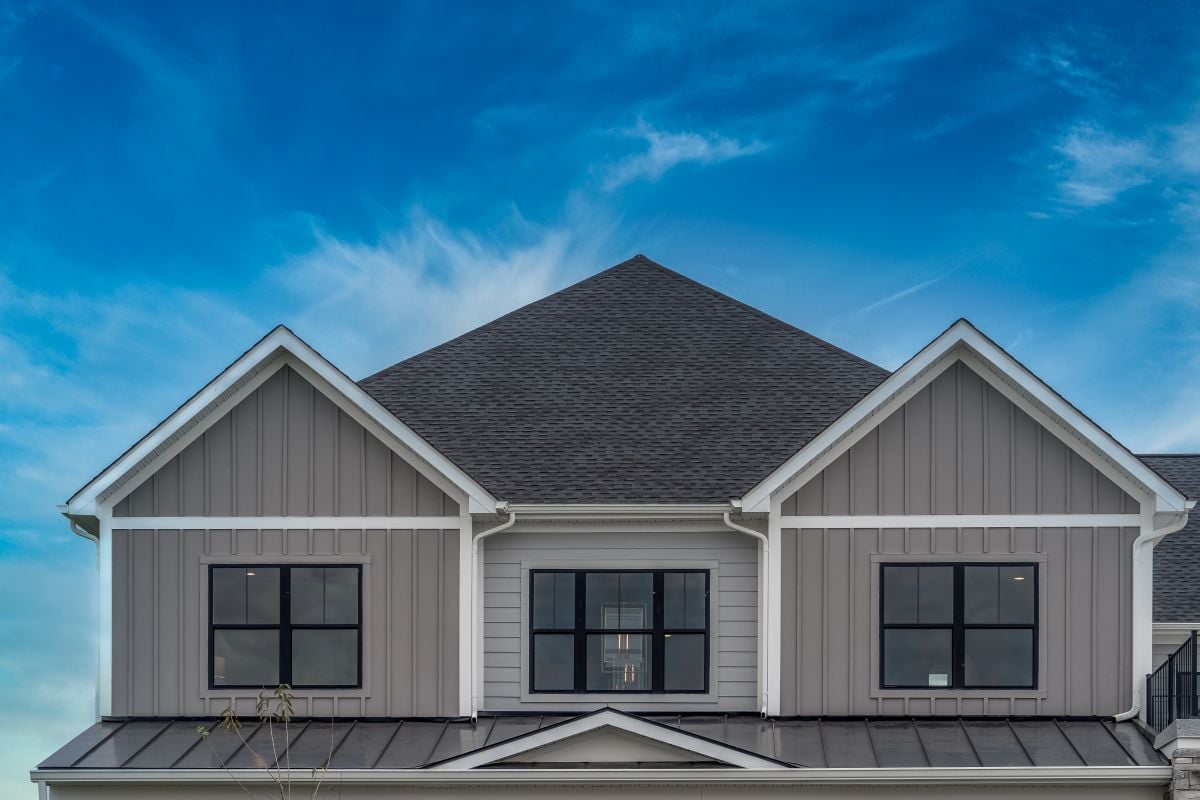
Board and Batten Siding: The Complete Homeowner Guide
Written By: Puetz Construction | August 17, 2026 | 9 Minute Read

Few exterior upgrades change the character of a home as dramatically as a new siding style, and board and batten siding has become one of the most requested looks among homeowners chasing a modern farmhouse feel. Its clean vertical lines work on everything from an entire exterior to accent gables, and modern board and batten designs keep showing up in the same conversations covered by this overview of exterior finishing options, where homeowners weigh style, durability, and cost before committing to a direction for their next project.
What you’ll learn:
- Why board and batten siding has become such a popular exterior choice
- Five key factors to weigh before choosing this siding style
- Ways to enhance the look with color, trim, and material pairings
- How board and batten compares to lap siding and vinyl
- What to expect from a professional installation
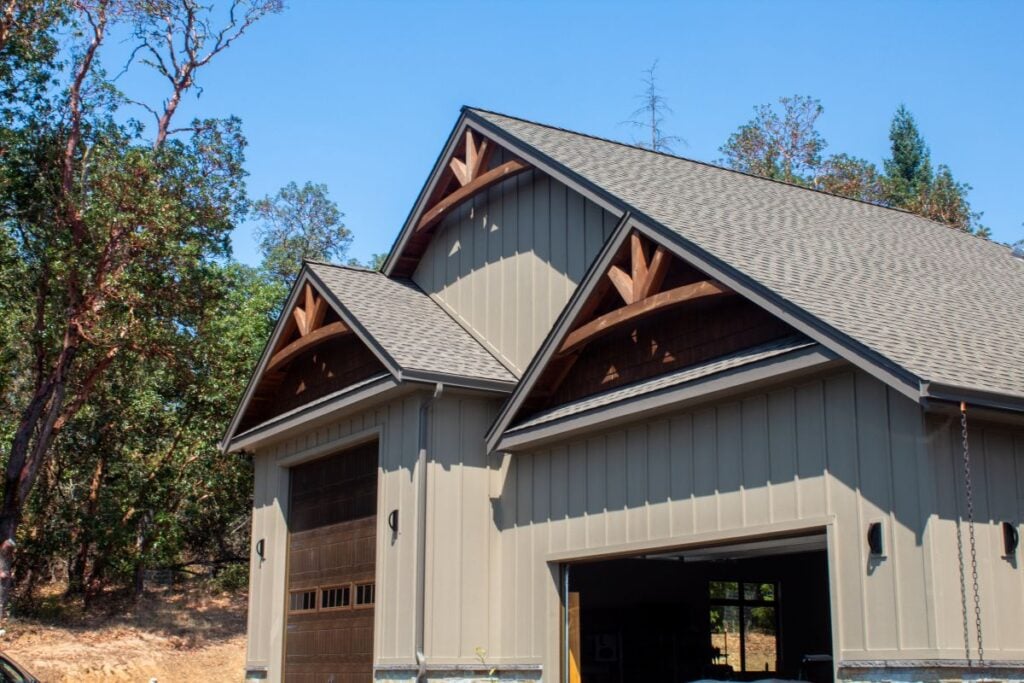
The Appeal of Board and Batten Siding
Siding is one of the most visible parts of a home, and the style chosen shapes how the whole exterior reads from the street and the driveway. Board and batten stands out because it delivers a distinct, textured look that flat lap siding simply cannot replicate, giving homeowners in Woodbury and surrounding areas a way to set their home apart without a full architectural overhaul.
- Strong visual character: The alternating wide boards and narrow battens create a distinctive architectural appearance with shadow lines that add depth to a flat wall, and the vertical lines can even make a home appear taller.
- Design versatility: It pairs naturally with farmhouse, craftsman, and modern exteriors, and works well as a full exterior or an accent on gables and porches.
- Durability options: Available in fiber cement siding, engineered wood, and vinyl, so homeowners can match the look of their home’s exterior to their preferred maintenance level.
- Weather protection: Well-installed board and batten offers solid protection against moisture intrusion, helping guard the structure underneath.
- Boosted curb appeal: A well-executed board and batten exterior is one of the more memorable upgrades a home can get, often standing out immediately to buyers and neighbors alike.
These advantages explain why board and batten has moved from a niche style to a mainstream favorite over the past several years, showing up on new builds and full remodels alike. It offers a rare combination of striking visual impact and practical material flexibility, which makes it worth serious consideration for both new builds and full siding replacements.
5 Factors to Weigh Before Choosing Board and Batten Siding
Board and batten is a strong option for many homes, but a few practical considerations help determine whether it is the right fit for a specific project. Working through these factors early avoids surprises once installation begins.
1. Your Home’s Architectural Style
Board and batten pairs naturally with farmhouse, craftsman, and rustic architectural styles, with roots that trace back to barns and simple agricultural buildings, but it can also work as a striking contrast on more classic style homes when used sparingly and thoughtfully. Considering how the style fits the home’s existing rooflines, windows, and trim helps ensure the desired look comes together cohesively.
- Full exterior applications suit homes with simple, clean architectural lines
- Accent applications work well on gables, dormers, or porch areas
- Mixing board and batten with horizontal lap siding creates visual contrast between sections
Getting this balance right keeps the finished exterior looking intentional rather than mismatched.
2. Material Selection
The material chosen affects cost, ongoing maintenance, and how long the siding lasts before needing repainting or replacement. Each option brings its own tradeoffs worth understanding before committing, since switching materials partway through a project is far more expensive than deciding upfront.
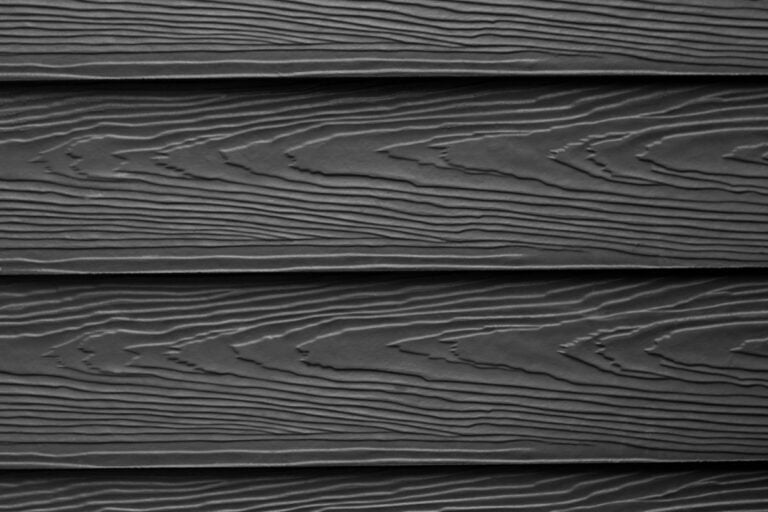
- Fiber cement siding offers strong durability and a realistic wood look with less maintenance than real wood
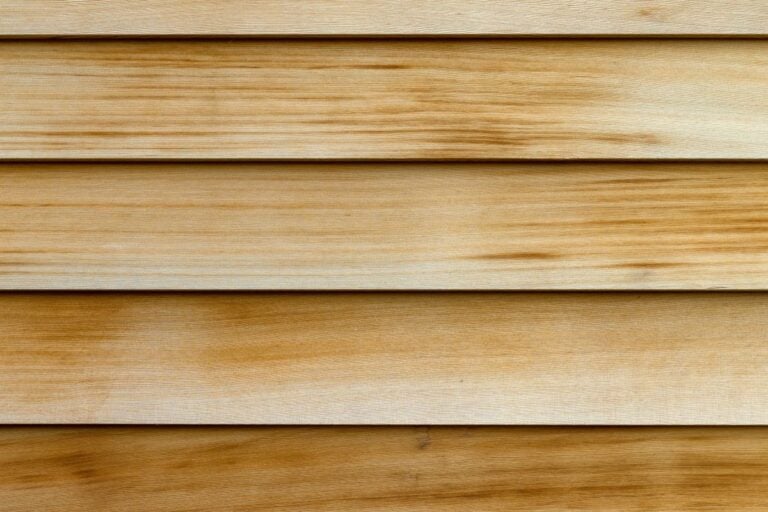
- Engineered wood provides a natural appearance at a lower cost than fiber cement, though traditional wood is prone to water damage, rot, and termites without frequent upkeep
- Vinyl board and batten is affordable and low maintenance, though it can be more susceptible to dents and carries some environmental concerns
- Steel offers a durable, modern aesthetic but tends to cost more and can be prone to rust over time
- Lightweight, weather resistant options like ACX plywood are sometimes used as an underlying board material in DIY-style siding projects
Choosing the right material upfront prevents costly regrets once the siding is installed and painted.
3. Budget for Installation
Pricing varies significantly based on material choice, home size, and how much of the exterior will feature the board and batten pattern. A full exterior application costs considerably more than an accent application on a single gable or porch, so clarifying scope early makes budgeting far more accurate. As a general guide, installation runs roughly $10.50 to $13.90 per square foot, which puts a full siding job on a 2,000 square foot house somewhere between $21,000 and $27,800, while material costs alone can range anywhere from $0.75 to $10 per square foot depending on the option chosen.
- Get itemized quotes covering materials, labor, and any necessary trim work
- Ask whether painting or staining is included in the estimate or billed separately
- Factor in the cost of removing and disposing of existing siding if applicable
Understanding the full project scope upfront helps avoid budget surprises partway through the job.
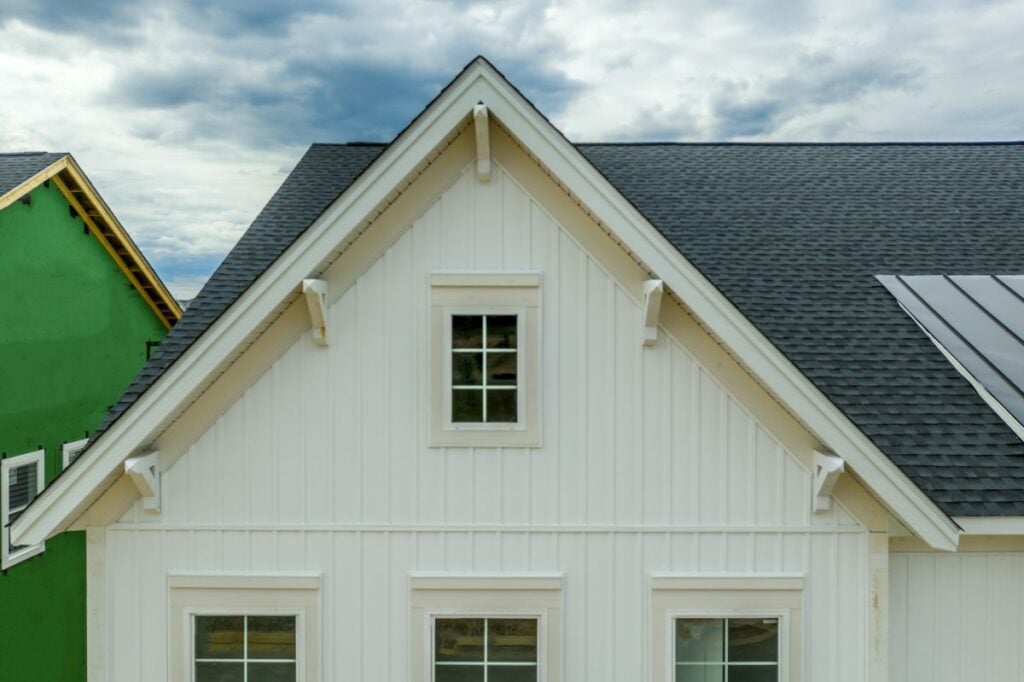
4. Local Climate Considerations
Minnesota’s freeze-thaw cycles and seasonal humidity swings put real stress on exterior materials, which makes proper installation especially important for keeping a home energy efficient. Homeowners in Woodbury and surrounding areas see the full range of seasonal extremes each year, from humid summers to bitterly cold winters, and siding installed without proper moisture management can develop problems well before the material itself wears out.
- Confirm proper house wrap and flashing details are part of the installation plan
- Ask about ventilation behind the siding to prevent trapped moisture
- Choose a weather resistant, durable material rated for the temperature swings common to the region for lasting protection
Getting these details right protects the investment and keeps the siding performing well for decades.
5. Long-Term Maintenance Expectations
Board and batten siding requires different upkeep depending on the material chosen, and understanding this ahead of time helps set realistic expectations for the years ahead. Some materials need periodic repainting, while others hold their finish for much longer with very little attention required.
- Fiber cement and engineered wood typically need repainting every seven to ten years
- Vinyl rarely needs repainting but can fade slightly over time
- Regular inspections catch small issues like caulking gaps before they become bigger problems
Homeowners who understand these expectations upfront tend to be far happier with their siding years down the road.
Enhancing the Look of Board and Batten Siding
Once the material and application are decided, a handful of design choices determine how polished the finished exterior looks. This stage is where a good installation becomes a genuinely standout one, and it is often where homeowners have the most fun collaborating with their contractor on the final details.
Color and Contrast
Darker, saturated colors tend to make board and batten’s shadow lines pop more dramatically than lighter shades. Pairing a bold body color with white or black trim creates a crisp, high-contrast look that reads well from the street.
Trim and Window Details
Substantial window and corner trim helps board and batten siding look finished rather than abrupt at transitions. Wider trim boards generally read as more custom and higher end than thin, minimal trim.
Mixing Materials for Visual Interest
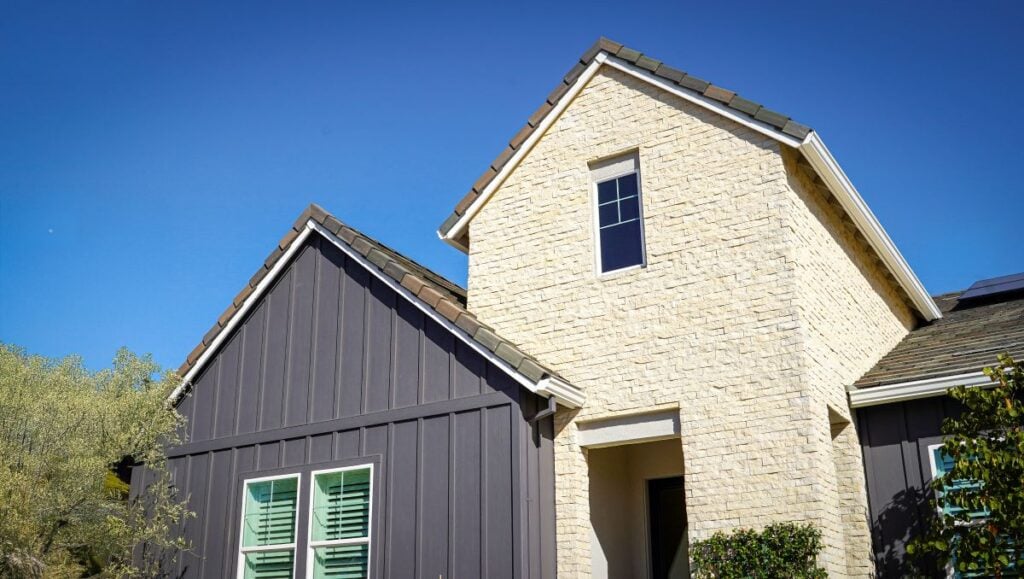
Combining board and batten with stone accents, horizontal lap siding, or shake shingles on different sections of the home adds texture variety without overwhelming any single element. This approach works especially well on homes with varied rooflines or multiple gable sections.
What Goes Into Installation
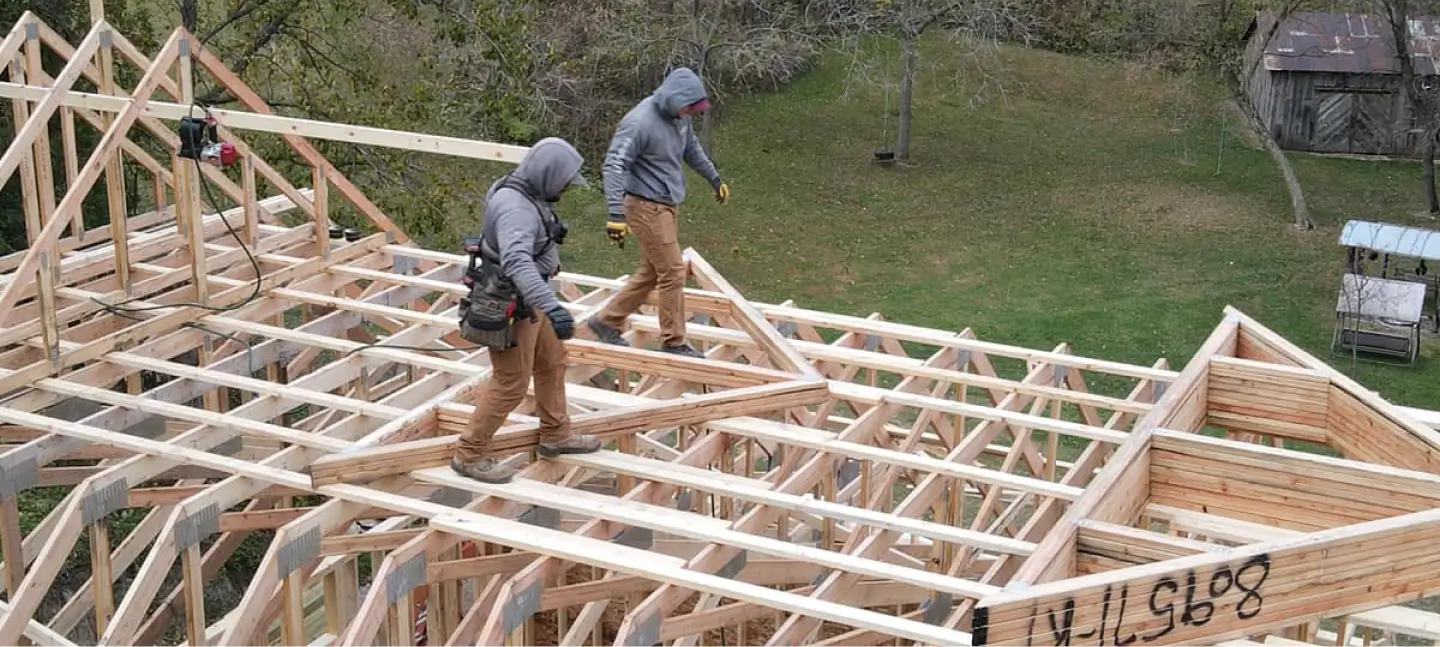
Board and batten involves a more complex, labor intensive installation compared to horizontal lap siding, largely because of the precise alignment needed to keep every batten straight and evenly spaced. Boards are typically attached to the studs first, with batten strips then nailed over the seams between them to cover the gaps and complete the overall board and batten look.
- Batten width and spacing are measured individually along each run to achieve a consistent, desired look
- Nails are typically placed at the top, bottom, and middle of each batten for a secure hold
- Wider battens tend to read as a bolder, more modern board and batten style, while thin battens suit a more traditional look
- Modern fiber cement systems often simplify installation with fewer overall pieces compared to older wood assembly methods
Homeowners who take the time to plan these details alongside their contractor typically end up with an exterior that looks custom designed rather than simply installed, which is part of what makes board and batten such a rewarding upgrade.
Board and Batten Compared to Other Siding Styles
Board and batten is one of several popular siding styles homeowners weigh when planning an exterior update, alongside traditional lap siding and vinyl. Each option brings its own balance of cost, style, and upkeep.
| Feature | Board and Batten | Lap Siding | Vinyl Siding |
| Typical Cost | Moderate to higher | Moderate | Lower |
| Visual Style | Bold, vertical, textured | Traditional, horizontal | Wide range of styles |
| Maintenance | Varies by material | Varies by material | Very low |
| Best For | Farmhouse and modern accents | Classic and traditional homes | Budget-conscious projects |
Looking at this comparison, board and batten tends to appeal most to homeowners chasing a specific architectural statement, while lap siding remains a safe, versatile default and vinyl continues to serve homeowners prioritizing low cost and minimal upkeep. The right choice ultimately depends on which of these priorities matters most for a given project, and it often helps to see a few options installed on homes throughout Woodbury before making a final decision.
Bring Your Board and Batten Vision to Life
Board and batten siding offers a rare mix of striking curb appeal and material flexibility that few other exterior options can match, especially for homeowners chasing a farmhouse or modern aesthetic. Weighing the factors above, from architectural fit to long-term maintenance, helps ensure the finished exterior holds up beautifully for years to come.
Puetz Construction has helped homeowners throughout Woodbury and surrounding areas plan and install board and batten siding that fits their home’s style and their long-term maintenance goals. Whether the goal is a full siding project or an accent feature that makes sense with the home’s existing exterior, our team walks through every option before work begins. If board and batten siding sounds like the right fit for your home, contact us today to discuss material options, color choices, and get a clear plan for your project.
Fresh From our Blog