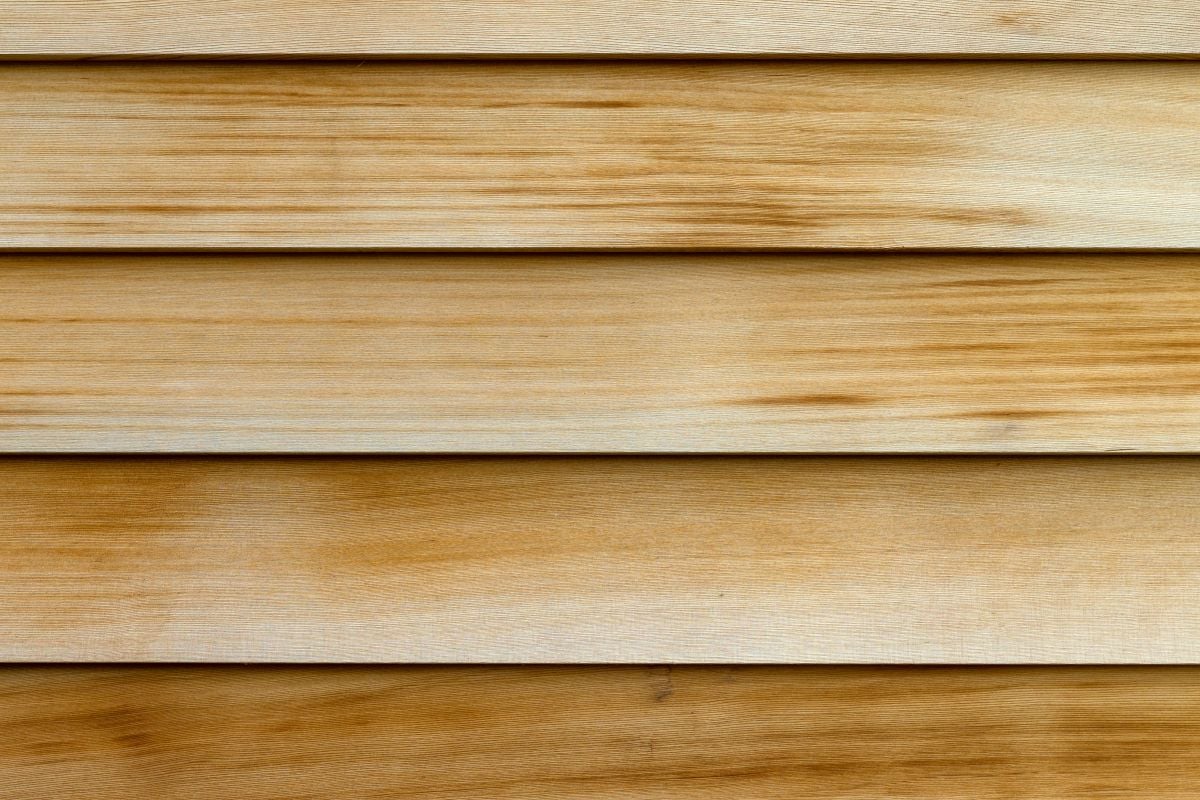
Cedar Clapboard Siding: 7 Benefits for Residential Homes
Written By: Justin Puetz | July 10, 2026 | 10 Minute Read

Some siding materials come and go with design trends. Cedar has been on American homes for centuries and shows no signs of going anywhere. The warmth, texture, and character that cedar clapboard siding brings to a home’s exterior simply cannot be replicated by synthetic alternatives, no matter how much they try. If you are evaluating your exterior cladding options and want to understand how cedar fits into the full range of materials available, this breakdown of residential siding choices is worth reading before you decide.
What you’ll learn:
- Why cedar clapboard remains one of the most valued siding choices for residential homes
- Seven specific benefits that make cedar worth the investment
- How cedar performs in cold climates and what maintenance it actually requires
- How cedar compares to fiber cement, vinyl, and engineered wood alternatives
- What to look for when selecting cedar and hiring a contractor to install it
Why Cedar Clapboard Is Still the Gold Standard for Wood Siding
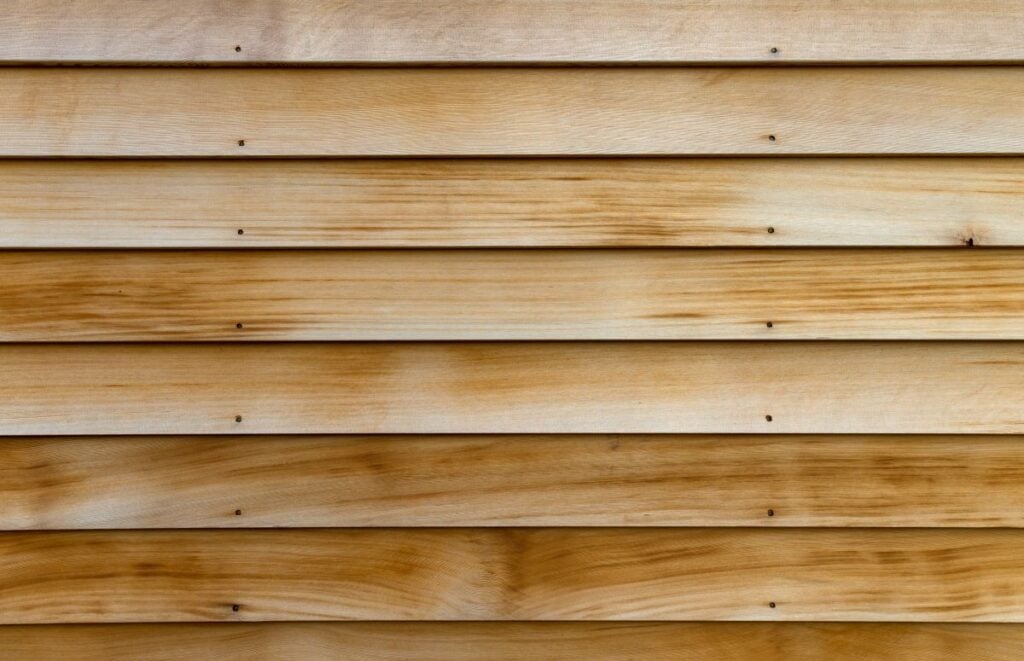
Cedar has earned its reputation over generations of residential construction. Cedar clapboard, also commonly called cedar bevel siding, consists of long, overlapping tapered wooden boards that are thicker at the bottom edge and taper toward the top, creating a profile that naturally sheds water down the face of the wall. Cedar offers a combination of natural properties that purpose-built synthetic materials have spent decades trying to match, including dimensional stability, natural resistance to insects and decay, and an aesthetic warmth that reads differently at every scale and in every light. For homeowners who care about long-term performance and visual character, cedar remains the benchmark against which other siding materials are measured.
Here is why cedar clapboard continues to command a premium in residential design:
- Unmatched natural beauty: Cedar has a grain, a warmth, and a depth of color that no vinyl or fiber cement product accurately replicates. Whether painted, stained, or left to weather naturally to its characteristic silver-gray patina, cedar develops character over time in a way that adds rather than detracts from a home’s appeal.
- Natural resistance to rot and insects: Cedar contains natural oils and compounds that make it inherently resistant to moisture-related decay and insect damage without any chemical treatment. This biological advantage is built into the wood itself and persists through its service life.
- Dimensional stability in changing conditions: Cedar swells and shrinks less than many other wood species in response to changes in moisture and temperature. This means fewer gaps, fewer paint failures, and a longer-lasting installation in climates with significant seasonal variation.
- Long-term investment value: Homes with cedar siding consistently command attention and interest from buyers. The material signals quality construction and careful maintenance in a way that composite alternatives do not.
For homeowners in Mason City and surrounding areas, cedar’s dimensional stability in cold, wet conditions is particularly relevant. A well-installed cedar clapboard system, properly primed and painted or stained, holds up through Minnesota and Iowa winters in ways that have been proven across generations of local housing stock.
7 Benefits of Cedar Clapboard Siding for Residential Homes
Cedar clapboard offers advantages that go beyond aesthetics. The seven benefits below cover performance, practicality, and long-term ownership experience, giving you a complete picture of what makes this material worth serious consideration.
1. Natural Durability Without Chemical Treatment
Cedar’s durability comes from the natural oils present in the wood, particularly in western red cedar, the most commonly used species for residential siding. These oils act as a natural preservative, making the wood resistant to rot, decay, and insect damage without chemical pressure treatment. Cedar bevel siding is available with a smooth face for painted applications and a rough side that takes stain particularly well, giving homeowners flexibility in the finished surface look and performance. The natural oils also give cedar a pleasant, distinctive scent during installation that treated lumber does not have.
2. Excellent Paint and Stain Adhesion
Cedar accepts paint and stain exceptionally well due to its straight grain and relatively low density. When properly primed on all six faces before installation, cedar holds a finish longer than many other wood species and provides a smooth, consistent surface for high-quality topcoats. This adhesion quality means fewer repainting cycles over the life of the siding and better color consistency across the entire facade.
- Always prime all six sides of each board before installation, including the back face and cut ends
- Back-priming prevents moisture from entering through the unexposed face, which is a primary cause of paint failure on wood siding
- High-quality exterior paints and stains specifically formulated for cedar will significantly extend the repainting interval
3. Genuine Insulating Properties
Wood is a natural insulator, and cedar performs better thermally than most metals and many composite materials used in siding applications. While siding alone is not a primary component of a home’s thermal envelope, cedar’s natural insulating properties contribute to wall assembly performance in a meaningful way. In cold climates, this incremental benefit adds up over decades of heating seasons.
4. Workability and Repairability
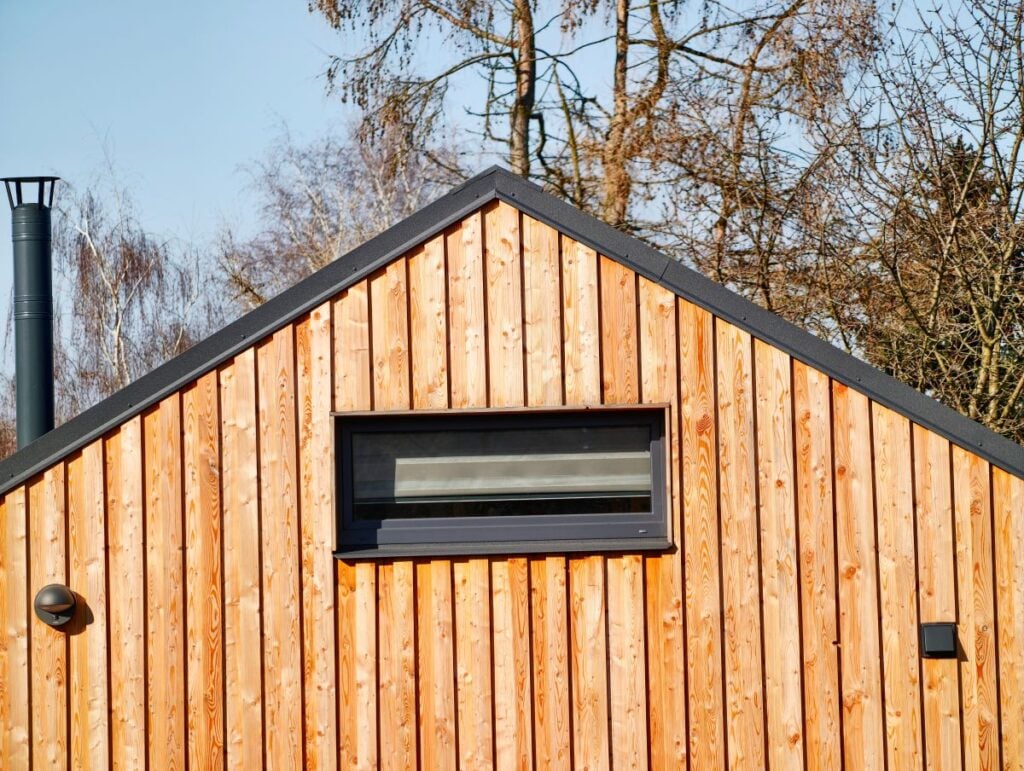
Cedar is one of the most workable exterior siding materials available to contractors and skilled homeowners alike. It cuts cleanly, nails without splitting when properly pre-drilled, and can be shaped, scribed, or fit around complex architectural details with standard carpentry tools. When a panel is damaged, a single board can be replaced without disturbing the surrounding siding, which keeps repair costs manageable over the life of the installation. This repairability is a significant advantage over some composite and panel systems where matching a damaged section can be difficult or impossible.
- Cedar’s light weight makes it easier to handle and install than fiber cement on steep or multi-story applications
- Individual boards can be replaced cleanly without the interlock constraints that complicate vinyl siding repairs
- Color matching on repainted cedar is straightforward since the entire surface accepts new paint uniformly
5. Architectural Versatility
Cedar clapboard works across a remarkably wide range of architectural styles. On a New England colonial, it is the authentic choice. On a craftsman bungalow, it provides the clean horizontal lines that define the style. On a modern farmhouse, it brings warmth that keeps the exterior from feeling industrial. Cedar bevel siding is available in clear and knotty grades: clear grades suit painted applications on formal homes, while knotty grades offer a rustic character ideal for cottages and cabins. Boards are sold by the linear foot in lengths up to 16 feet, allowing efficient coverage with fewer joints on longer wall runs. This flexibility is part of why cedar has remained relevant through so many shifts in residential design trends.
6. Environmental Sustainability
Cedar is a renewable resource, and responsibly sourced cedar siding has a substantially lower carbon footprint than most synthetic alternatives. Manufacturing vinyl and fiber cement requires significantly more energy than milling and finishing natural wood. Cedar also sequesters carbon during its growth and stores it throughout its service life. For homeowners in Mason City and surrounding areas who prioritize sustainable building materials, cedar from certified sustainable forestry operations is one of the most environmentally sound exterior cladding choices available.
7. Weather Performance in Cold Climates
Cedar’s natural oils and dimensional stability make it well-suited to climates with significant seasonal moisture variation and freeze-thaw cycling. Properly installed and maintained cedar clapboard sheds water effectively along its overlapping horizontal profile, and the natural oils slow moisture absorption during wet periods. When back-primed, edge-sealed, and installed with appropriate clearances from grade to prevent dirt and moisture contact at the bottom course, cedar performs reliably through harsh winters without the cracking and brittleness that some synthetic materials develop in sustained cold.
Each of these seven benefits contributes to the overall ownership experience of a cedar-clad home, but they compound most meaningfully when the material is installed correctly by a contractor with genuine experience working with wood siding.
What Cedar Clapboard Maintenance Actually Looks Like
One of the most persistent misconceptions about cedar siding is that it requires constant, burdensome maintenance. The reality is more nuanced. Cedar does require more active stewardship than vinyl, but significantly less than its reputation sometimes suggests when it is properly installed and finished at the outset.
- Repainting or restaining on a regular schedule is the most significant maintenance commitment with cedar. A quality paint system over properly primed cedar typically needs refreshing every five to ten years depending on sun exposure and climate. Stain systems require more frequent application, often every three to five years, but the process is simpler and less expensive than full repainting.
- Annual inspection and caulk maintenance keeps the system watertight between repainting cycles. Caulk at trim joints, window surrounds, and butt joints can crack or shrink over time, and addressing these small gaps promptly prevents water infiltration that would otherwise accelerate wood deterioration.
- Cleaning every one to two years removes mildew, dirt, and biological growth that can compromise the finish over time. A soft wash with a diluted cleaning solution is typically sufficient. Pressure washing at high settings is not recommended for cedar, as it can raise the grain and force water behind the finish.
- Prompt spot repairs when individual boards show signs of cracking or paint failure keep small problems from becoming large ones. Cedar’s repairability means that addressing isolated damage is straightforward and does not require extensive surrounding work.
Homeowners who commit to this maintenance schedule can expect their cedar clapboard siding to remain beautiful and fully functional for 30 to 50 years or more, which is a service life that rivals or exceeds most synthetic alternatives when total cost of ownership is calculated honestly.
How Cedar Clapboard Compares to Common Alternatives
Choosing cedar clapboard is a deliberate decision, and it helps to understand how it stacks up against the alternatives most homeowners consider at the same time. The comparison below covers the four most common residential siding materials across the criteria that matter most to long-term owners.
| Cedar Clapboard | Fiber Cement | Vinyl | Engineered Wood | |
| Appearance | Natural grain, authentic depth | Wood-look texture, paint-ready | Uniform, synthetic look | Natural-looking, consistent |
| Lifespan | 30 to 50+ years with maintenance | 30 to 50 years | 20 to 40 years | 20 to 30 years |
| Maintenance | Moderate; repainting every 5 to 10 years | Low; repainting every 10 to 15 years | Very low; no painting required | Low to moderate; repainting every 5 to 10 years |
| Repairability | Excellent; individual boards replaced easily | Good; matching panels available | Moderate; color matching can be difficult | Good; panels replaceable |
| Sustainability | High; renewable, carbon-storing | Moderate; energy-intensive manufacturing | Low; petroleum-based | Moderate; partially renewable |
| Cold climate performance | Excellent with proper installation | Excellent | Good; can become brittle | Good |
| Upfront cost | Moderate to high | Moderate | Low to moderate | Moderate |
In Mason City and surrounding areas, cedar and fiber cement are the two materials most commonly specified for residential siding replacement on homes where the owner prioritizes long-term performance and appearance. Vinyl remains the dominant choice on budget-driven projects, but homeowners who have lived with cedar rarely choose to move away from it when replacement time comes.
Cedar Clapboard Deserves a Contractor Who Knows Wood
Cedar is a forgiving material in the hands of an experienced installer and an unforgiving one when treated like vinyl or fiber cement. The back-priming, proper fastening patterns, clearances from grade, and caulking details all require a working knowledge of how wood behaves that not every contractor brings to the job. Puetz Construction has the experience and commitment to quality that cedar installation demands. Whether you are replacing aging siding on a historic home or cladding a new build with a material that will still look exceptional in four decades, we approach cedar with the care it deserves. If your home in Mason City and surrounding areas is ready for a cedar exterior, contact us today and let’s talk through what that project looks like.
Fresh From our Blog