
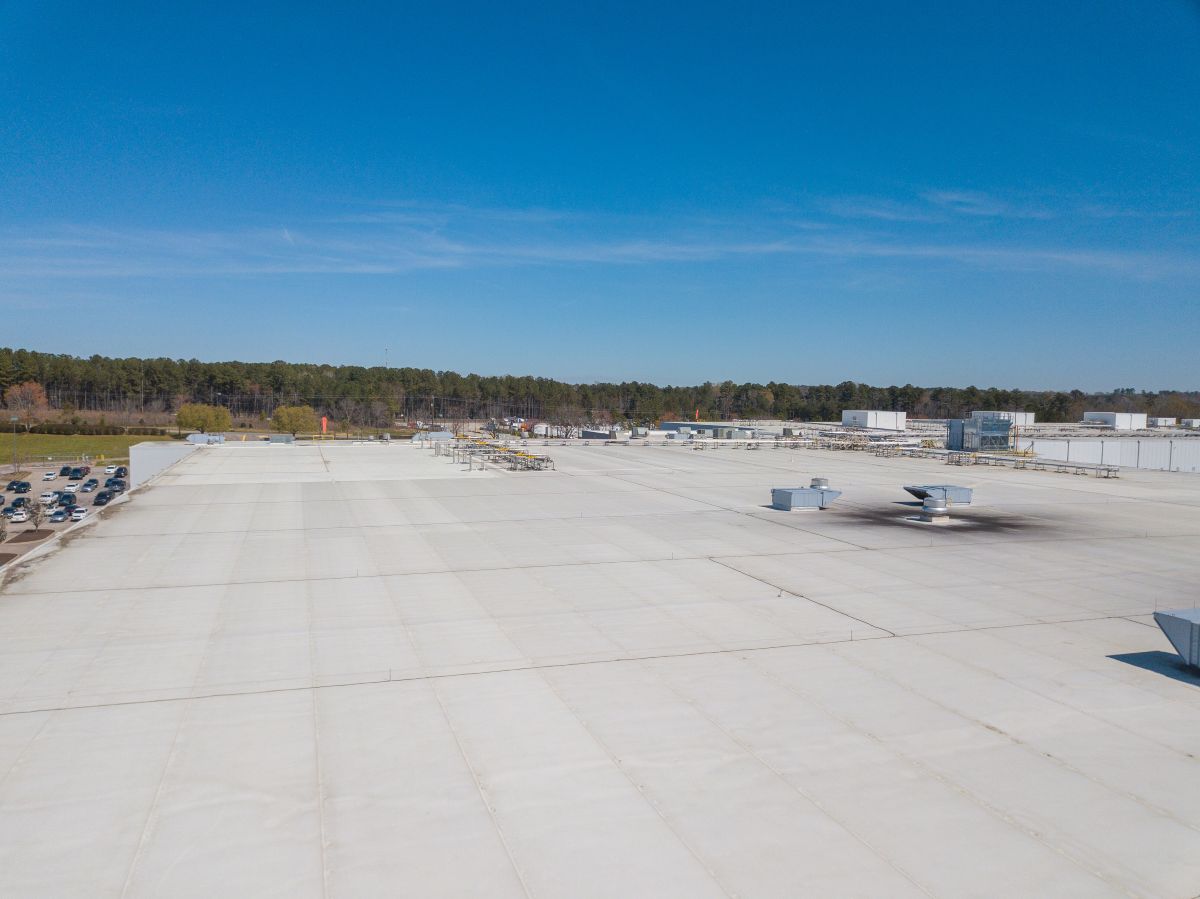
Built-Up Roofing System: 5 Benefits & Installation Explained
Written By: Justin Puetz | May 13, 2026 | 8 Minute Read

When it comes to protecting a commercial property from the elements, few choices carry as much long-term impact as the roofing system you select. A built-up roofing system has been a trusted solution for flat and low-slope roofs for well over a century, and for good reason. If you are weighing your options for a commercial property in Bloomington and surrounding areas, understanding how this system works and why so many building owners choose it is a great place to start. Learn more about what goes into a quality commercial roofing installation to see how this system fits into the bigger picture.
In this guide, you will learn:
- What makes a built-up roofing system a reliable long-term investment
- The five core benefits that set it apart from other flat roof options
- A step-by-step breakdown of how the installation process works
- How to maintain your roof and extend its lifespan
- What to look for when comparing BUR to alternative roofing systems
Why Built-Up Roofing Continues to Earn Trust
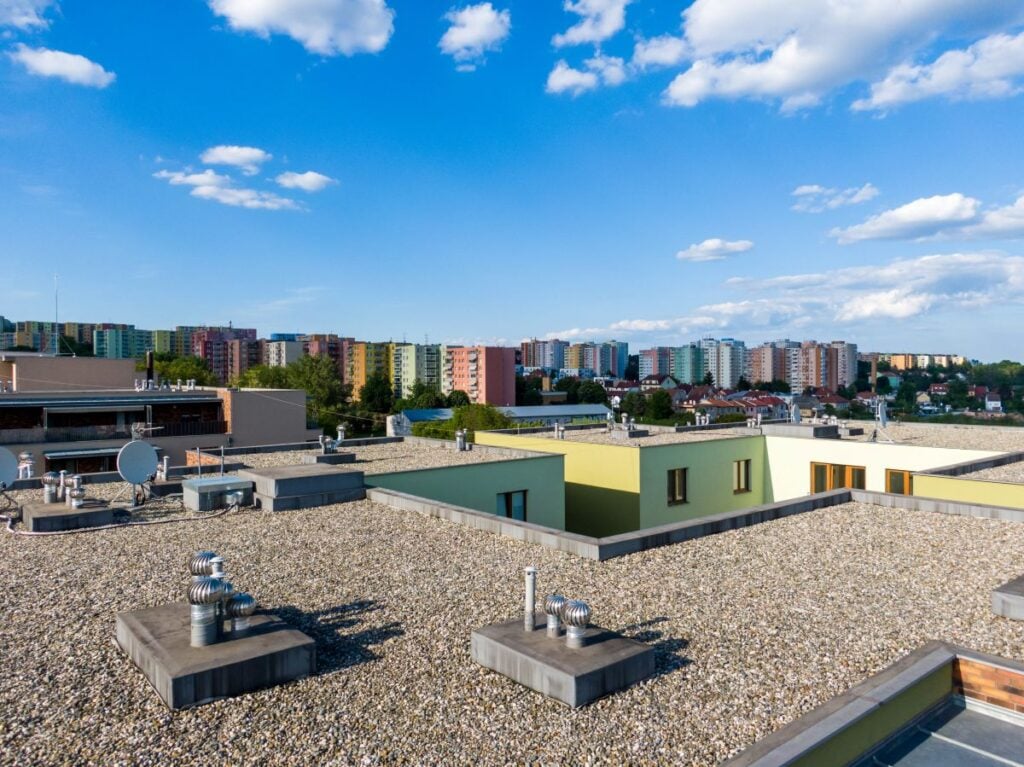
Built-up roofing, often called BUR, has remained a go-to option for commercial and industrial buildings because it delivers on durability in ways that newer systems sometimes cannot match. Its multi-layer construction creates a resilient barrier that handles foot traffic, weather extremes, and the kind of ongoing wear that flat roofs endure year after year.
Property owners in Bloomington and surrounding areas who manage warehouses, office buildings, retail spaces, or multi-unit properties often turn to BUR because it strikes the right balance between upfront cost and long-term performance. Knowing the key benefits helps make that decision easier.
- Exceptional Waterproofing: Multiple alternating layers of bitumen and reinforcing fabric create a seamless, watertight membrane. This layered approach significantly reduces the risk of leaks, even during heavy rain or snowmelt.
- Long Service Life: A properly installed built-up roofing system can last 20 to 30 years or more. That kind of longevity means fewer replacement cycles and better overall return on investment for commercial property owners.
- Energy Efficiency: Reflective aggregate surfacing, such as gravel or slag, can help deflect solar heat and reduce cooling loads during warm months. This is especially valuable for large flat-roofed buildings with significant square footage.
- Fire Resistance: The gravel surface layer provides a natural fire-resistant barrier, and many BUR systems carry excellent fire ratings. This can also translate into lower insurance premiums for building owners.
- Low Maintenance Demands: Because the system is built up in layers rather than relying on a single membrane, minor damage is less likely to cause immediate failure. When repairs are needed, they are typically straightforward and affordable.
These advantages have kept built-up roofing competitive in a market crowded with newer alternatives, and they are hard to argue with when you are thinking in terms of decades rather than years.
5 Steps of the Built-Up Roofing Installation Process
The installation of a built-up roofing system follows a detailed, methodical process. Each stage plays a specific role in the overall performance of the finished roof, and skipping or rushing any step compromises the integrity of the entire system. Here is how a professional installation typically unfolds.
A qualified contractor will evaluate site conditions, existing substrate health, and drainage before a single material is placed. That preparation phase sets the stage for everything that follows.
1. Roof Deck Inspection and Preparation
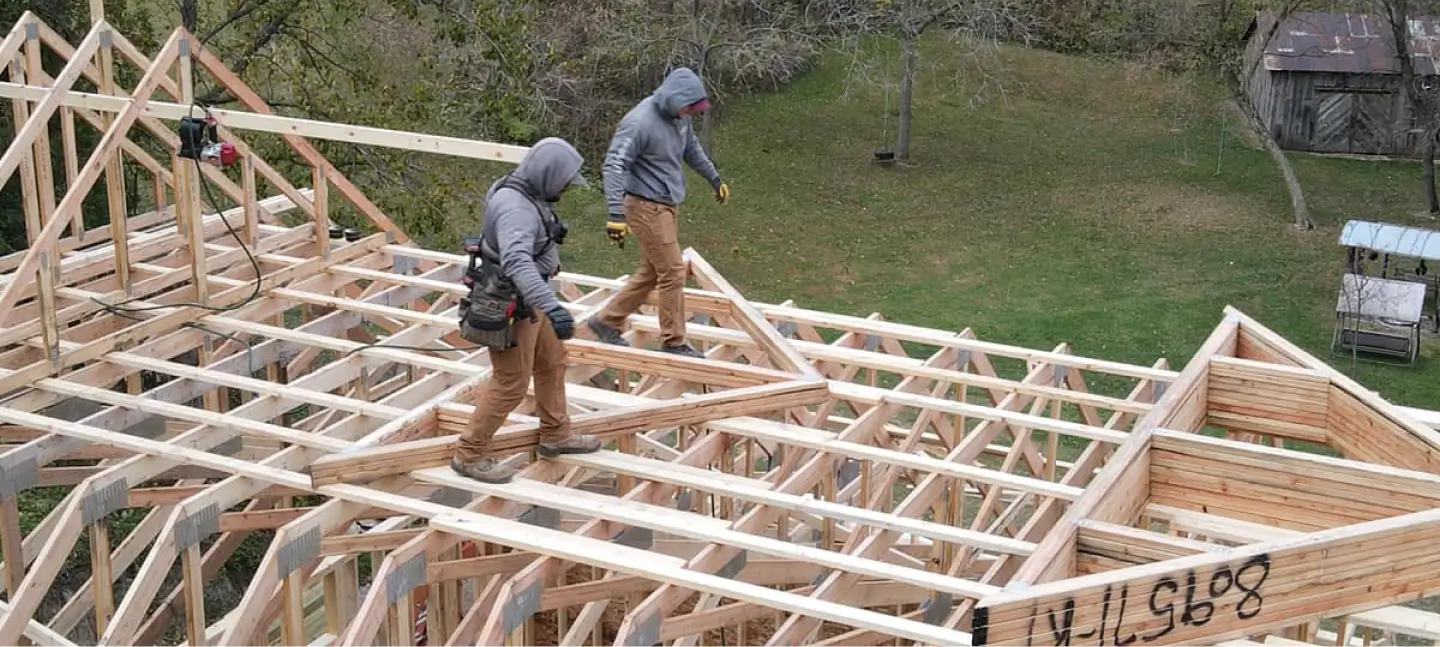
The process begins with a thorough inspection of the existing roof deck, whether it is concrete, steel, or wood. Any damaged, rotted, or structurally compromised sections must be repaired or replaced before installation begins.
- The deck surface is cleaned and dried completely
- Fasteners and seams are checked for stability
- Proper slope and drainage paths are confirmed to prevent standing water
2. Installation of the Base Sheet
A base sheet, typically a heavy-duty fiberglass or polyester mat, is mechanically fastened or adhered directly to the cleaned deck. This layer creates the foundation on which all subsequent plies will be applied.
- Base sheets are overlapped at seams to prevent gaps
- Flashing is started around penetrations and edges during this phase
- Consistency across the surface ensures even adhesion for upper layers
3. Application of Alternating Bitumen and Ply Layers
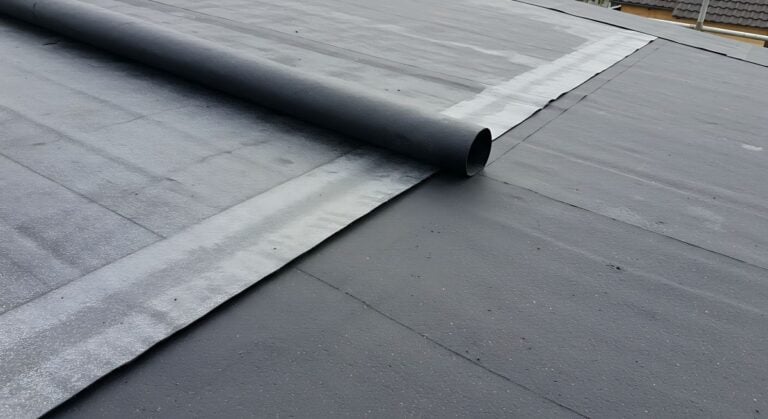
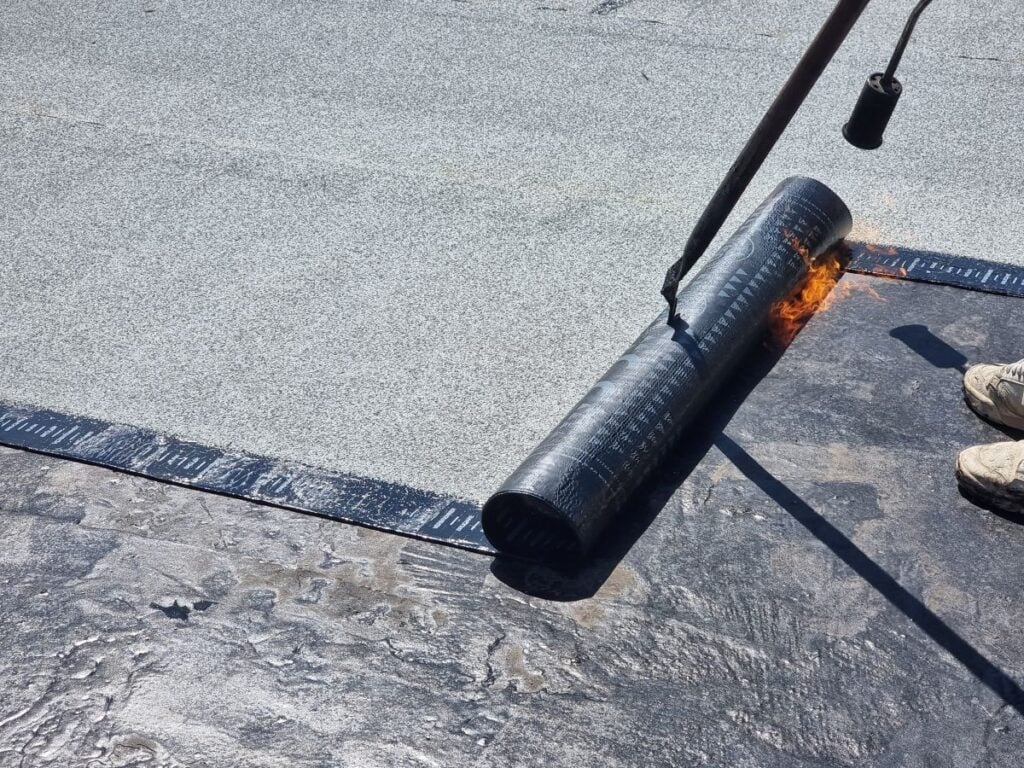
This is the heart of what makes a built-up roofing system unique. Multiple plies of reinforcing felt are embedded in hot-applied bitumen, mopped asphalt, or cold-applied adhesive. Each additional layer adds thickness, strength, and waterproofing capability.
- A standard system includes two to four ply layers
- Hot-mopped bitumen is applied between each felt sheet
- Layer thickness and ply count can be customized based on climate and building use
4. Installation of the Surfacing Material
Once the ply layers are in place, a surfacing material is applied to protect the bitumen from UV degradation, physical damage, and weather. Gravel is the most traditional choice, though mineral granules, reflective coatings, and cap sheets are also used.
- Gravel is embedded into a final flood coat of bitumen
- Reflective surfacing options can improve energy performance
- Surfacing choice affects both appearance and long-term durability
5. Flashing and Edge Detailing
The final installation step involves completing all flashing work at roof edges, parapet walls, drains, HVAC curbs, and any other penetrations. Proper flashing is one of the most critical factors in preventing leaks.
- Metal flashing is sealed and secured at all transitions
- Edge metal is installed to control water runoff
- A final inspection confirms that all seams and terminations meet installation standards
Getting each of these steps right requires skill and experience. In Bloomington and surrounding areas, working with a contractor who understands regional climate demands is a significant advantage when it comes to long-term performance.
Maintaining a Built-Up Roof Over Time
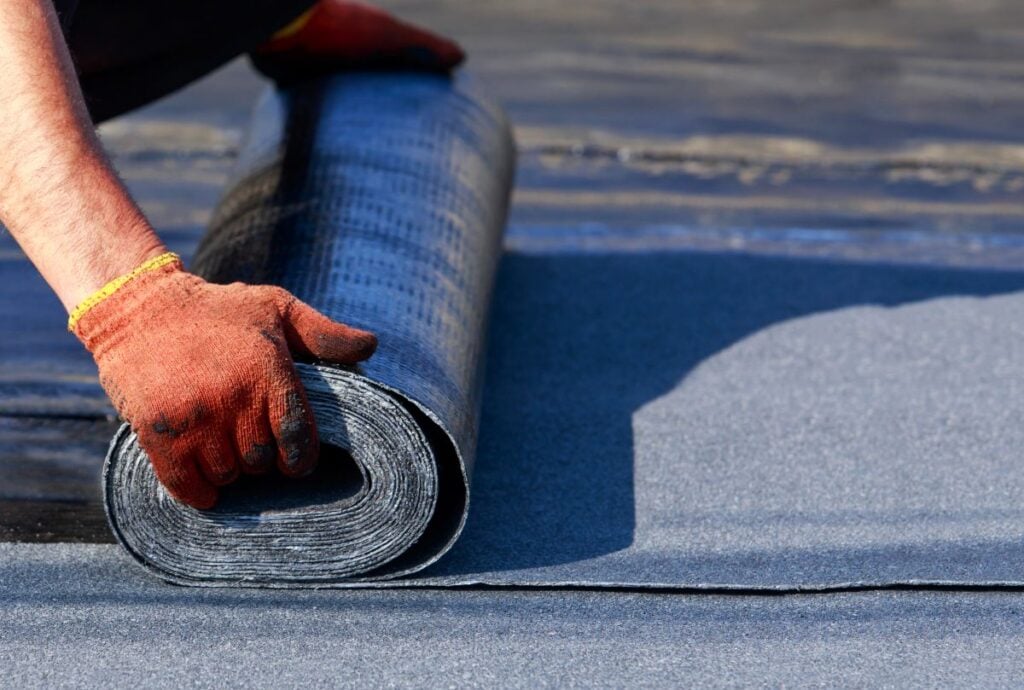
A built-up roofing system is designed to be durable, but that durability depends on regular attention. Without routine maintenance, even the best-installed roof will develop problems that compound over time. The good news is that maintaining a BUR system is relatively straightforward when done consistently.
Twice-yearly inspections are the foundation of a good maintenance program. Scheduling visits in the spring and fall allows you to catch damage from winter ice, summer heat, and wind events before those issues become expensive repairs.
What a Routine Inspection Should Cover
Inspections should focus on areas most vulnerable to wear and water infiltration. Flashing around penetrations and edges tends to be the first place problems develop, since thermal expansion and contraction stress those connections over time. Standing water, also called ponding, can accelerate membrane degradation and should be addressed by improving drainage wherever it appears.
Surface aggregate should be checked for displacement or areas where bitumen is exposed and unprotected. Cracks in the flood coat, blistering, or bubbling in the membrane surface are signs that moisture may have entered the system.
Repair Practices That Extend Roof Life
Small repairs handled quickly prevent large-scale problems later. Patching exposed bitumen, resetting displaced gravel, and resealing flashing connections are all relatively low-cost interventions that protect the larger investment. Partnering with a contractor who knows built-up roofing systems well means repairs are done correctly the first time, with materials that are compatible with the existing system.
Keeping roof drains and gutters clear of debris is also critical. Blocked drainage is one of the leading causes of premature roof failure on flat and low-slope systems, and it is entirely preventable with routine clearing.
Built-Up Roofing vs. Alternative Flat Roof Systems
When comparing roofing options for a commercial property, it helps to understand how built-up roofing stacks up against the other systems commonly used on flat and low-slope applications. Each system has its strengths, and the right choice depends on factors like building use, budget, and regional climate.
Here in Bloomington and surrounding areas, temperature swings and freeze-thaw cycles are real considerations. A roofing system that handles those conditions reliably is not something to compromise on.
| Feature | Built-Up Roofing (BUR) | TPO / EPDM Single-Ply | Modified Bitumen |
| Lifespan | 20 to 30+ years | 15 to 25 years | 20 to 25 years |
| Waterproofing | Multi-layer, highly redundant | Single membrane | Two layers |
| Fire Resistance | Excellent (gravel surface) | Moderate | Good |
| Repairability | Straightforward | Seam-dependent | Good |
| Foot Traffic Tolerance | High | Low to moderate | Moderate |
| Upfront Cost | Moderate to high | Lower | Moderate |
Single-ply systems like TPO and EPDM have grown in popularity due to their lighter weight and faster installation, but they rely on a single membrane to perform. If that membrane is compromised, the entire system is at risk. Built-up roofing’s redundancy provides a margin of protection that is difficult to replicate with a thinner system.
Modified bitumen falls in the middle ground, offering two layers and better flexibility in cold weather, but still not matching the full depth of a properly installed BUR system. For buildings that need maximum durability and long service life, built-up roofing remains one of the strongest choices available.
Prepare Your Property for Built-Up Roofing with Puetz Construction
A built-up roofing system offers waterproofing depth, longevity, fire resistance, and low maintenance that few other flat roof solutions can match. At Puetz Construction, we help property owners throughout Bloomington and surrounding areas find the right system and deliver installations built to last. Whether you are replacing an aging roof or starting a new project, contact us today to schedule a consultation.
Fresh From our Blog