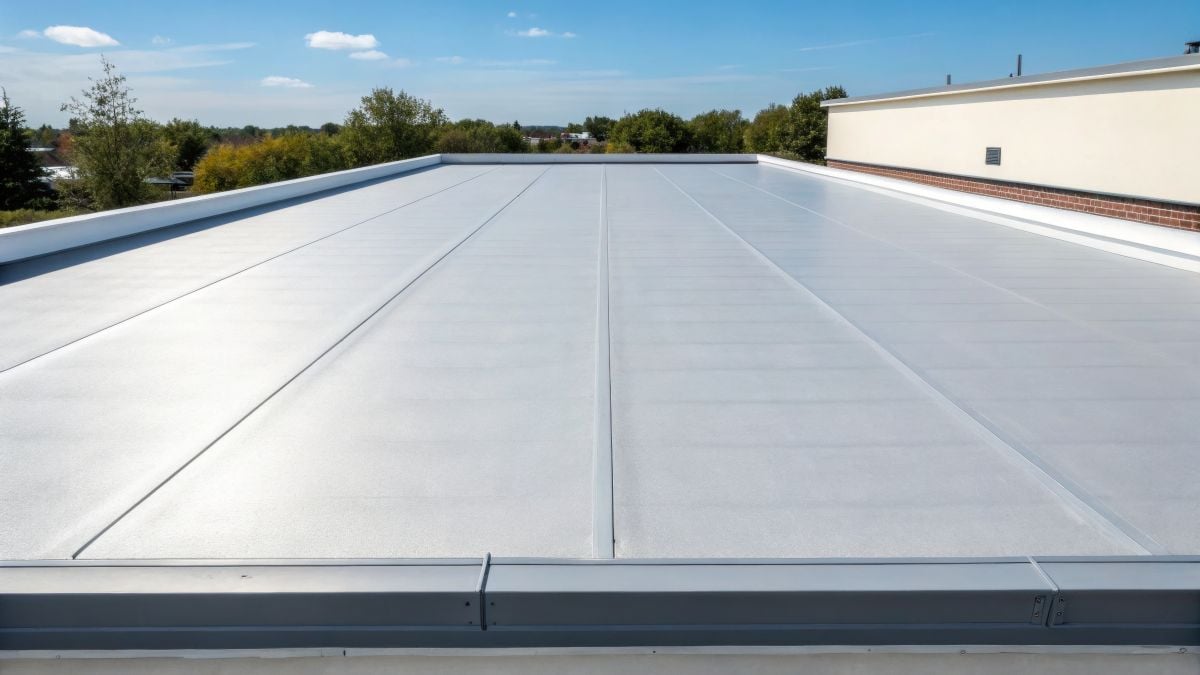
6 Flat Roof Waterproofing Systems Explained (Pros & Cons)
Written By: Justin Puetz | May 6, 2026 | 8 Minute Read

If you own or manage a building with a low-slope or flat roof in Rochester and surrounding areas, keeping water out is your single most important maintenance priority. Flat roof waterproofing is not a one-size-fits-all solution, and choosing the wrong system can lead to costly interior damage, structural deterioration, and premature roof failure. Whether you’re replacing an aging system or planning a new installation, understanding your options is the first step toward making a smart, lasting decision. Learn more about how our team approaches flat and commercial roofing work to protect buildings of all sizes.
Here is what you will find in this guide:
- The most common flat roof waterproofing systems and how they work
- The pros and cons of each system so you can compare them side by side
- Key factors that affect which system is right for your building
- Warning signs that your current waterproofing may be failing
- How to extend the life of your flat roof with proper maintenance
This guide will give you a clearer picture of what questions to ask and what to expect before a contractor ever sets foot on your roof.
Why Flat Roof Waterproofing Deserves More Attention Than It Gets
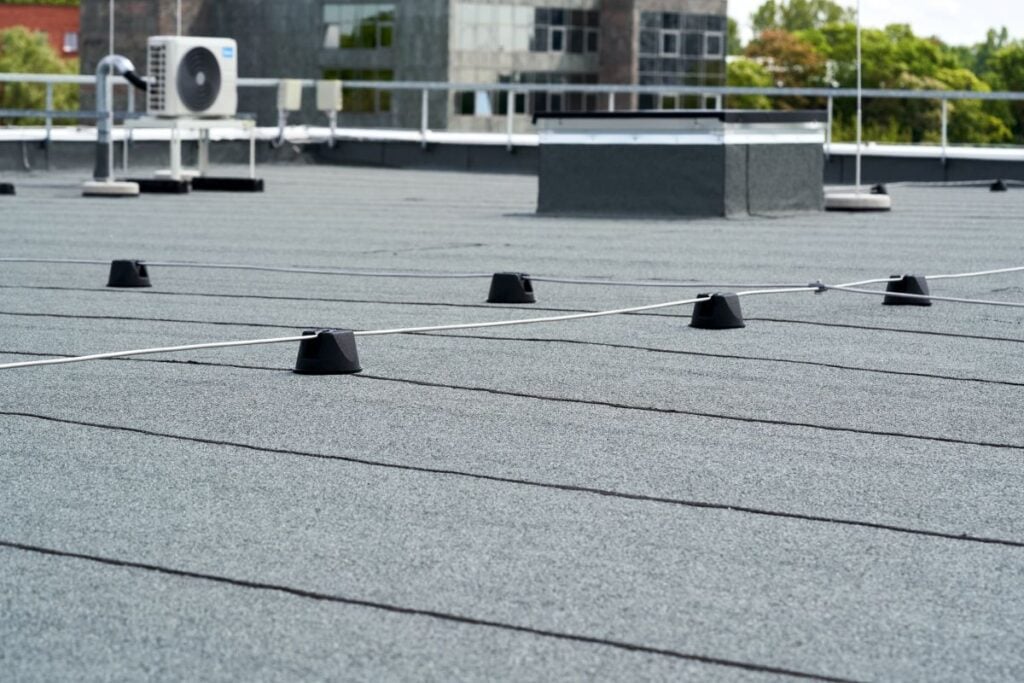
Flat roofs are deceptively demanding. Unlike sloped roofs where gravity handles drainage, flat and low-slope roofs rely almost entirely on their waterproofing membrane to manage standing water, freeze-thaw cycles, UV exposure, and physical wear. In a climate like Rochester and surrounding areas, where winter temperatures swing dramatically and spring snowmelt adds significant moisture load, a subpar system will not last.
A leak that goes undetected for even one season can compromise insulation, rot decking, damage interior ceilings and walls, and invite mold growth. Here is why getting this right matters:
- Long-term structural protection: Water infiltration is the leading cause of premature structural damage in flat-roofed buildings. A proper waterproofing system is your building’s primary defense.
- Energy efficiency: Wet insulation beneath a failed membrane loses most of its R-value, driving up heating and cooling costs considerably.
- Occupant safety: Leaks create slip hazards, trigger electrical risks, and can make interior spaces unusable until repairs are complete.
- Resale and insurance value: Buildings with well-maintained roofing systems are easier to insure and more attractive to buyers.
- Reduced lifecycle costs: A properly installed system with regular upkeep can last 20 to 30 years or more, significantly reducing the cost of major repairs.
6 Flat Roof Waterproofing Systems You Should Know
There is no single best waterproofing system for every flat roof. The right choice depends on your building’s structure, budget, local climate, and how the roof is used. Below is a breakdown of the six most widely used systems, with honest pros and cons for each.
Some systems perform better in cold climates, others under heavy foot traffic, and others where chemical resistance is a priority. Understanding those distinctions is what makes the difference between a system that lasts and one that fails early.
1. EPDM (Ethylene Propylene Diene Monomer)
EPDM is a synthetic rubber membrane available in large sheets that reduce seams and potential leak points. It has been a trusted flat roof waterproofing solution for decades and performs exceptionally well in cold climates.
Pros: Excellent UV and temperature resistance, long lifespan of 25 to 30 years, affordable installation, easy to repair.
Cons: Dark color absorbs heat and can raise cooling costs, seams and edges require careful installation, lower puncture resistance than other membranes.
2. TPO (Thermoplastic Polyolefin)
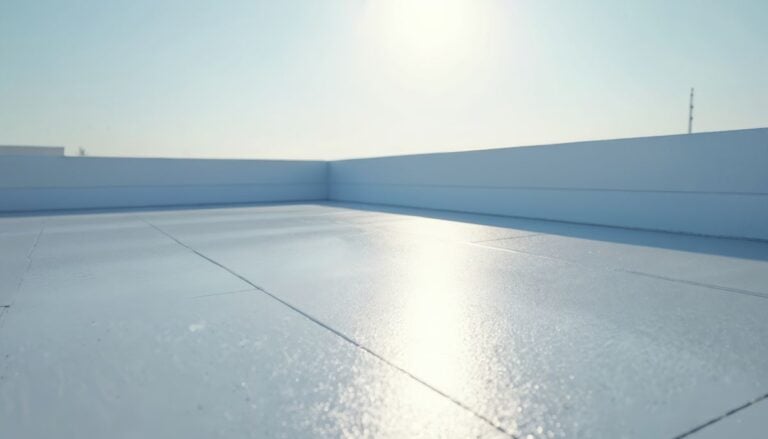
TPO is a single-ply membrane heat-welded at the seams for a strong, watertight bond. Its white reflective surface makes it a popular choice for buildings looking to reduce cooling loads.
Pros: Reflective surface lowers cooling costs, heat-welded seams are stronger than adhesive, resistant to punctures and chemical exposure, lightweight.
Cons: Quality varies by manufacturer, less long-term performance data than EPDM, can become brittle in extreme cold if a lower-grade product is used.
3. PVC (Polyvinyl Chloride)
PVC membranes offer strong chemical and fire resistance, making them a go-to choice for restaurants and facilities with oils or grease in rooftop drainage. Like TPO, seams are heat-welded.
Pros: Excellent chemical and fire resistance, strong welded seams, flexible in cold temperatures, long commercial track record.
Cons: More expensive than EPDM or TPO, can become brittle over time as plasticizers leach out, less environmentally friendly due to chlorine content.
4. Modified Bitumen
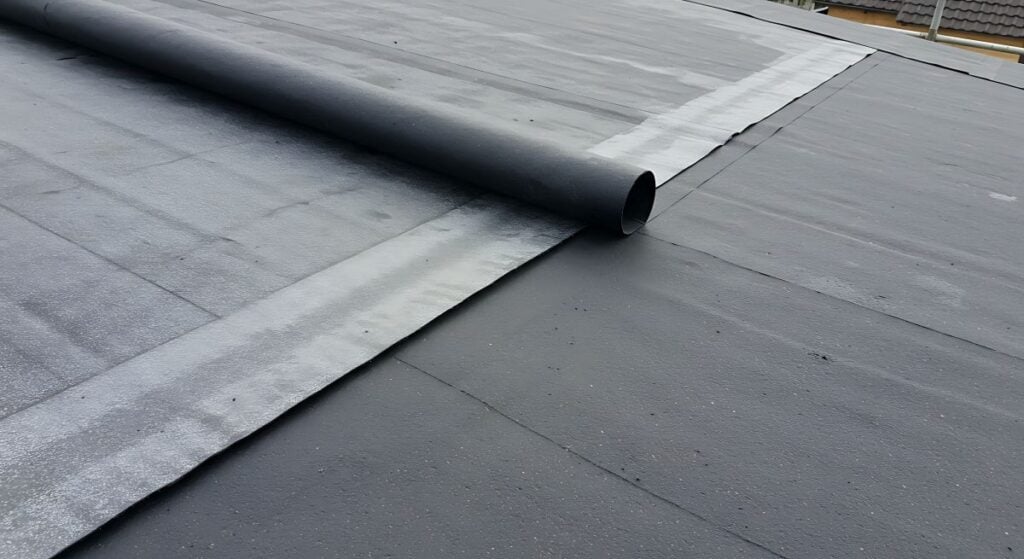
Modified bitumen is an asphalt-based system applied in multiple layers, either torch-down or with cold adhesive. It is a time-tested approach that contractors and building owners in Rochester and surrounding areas have relied on for years.
Pros: Excellent layered waterproofing, more puncture and impact resistant than single-ply, handles foot traffic well, suited for roofs with mechanical equipment.
Cons: Labor-intensive installation, torch-down application requires skilled installers, heavier than single-ply systems, seams can be a weakness if improperly installed.
5. Built-Up Roofing (BUR)
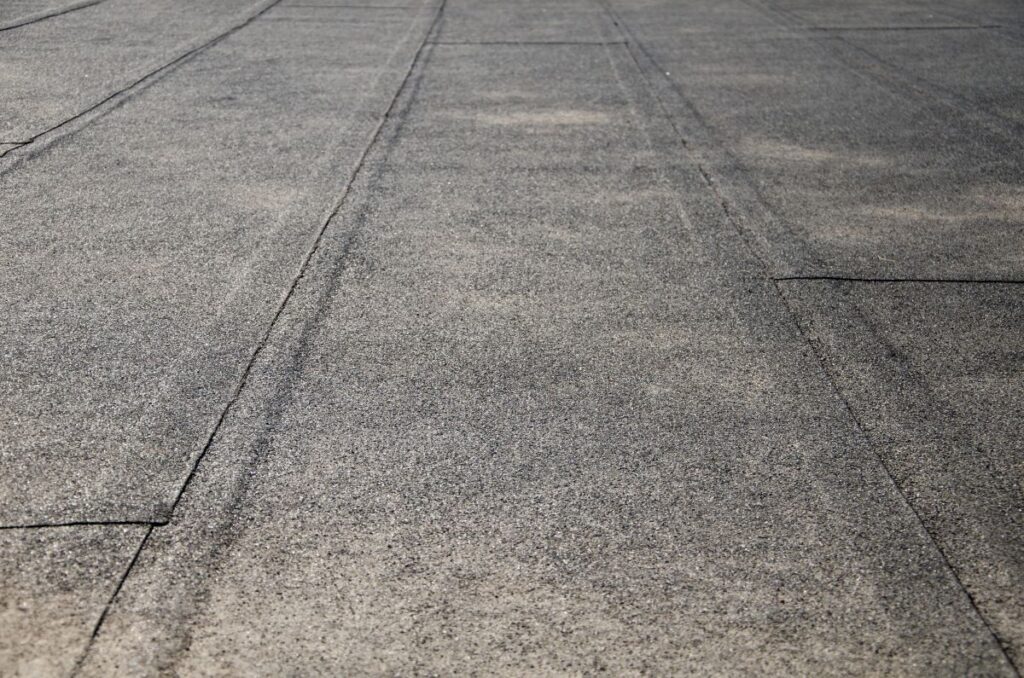
BUR consists of alternating layers of bitumen and reinforcing fabric, finished with a gravel or mineral cap sheet. One of the oldest flat roofing systems still in use, it remains relevant for certain heavy-duty applications.
Pros: Exceptional durability and foot traffic resistance, gravel cap provides UV protection, multiple redundant layers, long lifespan when well-maintained.
Cons: Very heavy and requires a strong roof deck, installation is messy and time-consuming, leaks are hard to locate because water travels between layers.
6. Spray Polyurethane Foam (SPF)
SPF involves spraying a two-component liquid foam that expands and hardens into a seamless, insulated waterproof surface. No seams means fewer places for water to enter.
Pros: Completely seamless coverage, adds insulation value, adheres well to irregular roof shapes, can be recoated instead of fully replaced.
Cons: Requires skilled application, susceptible to UV degradation without a proper topcoat, higher upfront cost in some markets, not ideal for heavy foot traffic.
Factors That Determine the Right System for Your Building
Choosing between these six systems is not just about cost or preference. A knowledgeable contractor will evaluate several site-specific factors before making a recommendation, and skipping this step is one of the most common reasons waterproofing systems underperform.
Key factors that should shape your decision include:
- Roof deck condition and load capacity: Older buildings may not support heavier systems like BUR or modified bitumen. A structural assessment can clarify what the deck can handle before any new membrane goes down.
- Climate: In areas like Rochester and surrounding areas, freeze-thaw performance matters enormously. Not all membranes handle repeated temperature swings equally well.
- Roof use and foot traffic: Roofs that support HVAC equipment or see regular maintenance traffic need higher puncture resistance, such as modified bitumen or BUR.
- Existing roofing system: A new membrane can sometimes be installed over an existing one, reducing tear-off costs, but only if the current layers are in acceptable condition and local codes allow it.
- Budget and long-term value: The cheapest upfront option is rarely the best investment. A more durable system that requires fewer repairs over 30 years will typically cost less in total.
A good contractor will walk through each of these factors with you before recommending anything. If someone jumps straight to a product recommendation without asking about your building’s history, usage, and structure, that is a red flag worth paying attention to.
Warning Signs Your Flat Roof Waterproofing Is Failing
Even the best waterproofing systems eventually show signs of wear. Catching problems early is the difference between a simple repair and a full replacement. Watch for these common indicators:
- Blistering or bubbling: Trapped moisture beneath the membrane causes it to lift and weakens the surface.
- Ponding water: Standing water more than 48 hours after rain points to a drainage problem and speeds up membrane deterioration.
- Visible cracks or splits: Especially around seams, flashings, and penetrations, these are direct signs of waterproofing breakdown.
- Interior stains or drips: Any sign of moisture inside the building calls for an immediate roof inspection.
- Flashing separation: Where the roof meets walls or equipment curbs, cracked or lifted flashing is one of the most frequent leak sources.
- Sagging or soft spots: These suggest water has saturated the insulation or decking beneath the membrane.
Regular professional inspections, twice a year and after severe weather events, are the most reliable way to stay ahead of these issues.
Extending the Life of Your Flat Roof Waterproofing System
Proper maintenance is what separates a roof that lasts 15 years from one that lasts 30. Keep drains and scuppers clear of debris year-round, paying close attention after fall leaf drop and spring snowmelt, since blocked drainage accelerates membrane wear and can void manufacturer warranties. Address minor issues like lifted seams or cracked caulk promptly, as small problems become expensive ones quickly when left alone. Many building owners in Rochester and surrounding areas find that a routine maintenance agreement with a trusted contractor is the most cost-effective way to protect their investment without having to manage inspections themselves.
Ready to Protect Your Flat Roof the Right Way?
At Puetz Construction, we take the time to assess each roof individually and recommend waterproofing solutions based on the specific needs of your building, your budget, and your local climate. Whether you are comparing systems for a new installation or dealing with a membrane that is showing its age, our team has the experience to guide you toward the right decision. If you are in Rochester and surrounding areas and want honest advice you can trust, contact us today to schedule a consultation.
Fresh From our Blog