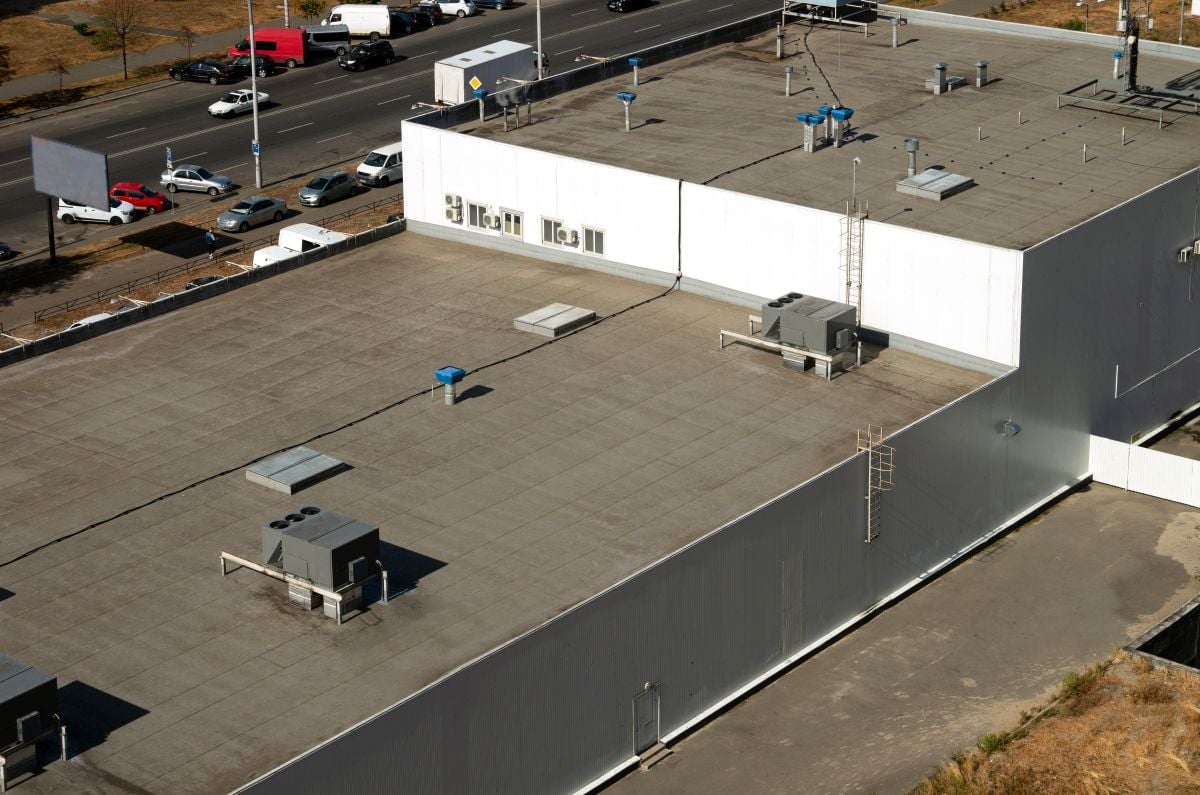
Commercial Roof Leak Detection: 6 Methods Explained
Puetz Construction | 9 Minute Read
Water does not announce itself before causing serious damage. A single undetected breach in a roof membrane can saturate insulation, rot structural decking, and compromise interior finishes before anyone inside the building notices a thing. Commercial roof leak detection is the process that closes that gap, giving property owners the tools and information needed to catch problems early and avoid the kind of costly repairs that come from months of unchecked water intrusion. If you want to understand your options before speaking with a contractor, exploring what professional commercial roofing services involve is a smart first step.
What you’ll learn in this post:
- Why regular roof inspections are critical to protecting a commercial property
- The most common causes of commercial roof leaks
- Six proven leak detection methods professionals rely on
- What to do immediately when a roof leak is discovered
- How repair costs compare depending on how early a leak is found
Why Early Leak Detection Protects Your Bottom Line
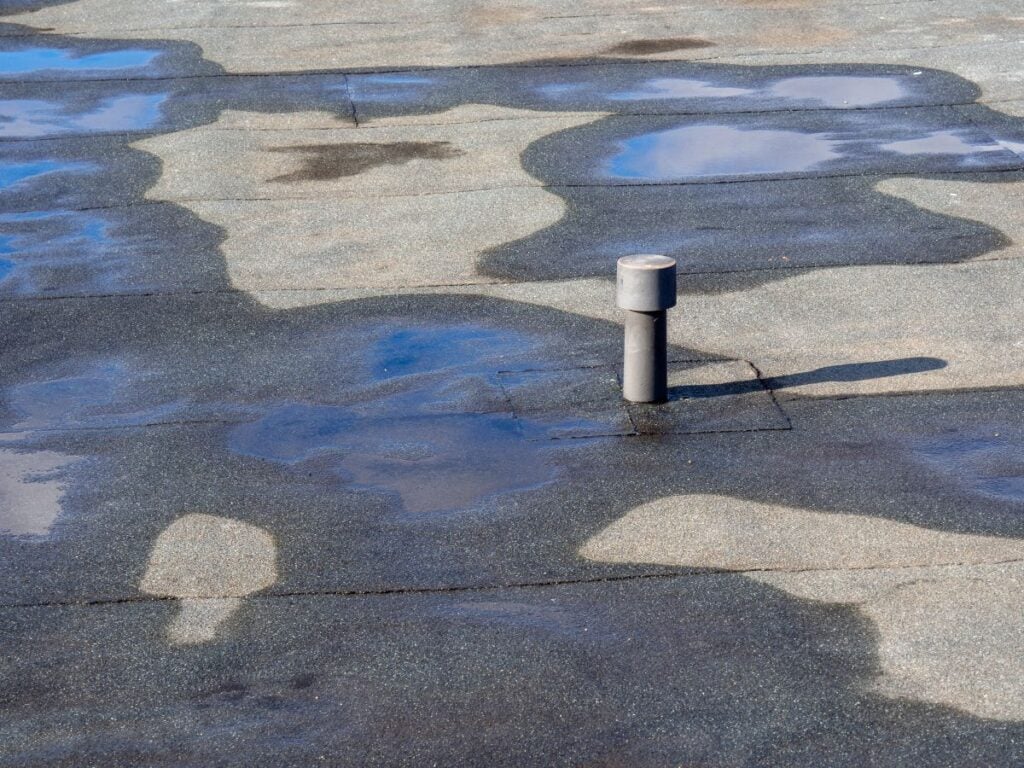
The financial case for early leak detection is straightforward: the longer a leak goes undetected, the more expensive it becomes to fix. A small breach in a commercial roofing system that is caught during a routine roof inspection might require a targeted membrane repair. The same breach left unchecked for a season can mean replacing wet insulation, treating mold, repairing structural decking, and restoring interior finishes, all at once. For commercial property owners in Owatonna and surrounding areas, where freeze-thaw cycles and spring storms put constant stress on rooftops, the window between a minor issue and a major one can be surprisingly short.
- Lower repair costs: Addressing water intrusion early limits the scope of damage. Minor commercial roof repairs cost a fraction of what full section replacements run once wet insulation and deck damage are involved.
- Longer roof lifespan: Commercial roofing systems that receive regular inspections consistently outlast those that do not. Catching and sealing small breaches prevents the accelerated deterioration that water causes when left inside the assembly.
- Tenant and asset protection: Equipment, inventory, and building finishes inside a commercial building are all at risk from unchecked roof leaks. Early detection protects everything beneath the roof surface.
- Insurance documentation: Insurers and lenders increasingly require evidence of regular maintenance. Documented roof inspections demonstrate due diligence and can support claims when weather-related damage occurs.
The cost of scheduling professional leak detection services twice a year is minimal compared to even a single emergency repair call following a major water event. For anyone managing a commercial property, proactive inspection is simply good financial management.
Common Causes of Commercial Roof Leaks
Understanding why commercial roof leaks happen is just as important as knowing how to find them. Most leaks in commercial buildings trace back to a handful of predictable failure points, and knowing where to look helps property owners ask better questions and catch problems during routine roof inspections before they grow.
Flashing Failures
Flashings are the metal or membrane strips that seal roof edges, penetrations, and transitions between surfaces. They are exposed to more movement and weathering than any other part of the roof, which makes them the most common entry point for water intrusion. Cracked sealant, lifting edges, and corroded metal are all early warning signs that flashings need attention.
Membrane Damage
The roof membrane is the primary waterproofing layer on most commercial roofing systems. Foot traffic, UV exposure, ponding water, and physical impact from debris can all create punctures, blisters, or seam separations. Once the membrane is compromised, water moves through freely and begins saturating the insulation below.
Clogged or Inadequate Drainage
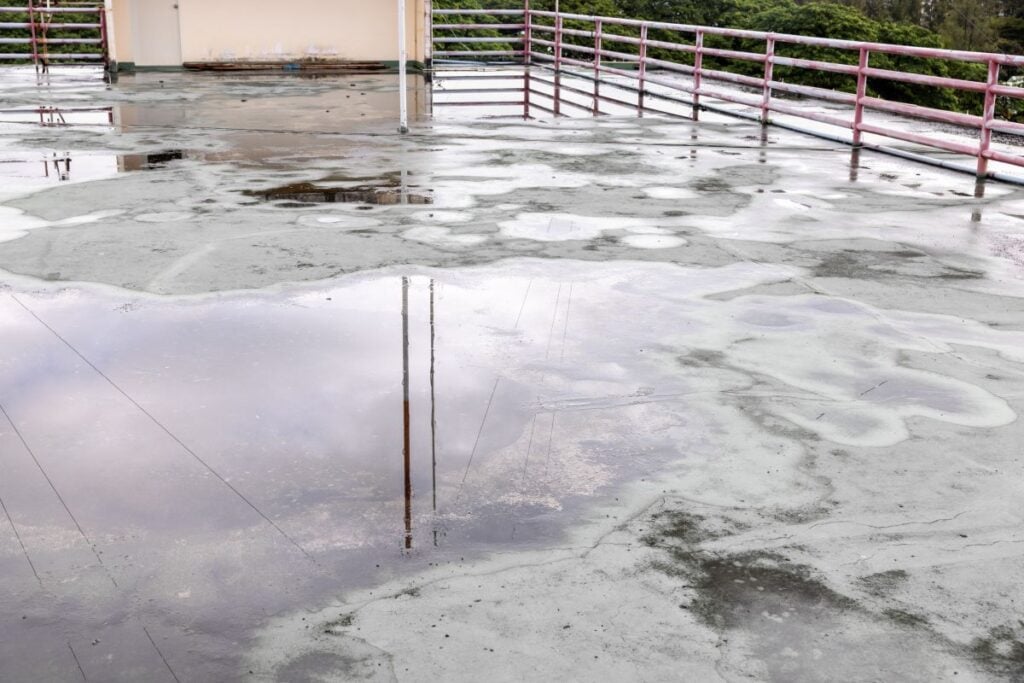
Flat and low-slope commercial roofs depend entirely on drains and scuppers to move water off the surface. When those drainage points become clogged with leaves, debris, or sediment, water ponds and increases pressure on the membrane and seams. Over time, that standing water accelerates deterioration and increases the likelihood of a leak.
Aging Roofing Materials
Even well-installed commercial roofing systems have a finite lifespan. As materials age, they lose flexibility, adhesion, and resistance to the elements. A roof that is approaching or past its rated lifespan deserves more frequent roof inspections and closer scrutiny, since failure can occur in multiple locations at once.
Improper Repairs or Installation
Not all commercial roof repairs are created equal. Work done with the wrong materials, poorly sealed seams, or improperly installed penetrations can create new leak pathways even while addressing an existing one. Hiring qualified commercial roofing services from the start reduces the risk of this cycle.
Knowing these common causes gives property owners in Owatonna and surrounding areas a framework for evaluating what they see during inspections and for prioritizing where professional leak detection services should focus first.
6 Methods Professionals Use to Find Commercial Roof Leaks
Roofing contractors use a range of tools and techniques to locate exactly where water is entering a building. Some methods work best on flat TPO or EPDM membranes, while others apply across different commercial roofing systems. Here is a breakdown of each approach.
1. Visual Inspection
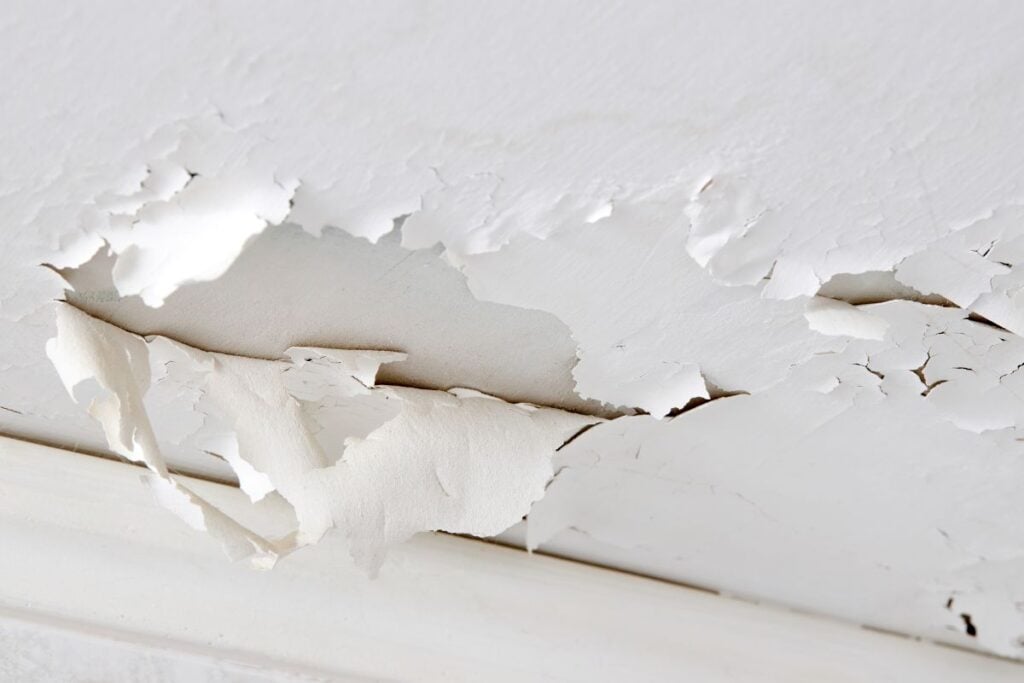
A thorough visual inspection of the roof surface is always the starting point. An experienced contractor walks the entire roof looking for blistering, ponding water, cracked seams, lifted flashings, and damaged membrane sections. Inside the building, they examine ceilings, walls, and utility penetrations for staining or mold. Visual inspection is low-cost and often catches obvious damage, but it has limits on built-up roofs where moisture hides beneath layers of material.
2. Infrared Thermography
Infrared cameras detect temperature differences across the roof surface. Wet insulation retains heat longer than dry insulation, so after sunset the camera reveals warm spots that indicate hidden water intrusion. This non-invasive method covers large areas quickly and creates a visual moisture map that guides targeted commercial roof repairs. It works best on clear nights following warm days when temperature contrast is greatest.
3. Electronic Leak Detection (ELD)
Electronic leak detection uses low-voltage electrical current to find breaches in the roof membrane. A grounded probe scans the surface for current flow through any membrane opening. ELD is highly accurate on single-ply membranes and is especially useful on new construction or recently replaced roofs where confirming a watertight installation is critical. For property owners in Owatonna and surrounding areas investing in new commercial roofing systems, ELD provides valuable post-installation assurance.
4. Core Sampling
When non-destructive methods indicate moisture is present, a contractor cuts small core samples from the suspect area to confirm and quantify the damage visually. The sample reveals the condition of every layer, from the top membrane down through insulation to the deck. Core sampling is minimally invasive, patches are applied immediately, and it provides definitive confirmation that supports accurate repair cost estimates.
5. Water Testing (Flood or Hose Testing)
Water testing isolates a roof section using temporary dams, floods it for a set period, and monitors the interior for signs of intrusion. Alternatively, a hose is applied systematically across sections. This straightforward method requires time and coordination but is reliable for narrowing down the source of a known roof leak in a specific area.
6. Drone and Aerial Inspection
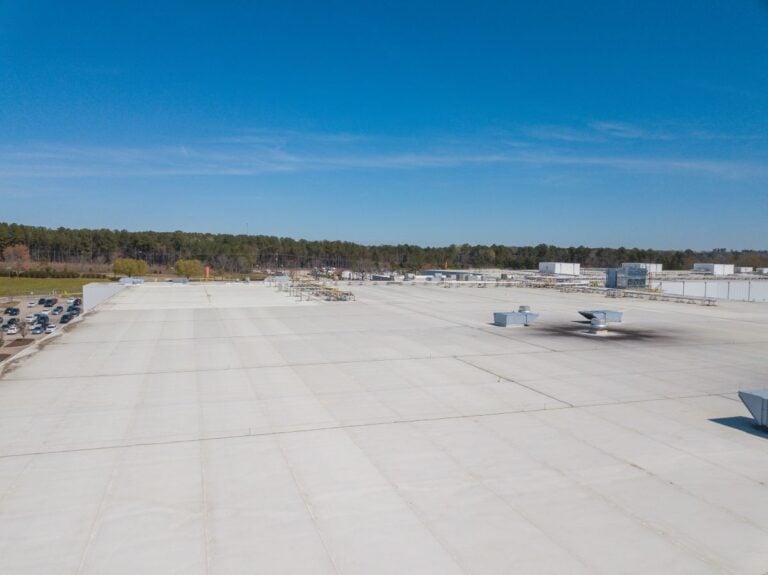
Drones equipped with high-resolution cameras and thermal sensors can survey large commercial rooftops faster than any ground-level inspection. Aerial footage captures membrane conditions, drainage patterns, and flashing details that are hard to assess on foot. For large industrial buildings and commercial properties where safe roof access is a concern, drone-based roof inspections are an increasingly practical tool.
These six leak detection methods are not mutually exclusive. Many contractors combine two or three on a single job to build the most accurate picture before committing to a repair plan.
What to Do When You Discover a Commercial Roof Leak
Finding a leak is just the beginning. How quickly and carefully you respond determines how much of the damage is contained. Taking the right steps immediately can mean the difference between a targeted repair and a much larger restoration project.
- Document everything first. Before moving anything, photograph or video the interior damage, including staining, standing water, and any affected equipment or inventory. This documentation supports insurance claims and helps the contractor understand the scope of water intrusion.
- Protect the interior. Move inventory, equipment, and sensitive materials away from the affected area. Place buckets or absorbent materials to collect dripping water and limit secondary damage to flooring and finishes.
- Contact a commercial roofing contractor promptly. Temporary tarps or patches can slow additional water entry while you wait for a professional assessment, but they are not a substitute for a proper diagnosis. A contractor offering commercial roofing services can perform a full inspection, identify the source, and provide an honest repair cost estimate.
- Request a written scope of work. Before any commercial roof leak repair begins, get a detailed written proposal that identifies the leak source, outlines the repair method, specifies materials, and includes warranty terms. Vague estimates lead to vague results.
Acting quickly and methodically after discovering a commercial roof leak limits both the physical damage and the ultimate repair costs. The longer the response is delayed, the more saturated the roofing assembly becomes and the more expensive the fix.
Protect Your Commercial Property with Regular Inspections
Consistent roof inspections are the single most effective way to keep repair costs manageable over the life of a commercial roofing system. Most roofing professionals recommend inspecting commercial roofs at least twice per year, plus after any major storm event. Property owners in Owatonna and surrounding areas who build that schedule into their maintenance calendar catch problems early, document roof conditions for insurance purposes, and avoid the emergency call that always costs more than a planned repair.
Puetz Construction provides expert leak detection services and commercial roof repairs for property owners who want straight answers and quality workmanship. Whether you need a full roof inspection, a targeted repair, or guidance on whether your aging commercial roofing system is worth repairing or replacing, our team is ready to help. Contact us today to schedule your inspection and take the first step toward a roof that does its job year after year.
Fresh From our Blog